
Place · 0.9 mi away
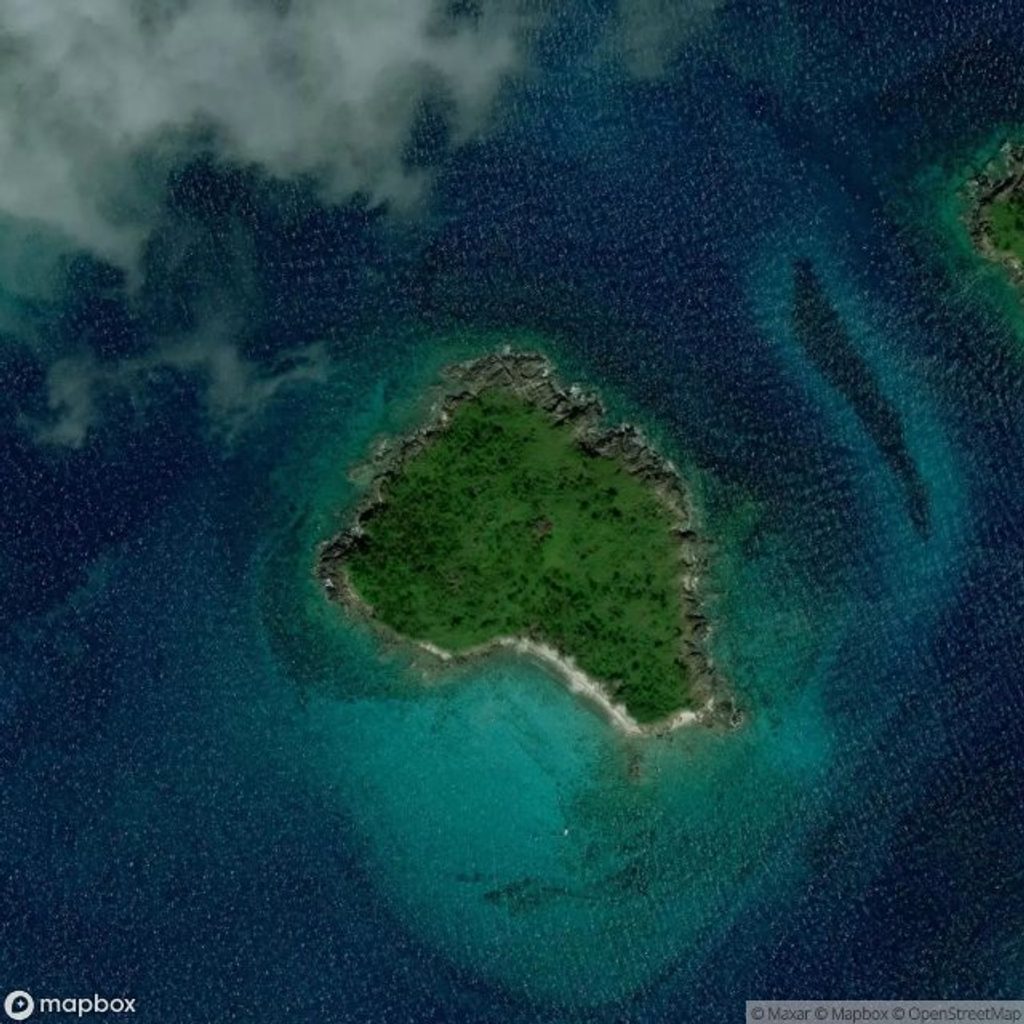
A tiny offshore cay with big rewards, Henley Cay is a snorkel-first destination known for vibrant, living coral and lots of reef fish. Because it’s only reachable by water, it feels remote and rarely crowded. If you prioritize healthy reefs over beach comforts, this is a standout.
You can only reach Henley Cay by kayak or boat. Kayaking typically takes 30–45 minutes from Cruz Bay or nearby launches, and the crossing can be demanding due to current in Durloe Channel. Private charters and day tours often stop here, and visitors report a single day-use mooring. Do not anchor on the reef.
Enter and exit from the small pocket beach in the more protected west cove. The south side usually offers the best snorkeling in 3–15 feet of water with excellent visibility, thriving soft and hard corals, and a busy fish scene. As you approach either rocky point, current increases—don’t try to round the tips if you feel any pull.
Expect sea fan “forests,” gorgonians, brain and other hard corals, plus blue tangs, surgeonfish, parrotfish, angelfish, and wrasses. Rays and turtles are possible. Many tours pair Henley with nearby bays for a mix of calm turtle spotting and coral-rich reef time.
Conditions can shift quickly. Currents around the ends of the cay and in the channel can be very strong—this is best for confident swimmers with fins, ideally with a guide. Wear a snorkel vest or PFD, use a buddy system, and keep someone aboard as a spotter if you’re on a private boat. Enter/exit via the west cove and stay within protected areas when in doubt.
Henley Cay is undeveloped: no restrooms, water, trash cans, or concessions. Pack in everything, pack it all out, and use the mooring if available. Never touch or stand on coral.
Mornings usually bring calmer seas and clearer visibility. Seasonally, winter–spring is breezier and popular; late spring–summer often has warmer water and calmer seas; late summer–fall brings hurricane risk. On any day, check sea state and aim for smaller swell (around 3 ft or less) for easier paddling and safer snorkeling.
Place · 0.9 mi away
Place · 0.9 mi away
Place · 1 mi away
Place · 1 mi away
Easy · 1.1 mi away
Easy · 1.1 mi away
Moderate · 1.4 mi away
Easy · 1.4 mi away

Parkwolf Tour Guide
