

Place · 0.6 mi away
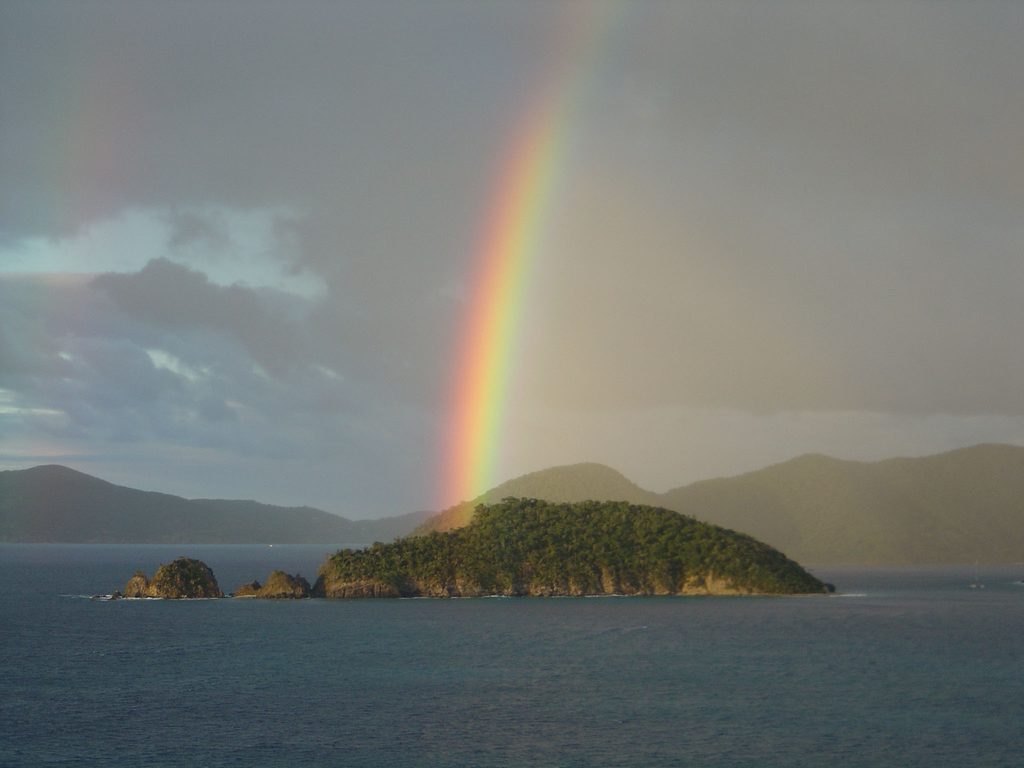
Whistling Cay is a small, uninhabited islet (about 19 acres) just off St. John’s north shore, roughly 300 yards west of Mary Point. It’s part of the park and feels wonderfully remote: rocky shores, a pocket beach, clear water, and the evocative ruins of a Danish customs outpost on the south side. The draw is underwater—this spot offers classic north‑shore snorkeling with good visibility when conditions are calm.
Expect sea fans, soft corals, brain and star corals, sponges, and schooling reef fish along the more protected southern and southeastern sides. Around points and deeper ledges, keep an eye out for parrotfish, snappers, barracuda, eagle rays, and occasional hawksbill turtles; nurse sharks show now and then. Healthy water flow here often means lively reefs and clear water.
Access is by boat or guided kayak—do not plan to swim the channel due to currents and fast boat traffic. Many visitors paddle from the Maho/Francis area when winds and seas are low. Land on the small, pebbly/rocky beach near the ruins in calm conditions; avoid cliffy or exposed sides for landings. Use park moorings if available; anchoring is restricted to protect seagrass and coral.
This is an open‑water site. Currents, chop, and boat wakes are common, and winter north swells (roughly Nov–Mar) can make the north and west sides surgey. Mornings are typically calmer. Stay on the lee (south/southeast) side when it’s bumpy, carry a dive flag, buddy up, and set a clear turnaround plan.
Beyond the reef fish and invertebrates, you’ll often see rays gliding the edges and sea turtles passing through. Above water, look for brown pelicans, frigatebirds, and terns working the channel. Give all wildlife space and never touch corals or turtles.
Overall, the winter dry season (December–April) brings pleasant weather and fewer storms, but north swells can occasionally rough up the exposed sides. Aim for early morning for calmer winds and seas, easier paddling, and fewer boats.
There are no services on the cay—no restrooms, water, or trash bins—so pack out everything. Wear UPF clothing and reef‑safe mineral sunscreen applied well before entering the water. Use designated moorings where provided and avoid standing on or touching coral.
Place · 0.6 mi away
Place · 1 mi away
Place · 1 mi away
Place · 1 mi away
Easy · 1 mi away

Moderate · 1.3 mi away

Easy · 1.5 mi away

Easy · 1.8 mi away

Parkwolf Tour Guide
