
Place · 3.1 mi away
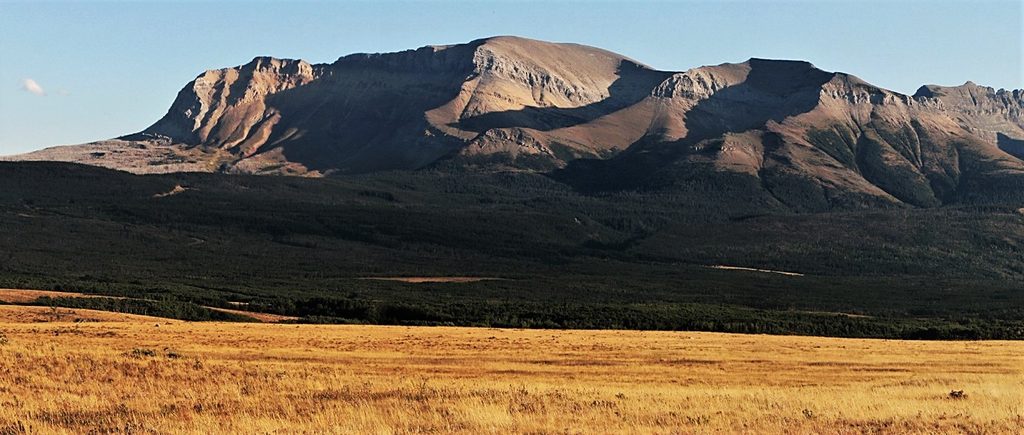
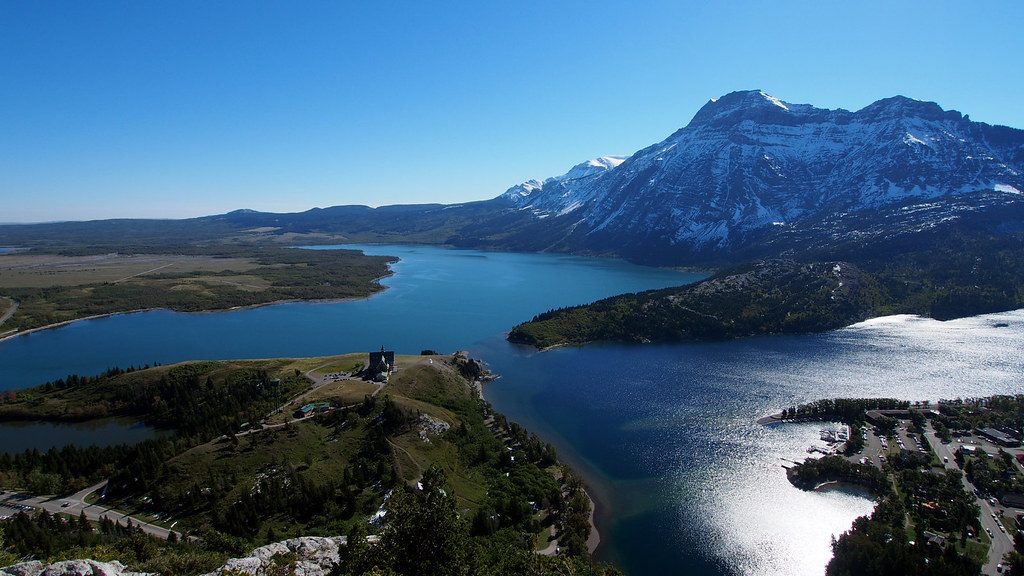
Sofa Mountain is the flat-topped landmark you’ve been eyeing from the prairie—its “sofa” profile is exactly how it got its name back in 1865. Perched on the park’s eastern side, it rises steeply above Middle Waterton Lake and the foothills, delivering huge views across the Waterton Valley, the prairies, and into Montana’s peaks.
Expect a full-value day: typical round trips run 13.6–16 km with 700–1,162 m of gain and take 7–9 hours. You’ll start in lower aspen woods, then break into subalpine meadows before threading a prominent V‑shaped notch between the mountain’s “arms.” Crooked Creek Waterfall spills from the notch—an excellent mid-route highlight—before the terrain turns rocky and more rugged. The upper mountain involves moderate scrambling with some hands-on sections and route-finding along open ridges to the broad, level summit.
Two things: that unmistakable flat summit and the sweep of the views. From the top, the visual contrast is dramatic—prairie to the east, big glacial valleys and lakes to the west. The approach also passes through striking post‑fire regrowth (from a 1998 burn), which makes the meadows and wildflowers pop in season.
This is prime wildlife country. Marmots are common on the rocky slopes and basin. Black and grizzly bears use the area—travel in a group and carry bear spray. Deer, mountain goats, and alpine birds round out the usual cast.
Sofa Mountain is classic Lewis Range geology—layered sedimentary rock uplifted into a high, wind‑exposed summit. The climate is alpine subarctic: winters are long and cold, summers are mild but still volatile. Sudden wind and weather shifts are normal, and early season can mean lingering snow and tricky creek crossings.
If you like quieter, big‑view objectives with a touch of scrambling, this one’s a gem—underrated compared to the park’s marquee hikes, but every bit as scenic for strong hikers.
Mid‑summer to early fall offers the most reliable snow‑free travel. Go early in the day for steadier winds, cooler temps on the climb, and rewarding side‑light for photos. Weekdays are usually quieter, though this objective is less busy than the park’s headliners regardless.
Place · 3.1 mi away
Place · 3.5 mi away
Place · 3.7 mi away
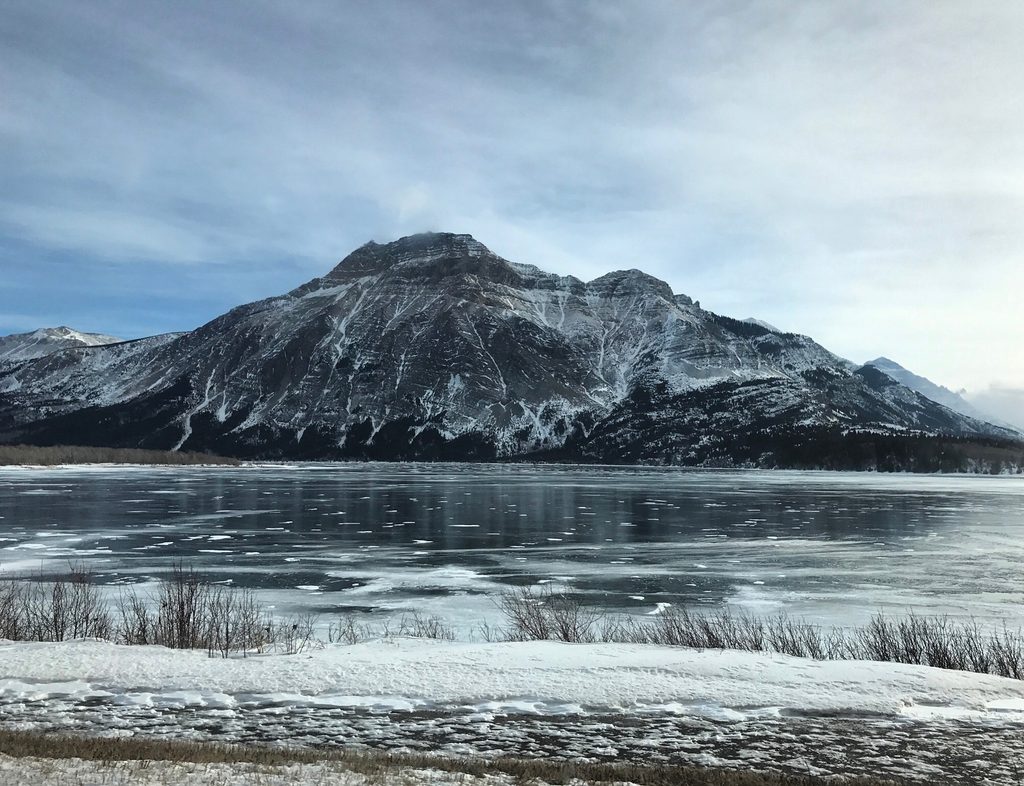
Place · 4.5 mi away
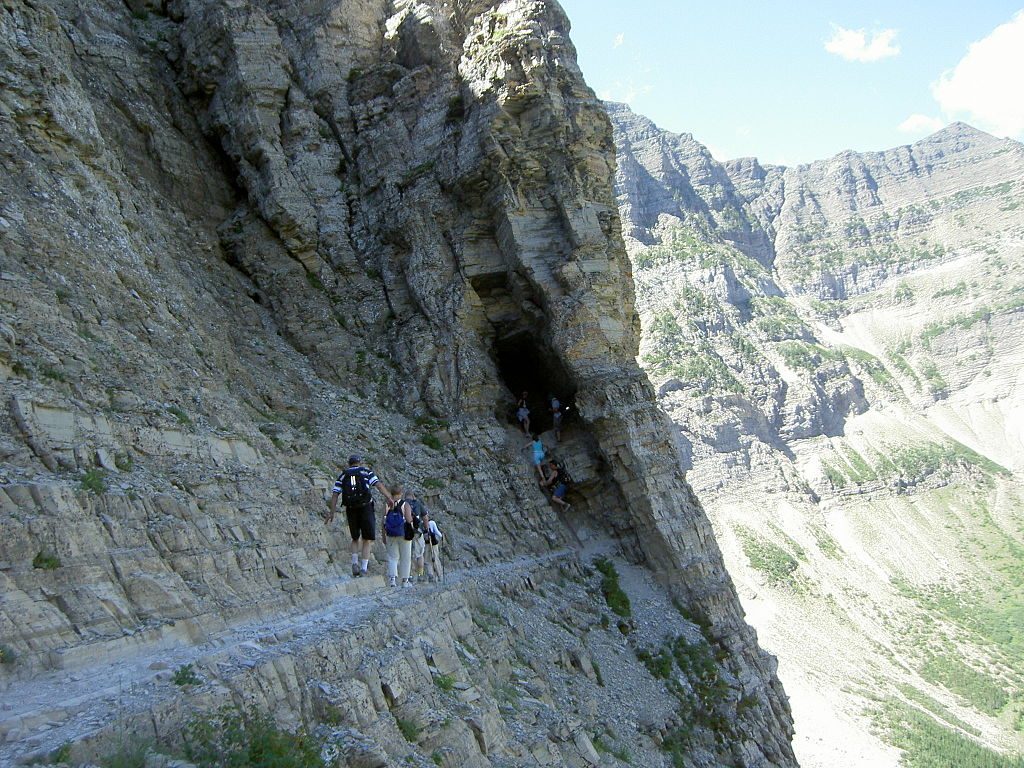
Challenging · 3.7 mi away
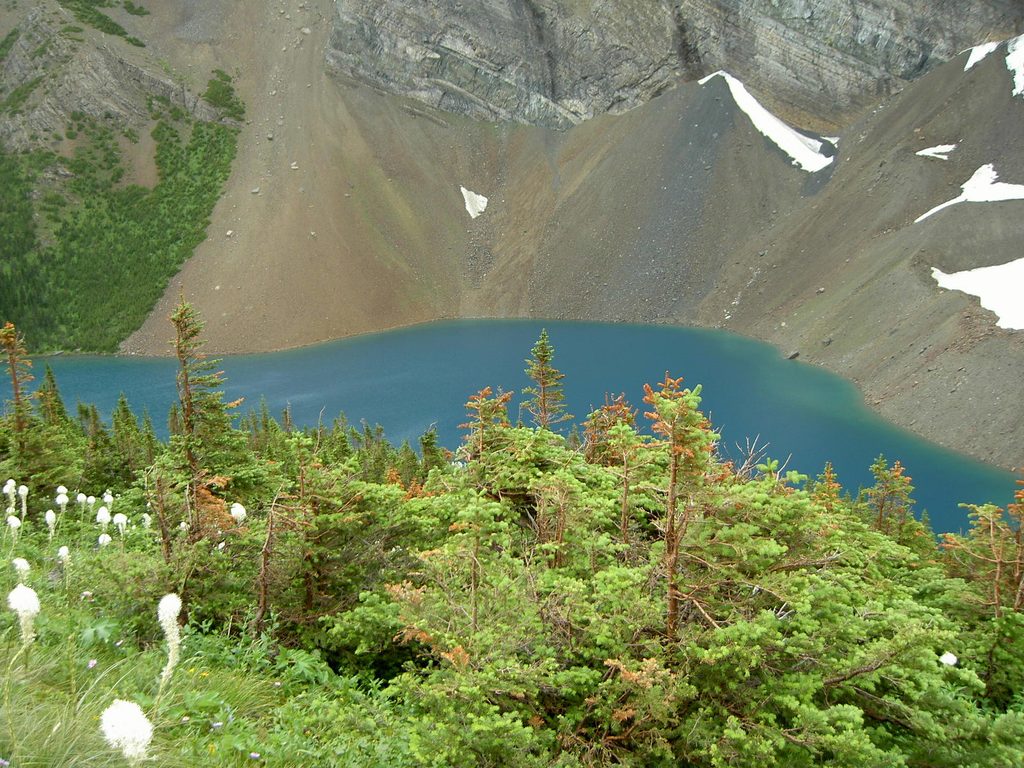
Challenging · 6 mi away
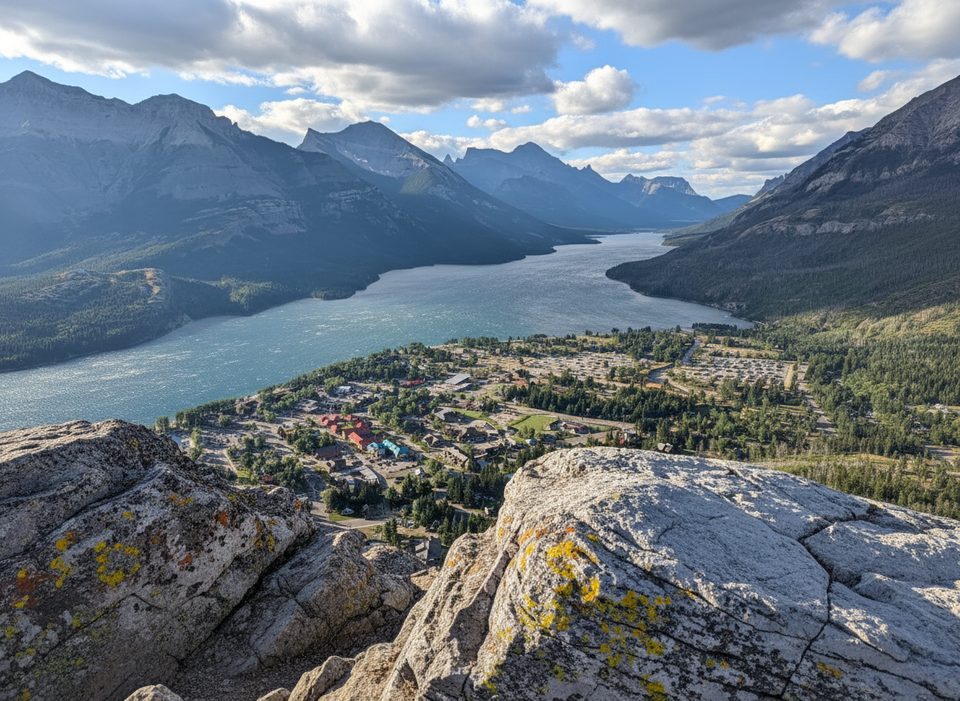
Easy · 6 mi away
Moderate · 6.2 mi away

Parkwolf Tour Guide
