
Place · 1.4 mi away
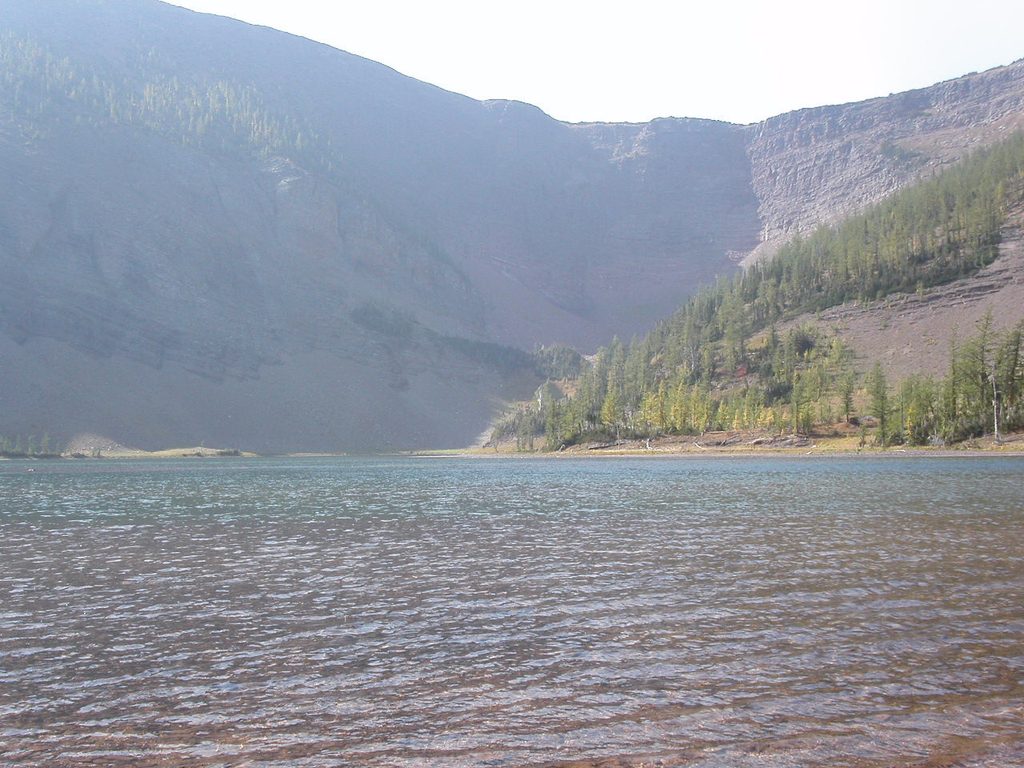
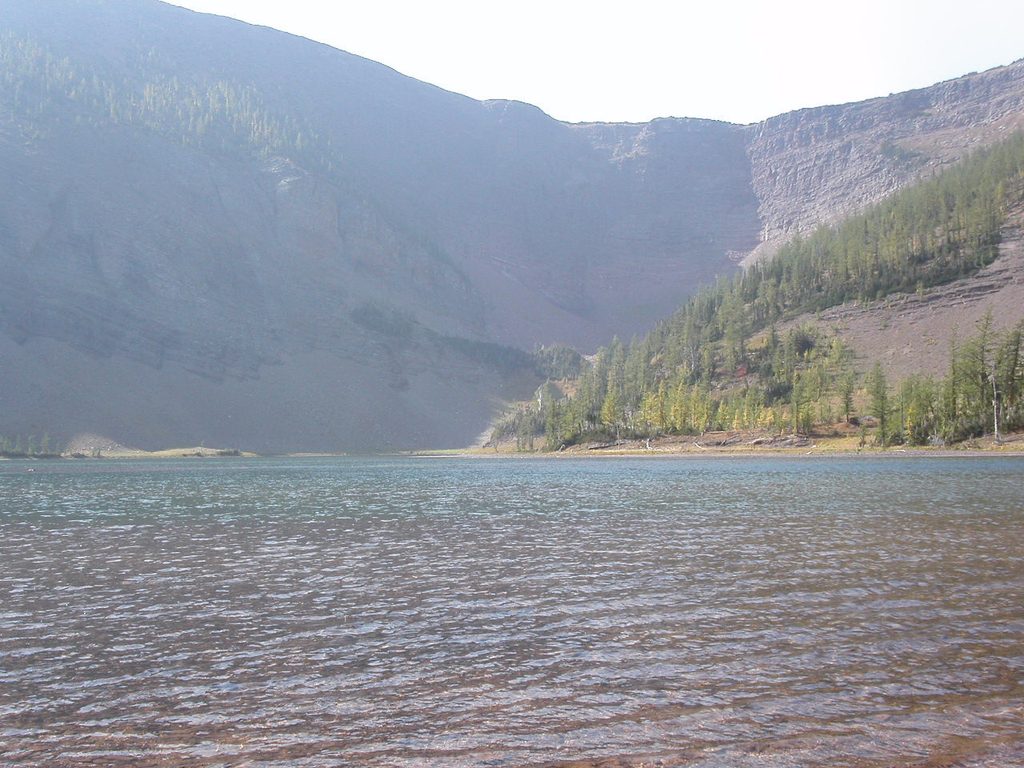
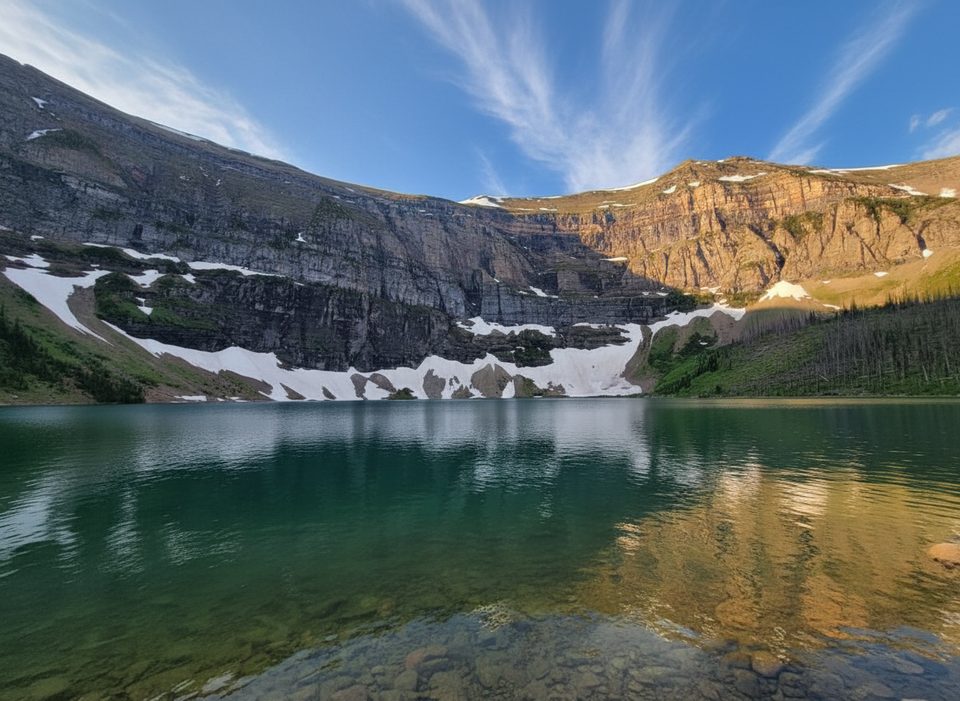
Upper Rowe Lake is the highest and most secluded of the three Rowe Lakes, tucked into a classic glacial cirque just east of the Continental Divide. Reached via the Rowe Lakes Trail from the Akamina Parkway, it’s a moderately strenuous outing (about 12–14 km round trip with roughly 575–685 m of elevation gain) that rewards you with big-mountain scenery and quiet shoreline time.
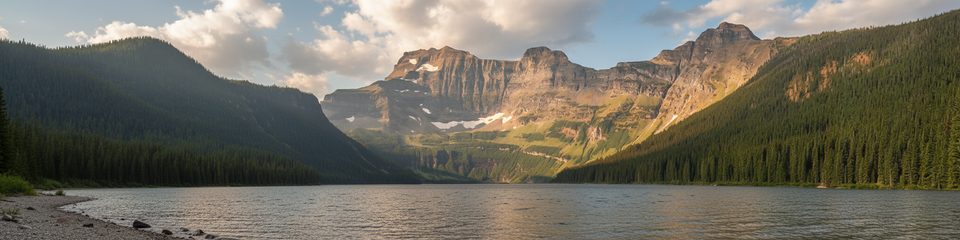
Expect a dramatic bowl of cliffs and talus above a clear alpine lake at around 2,181 m. The approach follows Rowe Creek through mossy forest with cascades, opening into flower-filled Rowe Meadow before the final climb. In summer, wildflowers and beargrass line the meadows; by fall, larch forests flare gold for a short, spectacular window. Some hikers wander the lakeshore for different perspectives when terrain allows.
Bighorn sheep are frequently spotted on the surrounding ridges. Deer, marmots, and a variety of birds also work the meadows and rocky slopes. Bears are possible—carry bear spray and know how to use it.
The path is well-defined but grows steep on the final switchbacks to the upper lake. Snow can linger into late June or July, and early-season mud is common, so check conditions before you go. Plan 4–5 hours round trip, plus extra if you linger for photos or a shoreside lunch.
July through October offers the most reliable, snow-free travel. Fall is prime if you’re chasing golden larch. It’s generally less busy than lower-elevation destinations, so solitude is a real perk here.
There are no services at the lake—no toilets, tables, or treated water—so pack out everything. Bring sturdy boots, layers for fast-changing weather, food, and plenty of water (or a filter if you’ll draw from the lake). The water stays cold even in midsummer; a dip is for the hardy. Dogs are allowed on leash.
The lakes and nearby peak were named for Lieutenant Frederick Valentine Rowe of the International Boundary Commission. Geologically, Upper Rowe sits in a glacially carved hanging valley, with exposed sedimentary rock—ancient seabeds lifted and tilted by mountain-building forces.
Place · 1.4 mi away
Place · 1.4 mi away
Place · 1.6 mi away
Place · 2.2 mi away
Challenging · 1.6 mi away
Moderate · 1.6 mi away
Challenging · 2.2 mi away
Easy · 2.2 mi away

Parkwolf Tour Guide
