
Place
Challenging
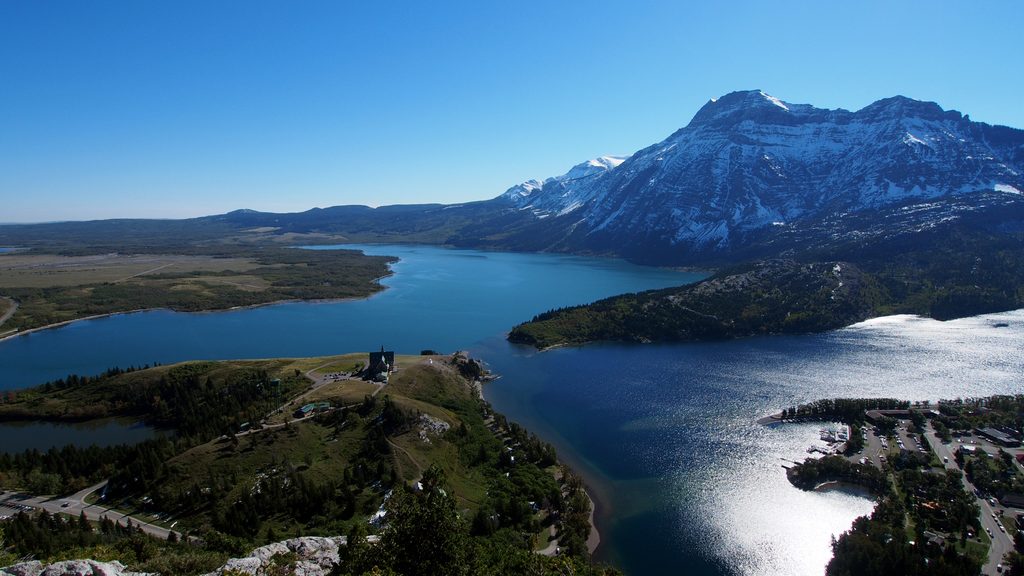
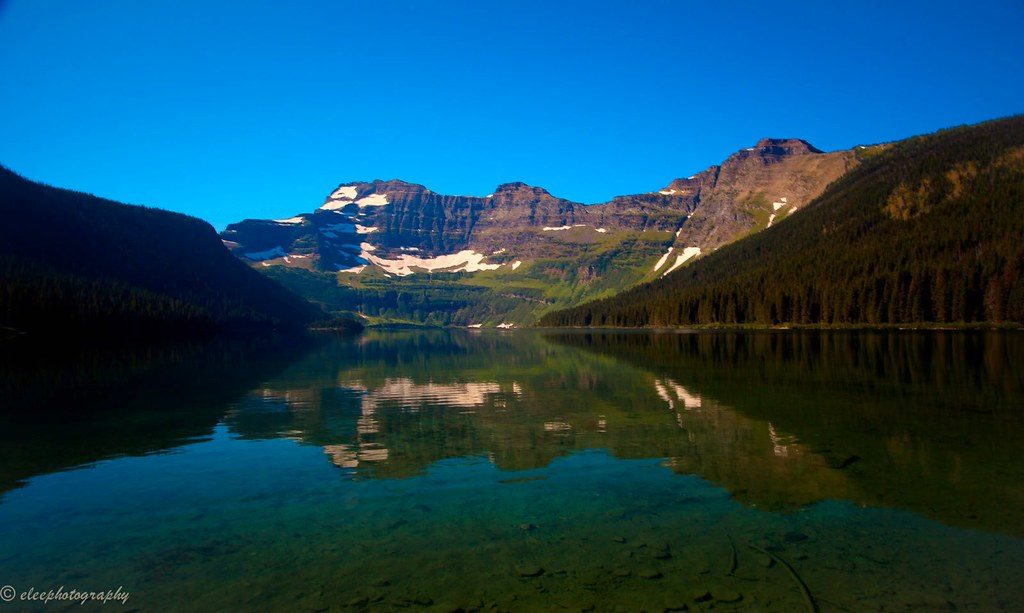
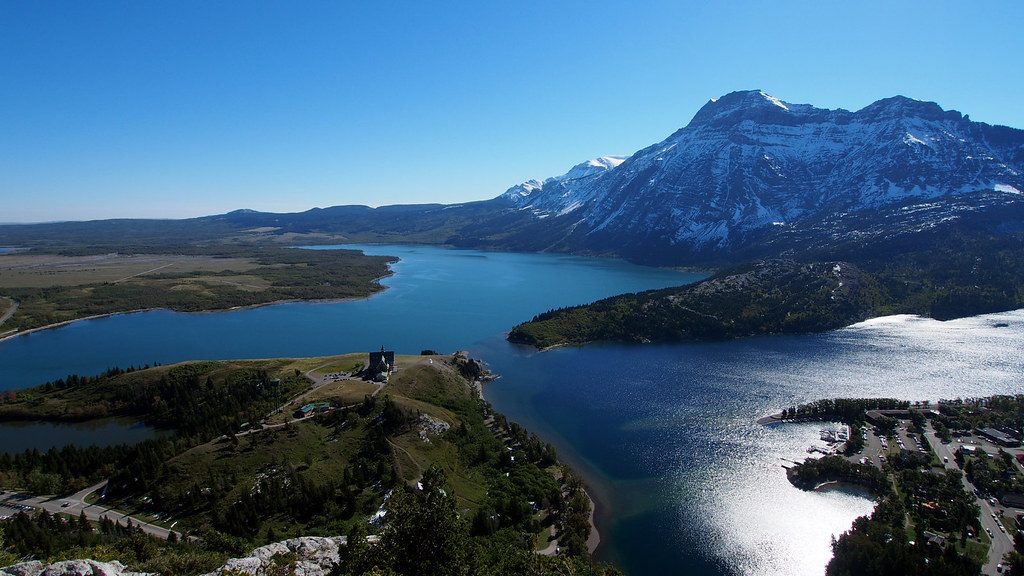
Vimy Peak is a demanding summit day that rewards grit with huge, cinematic views over Waterton Lakes, the surrounding peaks, and the prairie spreading east. The route starts on the Wishbone Trail’s mellow approach before turning sharply uphill toward subalpine meadows, the Lion’s Head rock formation, and a rugged final push to the summit.
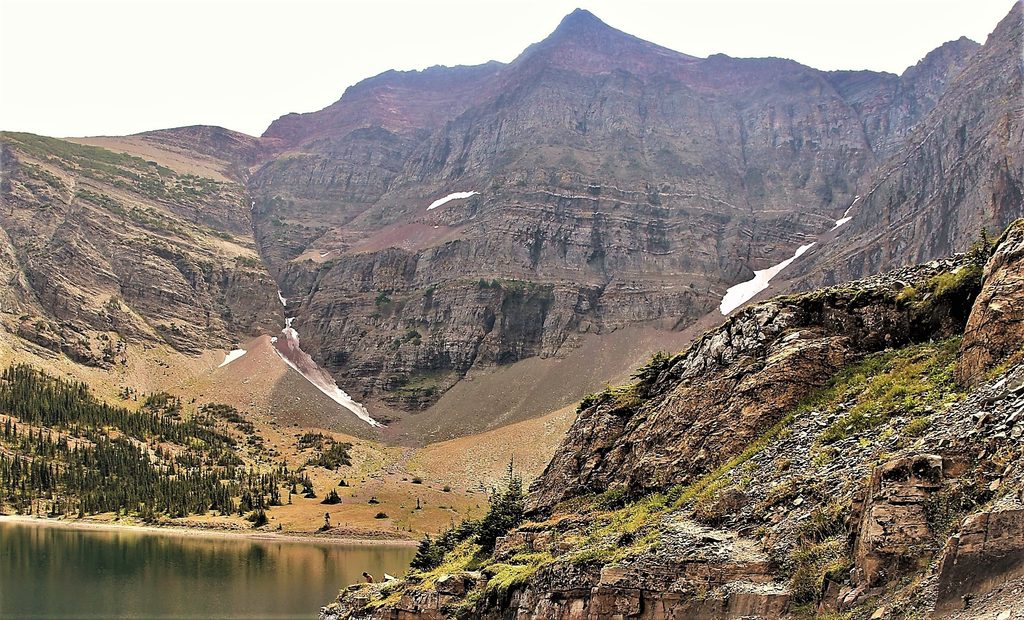
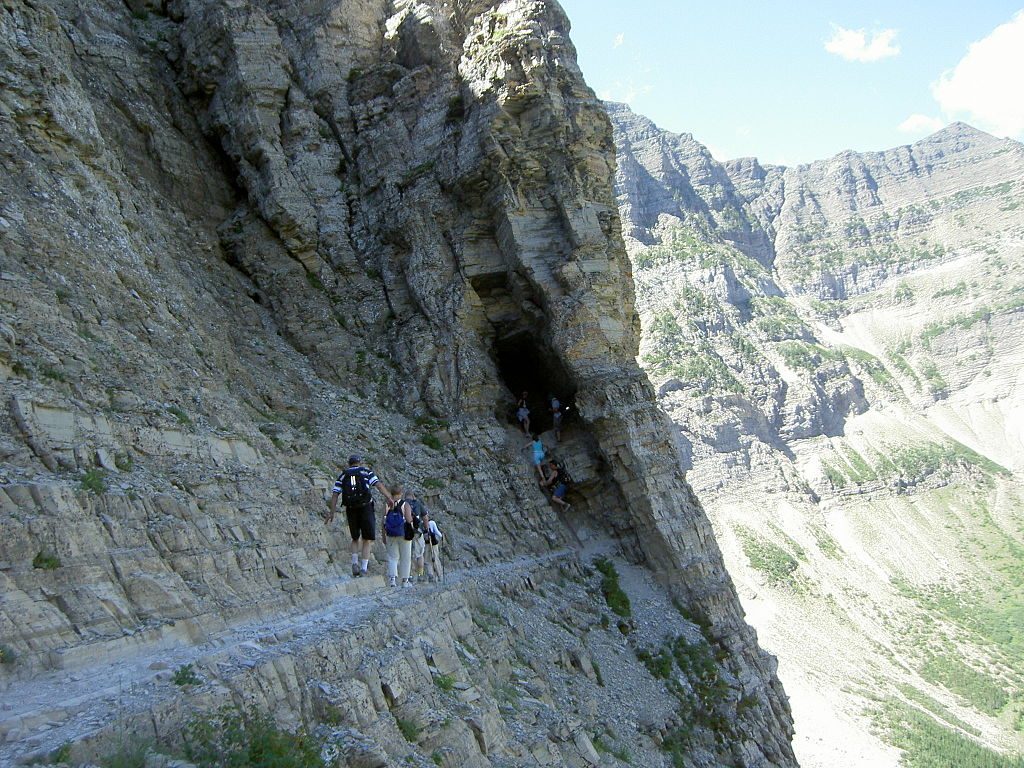
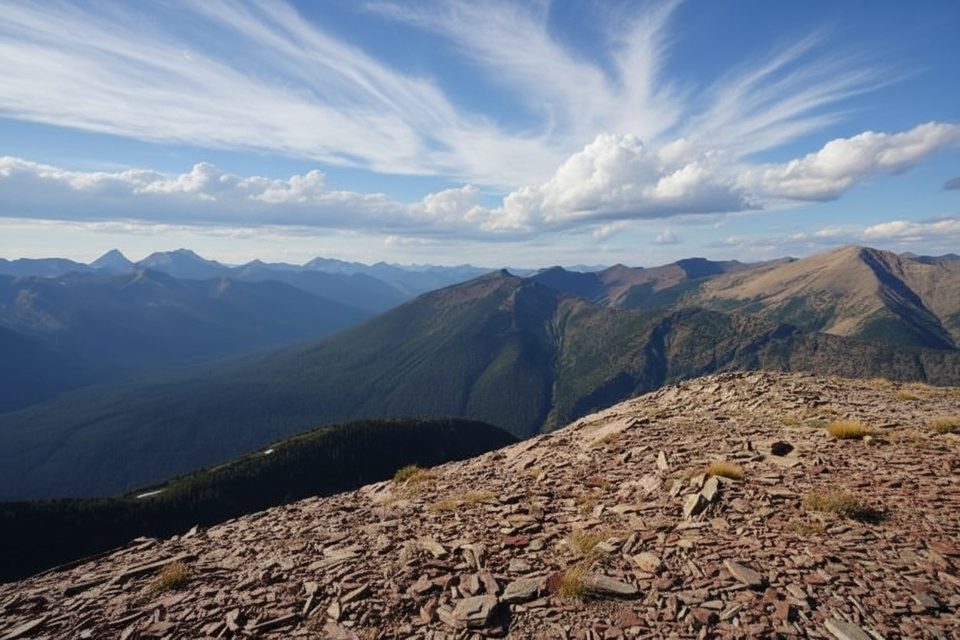
Expect a long day: it’s roughly 12.4–16.3 miles total (round trip), depending on whether you cut the flat approach with a Waterton Lake boat shuttle or start from the Wishbone Trailhead. Elevation gain is serious—about 4,000–4,500 feet (1,220–1,369 m)—with most of it packed into the upper mountain. The path becomes faint and rocky near the top; you’ll use cairns and intuition to thread through loose terrain. Trekking poles help on the steep descent.
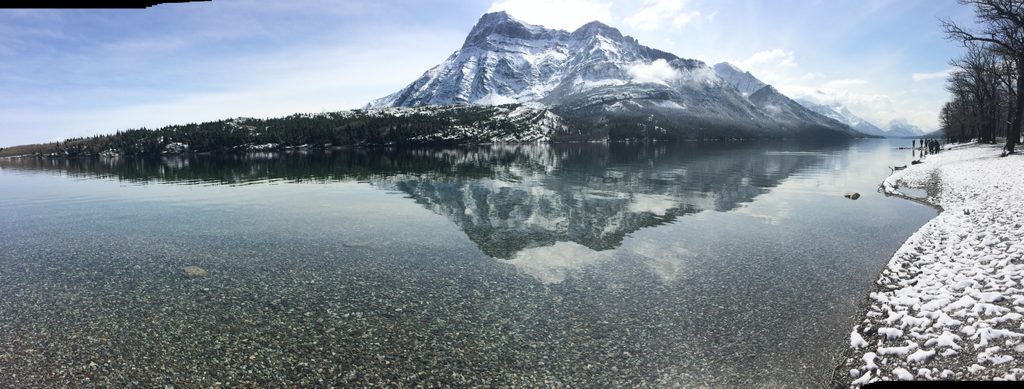
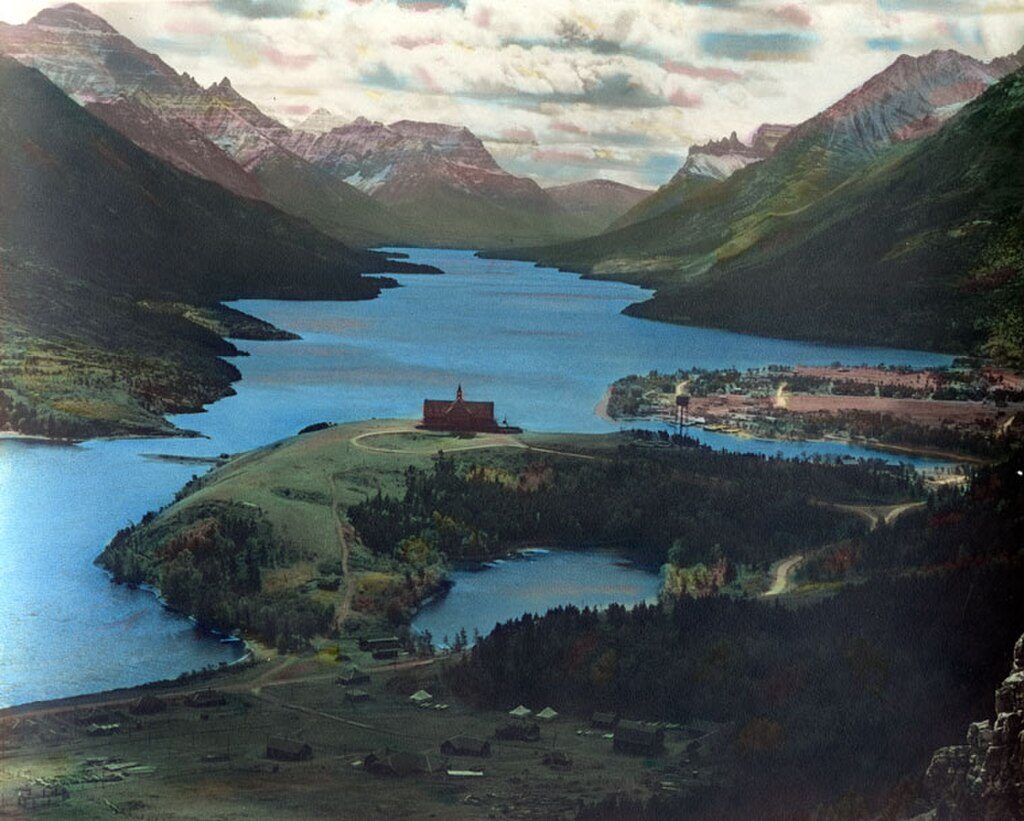
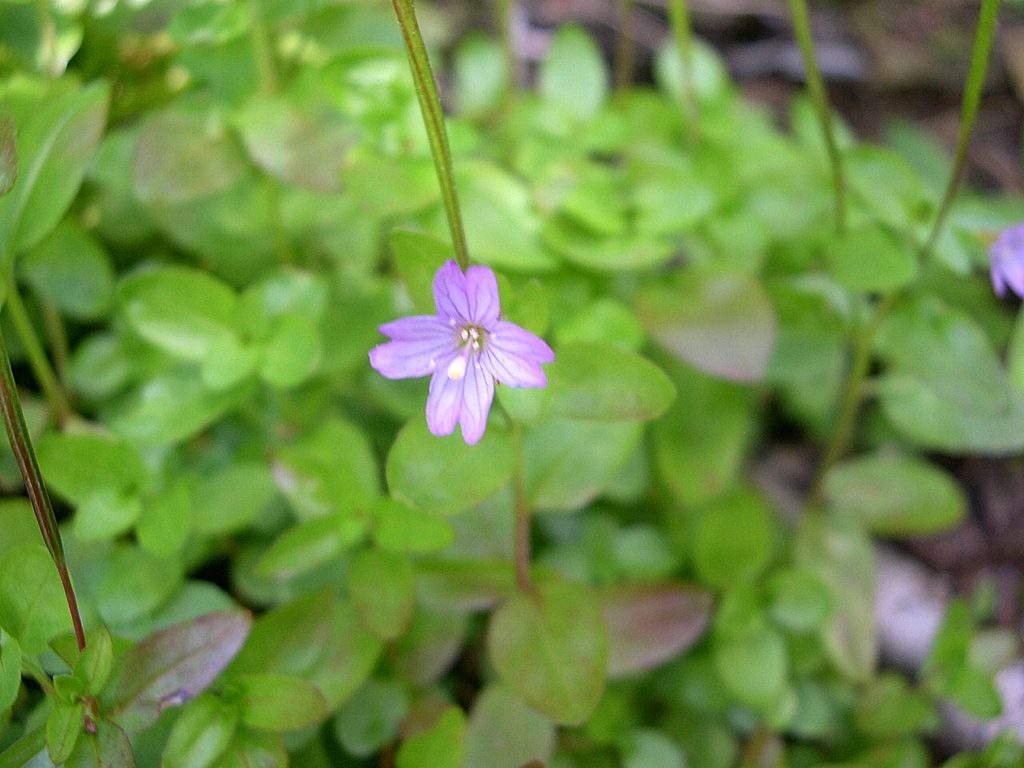
Scenery evolves quickly: shady forest gives way to flower-filled meadows in summer, brook crossings, a small waterfall, and increasingly open slopes. You’ll pass the striking Lion’s Head outcrop on the way up. From the summit, the 360-degree panorama takes in Waterton Lakes, Sofa Mountain, Mount Galwey, and the length of the prairie—classic Waterton contrasts in one frame.
This is prime wildlife country. Ground squirrels are common, and bears are occasionally encountered—travel in a group, make noise, and carry bear spray. Streams along the lower route can be used to top up (bring a filter), but upper slopes are dry and exposed. Start early to dodge afternoon heat and storm build-up; sun protection is a must.
Tips: Many hikers bike the flat Wishbone approach to save time and stash their bikes at the Vimy junction before the real climbing begins. If you want to shorten the day, a shuttle boat can cut off the initial approach, but you’ll still face the steep upper mountain. Navigation gets iffy near the summit—slow down, look for cairns, and expect some light route-finding.
Best time to hike: Late June through September, when snow has melted and wildflowers peak. Early summer can hold lingering snow patches up high; shoulder seasons bring rapid weather shifts. Weekdays and early starts mean fewer people and better light for photography.
Nerd note: Vimy Peak takes its name from the Battle of Vimy Ridge in World War I—a nod to Canadian history. Geologically, the mountain’s abrupt rise from prairie to peak neatly showcases the uplift and folding that built this corner of the Rockies.
Park at the Wishbone Trailhead along Chief Mountain Highway (parking nearby), then follow Wishbone to the Vimy Peak junction.
Steep, sustained climbing with loose rock near the summit; faint trail and cairn navigation up high; exposure to sun and fast-changing weather; active bear habitat—carry spray and travel in groups; limited water beyond lower streams—bring a filter and extra capacity.
Place
Place
Place
Place
Challenging
Challenging
Challenging
Moderate

Parkwolf Tour Guide
