Place · 29.3 mi away

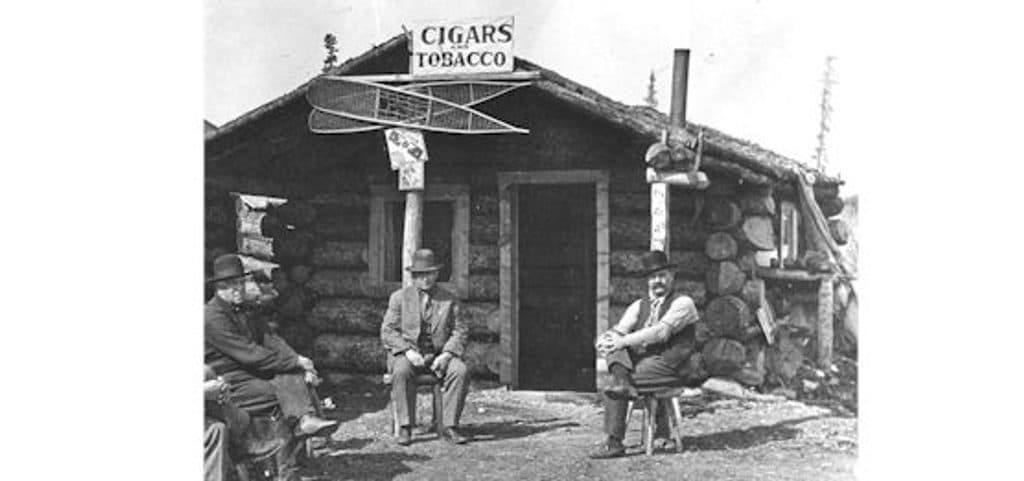
Set deep between the Nutzotin and Wrangell Mountains, the Chisana Mining District is where Alaska’s last major gold rush flared to life in 1913. The boom was brief (1913–1915), but the story is outsized: stampeders chasing color on Bonanza Creek and Little Eldorado, a pop-up town on the tundra, and a remote landscape that still holds the bones of that era. Mining sputtered along until 1942, when wartime demands effectively ended operations.
This is a living historic landscape, not a groomed outdoor museum. Expect deteriorating town traces, tent-camp sites, adits and workings, plus a handful of restored log buildings at the original Chisana City townsite. The Too Much Johnson Cabin is open as a primitive public-use cabin. Many remaining structures are on private property; public easements are marked. Look, photograph, and learn—do not remove or relocate artifacts.
Few got rich here, but the rush sparked new transportation links and supply networks across the Copper and Tanana basins. The district also sits within the homelands of Ahtna, Southern Tutchone, and Upper Tanana peoples; an Upper Tanana village once stood near the later townsite. You’re walking through layers of Indigenous history and gold-rush ambition.
Chisana is fly-in only by small aircraft. On arrival, think self-reliance: there’s no running water, no plumbing, and no developed restrooms—just the simple pit-toilet outhouse at the public-use cabin. Bring toilet paper, pack out all trash, and plan to collect and treat your own water. A few private B&Bs and outfitters operate seasonally, but there’s no public campground or services.
If you’re an experienced backcountry traveler, you can retrace parts of the stampede country and, for the truly prepared, tackle the demanding cross-country route toward McCarthy. This is serious wilderness travel—route-finding, river crossings, and fickle weather included.
Summer is the practical season for fly-ins and exploring the historic landscape. Park visitation peaks in July, which often aligns with the best flying and hiking windows, but weather rules all here—build buffer days into your plan.

Stay on public easements where marked, respect private land, and leave every artifact in place. The restored buildings are fragile history; treat them gently and close doors behind you.