Place · 10.7 mi away

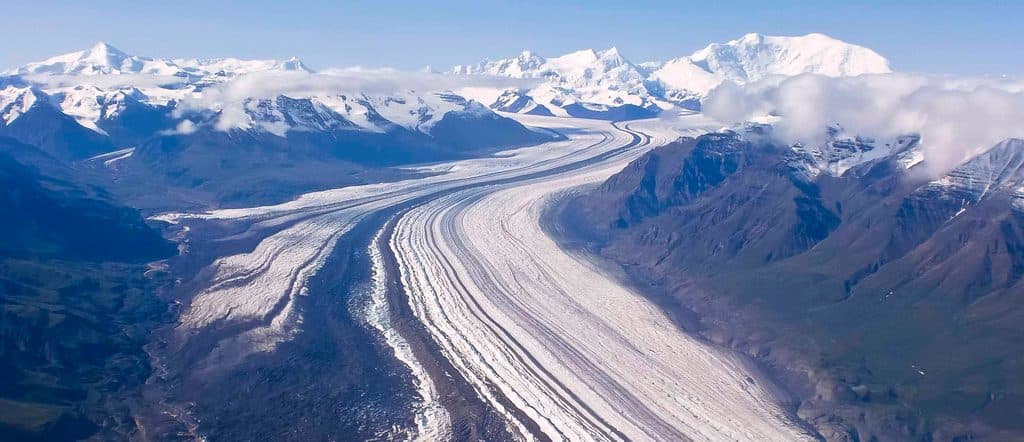
Skolai Pass is remote, raw, and worth the effort if you’re prepared. This is a true backcountry destination—no roads, no facilities—just enormous valleys carved by ice, waterfalls, and hidden alpine lakes. Most trips are off-trail and demand solid navigation, river and glacier sense, and self-sufficiency.
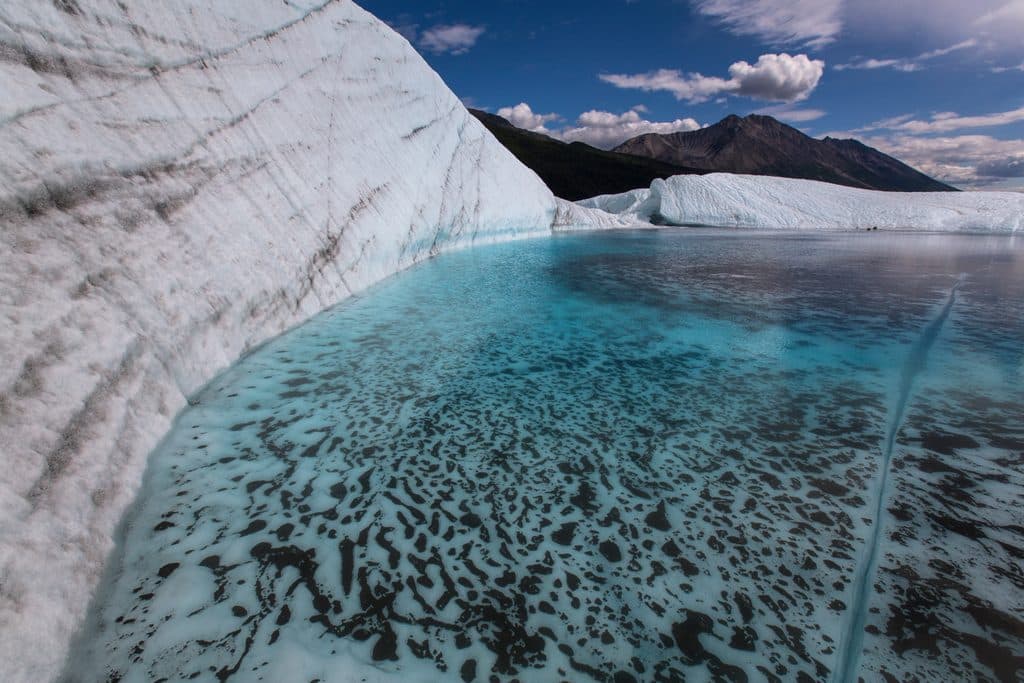
Expect a dramatic progression of terrain: awkward, unstable moraine; rough, crevassed ice with bright blue pools and gaping moulins; then broad, almost “desert-like” bare ice on other glaciers before tundra passes open into the big country of Skolai. The scenery is constantly changing, with rock glaciers, sculpted valleys, and moody light that makes photographers giddy. In 2023, Upper Skolai Lake drained and left stranded icebergs on mud—stunning to see and a reminder that water features here can change fast.
There’s no driving to Skolai Pass. Most parties stage in McCarthy/Kennecott and fly by bush plane into or out of the pass (sometimes point-to-point with Nizina Lake). Build weather buffers on either end—your flight schedule lives and dies by the forecast. Once you’re in, there are no services: no restrooms, no food, no campground. It’s full pack-in/pack-out and Leave No Trace.
Glacier travel is the price of admission. Late season often means bare ice where crevasses and moulins are visible—many groups use real crampons and skip ropes on straightforward sections, but caution is everything. Moraine is the slowest, most ankle-biting surface; rock and ice edges are unstable. Give blue pools, supraglacial streams, and any moulin inlets a very wide berth. Lake levels can drop quickly when subglacial channels open, so be wary near shorelines and outlets. Detours over rock glaciers and route-finding around canyon bottlenecks are part of the game.
The main window is June through September. June favors lower elevations as passes can hold snow. July is generally prime. By August you’re higher to dodge bugs and chase big tundra views, though fresh snow can dust the passes. Late August into early September brings frequent rain but gorgeous, dramatic light; by September, be ready for cold, wet, even wintry spells. Multi-day rains are not uncommon—bring stout shelter and dialed moisture management.

Experienced backpackers and backcountry photographers will love it. If you’re new to glacier travel or off-trail navigation, consider a guided trip or skills instruction first. This is not a casual day hike; it’s a serious wilderness experience with serious rewards.