Mount St. Elias

18,008-foot coastal giant, best seen by flightseeing
Mount St. Elias, Wrangell-St. Elias National Park
InsideWrangell-St. Elias National Park

Overview

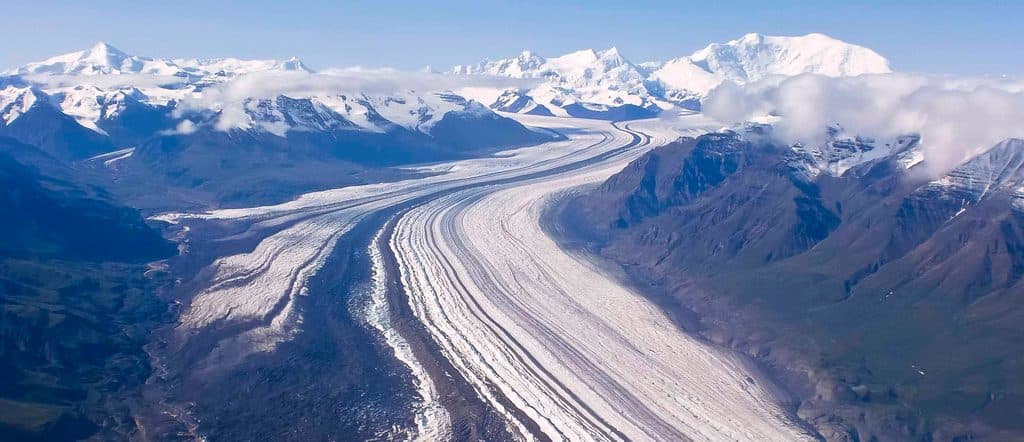
Mount St. Elias is the park’s namesake pinnacle: a remote, heavily glaciated 18,008‑foot summit straddling the Alaska–Yukon border. It’s one of North America’s most dramatic mountains—rising straight from coastal lowlands north of the Malaspina Glacier and standing about 70 miles northwest of Yakutat. If you came for outsized terrain, this is the headline act.

What You’ll See

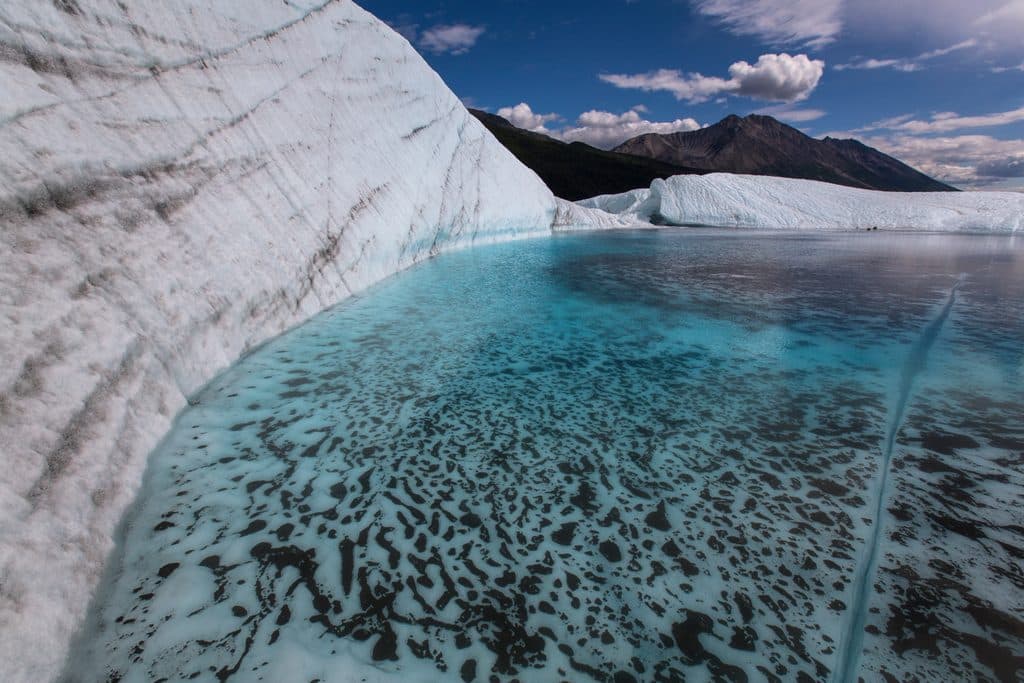
Think scale: sprawling icefields, crevassed glaciers, and sharply serrated ridgelines pouring toward the Gulf of Alaska. This isn’t a roadside viewpoint; it’s a true big-mountain scene best appreciated from the air or the coast. On a clear day, the relief from sea level to summit feels almost unreal.

Access & Logistics

There’s no trailhead, parking, or restrooms for Mount St. Elias—none. It sits deep in wilderness, far from the park’s two gravel access roads. Casual visitors typically book flightseeing from park gateways (e.g., McCarthy/Chitina or Glennallen). Coastal boat tours out of the Yakutat area can also deliver grandstand views of the St. Elias massif. Mountaineering is expedition-grade only, with glacier landings, serious objective hazards, and big weather windows.

Best Time to Visit

For sightseeing, the broader June–September window aligns with the main park season and the most reliable flightseeing operations. For climbing attempts, late spring into early summer is the typical window to catch firmer snow and long daylight—always plan generous weather buffers.

Who It’s For

A must for dreamers, photographers, and flightseers chasing the biggest Alaskan scenery, and for expert alpinists planning a serious expedition. If you need easy access or amenities, pick other highlights in the Kennecott/McCarthy or Nabesna corridors.

Bottom Line

Undeniably world-class and utterly remote. If you’re willing to play by backcountry rules (and the weather’s), the payoff is a rare look at one of the continent’s most spectacular peaks.

Pros

  • Iconic 18,008‑foot coastal giant above vast glaciers and fjords
  • Second-highest peak in both the U.S. and Canada

Cons

  • No road access or on-site amenities; viewing usually requires a plane
  • Harsh Gulf weather means views aren’t guaranteed

Tips

  • Book flightseeing from McCarthy/Chitina or Glennallen for the best views.
  • Build in weather buffer days; storms and cloud cover are common.
  • There are no services near the mountain—plan to be fully self‑sufficient.
  • Climbers typically target late spring to early summer for firmer snow.
  • Quick facts and context: [britannica.com](https://www.britannica.com/place/Mount-Saint-Elias), [alaska.guide](https://alaska.guide/mountain/mount-saint-elias), [yakutatbayadventures.com](https://yakutatbayadventures.com/mount-saint-elias/)
The Parkwolf tour guide sitting on a phone mounted in a car

Parkwolf Tour Guide

Like a tour guide in your car.

Save the places you found around Wrangell-St. Elias, then let Parkwolf guide the drive between them.Download Parkwolf on the App Store