
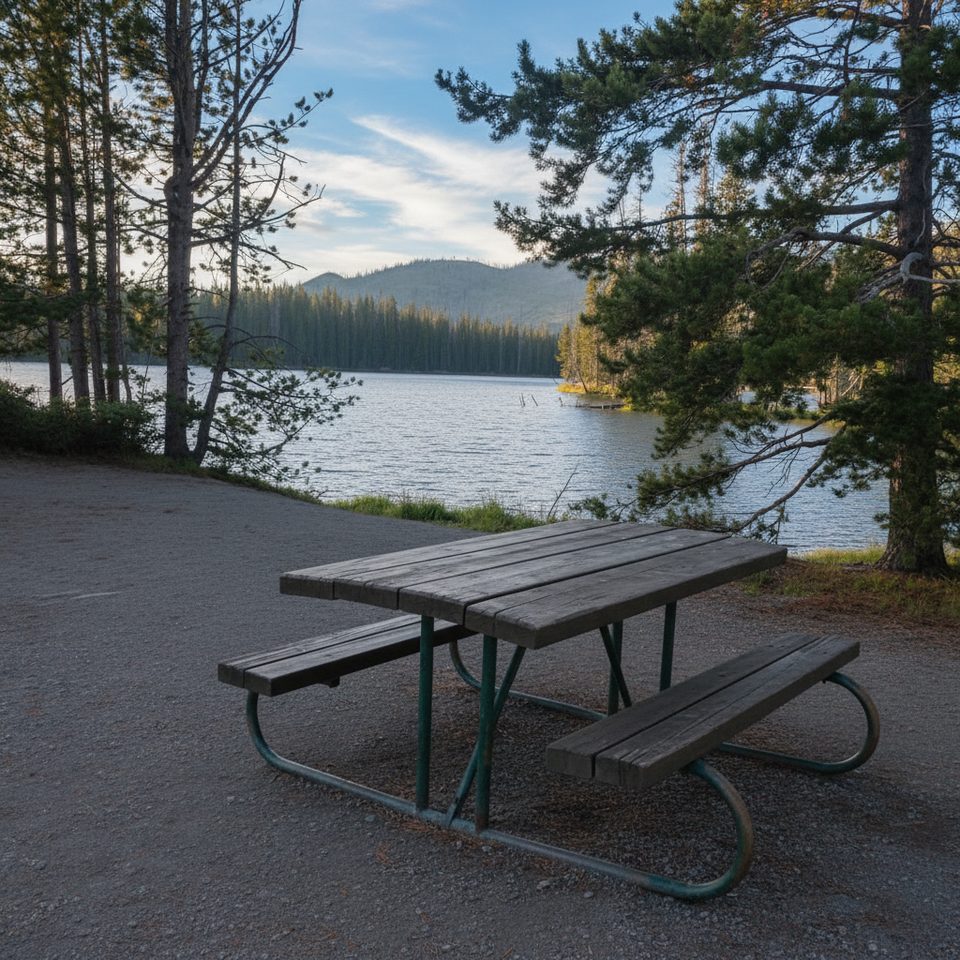
Place · 1.2 mi away
Avalanche Peak is Yellowstone’s classic short, steep summit: an out‑and‑back that packs serious elevation into a modest distance, then rewards you with wide‑open 360‑degree views. Expect a true workout and an exposed, windy ridge, but also sweeping vistas of Yellowstone Lake and, on crystal‑clear days, far‑flung ranges on the horizon.
Plan on roughly 4.5–4.6 miles round trip with about 2,070–2,300 feet of gain. The grade is steady from the moment you leave the road—very few breaks, few or no switchbacks. The first third climbs steeply through lodgepole forest; midway up the trees thin and views begin; the final third crosses loose talus and gravel to a broad, often blustery ridge and the summit.
Near the ridge, the path splits: going right is shorter and steeper; the official line trends left and is slightly more gradual. Many hikers find the descent on the loose rock to be the crux, so take your time.
The trailhead sits along the East Entrance Road near Sylvan Pass, with a small roadside parking area and the trail starting across the highway. There are no facilities here—no water, restrooms, or trash cans—so plan accordingly and pack out everything.
Snow and ice can linger on the upper slopes into mid‑July. Even in summer the ridge is often windy and afternoon thunderstorms are common, so start early and avoid being on the high, exposed sections if storms are building. Sturdy hiking boots and trekking poles really help—especially on the loose, gravelly descent. This is high‑country (10,500+ ft), so bring layers, sun protection, and plenty of water and calories.
This corridor is classic bear country, with elevated grizzly activity in fall around Sylvan Pass. Hike in a group if you can, make noise, and carry bear spray. Elk and deer are occasionally spotted along the way as well.
Mid‑July through September typically offers the firmest, snow‑free footing. Go early in the day for cooler temps, easier parking, and steadier weather. Photographers get the cleanest air and light in the morning; sunset can be gorgeous but comes with higher thunderstorm risk and a steep descent toward dusk—set a firm turnaround time.
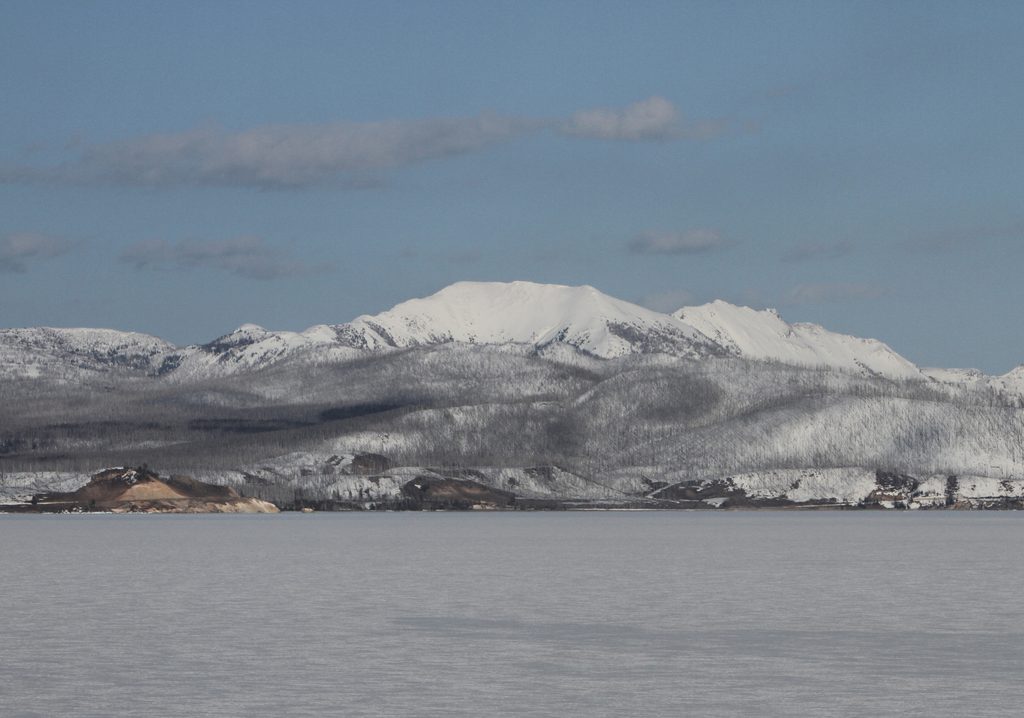
Place · 1.2 mi away
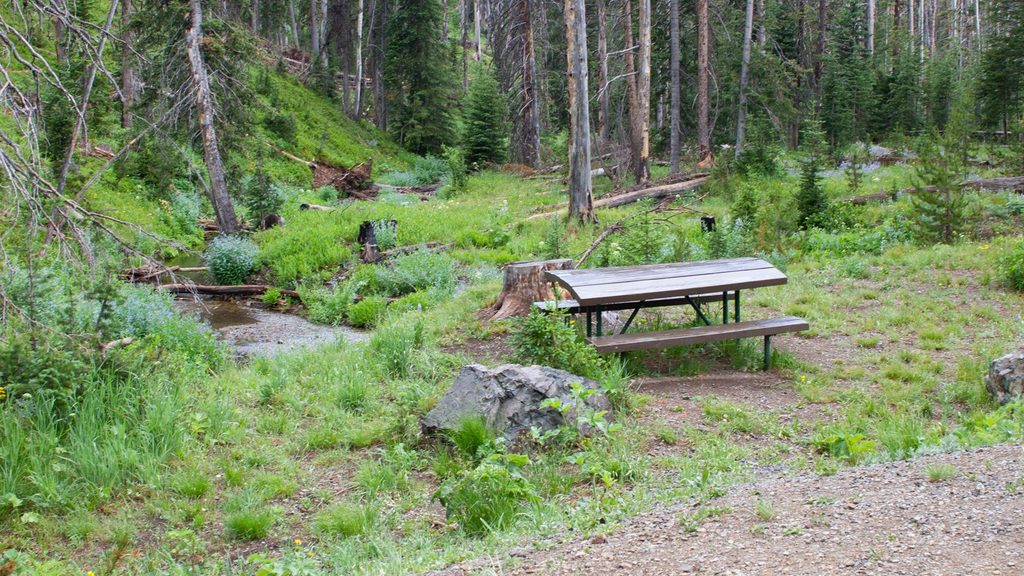
Place · 1.4 mi away
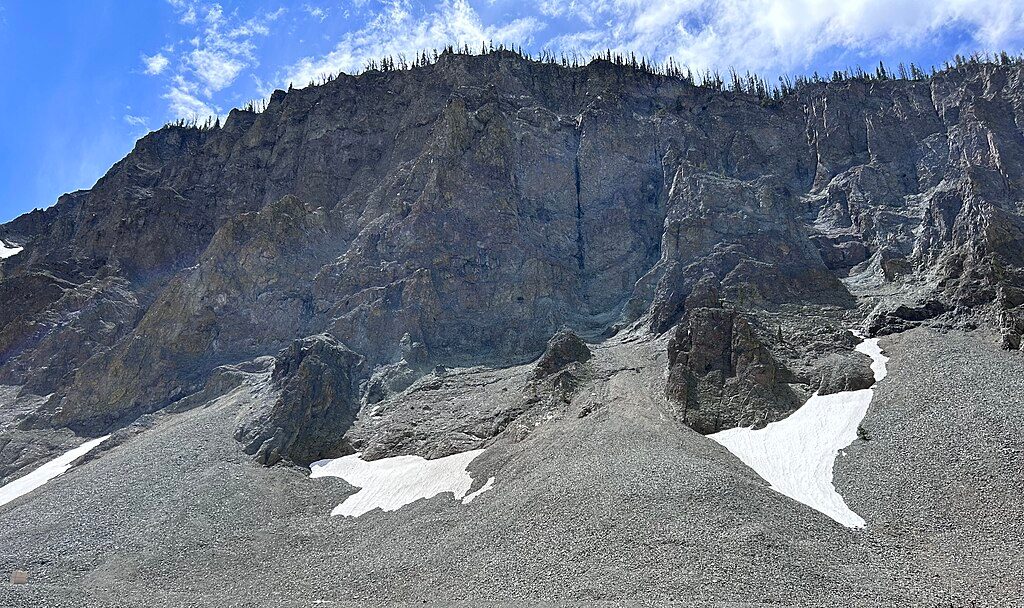
Place · 1.8 mi away
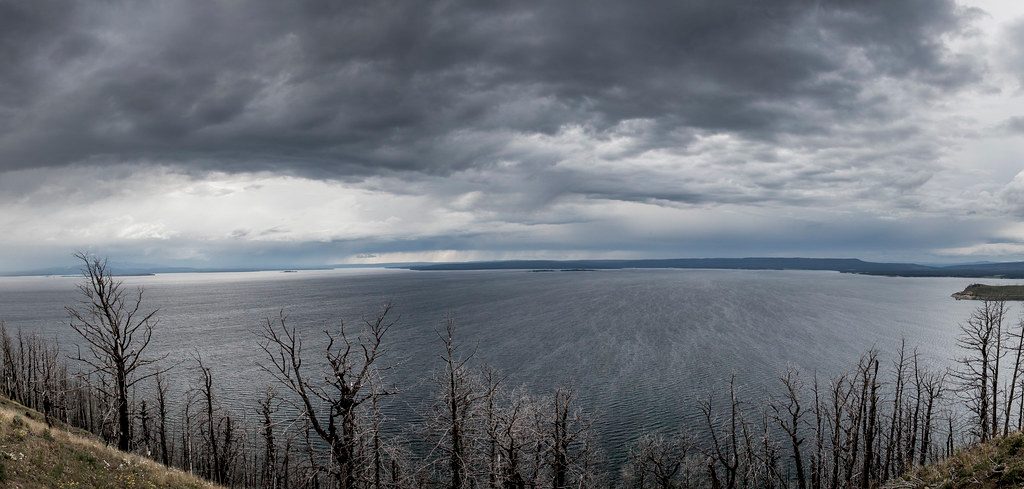
Place · 6.8 mi away
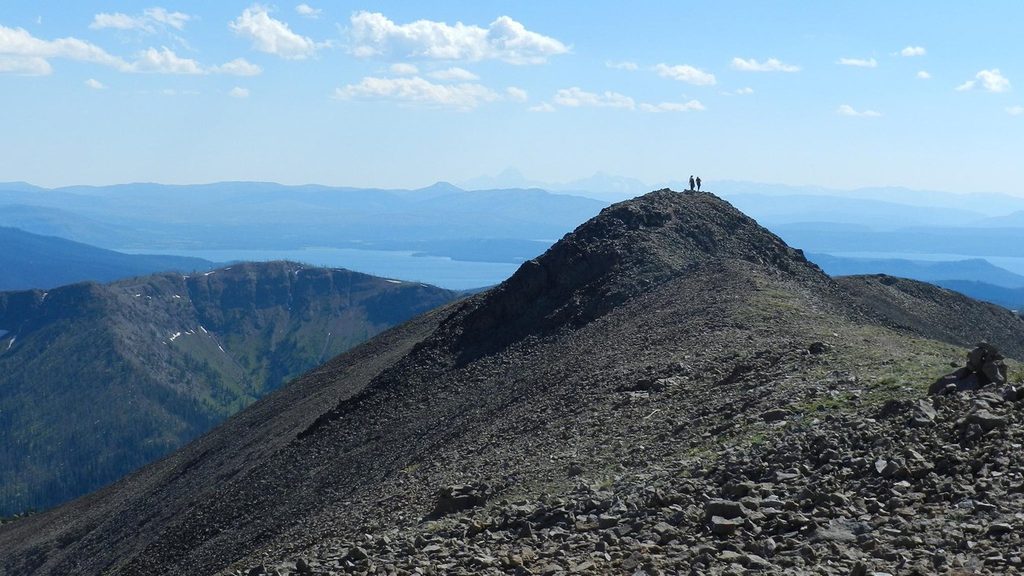
Challenging · 1.3 mi away
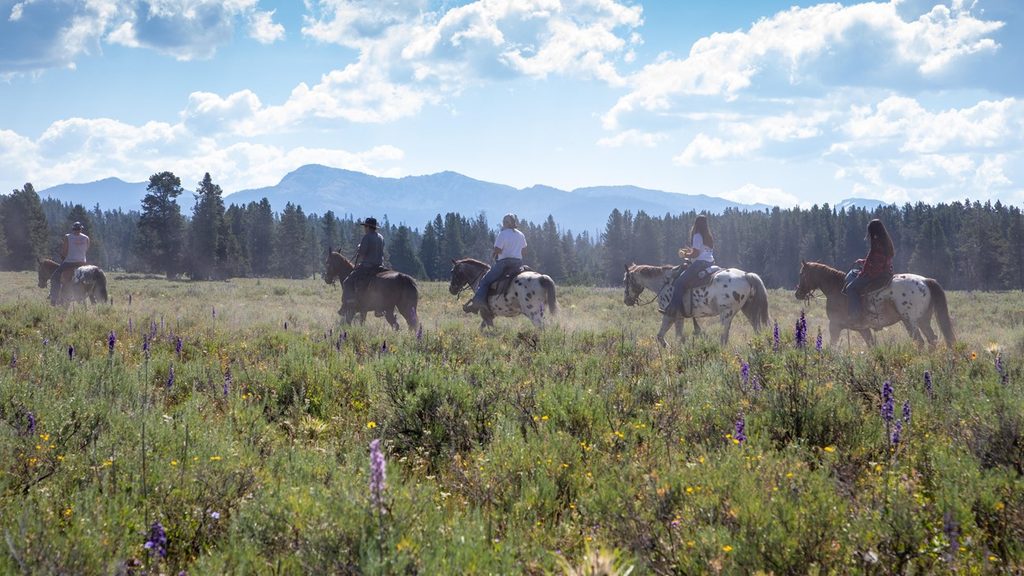
Moderate · 10 mi away
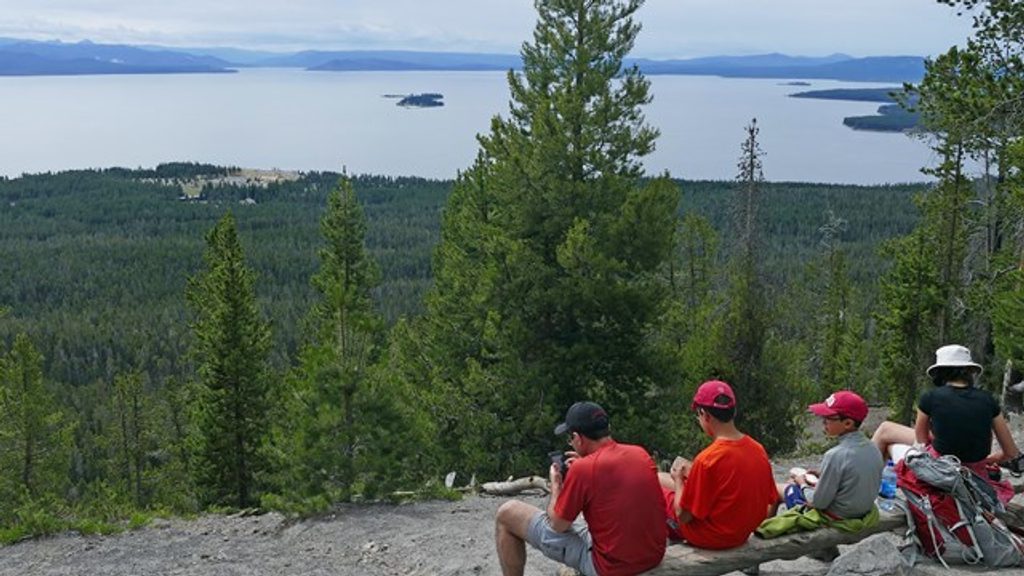
Easy · 10.3 mi away
Moderate · 10.3 mi away

Parkwolf Tour Guide
