Challenging

Avalanche Peak Trail

Short, steep grind to one of Yellowstone’s grandest 360-degree views
Avalanche Peak Trail, Yellowstone National Park
Distance4.6 mi
Typical time3.5 hr
DifficultyChallenging
PetsNot allowed

Overview

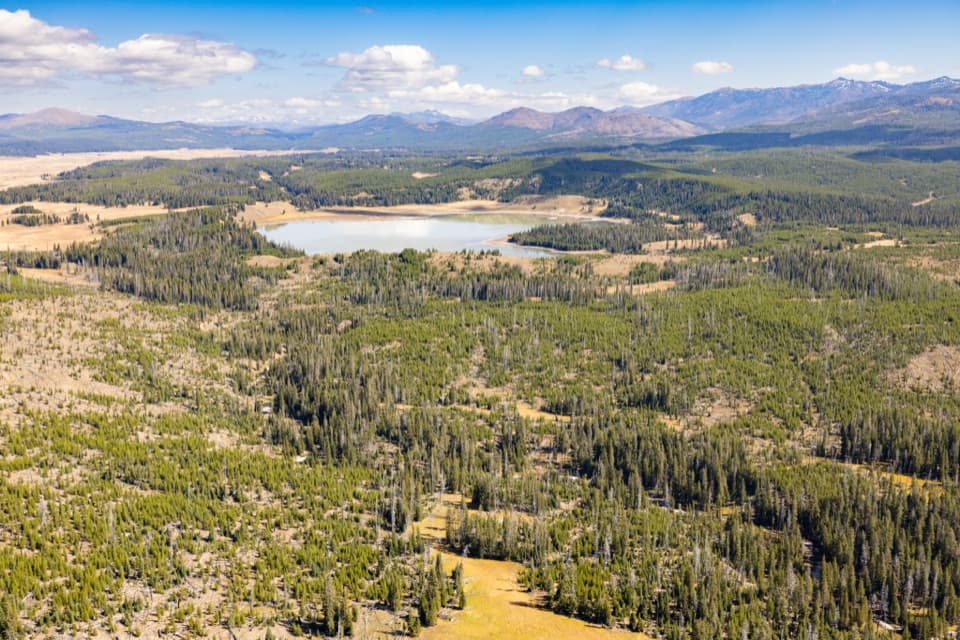
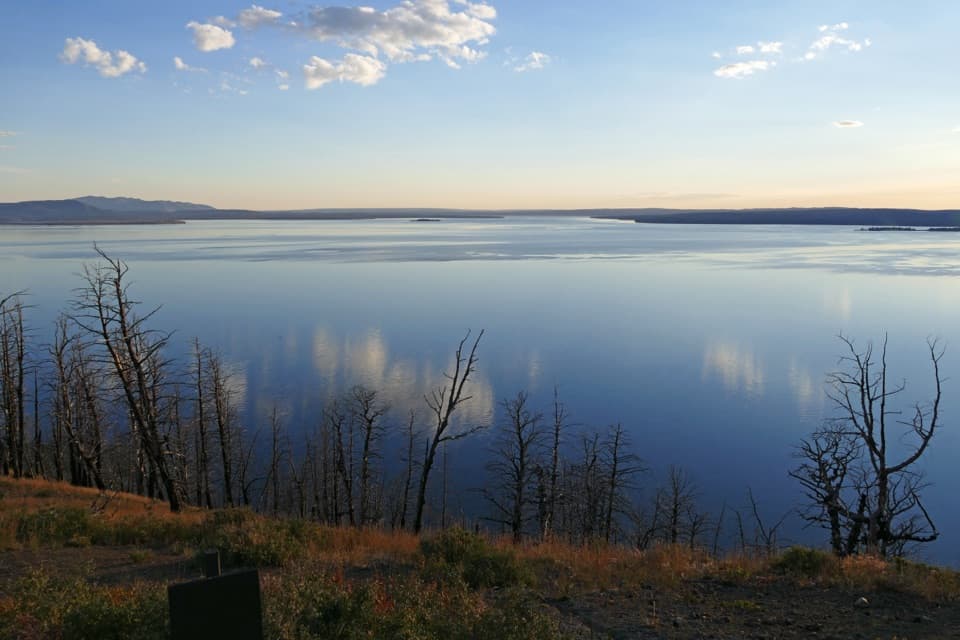
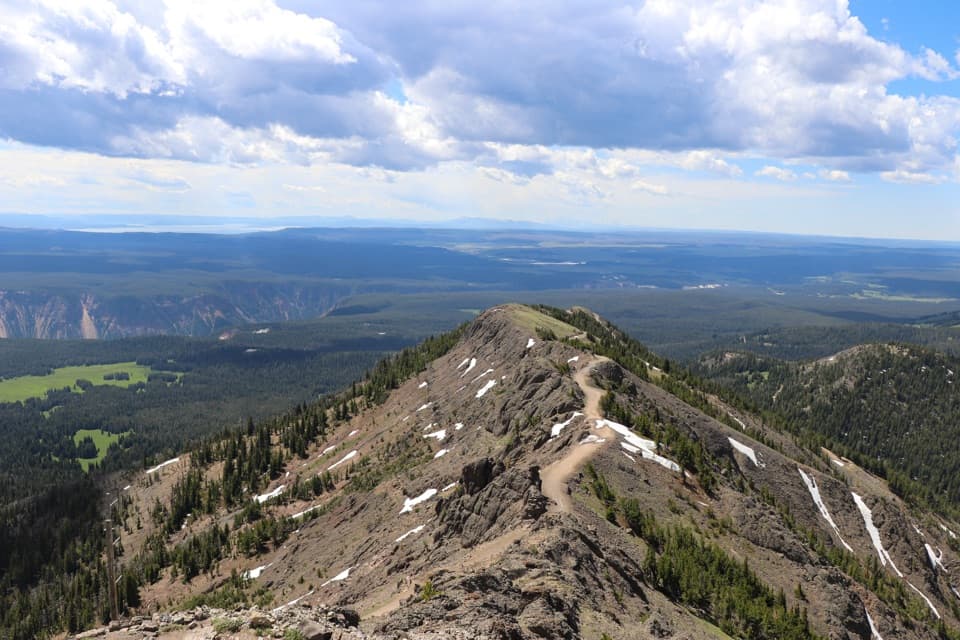
Avalanche Peak is a punchy alpine climb with a massive payoff: 360-degree summit views that sweep across Yellowstone Lake, the Absarokas, and—on crystal-clear days—the distant Tetons and Beartooths. It’s a strenuous out-and-back of roughly 4.5–4.6 miles total with about 2,070–2,100 feet of elevation gain. Expect a sustained, calf-burning grade from the first step and wind exposure near the top. If you like big scenery for relatively short mileage, this is your kind of grind.

Route Experience

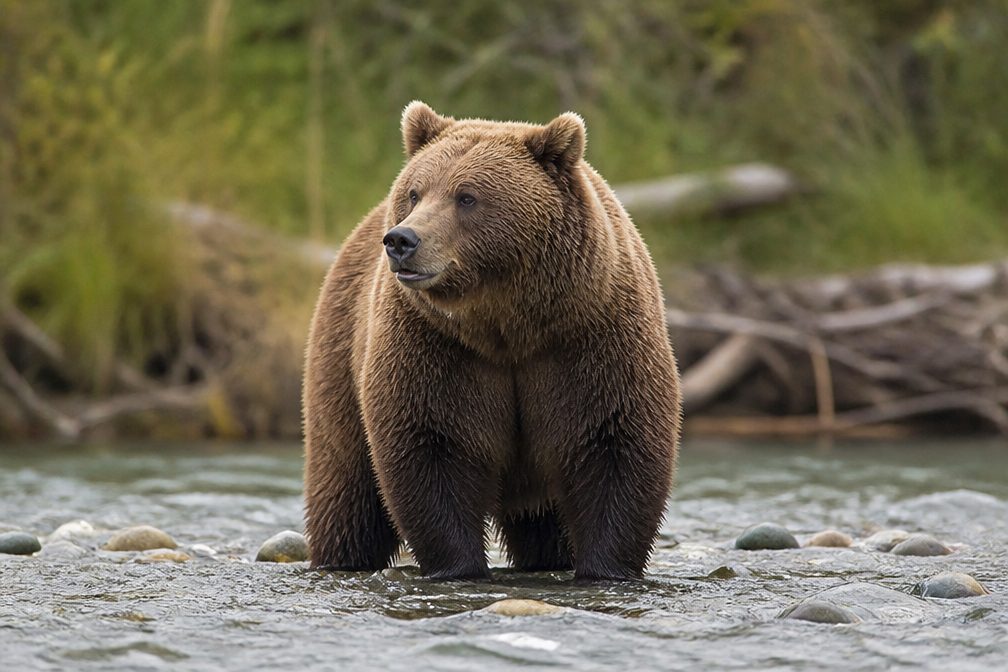
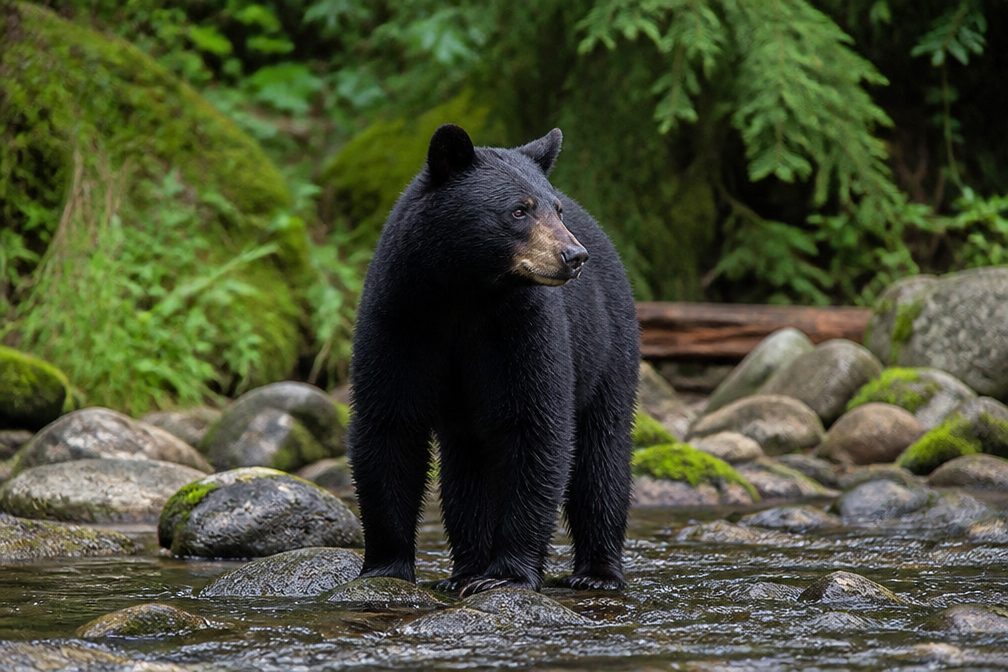
From a roadside pullout by Eleanor Lake, the trail starts across the road and climbs immediately through conifer forest. These woods include whitebark pine—prime grizzly habitat in fall—so make noise and stay alert. Around 1.2 miles you break into a broad bowl beneath the peak, with a brief respite before the climb resumes on steeper, rockier slopes. About 1.7 miles in, the trail reaches a large meadow, and the path toward the summit becomes obvious.

Higher up, footing gets looser (talus/scree) and the exposure increases. There’s a false summit around 2.2–2.3 miles with stellar views; the true high point is a short, airy push beyond. The final ridge is narrow, often windy, and demands attention—cross with caution and return the same way.

Conditions and Best Times

Snow and ice commonly linger into early July; early-season hikers often benefit from light traction for firm morning snow or icy patches. Above treeline, thunderstorms are a real hazard—start early, watch the sky, and bail if weather builds. It can be cold and blustery on the ridge even in mid-summer. Due to grizzly activity feeding on whitebark pine, this hike is not recommended in September–October; closures can occur.

Safety, Gear, and Fitness

This trail is steep, sustained, and high-elevation. Many hikers consider it a “butt-kicker.” Carry bear spray (accessible), hike in a group, and be extra vigilant in the timber near Sylvan Pass. Trekking poles help both up and down on the loose, gravelly sections. Pack warm layers, a waterproof shell, hat and gloves, sun protection, and 2–3 liters of water. Know altitude sickness symptoms and don’t force the summit if you’re feeling off. Burned trees in the area can fall—avoid lingering under snags in wind.

Navigation Tips

The route is straightforward out-and-back, but a few junction nuances matter. Near treeline there’s a right turn that avoids an overly steep fall-line path; higher up, another right wraps around the mountain—note this spot for your descent. Near the ridge, two options rejoin on top (the left line tends to be a touch more gradual). Unofficial loop variations drop east into Shoshone National Forest; unless you’re very experienced and prepared, stick to the standard out-and-back.

Crowd and Parking

Parking is a small roadside pullout at Eleanor Lake that fills quickly on busy days. Arrive early (think 6–8 am) for a spot, calmer winds, and better odds of beating afternoon storms.

Pros

  • Huge summit panorama for relatively short mileage
  • Quick access to a true alpine ridge experience

Cons

  • Narrow, windy ridge with exposure and loose talus near the top
  • High grizzly activity in fall; not recommended in Sept–Oct

Parking

Small roadside pullout at Eleanor Lake (19 miles east of Fishing Bridge Junction or 8 miles west of the East Entrance on US-14/16/20). The trail begins across the road from the pullout.

Caution

Steep, sustained climb with loose rock and exposed, windy ridge near the summit; thunderstorms and lightning above treeline; lingering snow/ice into early July; grizzly bears common in fall—carry bear spray and consider avoiding Sept–Oct; burned trees may fall in wind; altitude can affect hikers.

The Parkwolf tour guide sitting on a phone mounted in a car

Parkwolf Tour Guide

Like a tour guide in your car.

Bring Yellowstone trail research into the car, with offline maps and stories that play as you drive.Download Parkwolf on the App Store