
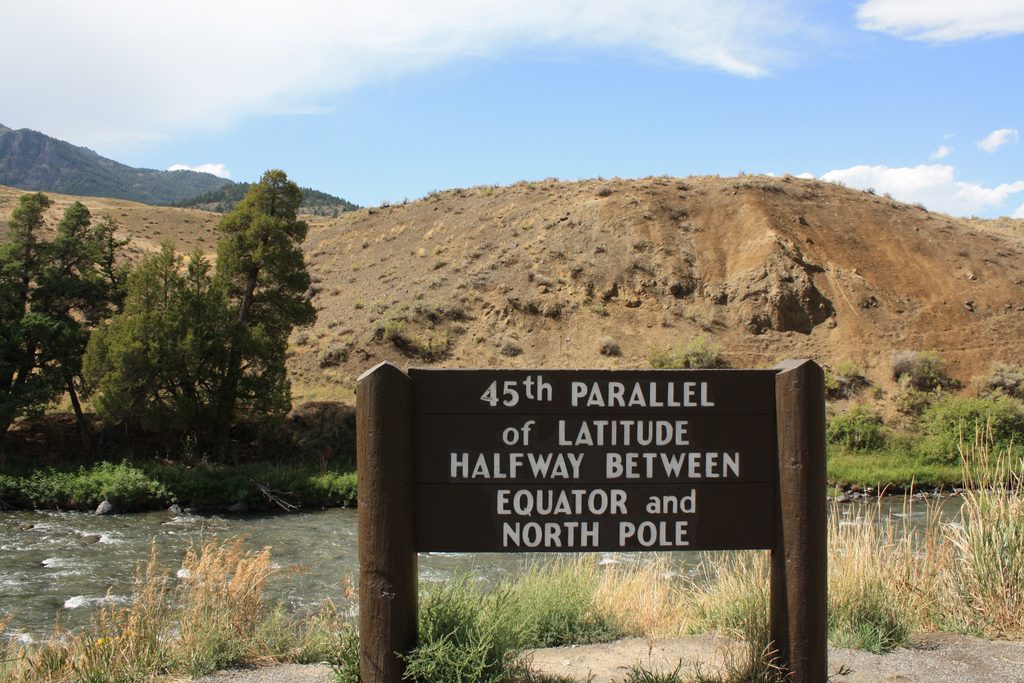
Place · 0.6 mi away
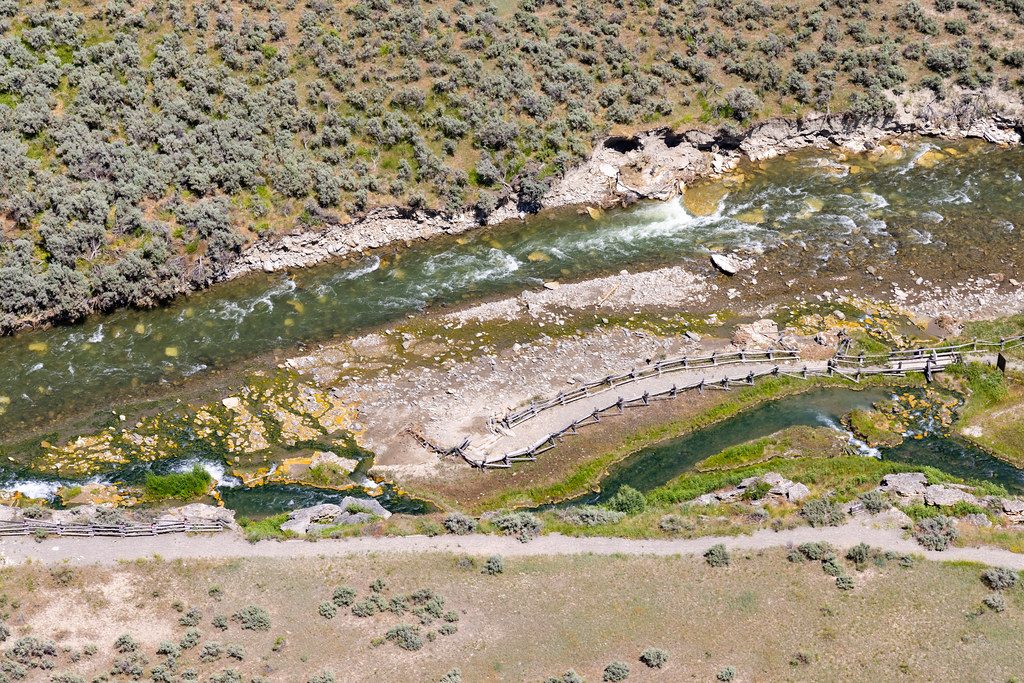
Boiling River is (or rather, was) Yellowstone’s beloved natural soak, where hot water from Mammoth Hot Springs mixed with the cold Gardiner River to create warm pockets you could sit in. It’s currently closed to swimming due to 2022 flood damage, and there’s no announced reopening timeline. When it was open, finding the just-right blend of hot and cold made it a memorable stop.
Expect shallow, often knee‑deep water with constantly shifting temperatures and currents. Move slowly to test the heat—some vents are scalding. The riverbed is rocky and slick; sturdy water shoes or strapped sandals make a big difference. Midday in summer was typically crowded; early mornings or later in the day felt calmer.
It sits near the North Entrance between Gardiner and Mammoth Hot Springs, with two small roadside lots and a short riverside path (about 0.5 mile each way). There’s a simple restroom at the trailhead and a few benches near the river. Space is limited and fills fast at peak times.
When open, the area closed at dark and alcohol wasn’t allowed. There are no lifeguards. Avoid submerging your head or swallowing water. Currents can be swift, rocks are slippery, and hot vents can burn—test carefully and supervise kids closely. Note that an invasive snail (red‑rimmed melania) has been found here.
Historically, high spring runoff often forced seasonal closures; otherwise it was a daylight‑hours experience. After the 2022 floods, the site remains closed to soaking with no date to reopen. If you’re building an itinerary, verify status before committing time. As an alternative, the Firehole Swim Area has been a designated summer swim spot, though it can also close due to water levels and is noted as closed for the 2025 season.
The first ~50 yards of the compacted-soil trail were accessible, but beyond that the surface turned rocky and uneven with short steep grades.
If it reopens, aim for early morning or late afternoon for lighter crowds and easier parking. Peak summer afternoons were busiest; spring runoff often meant closures. Plan for daylight hours only.
Place · 0.6 mi away
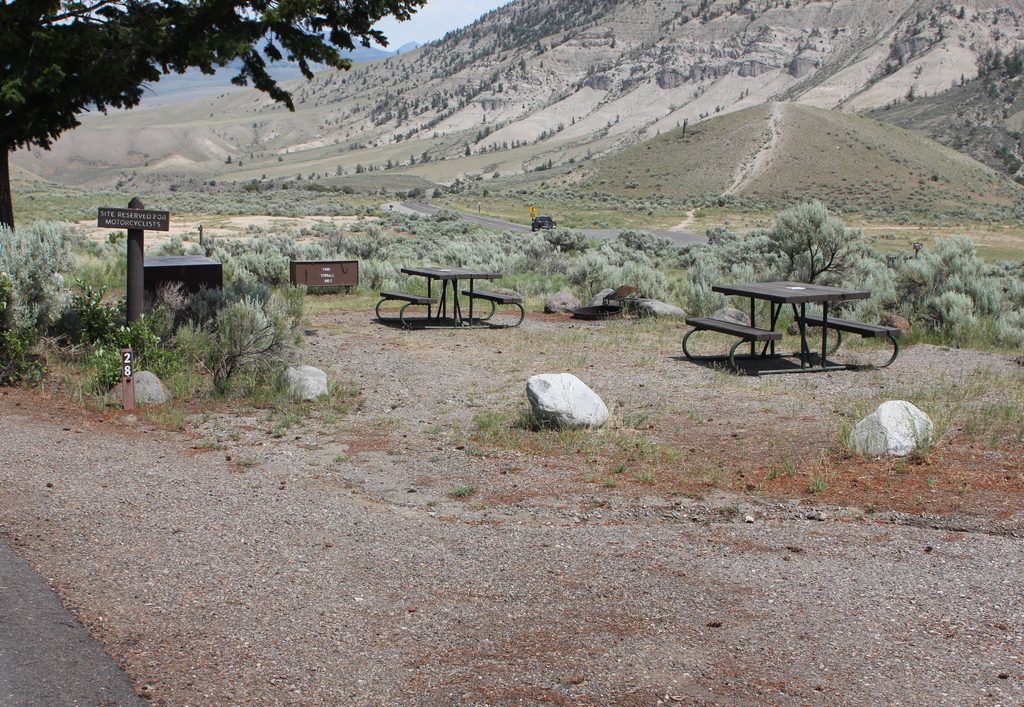
Place · 0.7 mi away
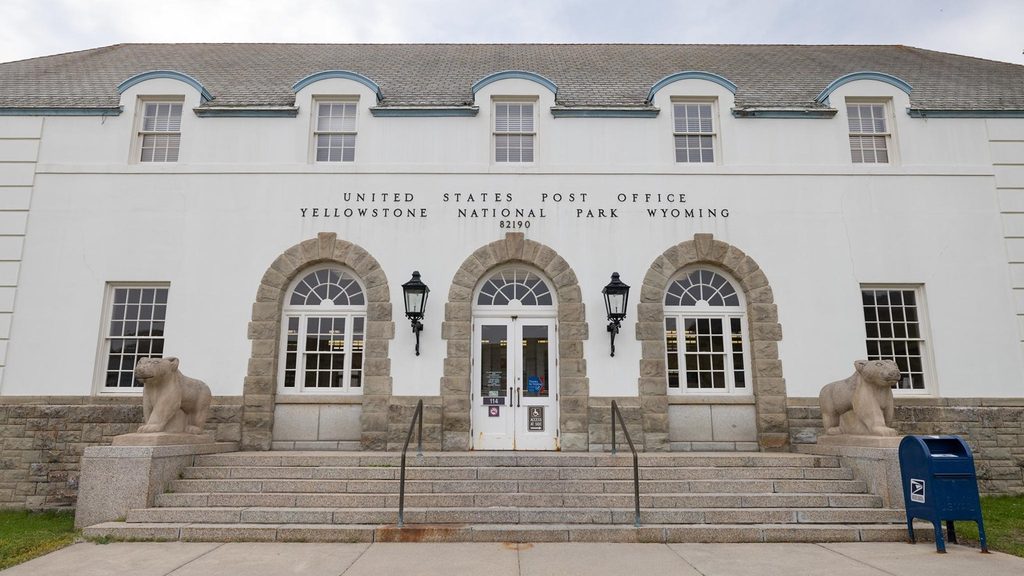
Place · 0.7 mi away
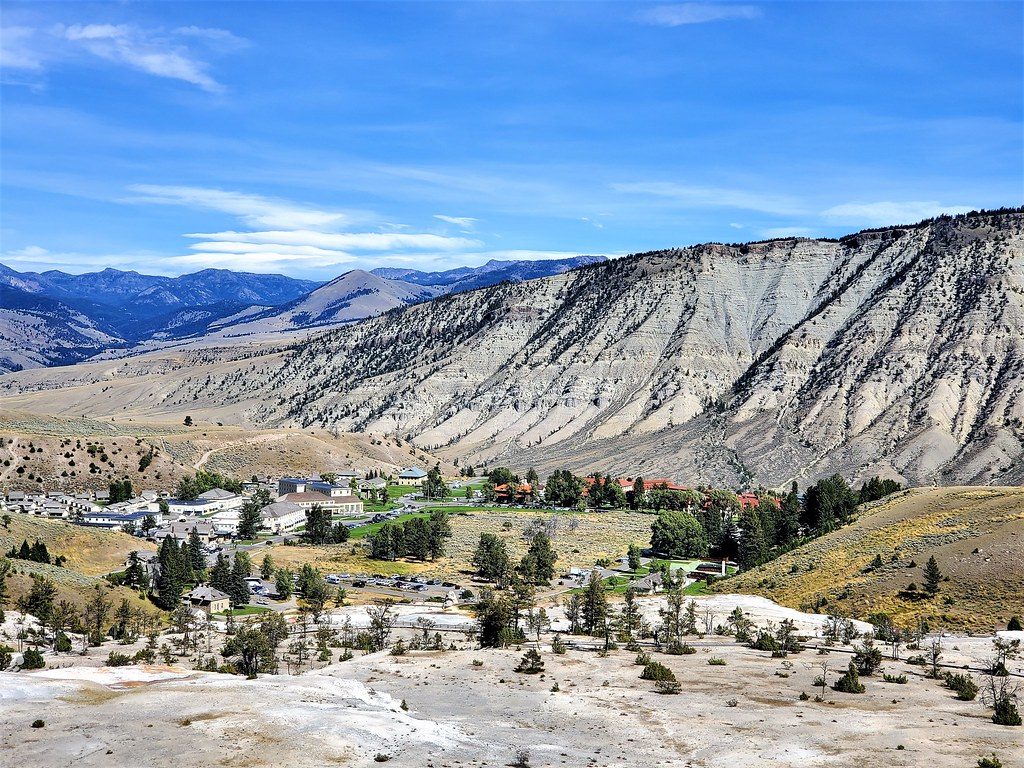
Place · 0.8 mi away
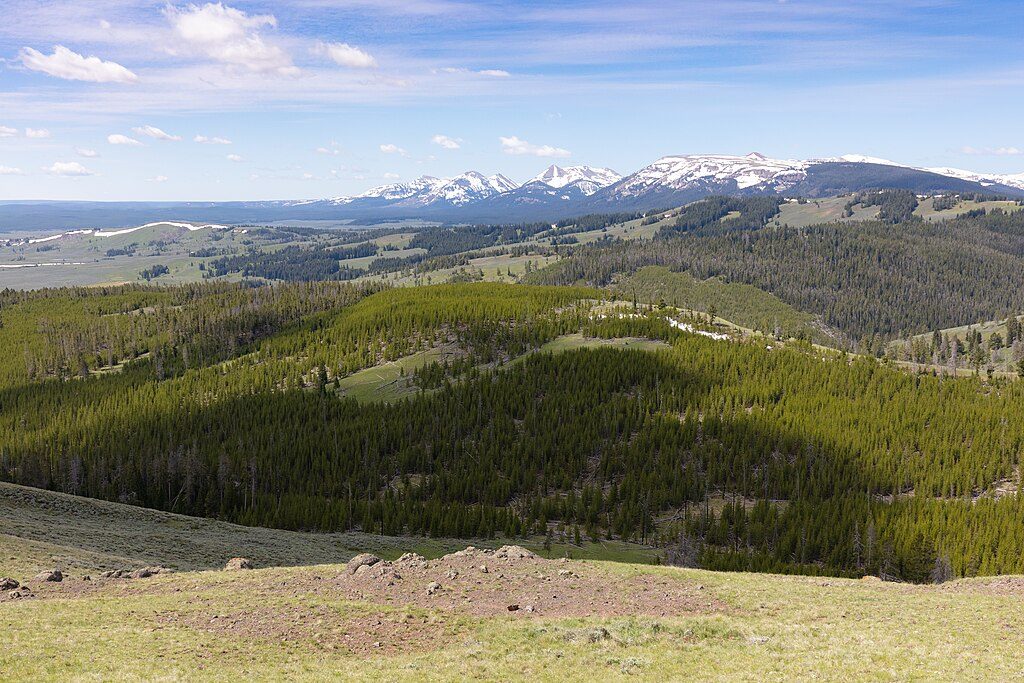
Challenging · 1.1 mi away
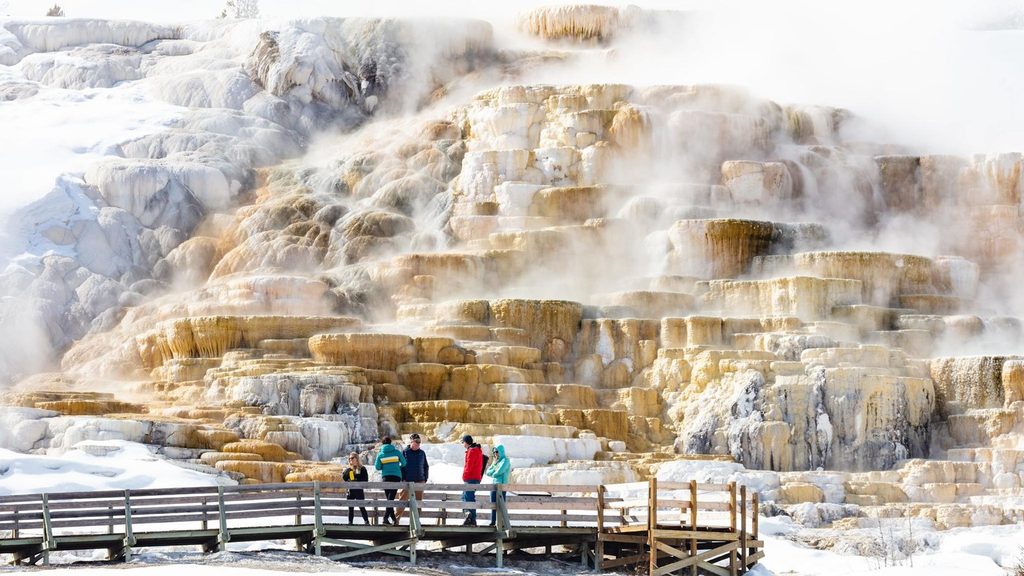
Easy · 1.1 mi away
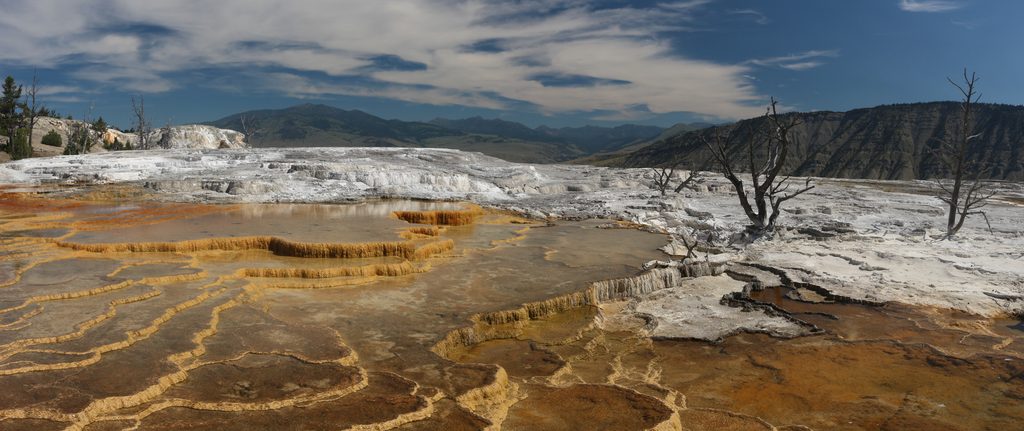
Easy · 1.1 mi away
Moderate · 1.1 mi away

Parkwolf Tour Guide
