Place · 0.1 mi away

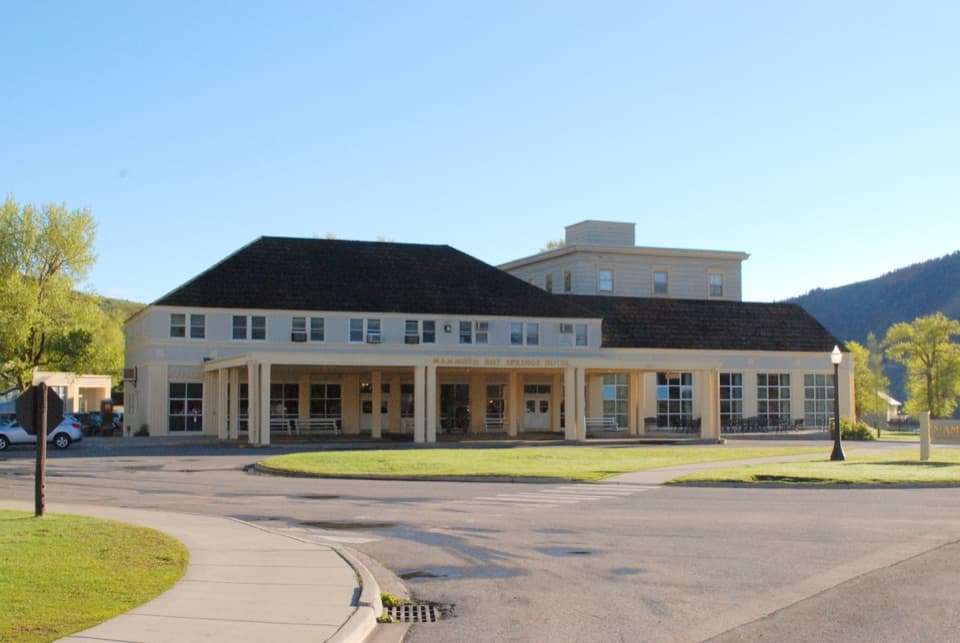
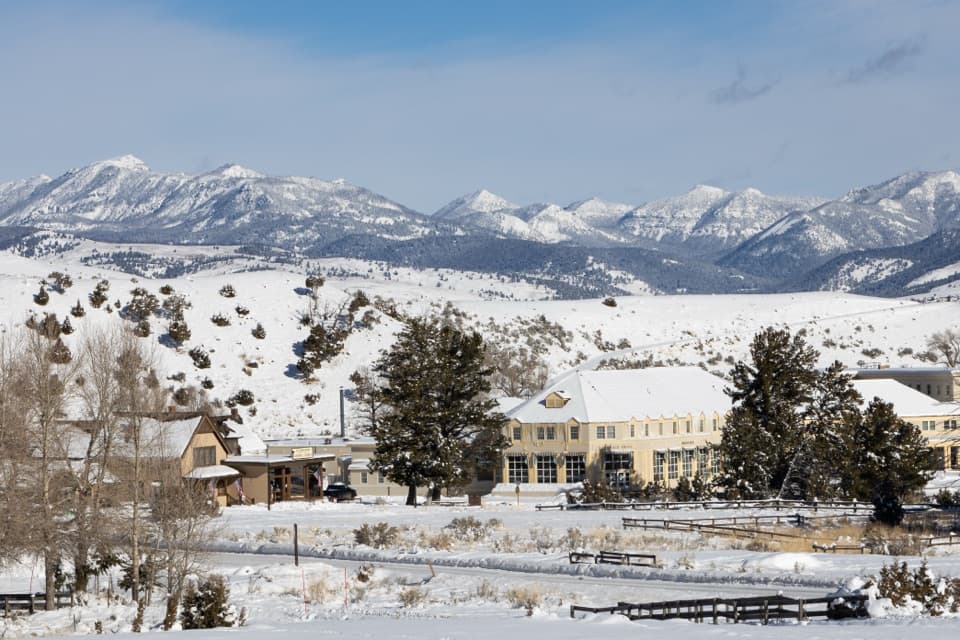
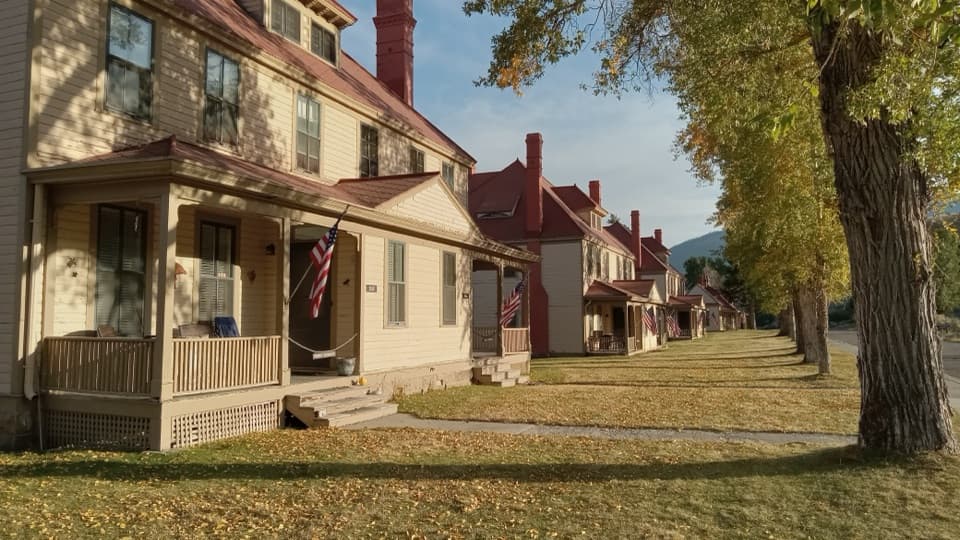
Fort Yellowstone anchors the Mammoth Hot Springs Historic District—a compact, walkable Army post established in 1891 to protect the park when civilian oversight was failing. The Army ran Yellowstone until 1918; today, the historic buildings house park headquarters and the Horace Albright Visitor Center.
This is where modern national park management took shape. The Army pioneered backcountry patrols, wildlife protection, and the ranger ethos that the National Park Service later adopted. You’re not just looking at pretty buildings—you’re standing at the birthplace of park stewardship.
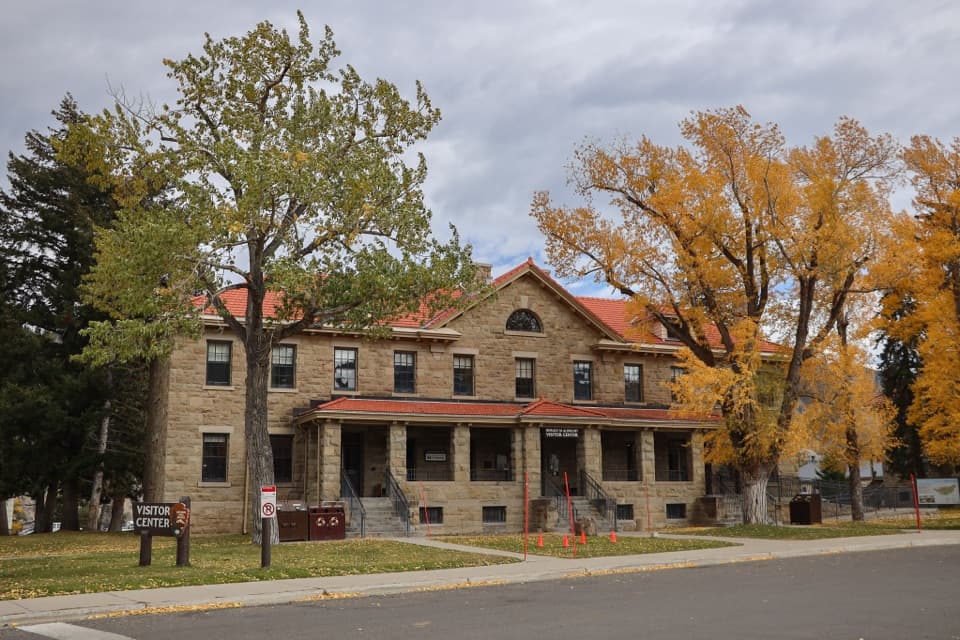
Start at the Horace Albright Visitor Center (the former Bachelor Officers’ Quarters) for context and exhibits, then loop the parade ground and Officers’ Row. You’ll pass early wood-frame “cottage style” structures and, from the 1908–1913 buildout, the hallmark locally quarried sandstone buildings that define the fort’s look. About 35 historic structures from the 1890s and early 1900s remain, forming a National Historic Landmark District.
After funds arrived in 1890, the first permanent buildings went up in 1891—guardhouse, barracks, stables, officers’ quarters, and more. A major expansion followed in 1897, then another in 1909 with seven large sandstone buildings (including today’s visitor center). By 1910, more than 300 soldiers and support staff were stationed here. When the National Park Service took over in 1918, the fort seamlessly became park headquarters.
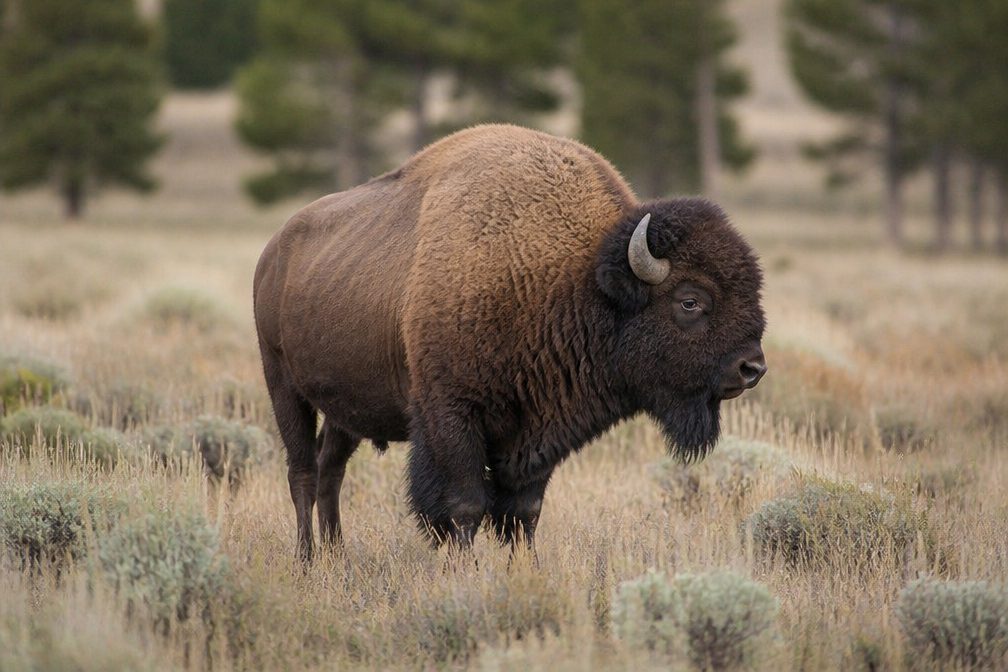
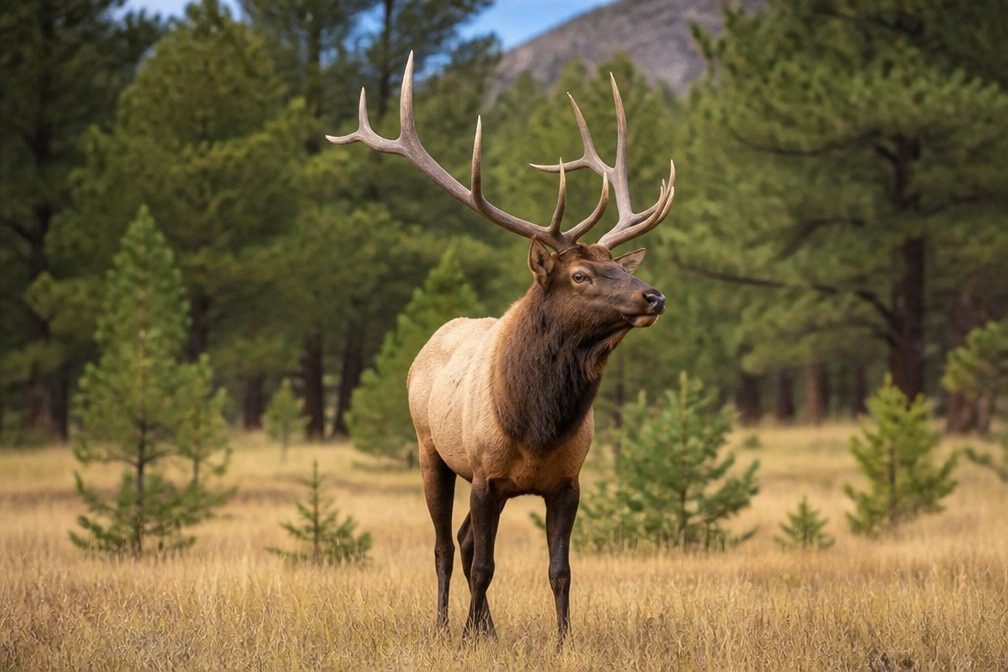
Elk and bison frequently move through Mammoth’s lawns and streets. Enjoy them from a distance, use pullouts, and follow ranger direction—animals have the right of way here.
Use the Albright Visitor Center and the surrounding Mammoth Hot Springs area for restrooms, information, and parking. Picnic spots are in the broader Mammoth area rather than inside the core cluster of historic buildings. Expect limited cell/Wi‑Fi; check onsite signs for current services.
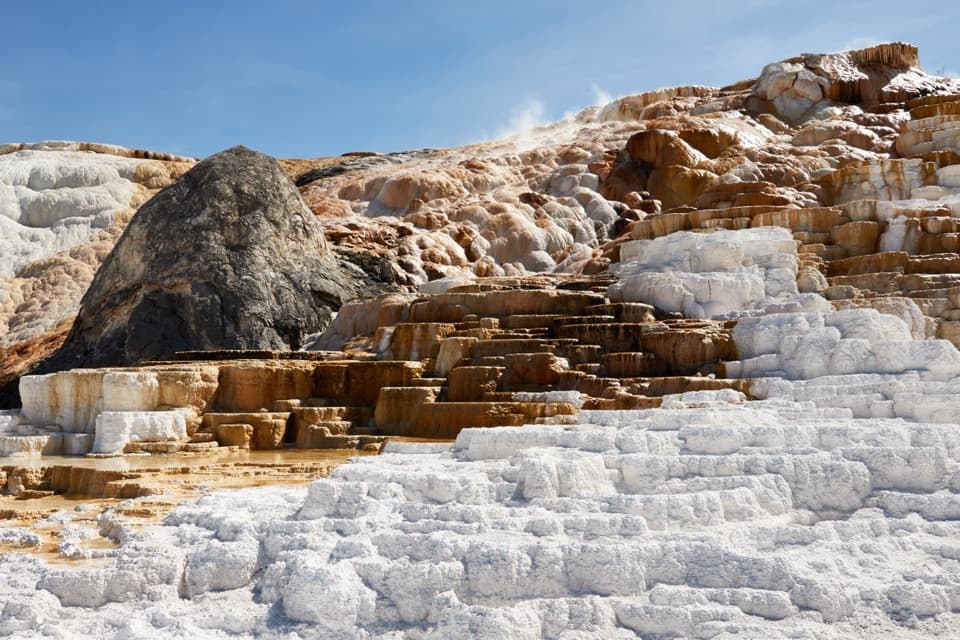
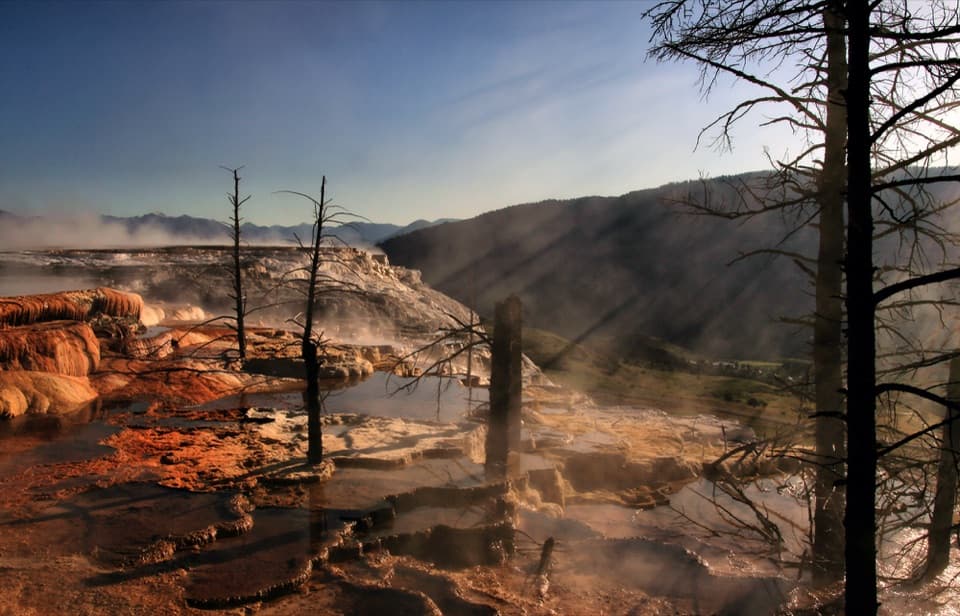
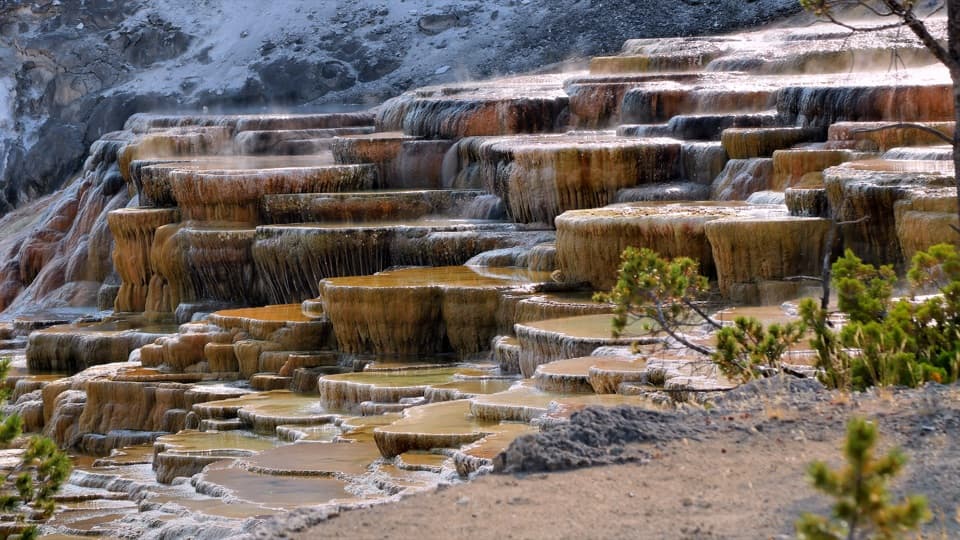
Mornings before about 10am or late afternoons are the calmest and offer softer light on the sandstone. Midday in peak season sees fuller lots around Mammoth. If you have extra time, pair your stroll with the nearby Mammoth Hot Springs terraces for a history-plus-geology combo.