
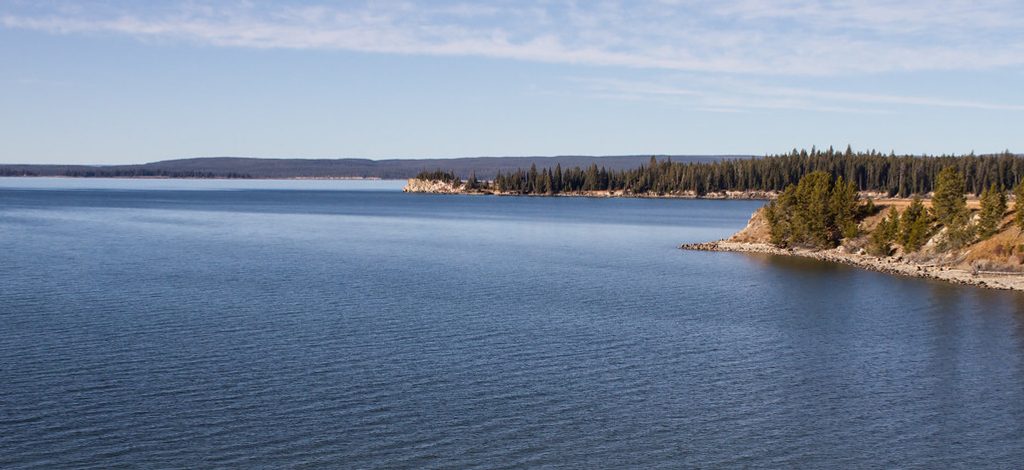
Place · 0.8 mi away
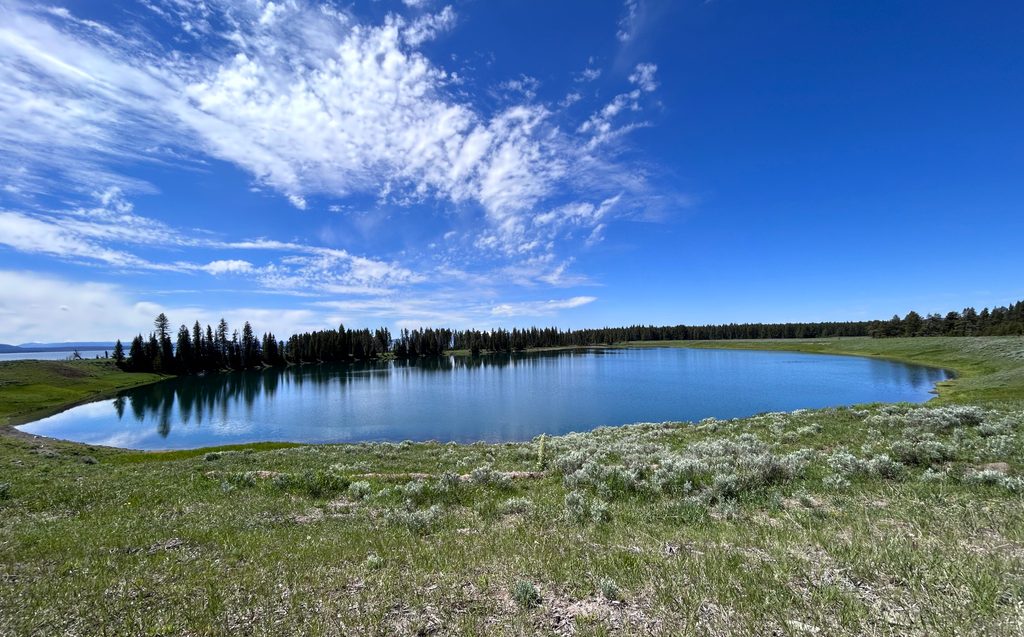
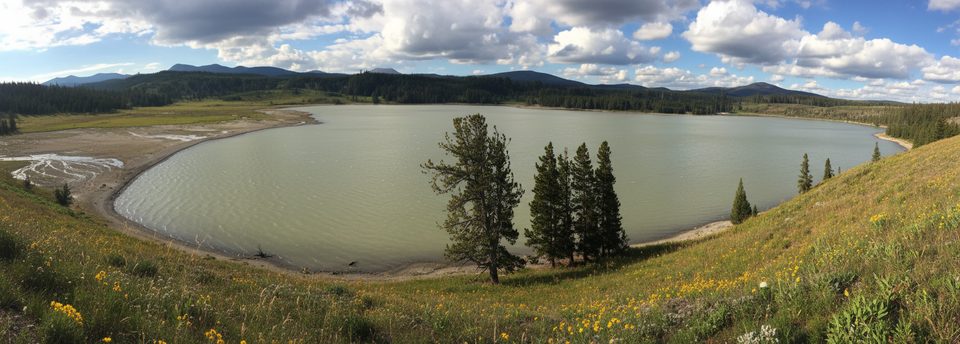
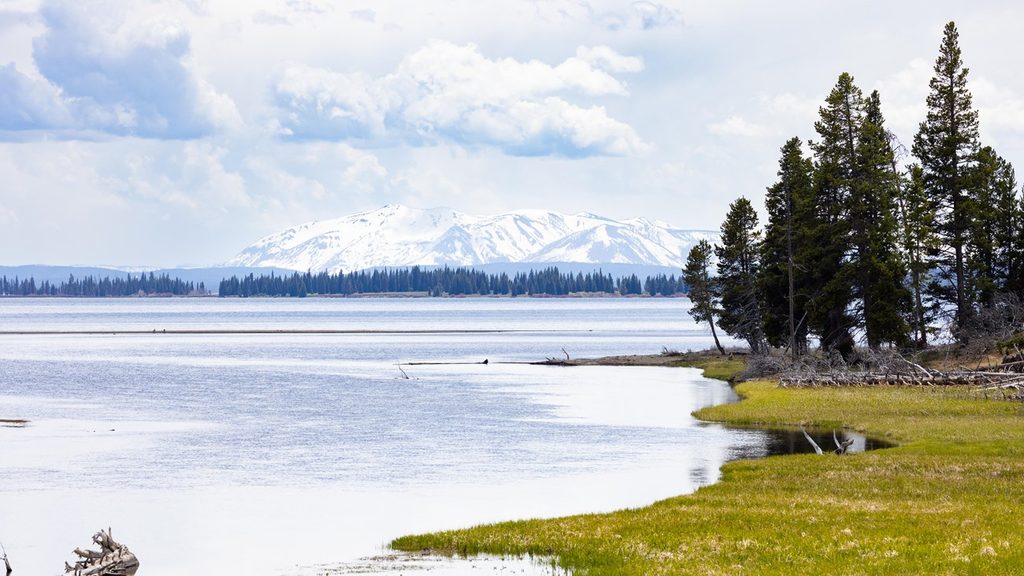
Indian Pond is a small, tranquil water body along the East Entrance Road between Fishing Bridge and Mary Bay. It sits just inland from Yellowstone Lake and makes a mellow stop with big‑sky views and easy walking right from the roadside pullout.
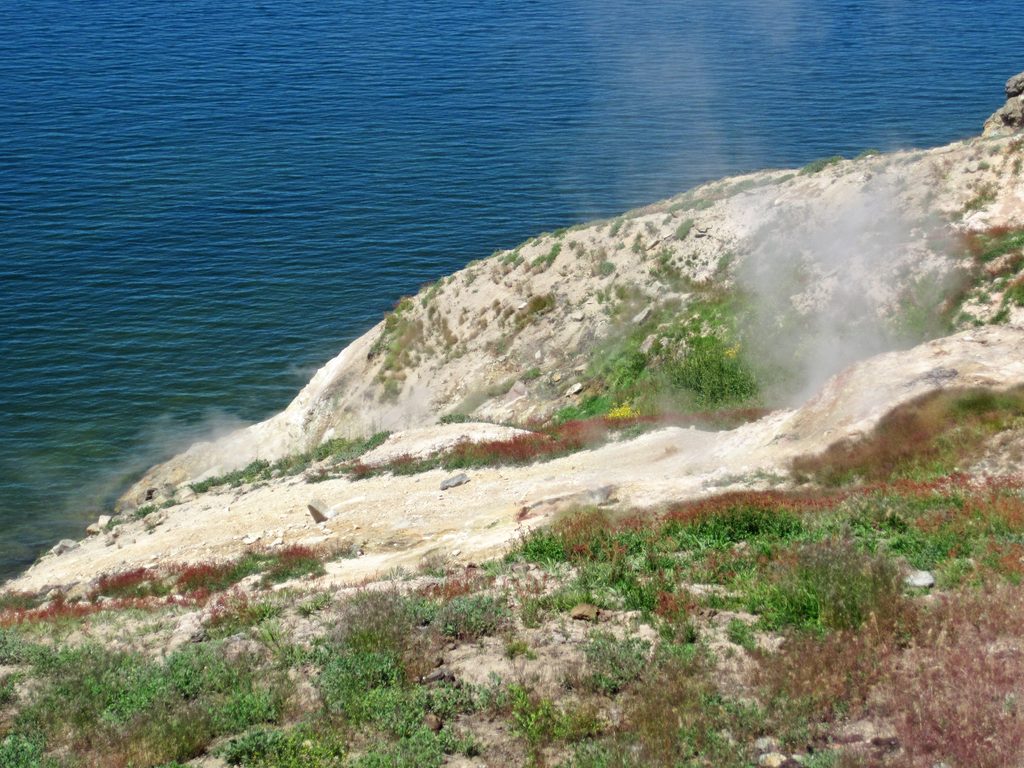
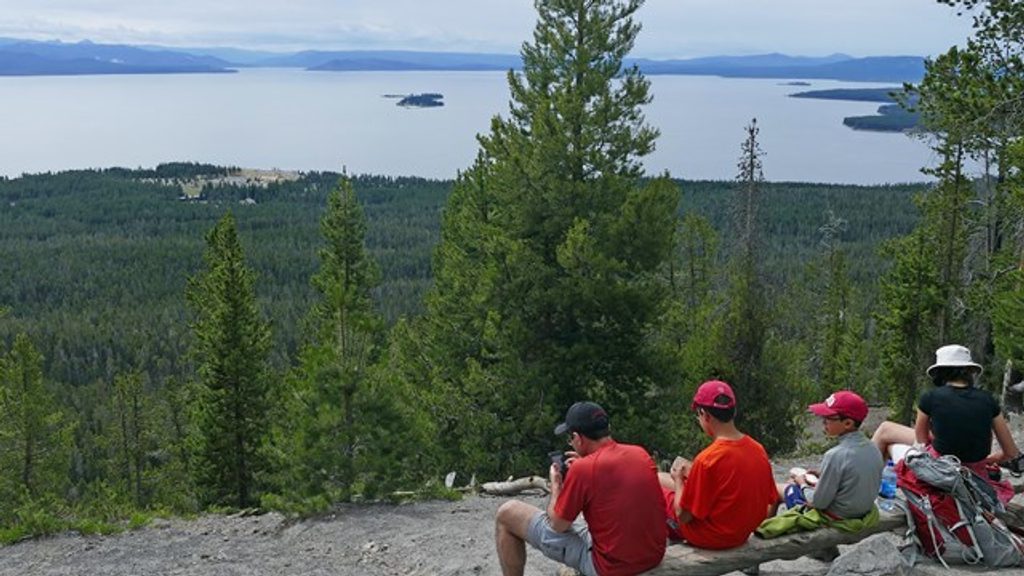
Expect open meadows, lodgepole forest, and broad lakeshore scenery. The loop that starts here skirts Indian Pond before reaching windswept Storm Point on the shore of Yellowstone Lake. Keep an eye near the rocks at the point—a large yellow‑bellied marmot colony is a crowd favorite. Bison sometimes graze in adjacent fields.
From the Indian Pond pullout, the Storm Point Trail forms an easy, ~2.3‑mile loop with minimal elevation change. It traces the edge of Indian Pond, ducks into forest, then emerges at Storm Point for panoramic lake views before looping back through the trees to the start.
There’s a roadside restroom at the Indian Pond–Storm Point Trailhead and a signed pullout/parking area. If you’re looking to linger over lunch, use one of the designated picnic areas nearby along the same lakeshore corridor, such as Sedge Bay or Steamboat Point (picnic tables aren’t indicated at the trailhead itself).
Indian Pond is fishable, but you’ll need a Yellowstone National Park fishing permit. All watercraft (including float tubes and SUPs) require aquatic invasive species inspection, and felt‑soled waders are prohibited.
This trail is often closed in late spring and early summer due to bear activity—check status at the Fishing Bridge Visitor Center before hiking. Hike in groups, make noise, carry bear spray, and follow wildlife distance rules: 100 yards from bears and wolves; 25 yards from other wildlife. Also, GPS can be unreliable in the park—use official park maps for navigation.
Wind can whip across Storm Point, so early morning or late afternoon often brings calmer air and better wildlife viewing. For lighter foot traffic, midweek late mornings to early afternoons are typically the quietest. As always, closures trump timing—verify trail status the day of your visit.
Place · 0.8 mi away
Place · 2.1 mi away
Place · 2.2 mi away
Place · 2.4 mi away
Easy · 0.1 mi away
Moderate · 0.1 mi away
Moderate · 0.3 mi away
Easy · 1.8 mi away

Parkwolf Tour Guide
