
Place · 0.8 mi away
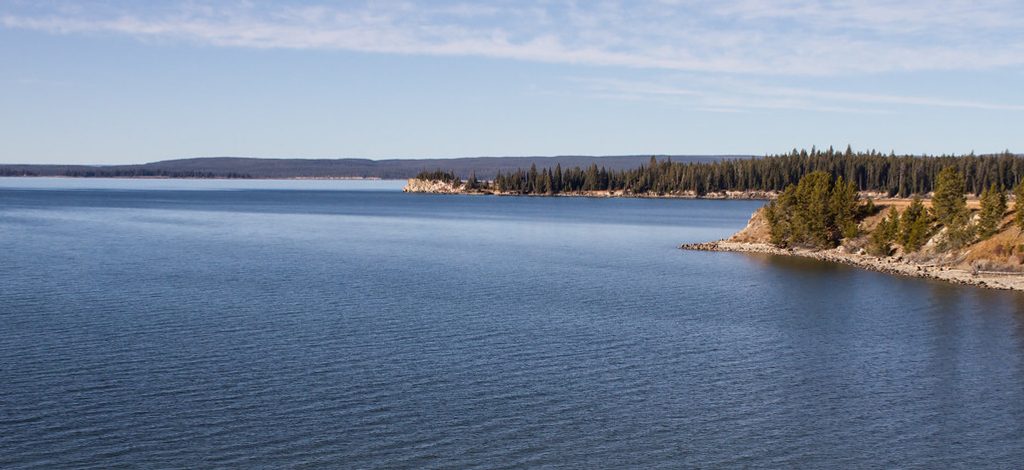
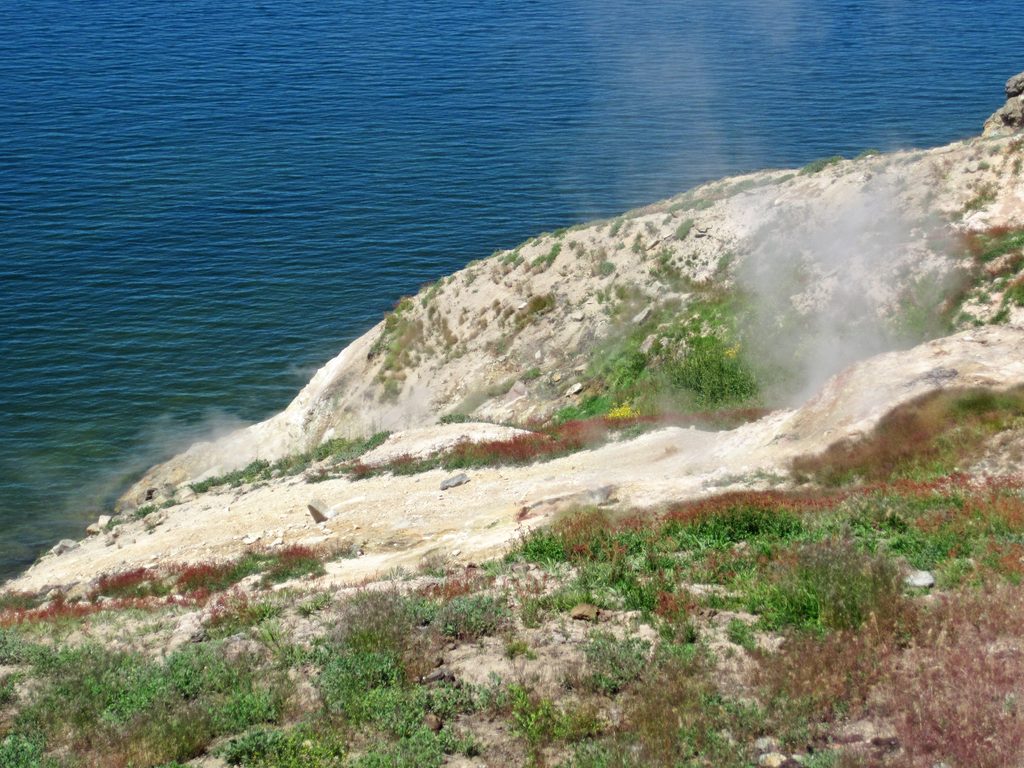
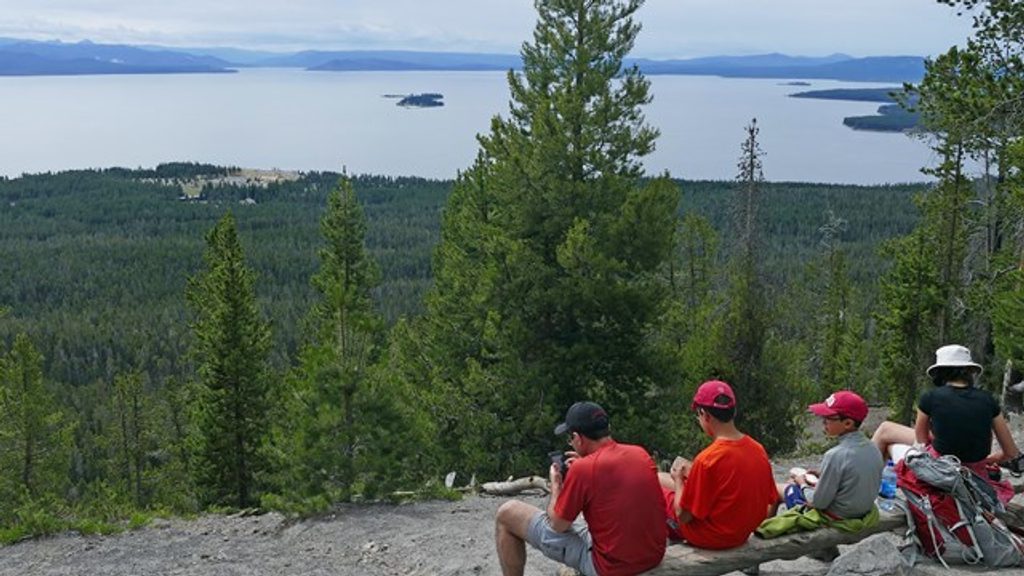
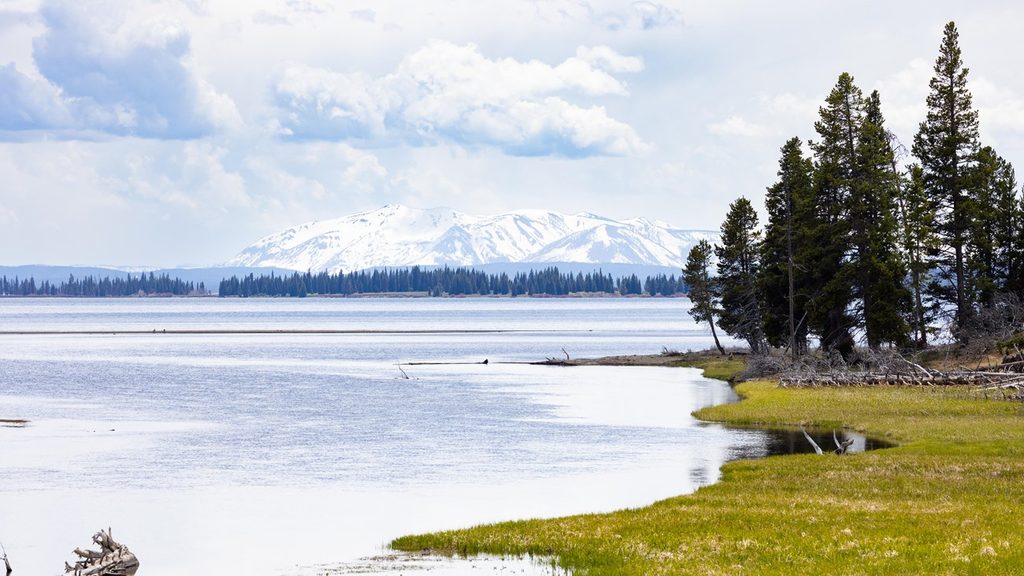
Storm Point is a scenic, rocky headland on the north shore of Yellowstone Lake, reached by an easy 2–2.6 mile loop. It’s a choose-your-own-pace kind of outing: big-water vistas, gentle terrain, and a nice mix of open meadow, lodgepole forest, sandy lakeshore, and shoreline bluffs. It feels calmer than Yellowstone’s boardwalk hot spots, yet still delivers that wide‑open, wild Yellowstone vibe.
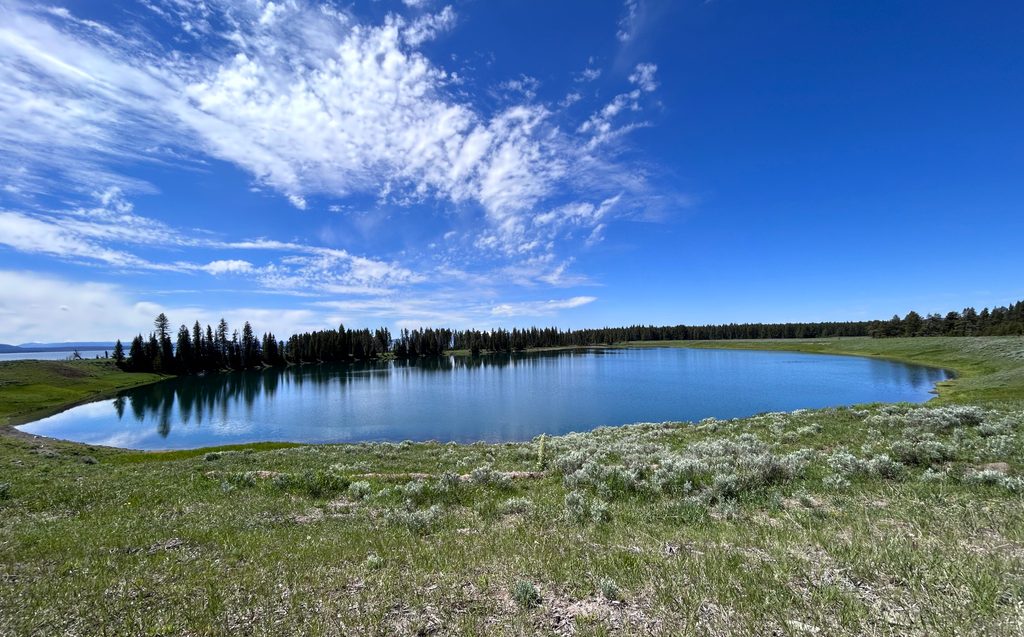
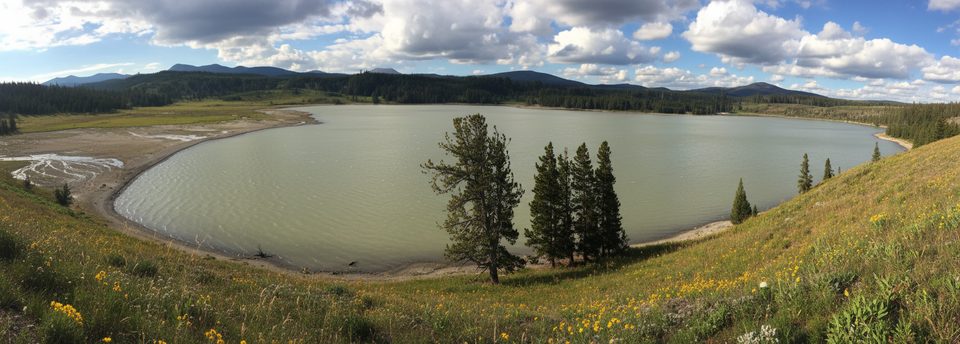
Start from the Indian Pond pullout, about 3 miles east of Fishing Bridge. The path crosses meadow and skirts Indian Pond before entering forest. Around a half-mile in, you hit a loop junction—heading left gets you to Storm Point most directly. The point sits roughly a mile from the trailhead. From there, you can return the way you came or continue the loop along the quieter lakeshore before bending back through forest to close the circuit. Expect mostly level terrain with just a touch of sandy footing near the lake.
The payoff is at the namesake point: waves, wind, and sweeping views across Yellowstone Lake from a low, rocky bluff. On the approach and return, you’ll alternate between tranquil forest and open meadows bordering Indian Pond. It’s simple but varied—great for families or anyone needing a palate‑cleansing break between geothermal sights.
Yellow‑bellied marmots commonly lounge on the rocks near the point, and bison often graze around Indian Pond. Elk are possible too. Give all wildlife a wide berth (25 yards for most animals; 100 yards for bears and wolves) and keep food secured.
This is bear country—carry bear spray and hike in groups when you can. The headland is exposed, and weather can flip from sunny to stormy in minutes; bring a wind layer and retreat from the point if lightning threatens. In late spring or early summer, the trail may close for bear activity. At times a small footbridge on the loop has been reported out, which can turn the hike into an out‑and‑back; obey any posted closures.
Parking is at the Indian Pond pullout. There’s a vault toilet by the trailhead, but no potable water or picnic tables—pack water and snacks and pack out all trash.
Mornings and late afternoons offer softer light on the lake, fewer people, and calmer winds. Midday can be bright, windy, and buggy, especially in early summer. Shoulder seasons are lovely when the trail is open, but always check for wildlife-related closures before you go.
Place · 0.8 mi away
Place · 2 mi away
Place · 2.1 mi away
Place · 2.2 mi away
Easy · 0.9 mi away
Moderate · 0.9 mi away
Moderate · 1 mi away
Easy · 1.6 mi away

Parkwolf Tour Guide
