
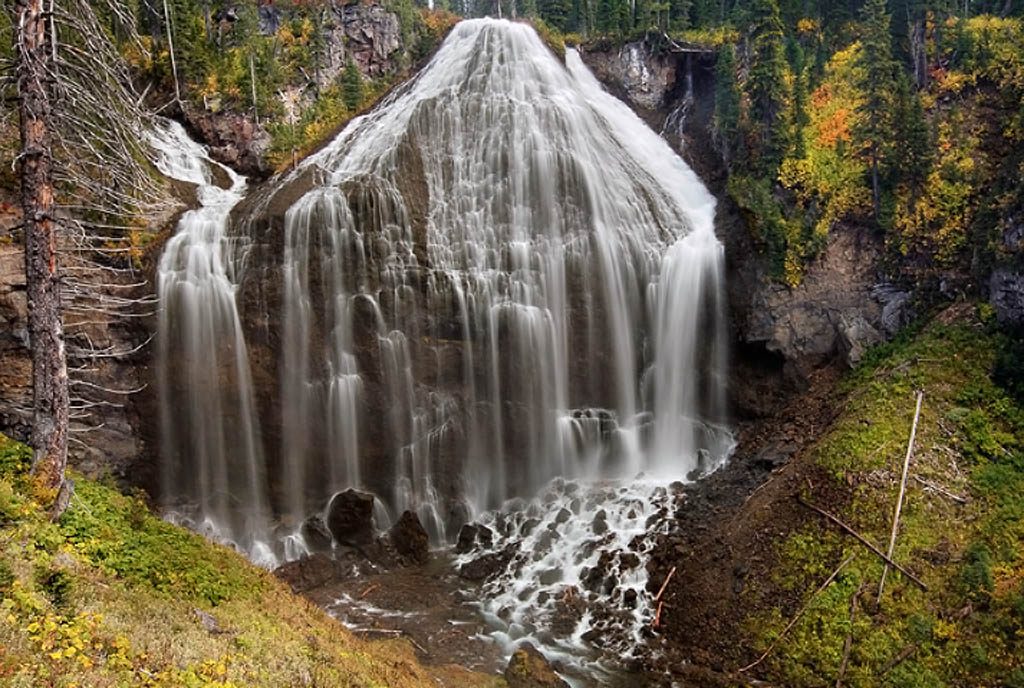
Place · 3.1 mi away
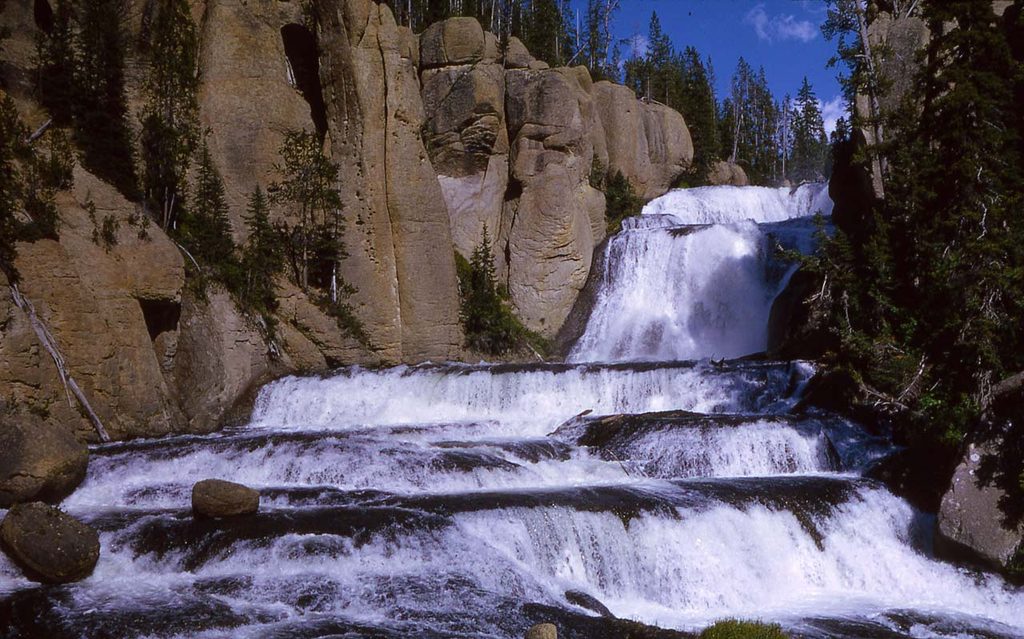
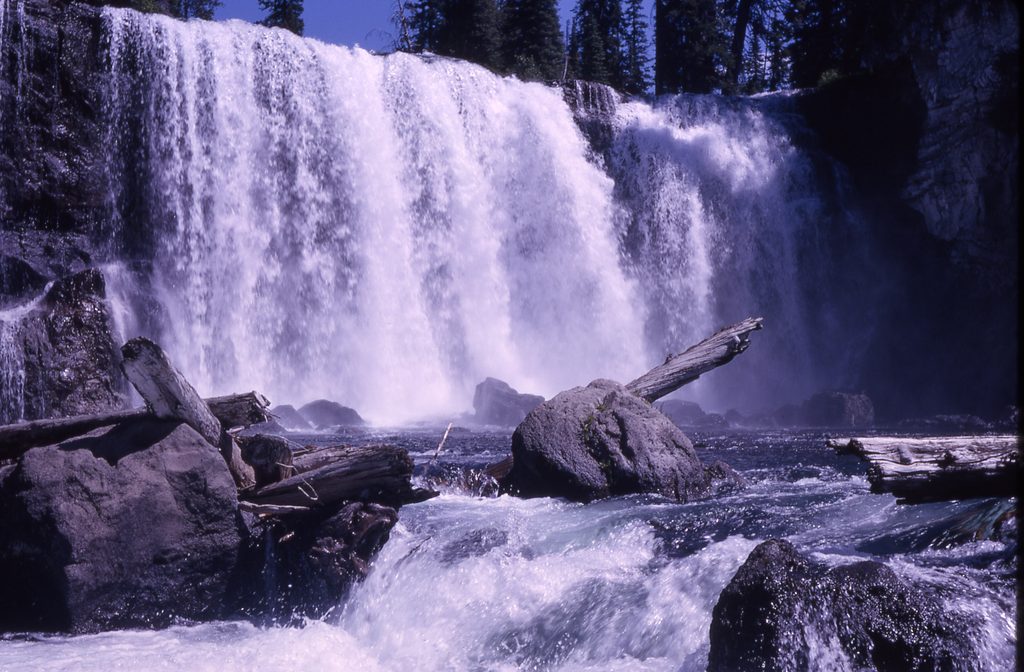
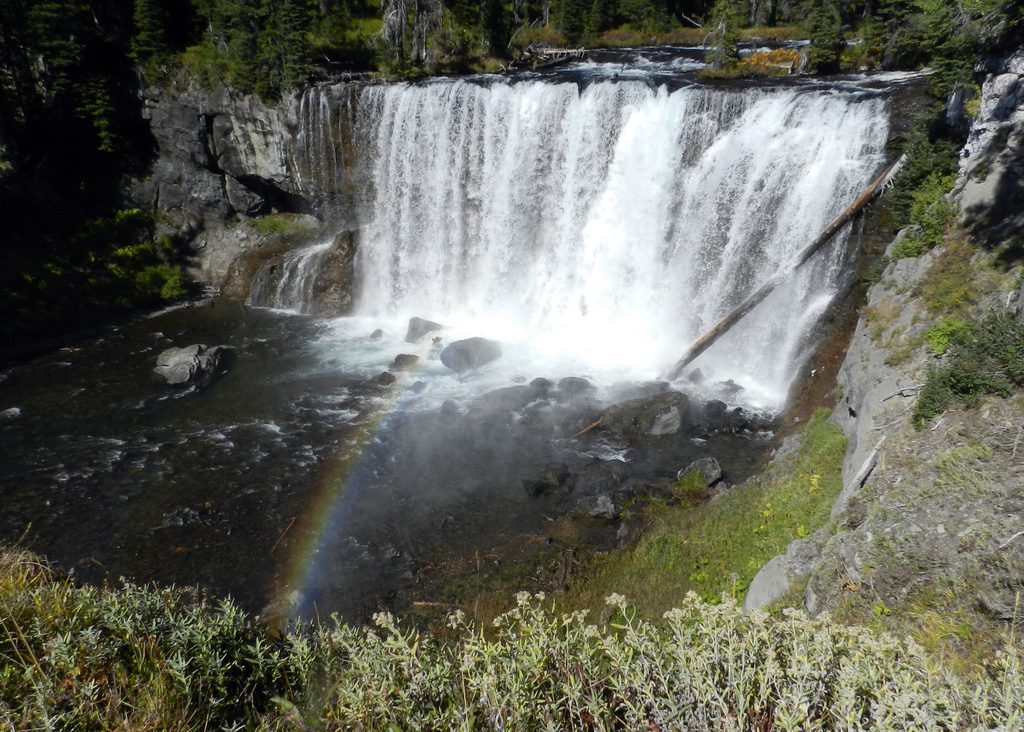
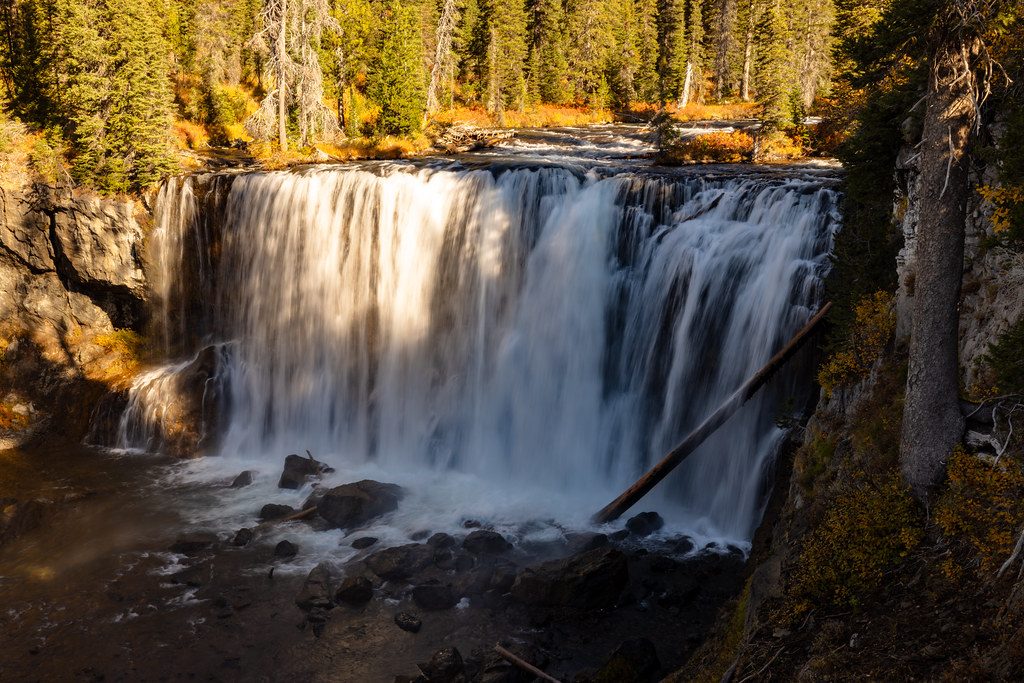
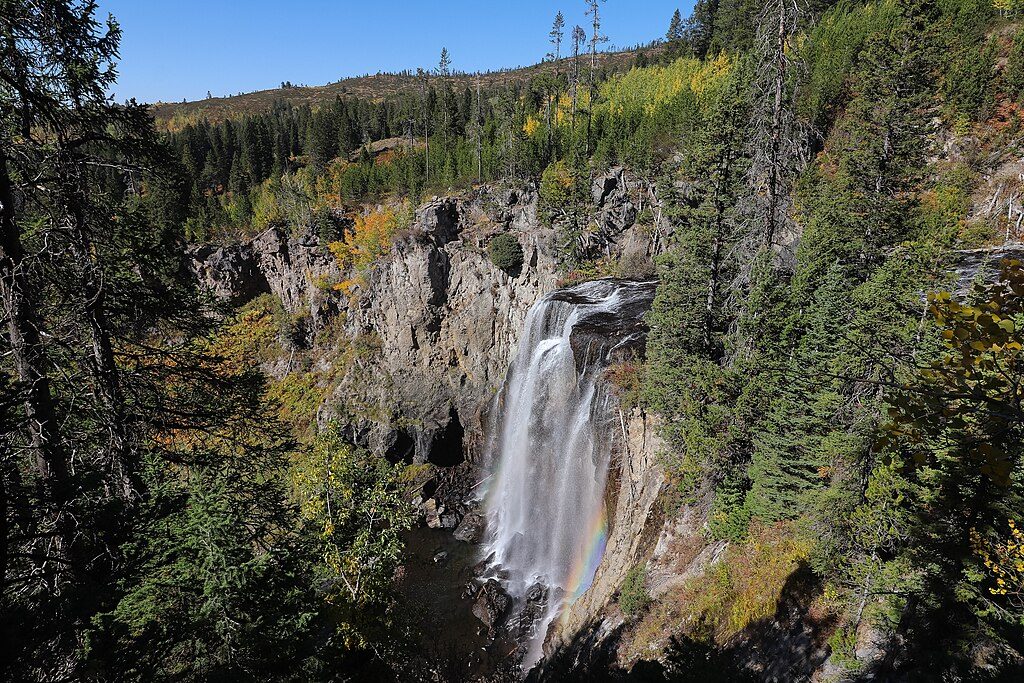
Terraced Falls is one of the park’s true hidden gems in the southwest corner—a big, dramatic waterfall reached by a short but rewarding backcountry hike. Expect roughly 4.6 miles round trip with about 875 feet of elevation gain. It’s a classic canyon‑style outing: you lose elevation early, then earn it back on the return.
Access is via the rough, unpaved Grassy Lake Road (also called Ashton–Flagg Ranch Road) west of Flagg Ranch. Openings vary year to year; snow and deep mud can linger well into June. The trail starts at the small Cascade Creek/Union Falls pullout and enters the park after about a third of a mile. From the South Boundary Trail junction, take the left spur signed for Terraced Falls—foot travel only. There are no toilets, water, or picnic tables; this is a simple roadside pullout, not a developed lot.
The path follows Cascade Creek past a string of photogenic small waterfalls—often nicknamed Pothole, Diamond, Humpback, and Cleft Cascades—before meeting the larger Falls River near a flat called Cascade Acres. Around 2.1 miles from the car you’ll reach the first Terraced Falls viewpoint.
Terraced Falls presents two main drops: an upper fall of roughly 50 feet, then the namesake terraced plunge into a narrow canyon. The best views are from the rim. There are no guardrails, the edges can be undercut and slick, and reaching the base isn’t practical or safe—enjoy it from solid ground and give the river a wide berth.
This is dense grizzly country. Hike in a group (three or more is recommended), make noise, and carry bear spray. Mosquitoes can be fierce in early summer. The Terraced Falls spur is foot‑traffic only (no stock), and pets are only allowed on the first stretch before the park boundary.
Waterfalls across the park peak with snowmelt in late spring to early summer, but this road often doesn’t dry out until mid‑summer. For the best balance of access and flow, aim for late June through September when the dirt road is typically in better shape. Crowds are minimal throughout the day, so you don’t need to plan around peak hours—focus instead on road and trail conditions.
If you like solitude, a handful of lovely cascades en route, and a big payoff at the end, yes—it’s a fantastic half‑day. If you’re hustling between Grand Teton and the park’s main loops, the slow dirt‑road approach may not pencil out compared to more accessible sights.
Place · 3.1 mi away
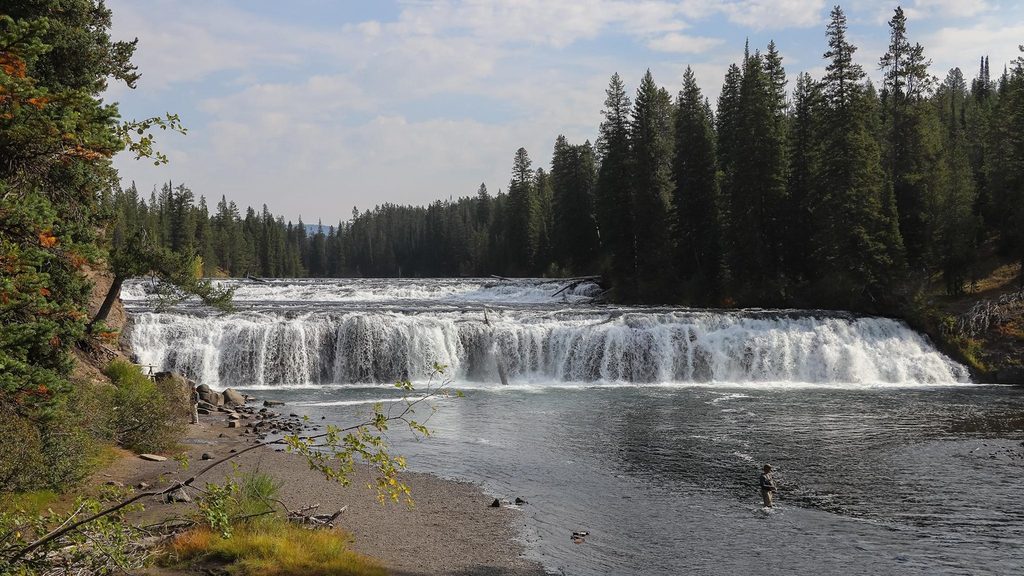
Place · 6.6 mi away
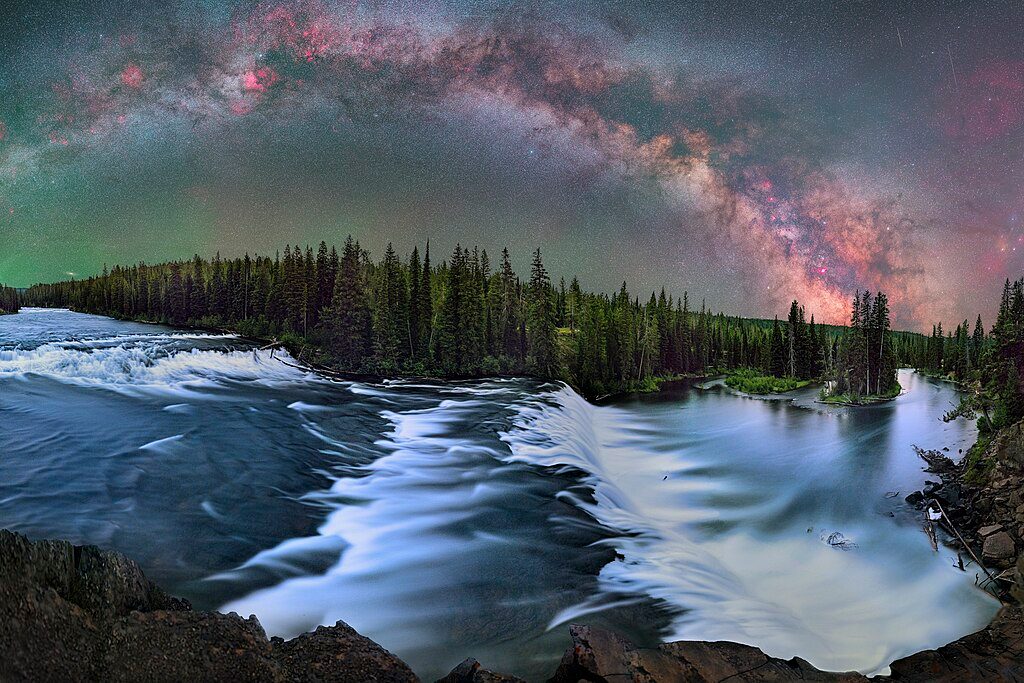
Place · 6.6 mi away
Place · 7.2 mi away
Moderate · 9 mi away
Challenging · 9 mi away
Challenging · 9 mi away
Moderate · 9 mi away

Parkwolf Tour Guide
