
Place · 21.8 mi away
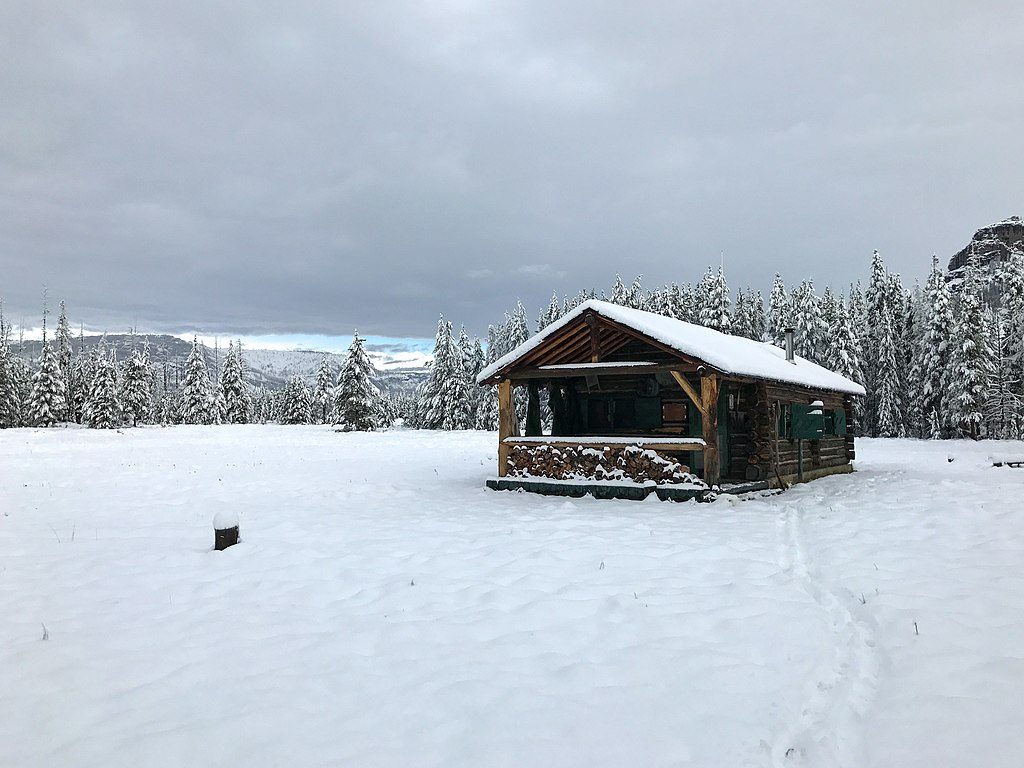
This two-room, 1915 log patrol cabin sits in a broad meadow at the far southeastern edge of the park’s backcountry, ringed by lodgepole pine and high-country spruce and fir. Built in the Army era and still used by the National Park Service for patrols, research support, and occasional visitor contact, it’s classic Rocky Mountain cabin architecture with a deep, covered porch—more working outpost than attraction. Expect solitude and a genuine wilderness feel.
The Thorofare is famed for remoteness—many call this area the heart of the Lower 48’s roadless country. The cabin is a tangible link to Yellowstone’s early protection days, when backcountry cabins were spaced about a day’s travel apart to combat poaching. Reaching it is a wilderness achievement: big meadows, big skies, and a sense that you’ve stepped far away from the front-country rush.
There’s no driving here. Typical approaches involve long, multi-day backpacks; the shortest park-side routes are still about 32 miles one way. Popular itineraries use the South Boundary corridor or routes along the south side of Yellowstone Lake; some parties combine a boat-assisted approach to the Southeast Arm with additional hiking. Plan for several days, river and creek crossings, and full self-sufficiency. There are no services and no cell coverage.
This is an active ranger outpost, not a public hut. The cabin itself remains closed to visitors unless a ranger invites you in. There is a simple pit toilet nearby—use it to protect the fragile meadow. Water is from nearby creeks or the Yellowstone River; treat or filter everything. You may find a porch logbook where backpackers jot down their “made it” entries.
This is classic Yellowstone backcountry with potential encounters with elk, moose, and grizzly bears. Travel and camp with strict bear-country habits, carry bear spray, and follow food storage regulations. Summer can be notoriously buggy—strong insect protection is more comfort than luxury out here.
Think of this as a working station in a living wilderness. Enjoy the porch and the setting, use the outhouse, sign the log if present, and leave the cabin closed. Pack out everything, tread lightly in the meadow, and practice Leave No Trace.
Crowds are never the issue here—logistics and conditions are. Aim for a stable weather window that fits your itinerary, build in extra days for river levels and storms, and expect peak mosquitoes in midsummer. Always check current NPS backcountry permits and advisories before committing to a trip.
Place · 21.8 mi away
Place · 22.3 mi away
Place · 22.7 mi away
Place · 23.3 mi away
Challenging · 1 mi away
Moderate · 11.5 mi away
Challenging · 11.5 mi away
Challenging · 22.7 mi away

Parkwolf Tour Guide
