
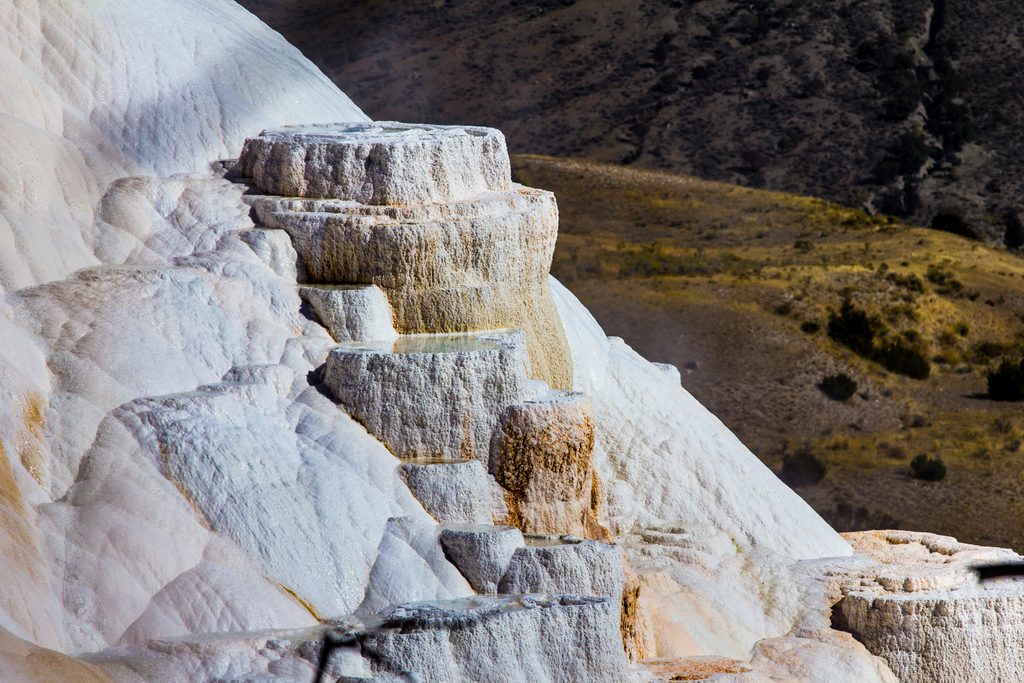
Place · 0.4 mi away
Moderate
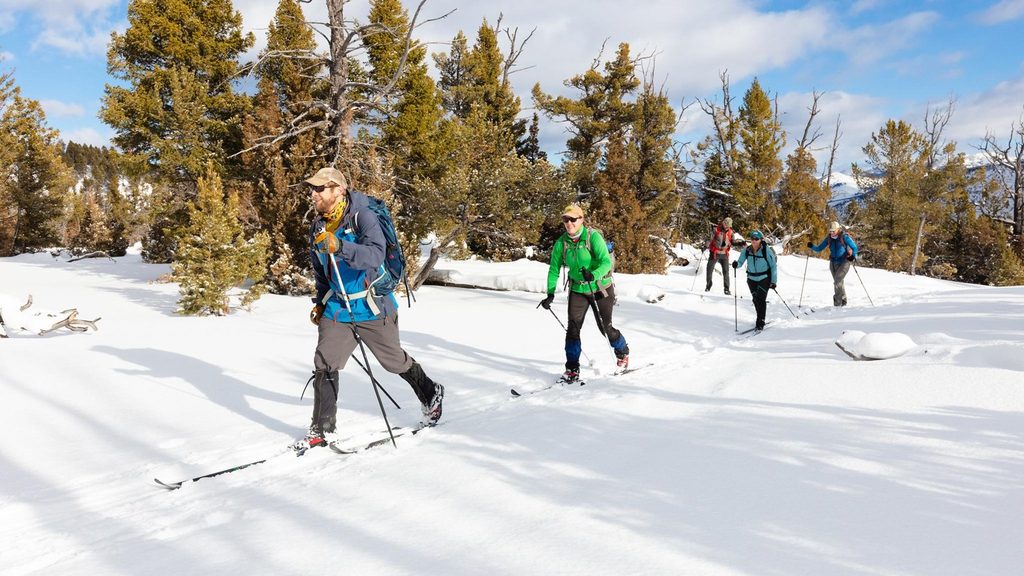
Snow Pass is a quick, punchy outing in the Mammoth Hot Springs area that trades crowds for a solid workout and big northern-range views. Expect a steep climb through lodgepole forest to a quiet saddle, with peeks toward Golden Gate Canyon on the way up and broader sightlines toward Swan Lake Flats and the Gallatin Range near the pass. The out-and-back is about 2.4 miles total, with roughly 700 feet of climbing packed into the first 1.5 miles. Some trackers log closer to 2.2 miles and ~470 feet; either way, it’s short but stout.
Start from the Snow Pass Trailhead in the forest just south of the Upper Terraces at Mammoth Hot Springs (small roadside pullout). The path wastes no time—climbing steeply via a series of short, sustained grades. Around a mile in, you’ll pass the junction for Clagett Butte; continue up to Snow Pass (~1.5 miles from the start) where the grade eases and views open. Most hikers turn around here for the classic out-and-back. If you’re feeling strong, you can continue another ~0.6 miles over mostly level terrain to the Glen Creek junction before returning the same way to add mileage and meadows.
Want a bigger loop without an all-day commitment? Link Clagett Butte with Snow Pass (about 5 miles and ~1,250 feet of gain) for ridge-top views, a quiet feel, and a steeper descent back down Snow Pass. Another option is to incorporate the Hoodoos for a longer loop day—expect more meadows, odd limestone blocks, and a wilder vibe.
Spring through fall is prime. Snow and ice can linger in spring (especially in the shade near the trailhead), and mosquitoes can be active in early summer—pack repellent. Mornings or late afternoons bring kinder light and fewer people. Summer afternoons often brew thunderstorms; if lightning threatens, descend from exposed points. In winter, this corridor is also used for cross-country travel—check conditions before you go.
Small roadside pullout in the forest just south of the Upper Terraces at Mammoth Hot Springs; look for the Snow Pass Trailhead sign in the trees.
Steep, sustained climb; bears are common—carry bear spray and make noise. Spring snow/ice and summer mosquitoes are typical; watch for afternoon thunderstorms.
Place · 0.4 mi away
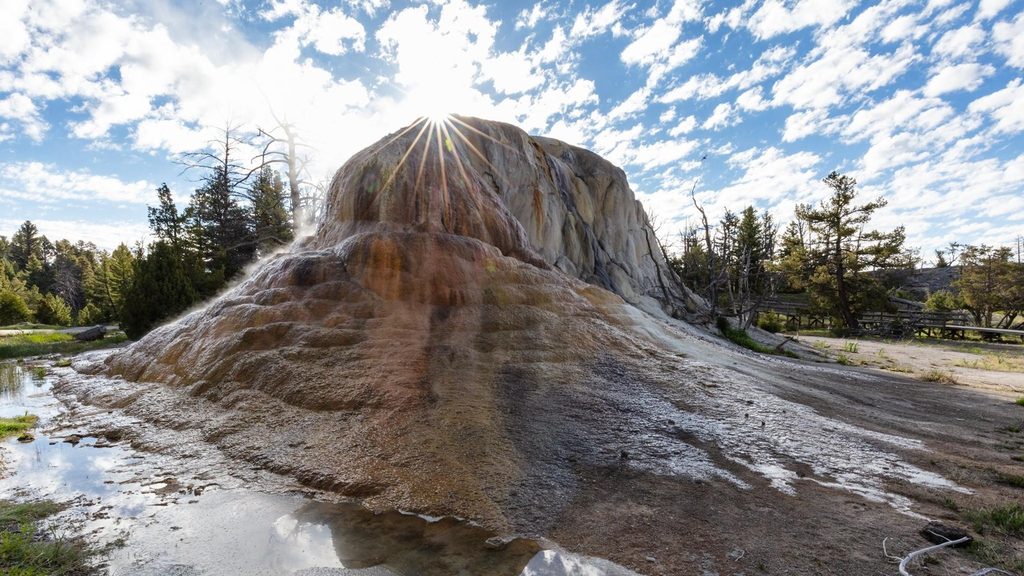
Place · 0.5 mi away
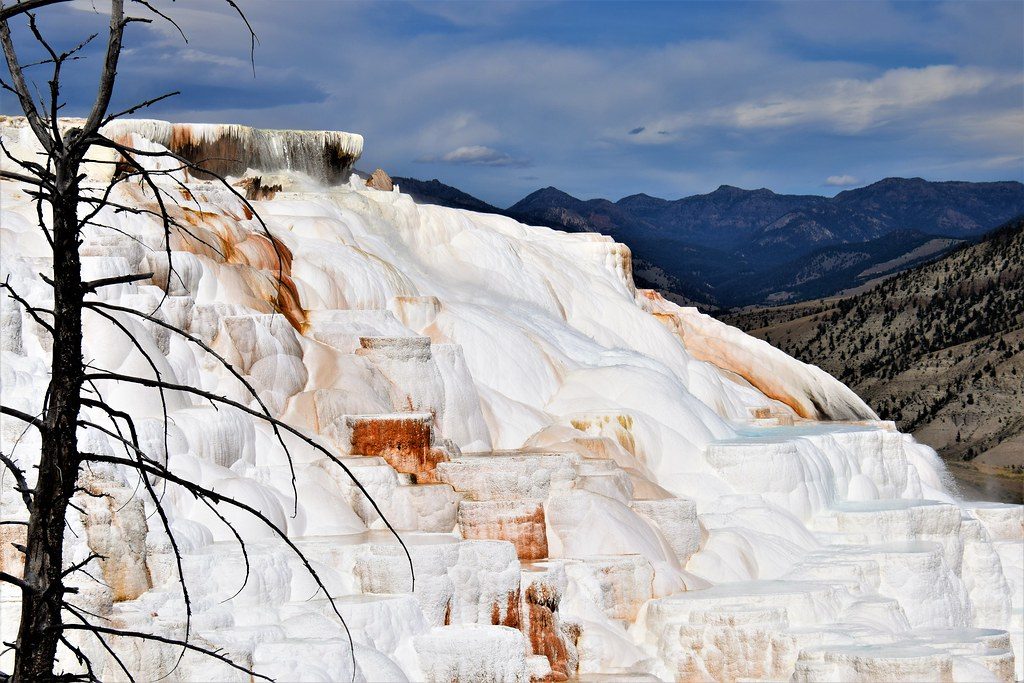
Place · 0.6 mi away
Place · 0.7 mi away
Easy · 0.7 mi away
Easy · 1 mi away
Easy · 1 mi away
Moderate · 1 mi away

Parkwolf Tour Guide
