Orange Spring Mound

A glowing orange travertine dome right off Upper Terrace Drive
Orange Spring Mound, Yellowstone National Park
InsideYellowstone National Park

Overview

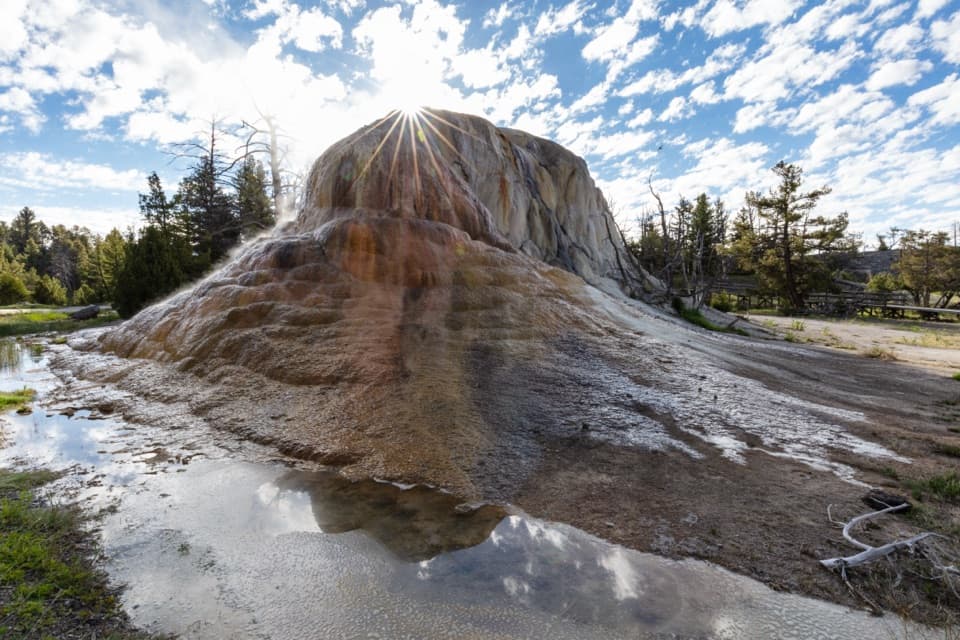
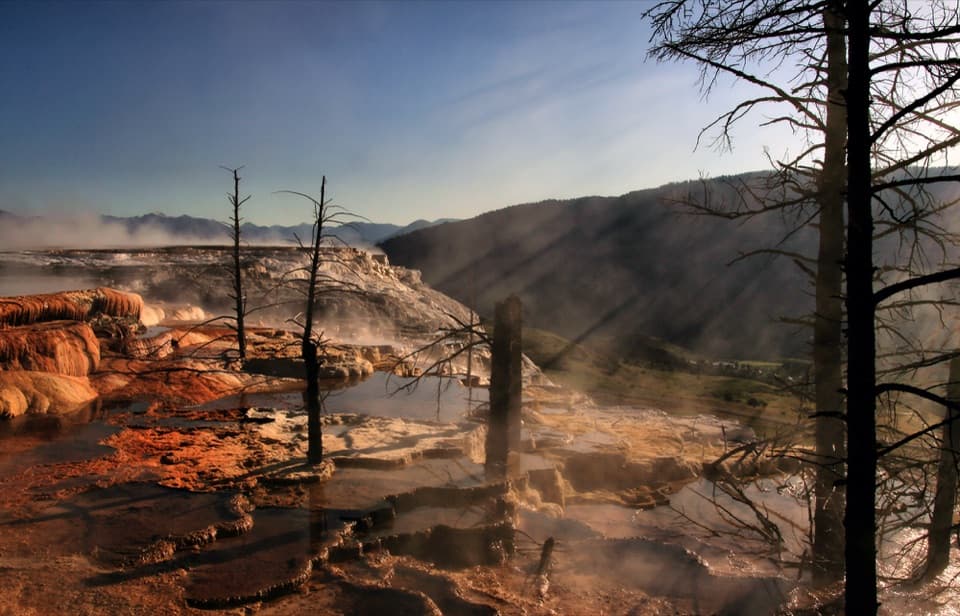
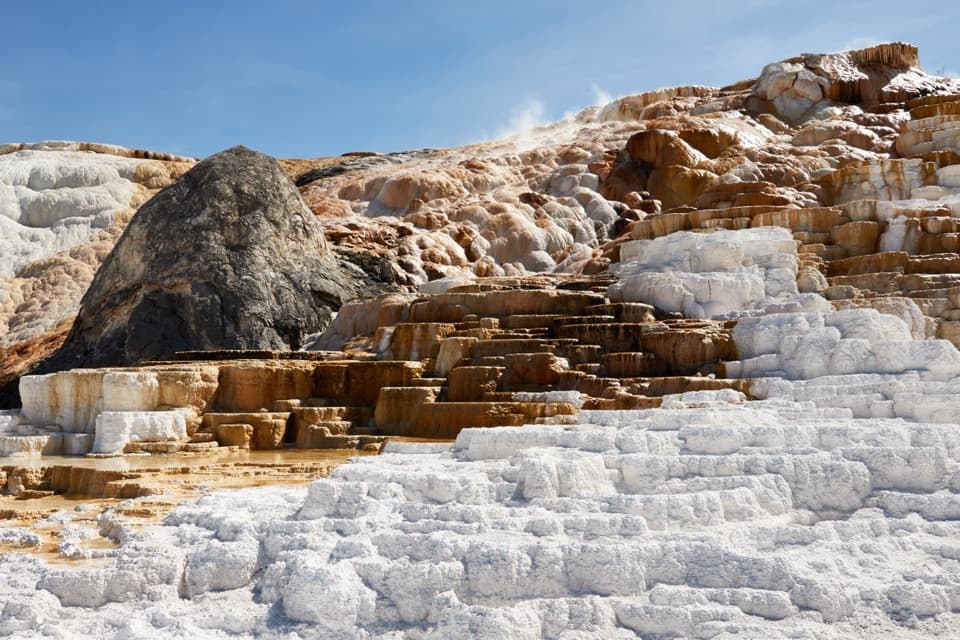
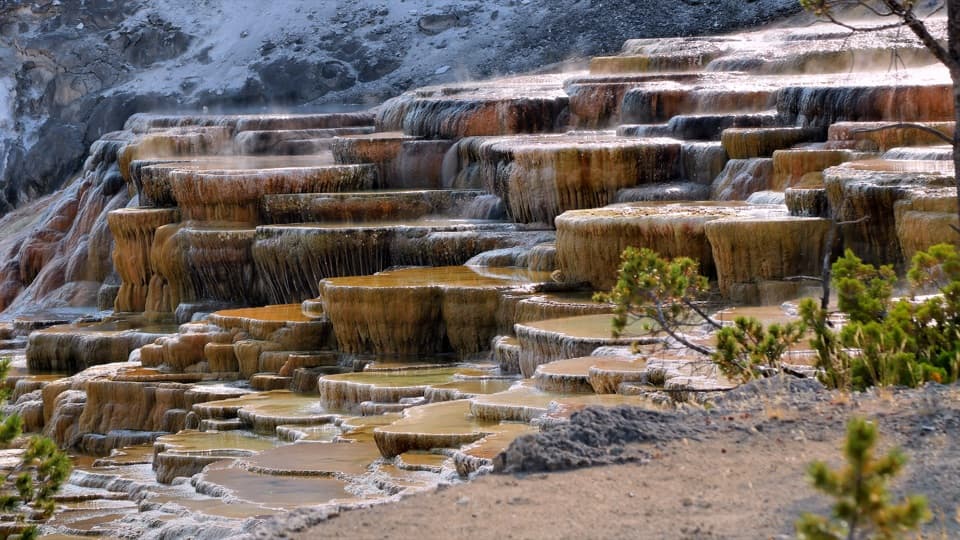
Orange Spring Mound is a photogenic standout on Mammoth Hot Springs’ Upper Terrace Drive—a bulbous travertine dome streaked in oranges and browns from heat-loving microbes. It’s an easy pullout-and-stroll stop with multiple angles to appreciate the steam, textures, and color-splashed runoff.

What You’ll See

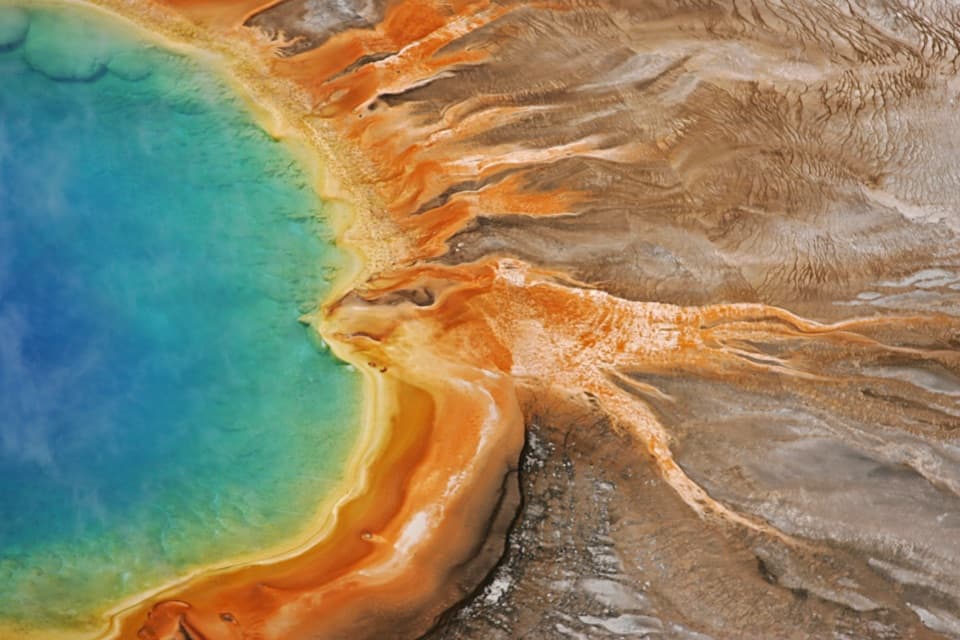
Expect a domed mound of chalky white limestone overlaid with vivid orange microbial mats and ribbons of colorful runoff. Depending on current flow, you may notice gentle bubbling near the top and small cascades tracing grooves down the sides. The exact look changes over time as mineral deposits re-route the spring’s underground plumbing, so it can look different each visit.

Geology, Simplified

This is a travertine feature: hot water rises through buried limestone carrying dissolved calcium carbonate. At the surface, carbon dioxide escapes and calcium carbonate precipitates, rapidly building the mound and terraces. The orange and brown tones come from thermophiles—microbes that thrive in the cooler runoff compared to the hottest water. Scientists still debate the precise heat source for Mammoth’s system, but fractures and small quakes help keep the hot-water pathways open.

Visiting Logistics

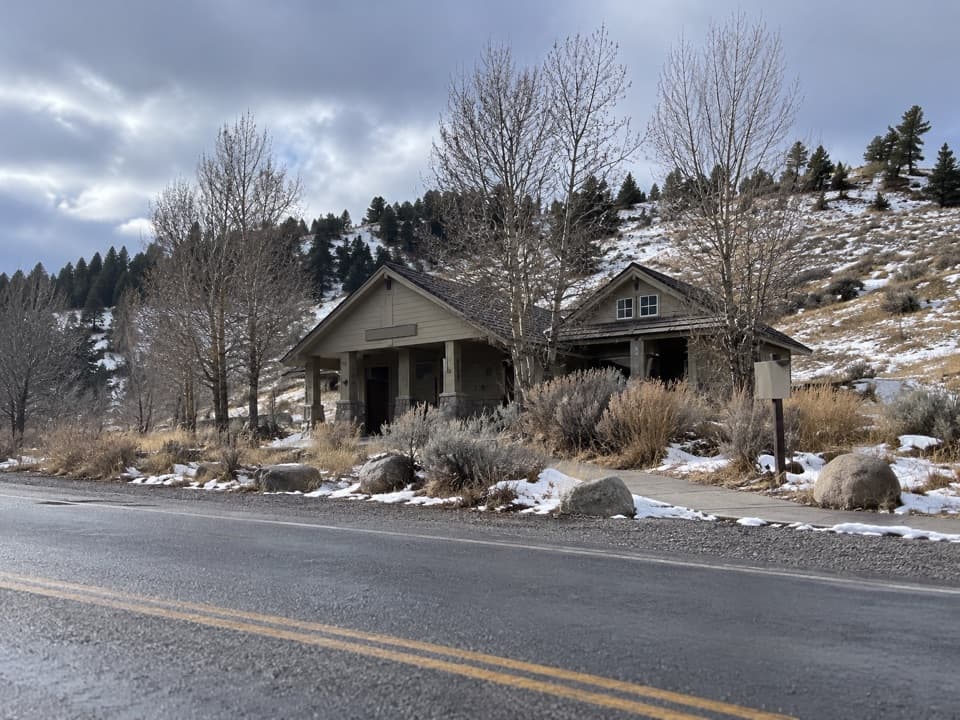
You’ll find Orange Spring Mound along the one-way Upper Terrace Drive. There’s a small pullout right by the feature and short paths/boardwalk sections to walk around for better views. Note that buses, RVs, and trailers aren’t allowed on this loop, and when the road is closed, reaching the mound means an uphill walk from elsewhere in the Mammoth area. There are no restrooms or water fountains at the mound; use facilities in the developed Mammoth Hot Springs area.

Best Time to Visit

It’s open all day, but early morning and late afternoon generally feel quieter than midday. Midday light can flatten colors; side light in the morning or toward golden hour brings out the mound’s textures and the microbes’ hues. On sunny days, look for sunlight shimmering across the shallow runoff—colors pop most in those thin, clear flows.

Photography Tips

  • Work the angles: walk the short paths to frame the dome and colorful runnels without crowding the feature.
  • Side lighting is your friend—morning or late-day light emphasizes texture.
  • Watch the shallow, sunlit runoff for the most saturated oranges and browns.

Safety

Stay on boardwalks and designated paths; hydrothermal water can cause severe burns. Supervise kids closely and never step on the fragile microbial mats.

Pros

  • Vivid orange travertine dome with colorful microbial runoff
  • Quick stop on Upper Terrace Drive with close boardwalk viewpoints

Cons

  • No restrooms or water at the site
  • Buses, RVs, and trailers are not permitted on the one-way loop; closures can require a longer walk

Tips

  • Drive the one-way Upper Terrace loop; no buses, RVs, or trailers allowed.
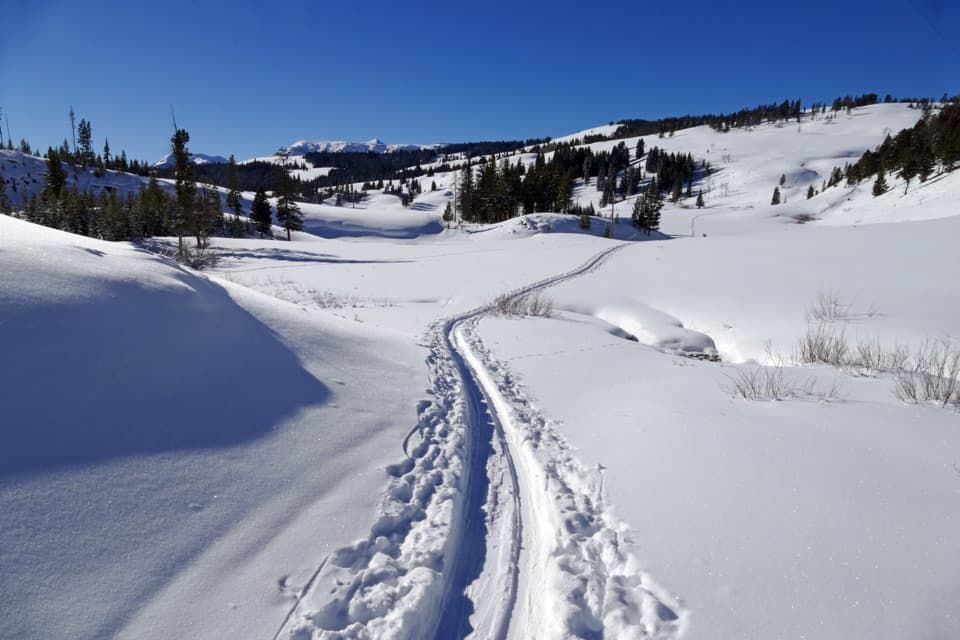
  • If the loop is closed, expect a longer, uphill walk to reach the mound.
  • For the brightest colors, study the thin, sunlit runoff rather than the pool.
  • Aim for morning or late-day light to bring out textures and color.
  • There’s no water or restrooms at the mound—use facilities in Mammoth.
The Parkwolf tour guide sitting on a phone mounted in a car

Parkwolf Tour Guide

Like a tour guide in your car.

Save the places you found around Yellowstone, then let Parkwolf guide the drive between them.Download Parkwolf on the App Store