
Place · 5.8 mi away
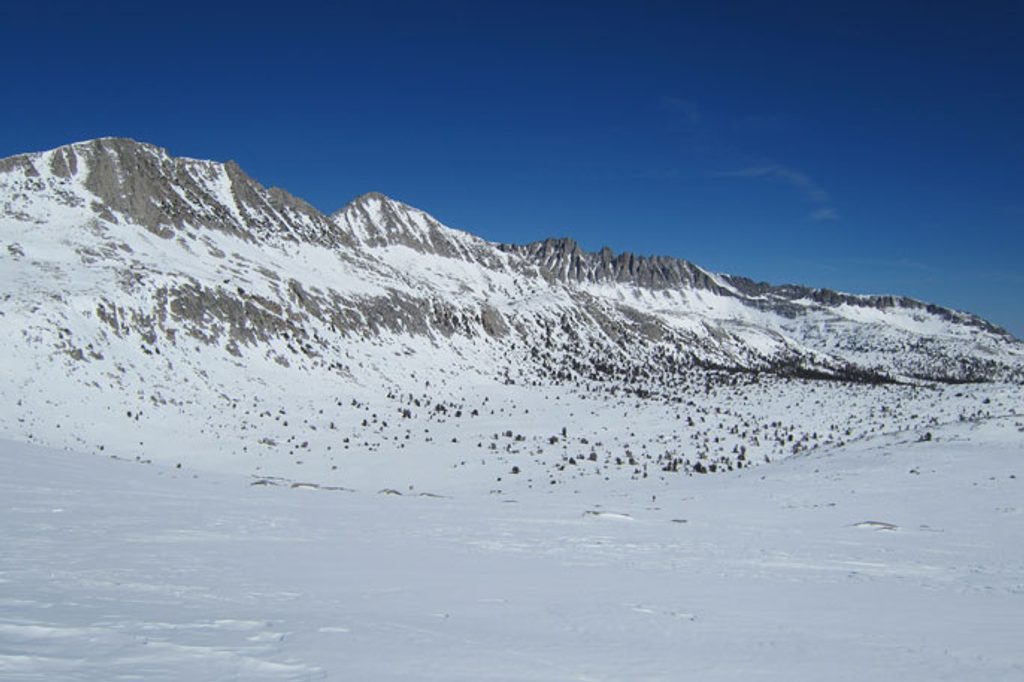
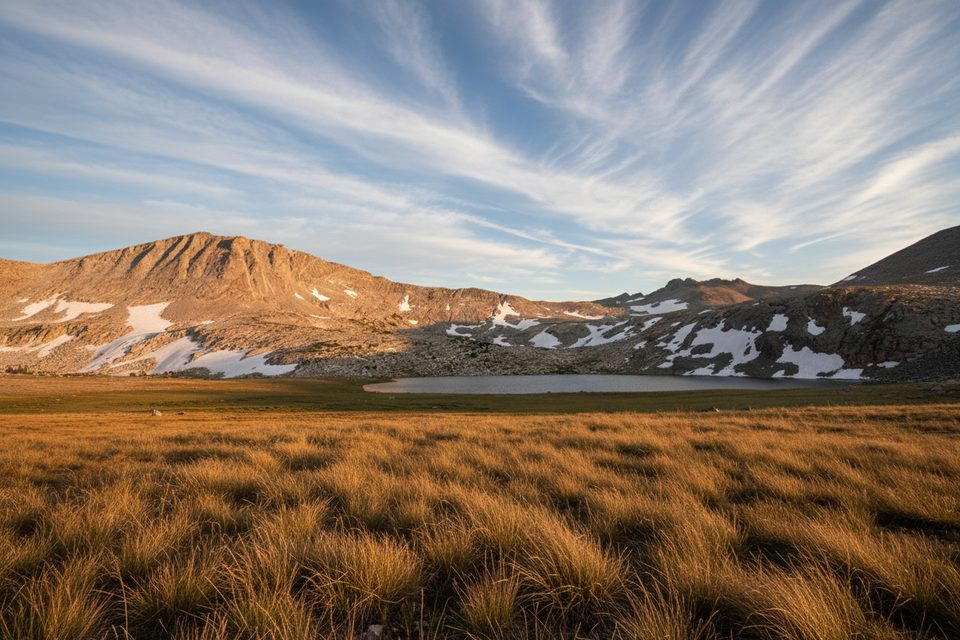
Donohue Pass (11,056 feet) straddles the boundary between Yosemite and the Ansel Adams Wilderness, and it’s a highlight of both the John Muir Trail and the Pacific Crest Trail. Expect an easy cruise through Lyell Canyon from Tuolumne Meadows before the trail ramps up beside the Lyell Fork and tops out among alpine pools and wind-twisted whitebark pines. It’s remote, wild, and absolutely view-packed.
From the crest, the southern skyline explodes: Mount Ritter and Banner Peak stand tall above the Thousand Island Lake basin, with the jagged Minarets and the Silver Divide beyond. To the north, Mount Lyell and its shrinking glacier anchor Yosemite’s high country. The approach weaves past wildflowers, pristine streams, and polished granite benches—classic High Sierra texture.
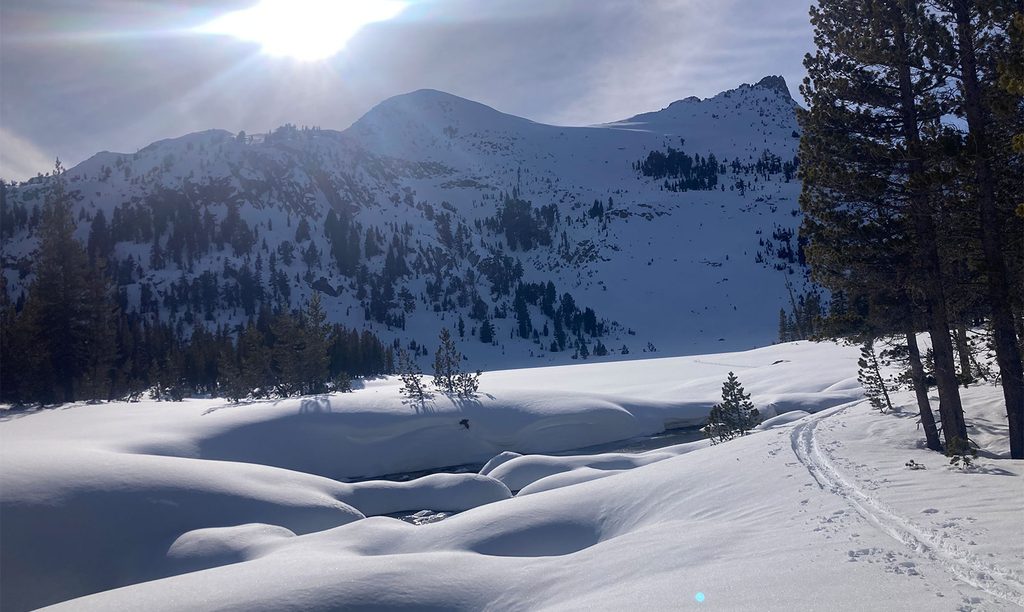
In average snow years, the high trail corridors are most reliable July–September. Early season often brings lingering snow above ~9,000 feet and a few creek crossings; start early for firmer snow. June can deliver fierce mosquitos—bring repellent and consider a head net. Afternoon thunderstorms can pop up at altitude.
This corridor frequently hosts marmots near the pass and mule deer in the meadows. Black bears live throughout the park—store all food and smellables in a bear canister if you’re overnighting. You might also encounter coyotes; Sierra bighorn sheep inhabit the broader range.
Overnight trips require a wilderness permit, and itineraries crossing Donohue Pass must originate on a Donohue Pass–eligible trailhead permit. Rangers commonly check permits, bear canisters, and Leave No Trace practices along Lyell Canyon and beyond. There’s a park entrance fee. Tioga Pass Road access to Tuolumne Meadows is typically June–November in normal years; when the road is closed, there’s no vehicle access. Follow Yosemite’s camping distance rules (e.g., far from developed areas and roads) and camp at least 100–200 feet from water.
There are no facilities at or near the pass—no toilets, taps, or trash. Trailheads like Tuolumne Meadows (Lyell Canyon) and Happy Isles have flush toilets, and trailheads with flush toilets typically have drinking water available. Once you leave the trailhead, rely on natural water sources and always treat before drinking.
Trekking poles shine on creek rock-hops, stone steps, and any lingering snow. Carry an offline map and know the route if snow obscures the tread. If you’re looping from Rush Creek, don’t count on Waugh Lake late season—fill before camp. Daypack the pass from a nearby camp to make the climb more enjoyable. Filter or treat every drop—you won’t find taps out here.
Place · 5.8 mi away
Place · 6.8 mi away
Place · 8.8 mi away
Place · 8.9 mi away
Moderate · 9.1 mi away
Moderate · 9.1 mi away
Challenging · 9.5 mi away
Challenging · 9.5 mi away

Parkwolf Tour Guide
