Parking
Use the Mono Pass Trailhead parking area on Tioga Road at Dana Meadows. A vault toilet and animal-safe food-storage lockers are at the trailhead.
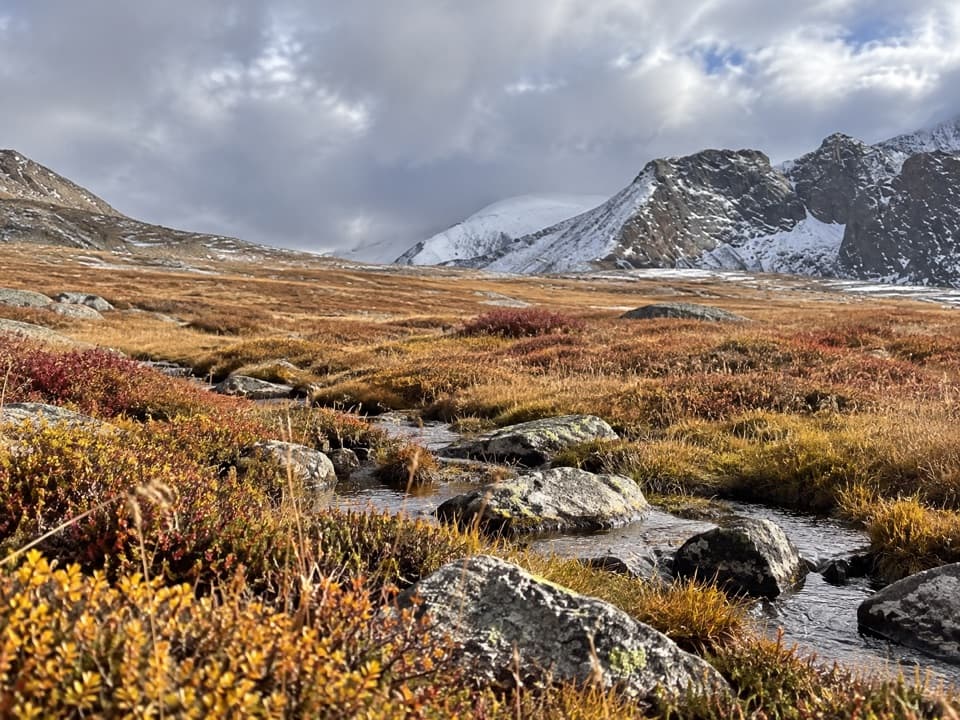
Yosemite National Park, CA
A long climb to a high Sierra pass above Dana Meadows.
Overview
Map & elevation
Plan your hike

“Mono Pass Trailhead is coming up, for a high-country walk from wet meadows to the drier Sierra crest. Allow five to seven hours for the eight-mile round trip, with altitude adding effort above ten thousand feet.”
Yosemite Tour Guide
Parkwolf is a GPS audio tour guide for Yosemite National Park. As you drive, it chimes in with what’s ahead: hidden gems, upcoming stops, history, geology, and wildlife, right through your car’s speakers.
See the Yosemite audio tourRecorded for this trailhead
Mono Pass“Mono Pass Trailhead is coming up, for a high-country walk from wet meadows to the drier Sierra crest. Allow five to seven hours for the eight-mile round trip, with altitude adding effort above ten thousand feet.”
Plays as you drive up to this trailhead in the Parkwolf Yosemite Tour Guide.
More stories near here in the app
“We just drove through Yosemite and it made our trip listening to this app as we drove through. Like having a tour guide in the car with you.”


Trail guide
Parker Pass Trail is a 10.5-mile out-and-back from Mono Pass Trailhead on Tioga Road. Follow the shared Mono Pass approach for about 3.5 miles, then turn onto the Parker Pass branch and climb to the pass. The mapped corridor is about 5.2 miles each way. Allow about eight hours for the high-altitude distance and sustained climbing; the route starts near 9,700 feet and reaches roughly 11,100 feet. This is a full-day hike, not a quick pass-side stop.
The trail starts through lodgepole pines and wet meadows, with several unbridged stream crossings. A branch for Spillway Lake leaves the main approach at about 2.3 miles; stay on the Mono Pass path, then take the Parker Pass branch around 3.5 miles from the trailhead. Early in the season, crossings can be cold, high and swift. Early-summer mud is common in this wet country, so stay on the tread instead of walking around puddles and widening it.
After the junction, the route crosses open meadow and climbs toward the crest. The trees fall behind, and views open toward Spillway Lake below and the Kuna Crest across the high country. At roughly 11,100 feet, Parker Pass is the turnaround for this mapped hike. Continuing toward Parker Pass Lake or over Koip Peak Pass adds distance and makes a different outing; neither extension is included in the 10.5-mile figure. For a photo, keep the meadow or trail in the foreground with the crest beyond it to show how the route crosses the basin.
The shared approach follows the old Mono Pass corridor, a trans-Sierra route used by Paiute and Miwok people for seasonal travel and trade between the Mono Basin and the Sierra high country. Rust-red metamorphic slopes around Mount Lewis and Mount Gibbs stand out against the granite crest. In mid-summer, red mountain heather blooms beside the trail, and the wet meadows hold other seasonal wildflowers.
Park at Mono Pass Trailhead in Dana Meadows, on Tioga Road. The trailhead has a vault toilet and animal-safe food-storage lockers; there is no food stop on the route, so bring what you need. Yosemite does not allow pets on hiking trails. Vehicle access depends on Tioga Road, which usually opens in late May or early June and closes sometime in October or November after snow. Check the road status before driving in.
Wildlife
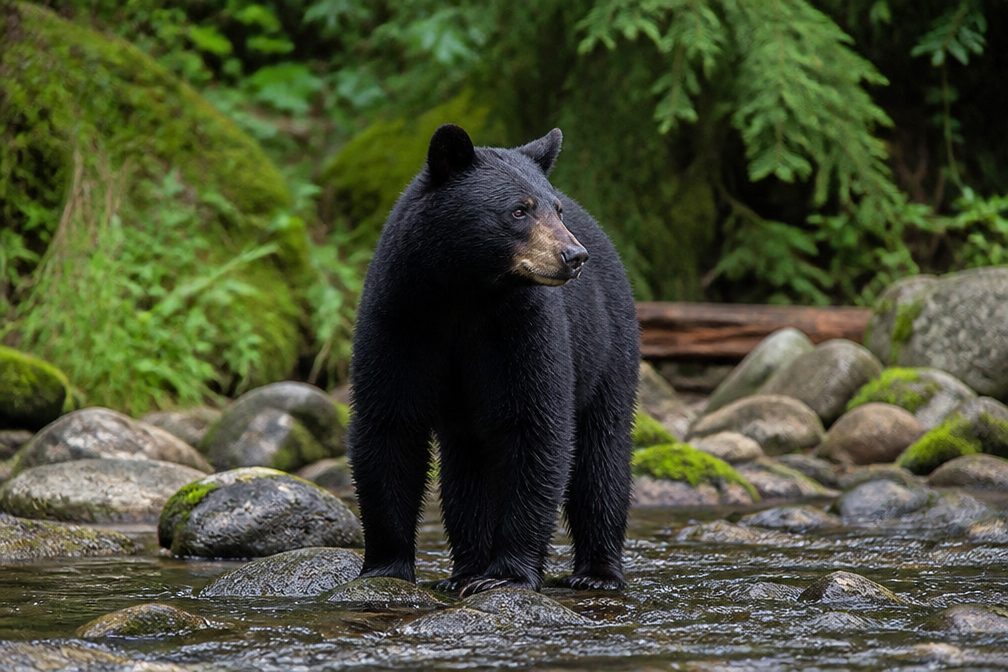 732 sightingsBlack BearMost seen around 7 PMSighting map
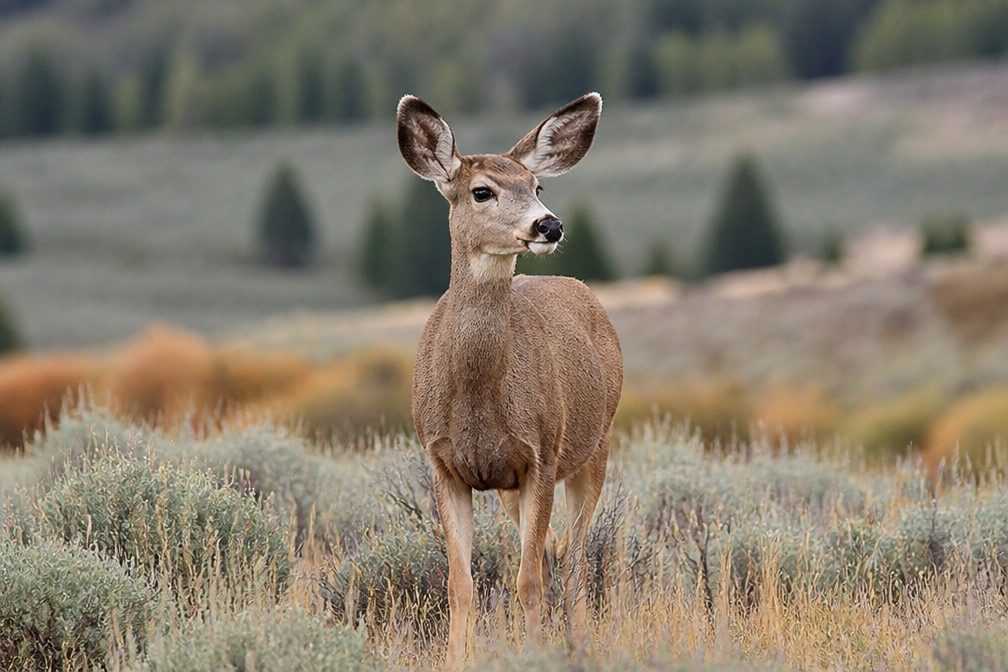 1,747 sightingsMule DeerMost seen around 6 PMSighting map
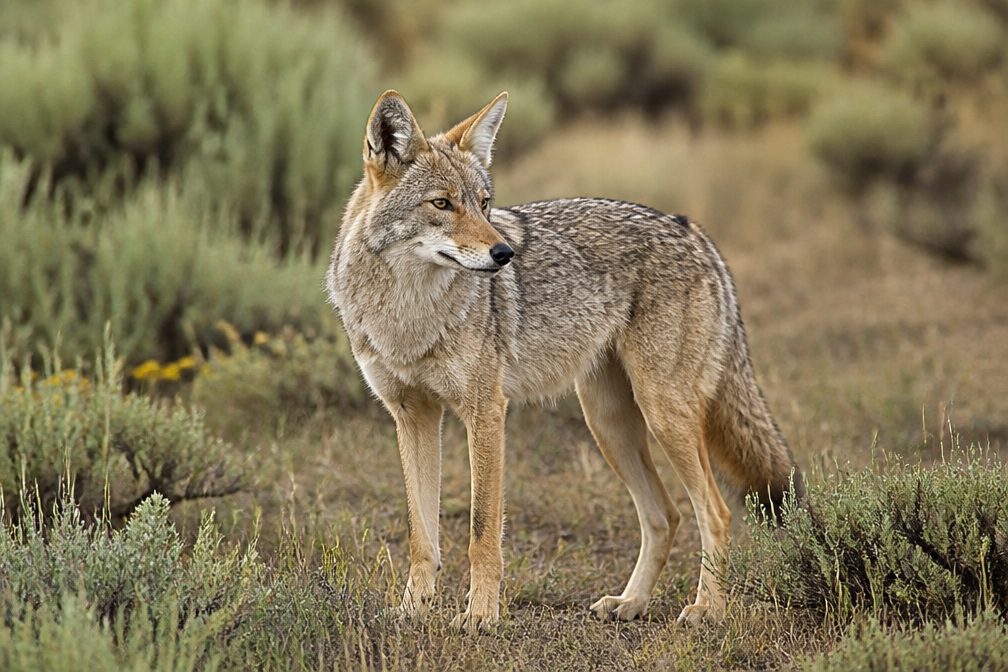 332 sightingsCoyoteMost seen around 7 PMSighting map
 11 sightingsPeregrine FalconMost seen around 8 AMSighting map
 276 sightingsPikaMost seen around 8 AMSighting map
 677 sightingsYellow-bellied MarmotMost seen around 8 AMSighting map
Sighting maps show where each species has been reported across Yosemite. Wildlife moves, so no sighting is guaranteed.
Keep exploring
 ModerateMono Pass Trail8 mi · 6 hr · At the trailheadWet meadows give way to a pass with Mono Lake views.
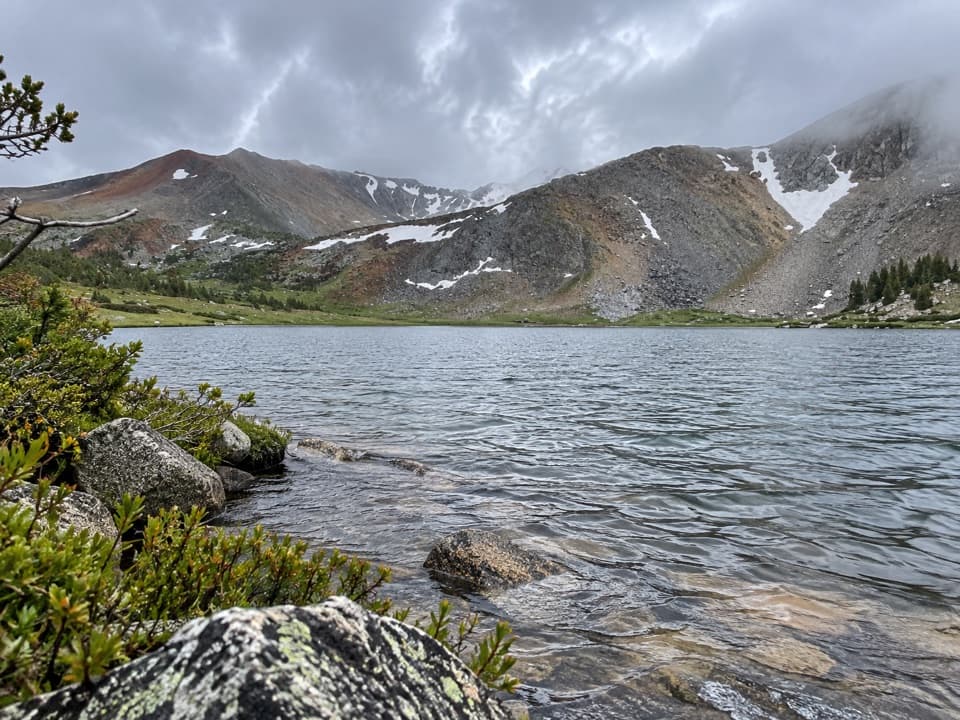 ModerateSpillway Lake Trail8 mi · 5 hr · At the trailheadFour miles each way to a high-country lake past wet meadows.
 ModerateGaylor Lakes Trail3.6 mi · 3 hr · 1.4 mi awayA steep pass opens onto the Gaylor Lakes basin.
 ChallengingMount Dana Trail5.4 mi · 6 hr · 1.4 mi awayA steep summit push with Mono Lake, Dana Lake, and Sierra views.
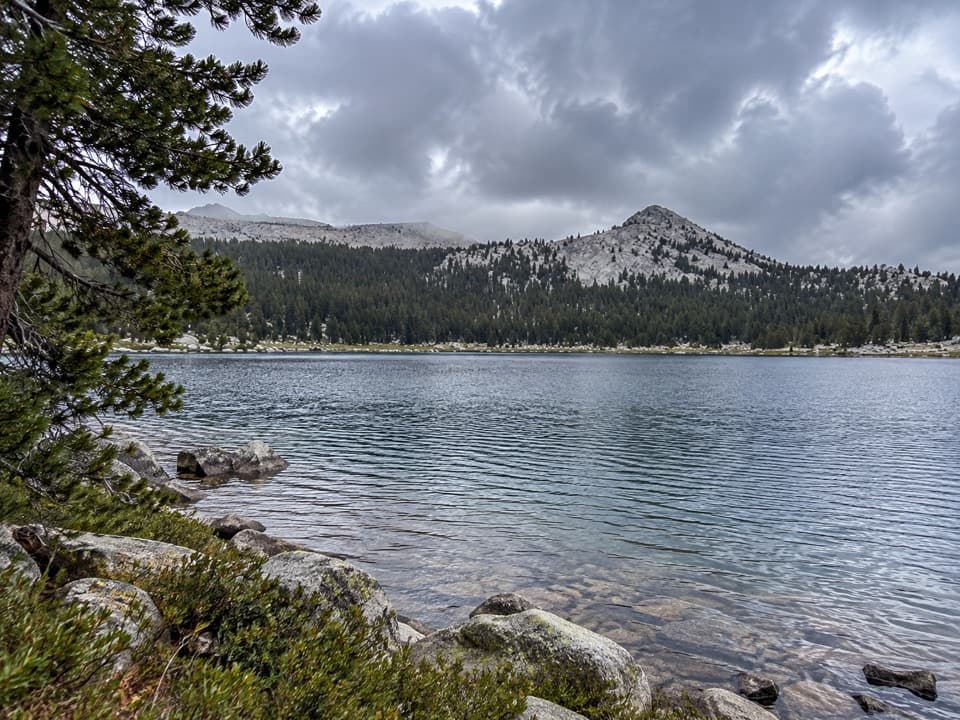 ModerateLower Gaylor Lake Trail4.7 mi · 3 hr · 2.3 mi awayA high-country lake with a faint final approach.
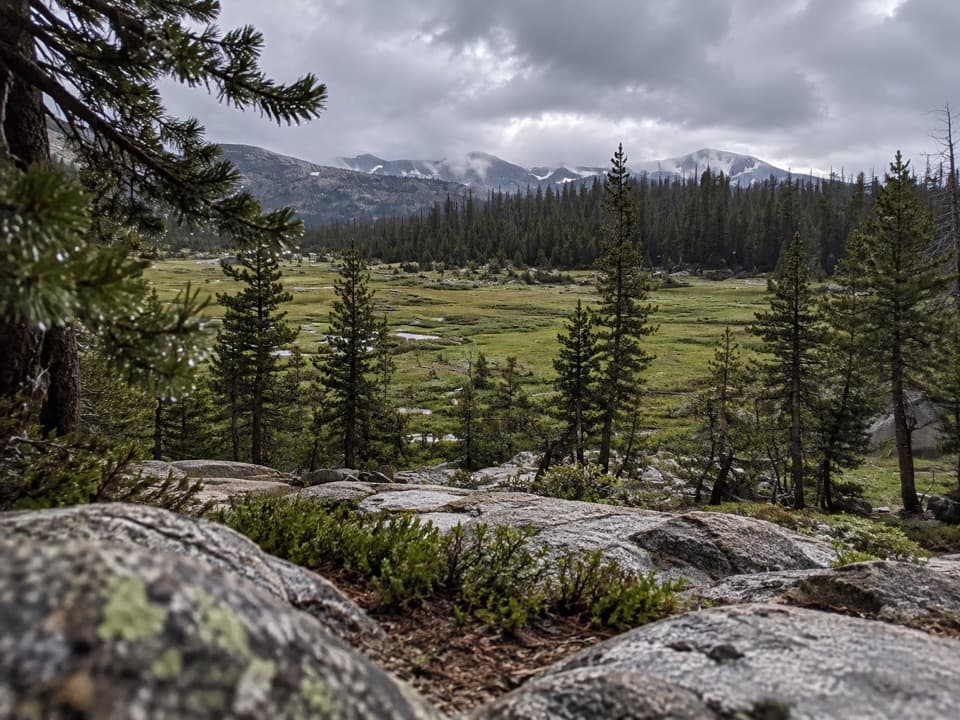 ChallengingVogelsang to Cathedral Loop34.4 mi · 18 hr · 3.7 mi awayA high-country loop linking three of Yosemite’s High Sierra Camps.
 ModerateLyell Canyon Trail11.4 mi · 6 hr · 4.1 mi awayA long walk among meadows, river crossings, and open high country.
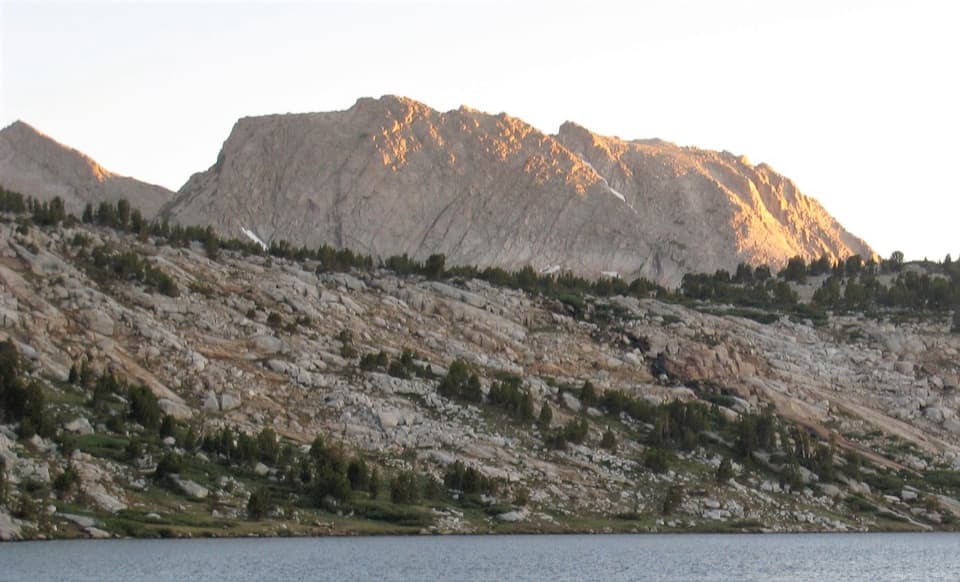 ChallengingIreland and Evelyn Lakes Loop22.2 mi · 12 hr · 4.3 mi awayTwo alpine lakes reward a long loop through a river meadow.
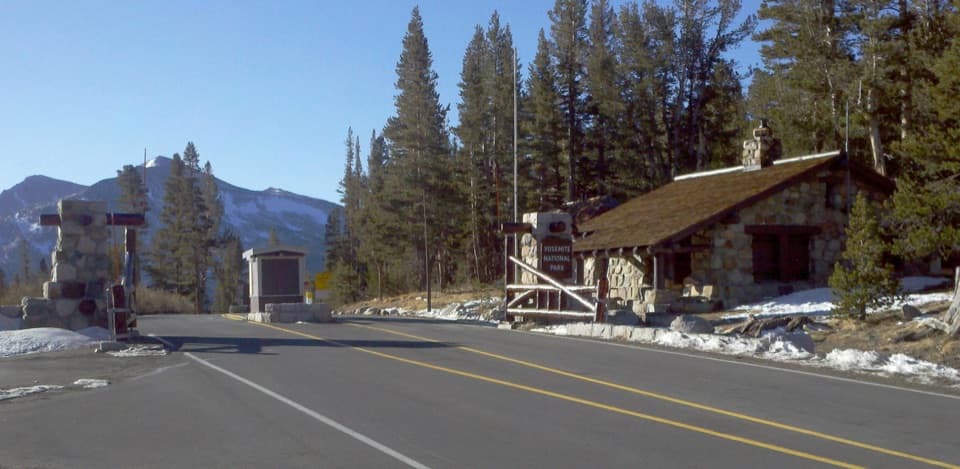 Entrance station · 1.4 mi awayTioga Pass EntranceThe eastern gateway sits 9,945 feet up on the Sierra crest.
 Lodging · 4 mi awayTuolumne Meadows LodgeCanvas cabins beside the river, with trails on your doorstep.
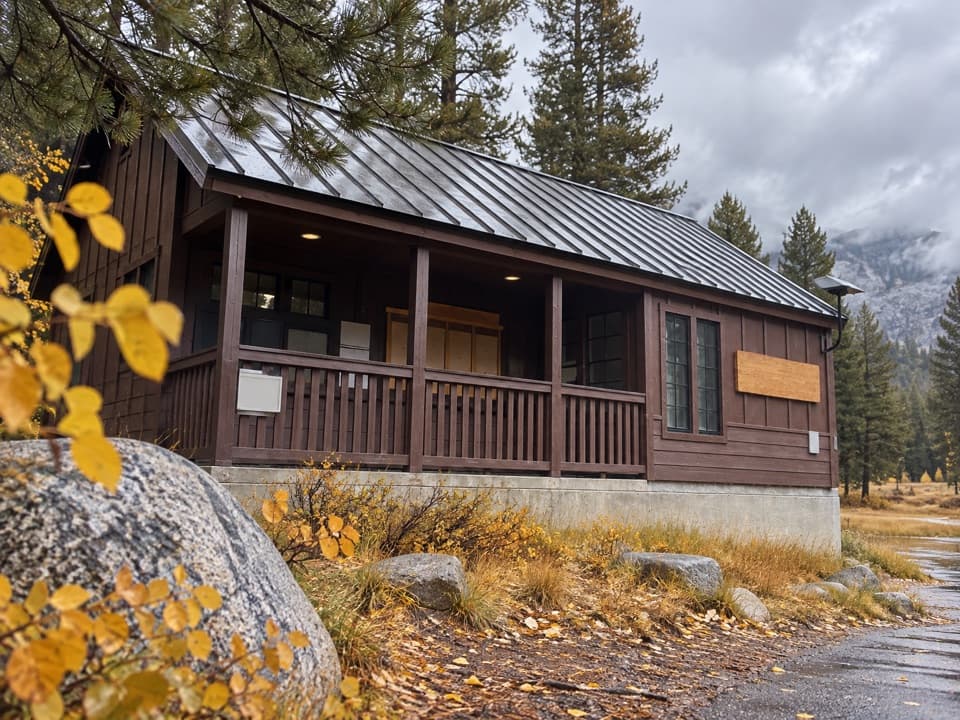 Ranger station · 4.6 mi awayTuolumne Meadows Wilderness CenterTalk over your route and get a backcountry permit.
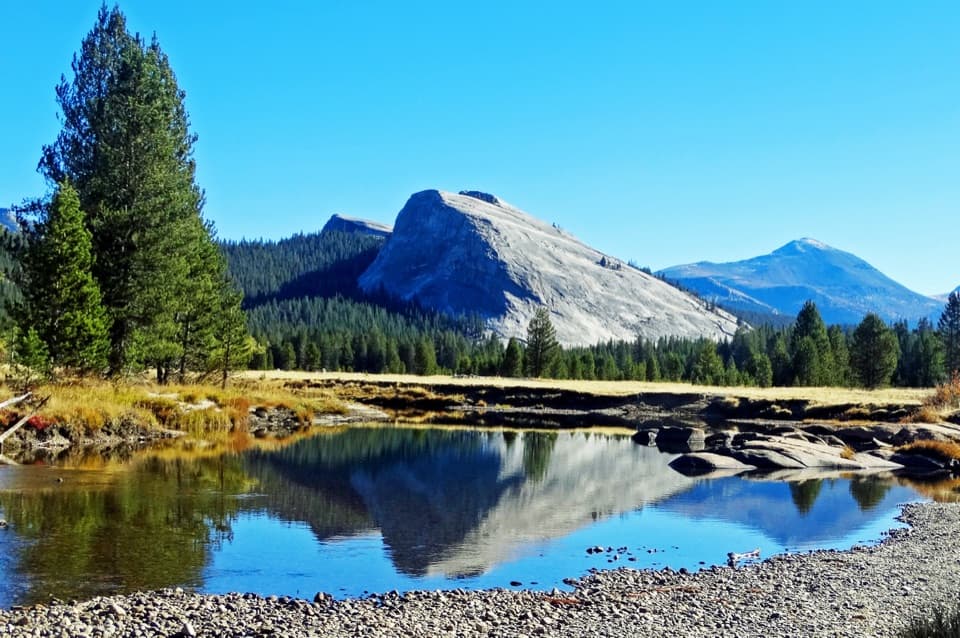 Sight · 4.7 mi awayLembert DomeA steep granite climb earns a wide-open Tuolumne panorama.
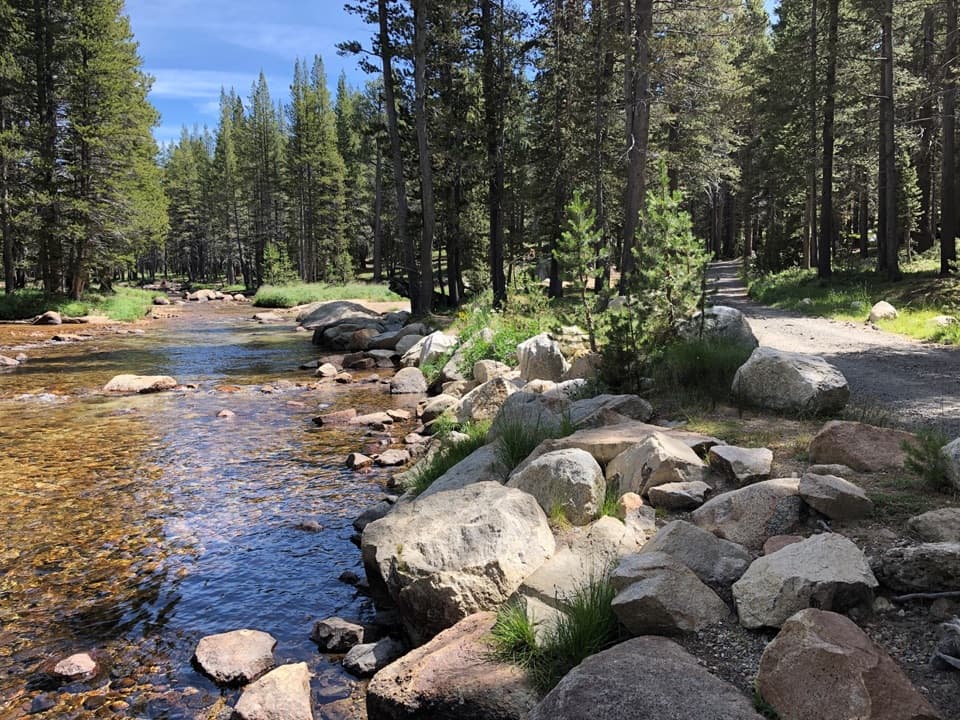 Campground · 5.1 mi awayTuolumne Meadows CampgroundA high-country base for Tuolumne's hikes, lakes, and river.
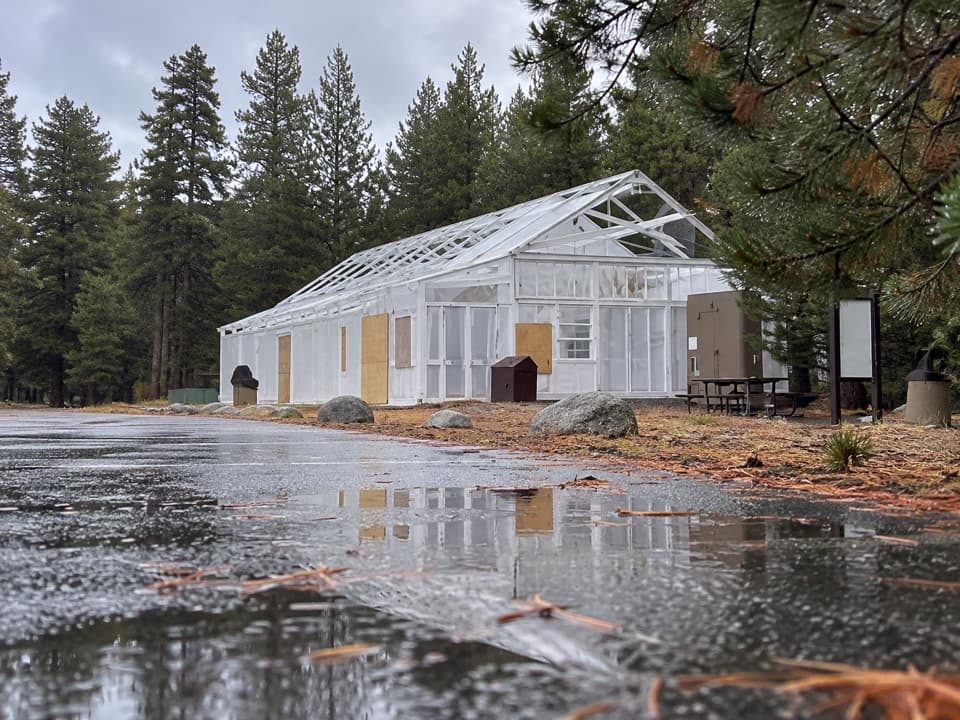 Food · 5.3 mi awayTuolumne Meadows Store and GrillLunch and trail basics before the high-country miles.
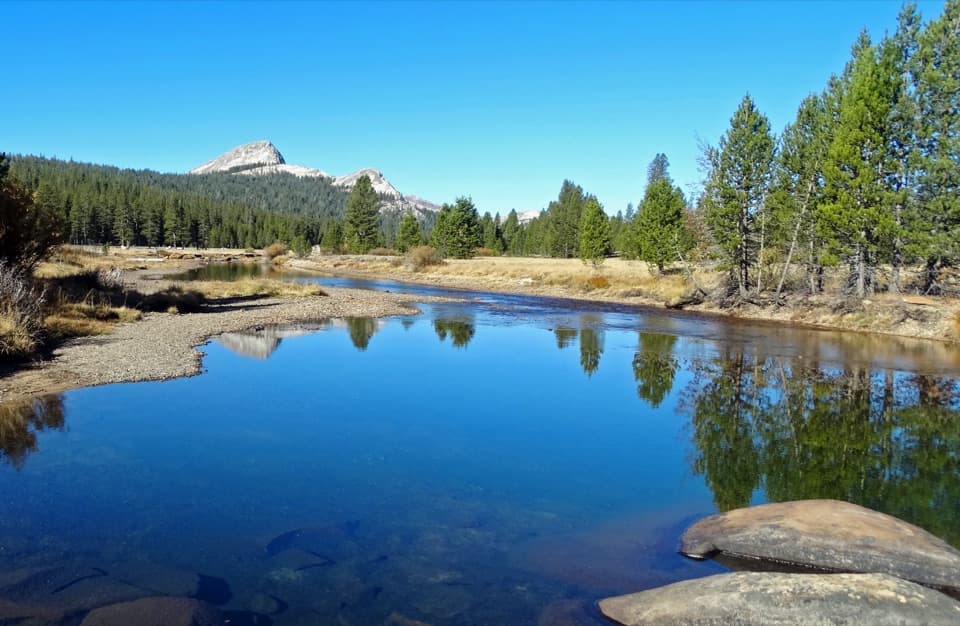 Sight · 5.5 mi awayTuolumne MeadowsA high-country meadow with river bends and granite domes.
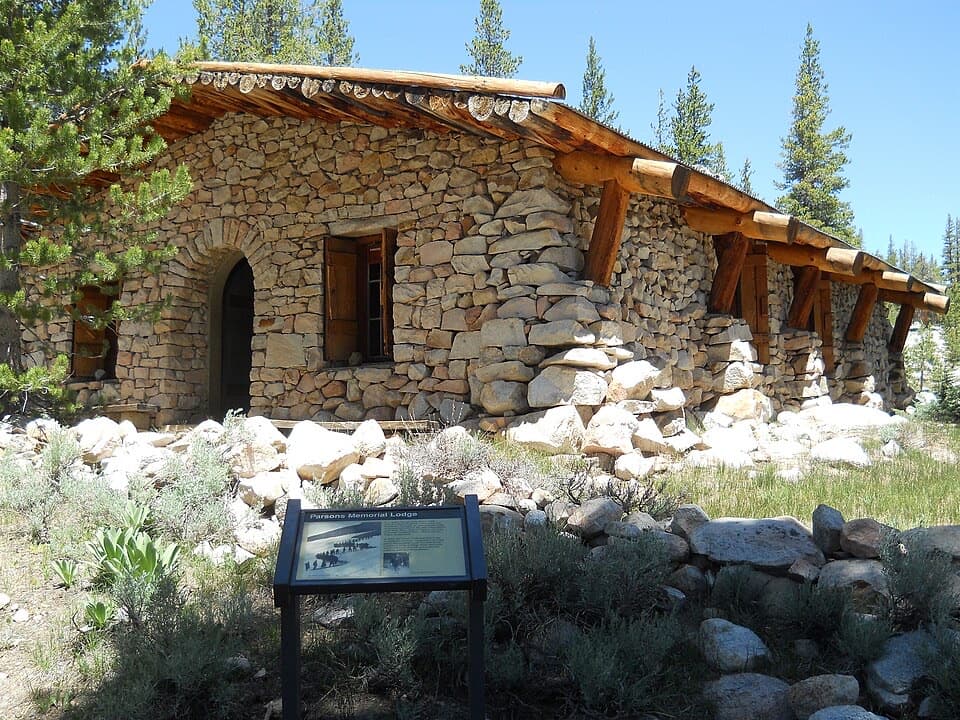 Sight · 5.8 mi awayParsons Memorial Lodge and Soda SpringsA short walk joins a 1915 lodge with bubbling meadow springs.
Parkwolf’s Yosemite ranking

The audio tour guide for the drive, plus offline maps, trails, and wildlife heatmaps for when the signal drops.