
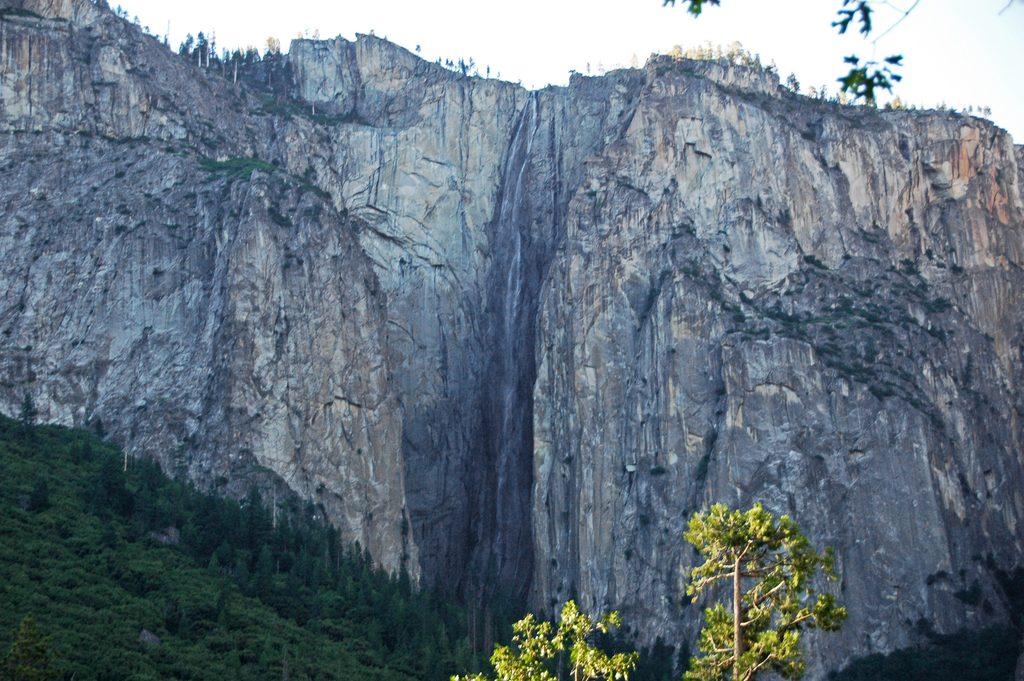
Place · 0.6 mi away
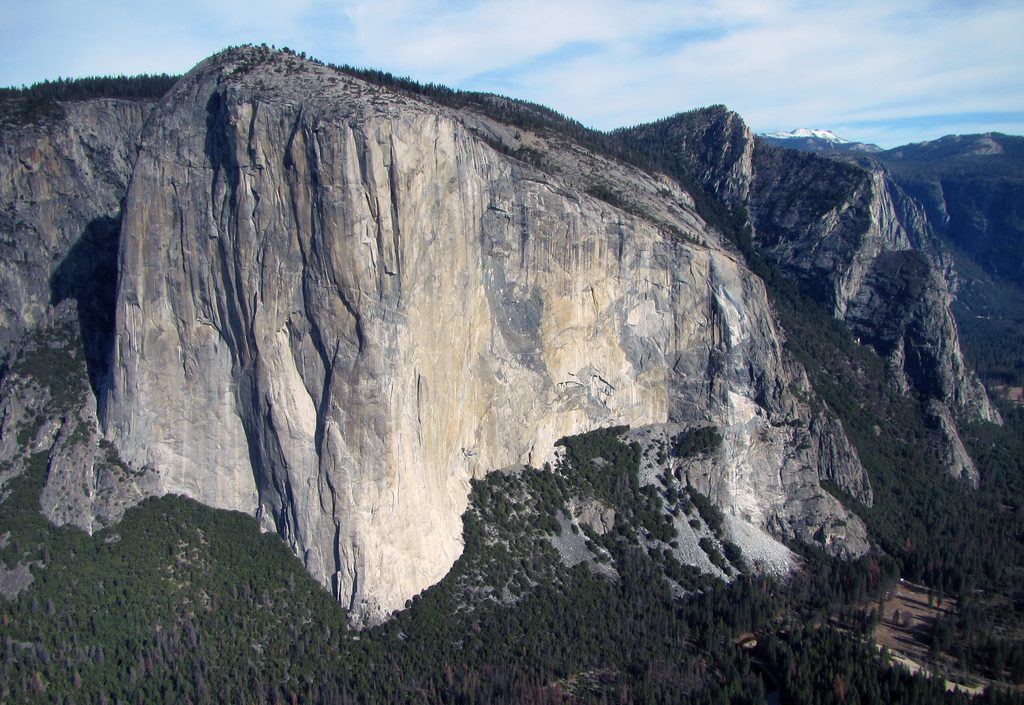
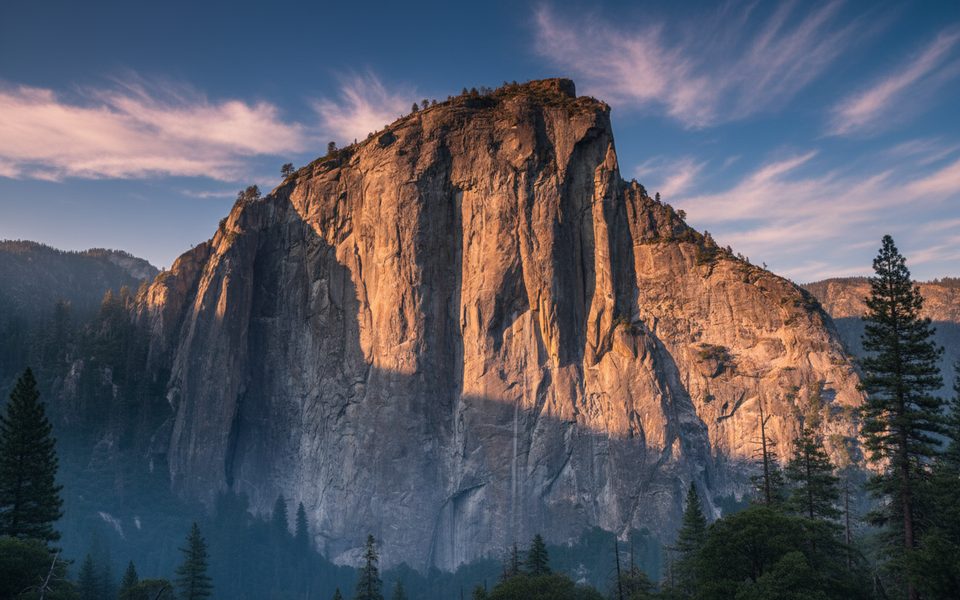
El Capitan is Yosemite Valley’s signature monolith—a 3,000‑foot sheer granite wall that rises straight out of the meadow. It’s the prow of the Valley, glacially sculpted and laced with exfoliation “sheet” joints that make those impossibly clean faces—and also fuel occasional rockfall. Even if you never clip into a rope, simply standing in the meadow and looking up is a thrill.
From El Capitan Meadow you can pick out famous features like the Nose (the prow between the main faces) and watch climbers inch upward. Bring binoculars or a long lens—you’ll spot teams on The Nose, Salathé Headwall, and Zodiac moving between ledges and portaledges. Wildlife is part of the show too: mule deer and coyotes frequent the Valley, and black bears live here (keep your distance and store food properly).
El Capitan is solid Sierra Nevada granite, uplifted over millions of years and later carved by ice. Glaciers widened the Valley into its classic U‑shape and left behind polished slabs, hanging valleys, and vertical faces. Exfoliation joints peel the rock in sheets, helping create that ruler‑straight wall—and contributing to natural rockfall, which the park actively monitors.
This is big‑wall climbing’s Mecca. The Nose, Salathé Wall, Freerider, Zodiac, and the Dawn Wall are routes that defined the sport—from multi‑day aid epics to cutting‑edge free climbs and record‑chasing speed ascents. For visitors, that history means there’s often something happening on the wall; on clear days you can trace climbers’ progress pitch by pitch.
Roadside pullouts along Northside/Southside Drive are limited—use signed turnouts only. The closest facilities are at El Capitan Picnic Area (picnic tables, bear boxes, and a vault toilet; open dawn to dusk). There are no restrooms at the base of the wall. Drones are prohibited in Yosemite. Seasonal route closures protect nesting peregrine falcons; always heed posted signs and current park advisories.
There’s no casual Valley‑floor trail to the summit. A classic, very strenuous option starts near Camp 4 up the Upper Yosemite Falls Trail and continues to El Capitan—roughly a 16+ mile day with major elevation gain. Expect steep, exposed switchbacks, hot sections, and no water taps on route; start early and carry ample water and electrolytes. Climbers typically descend via the East Ledges, which is not a hiking trail.
Rockfall is part of El Cap’s natural life—stay in open, designated areas and respect closures. In the Valley, you may see mule deer and coyotes; bears are present but not often seen—never approach wildlife and follow food‑storage rules.
Aim for early morning or late afternoon for softer light and better photography at Tunnel View and Valley View. Arrive early to beat traffic and secure parking, then use the free Valley shuttle when available. Glacier Point–area viewpoints (like Taft Point) are seasonal; services up there are summer‑only.
Place · 0.6 mi away
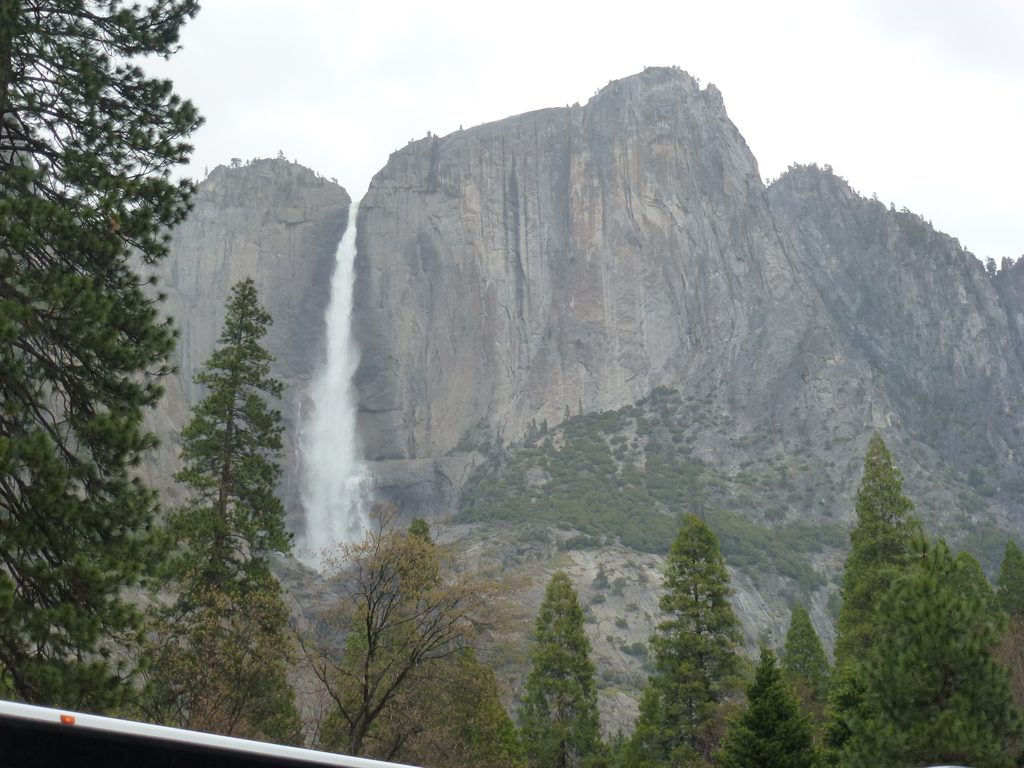
Place · 0.6 mi away
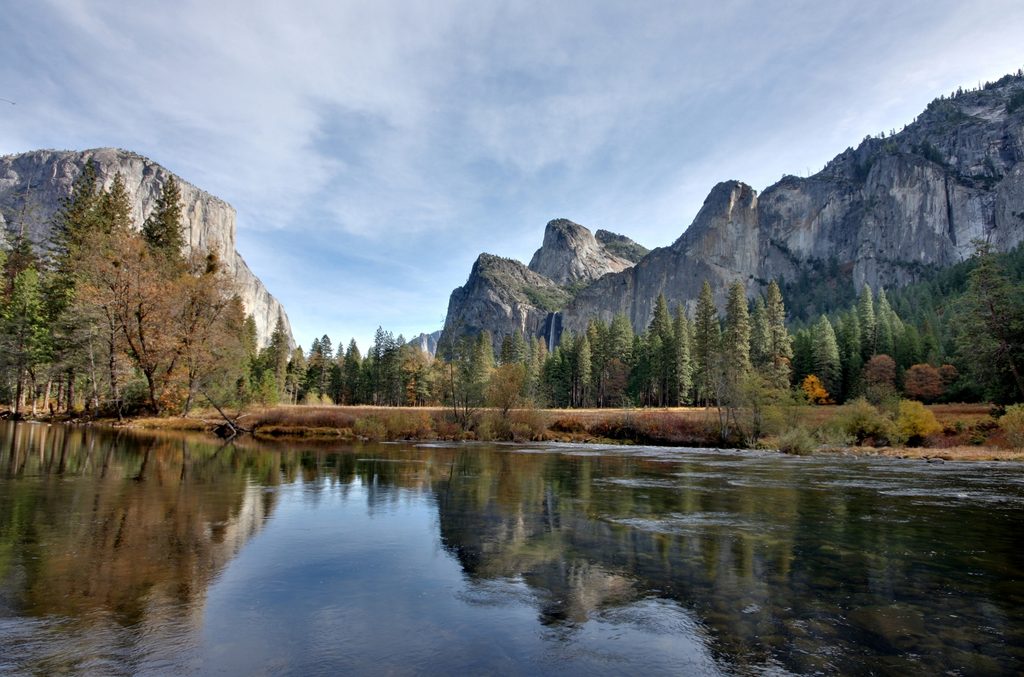
Place · 0.7 mi away
Place · 0.8 mi away
Easy · 1.4 mi away
Challenging · 2 mi away
Challenging · 2 mi away
Easy · 2.4 mi away

Parkwolf Tour Guide
