
Place · 0 mi away
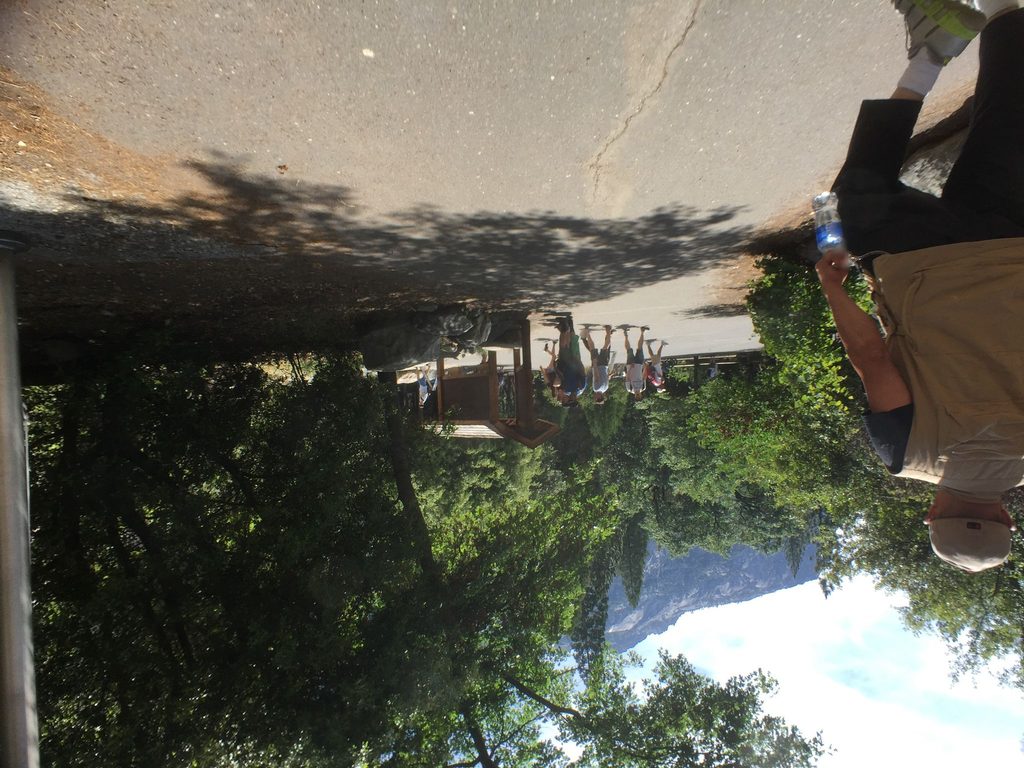
A few steps behind the Yosemite Museum sits a quiet, open‑air cultural site: a reconstructed village representing the Valley’s Miwok and Paiute lifeways. It’s self‑guided, compact, and genuinely thoughtful—great for slowing down between marquee viewpoints and actually learning who lived here.
Follow a short path past traditional structures: a bark house of pine/cedar, a Miwok-style cabin reflecting blended Euro‑American techniques, a chief’s house, a sweathouse, an acorn granary, and a ceremonial roundhouse. The current roundhouse (built in 1992) is used for community ceremonies, and the sweathouse sits on the site of earlier ones—including a 1930s version built by Chris Brown (Chief Lemee). Interpretive signs explain how people built, gathered, and used the plants around you. A small spring/creek threads through the setting, grounding it in the Valley’s landscape.
This is the Ahwahneechee homeland. The exhibit interprets Southern Sierra Miwok and neighboring Paiute traditions—acorn gathering, deer and salmon hunting, and seasonal village life—while acknowledging change after contact. You’ll see how construction styles adapted over time, and how the Valley’s people continued traditions even as they navigated upheaval during and after the Gold Rush.
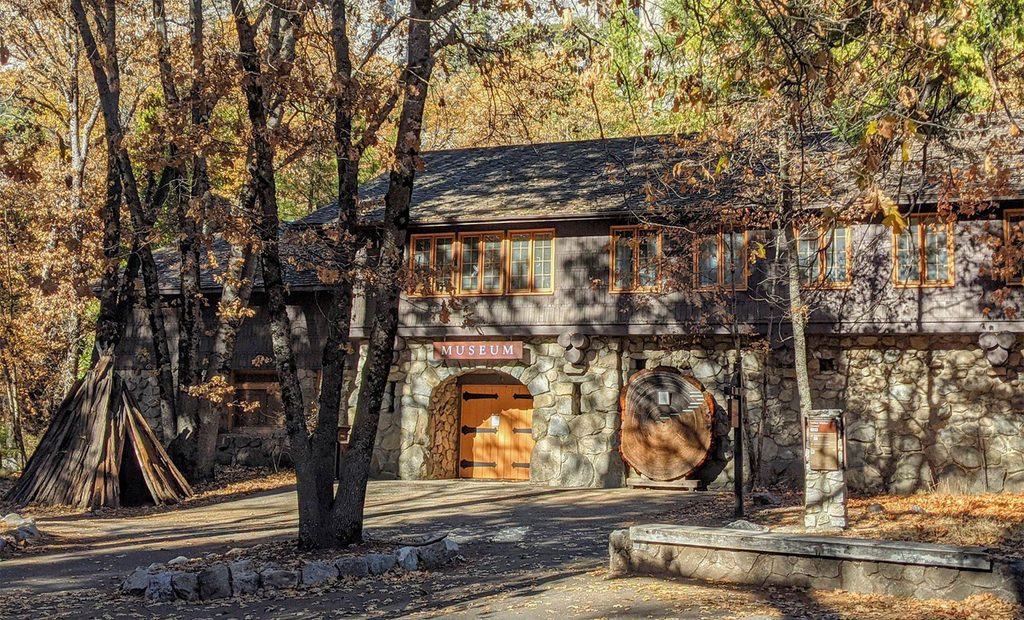
Budget 20–30 minutes if you read the signs; more if you linger. Pair it with the Yosemite Museum next door. Park in Yosemite Village’s day‑use areas, then walk over; once you’re here, everything’s on foot. Treat the space as living culture: don’t climb on structures, handle acorns or bedrock mortars, or cross signed closures.
You’re on the Valley floor—expect mule deer browsing the edges and plenty of birds. Go early or late for the calmest vibe and better chances of wildlife. It’s often surprisingly quiet right after the museum closes.
Place · 0 mi away
Place · 0.1 mi away
Place · 0.1 mi away
Place · 0.1 mi away
Easy · 0.2 mi away
Easy · 0.3 mi away
Easy · 0.5 mi away
Challenging · 0.9 mi away

Parkwolf Tour Guide
