
Place · 0.1 mi away
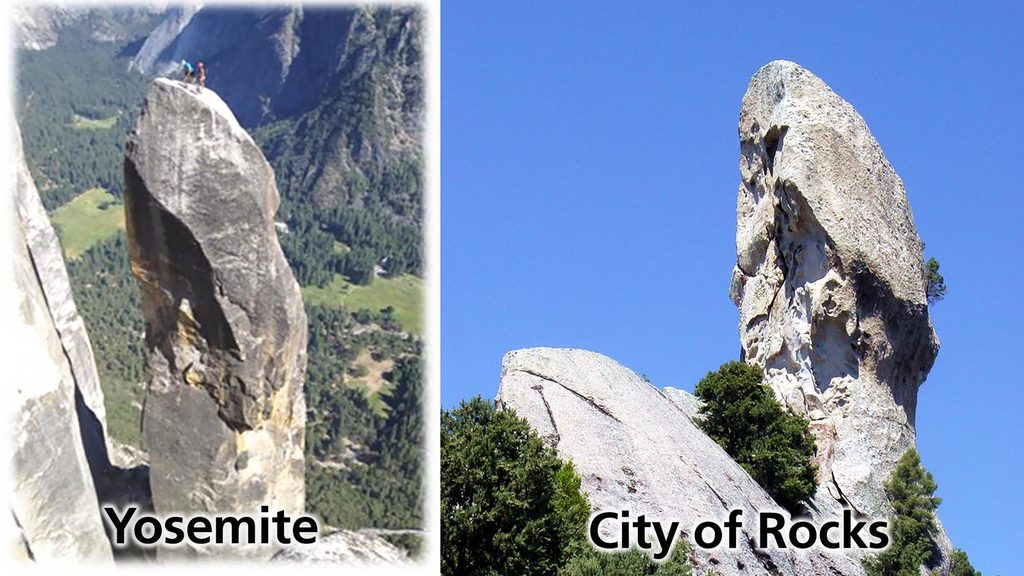
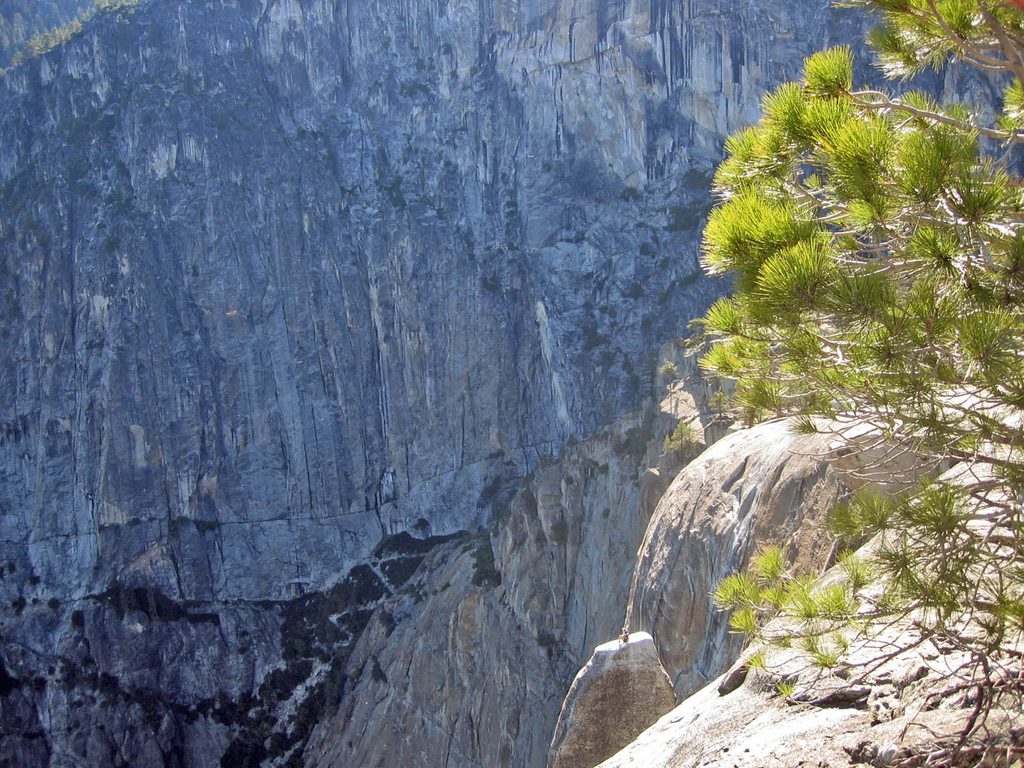
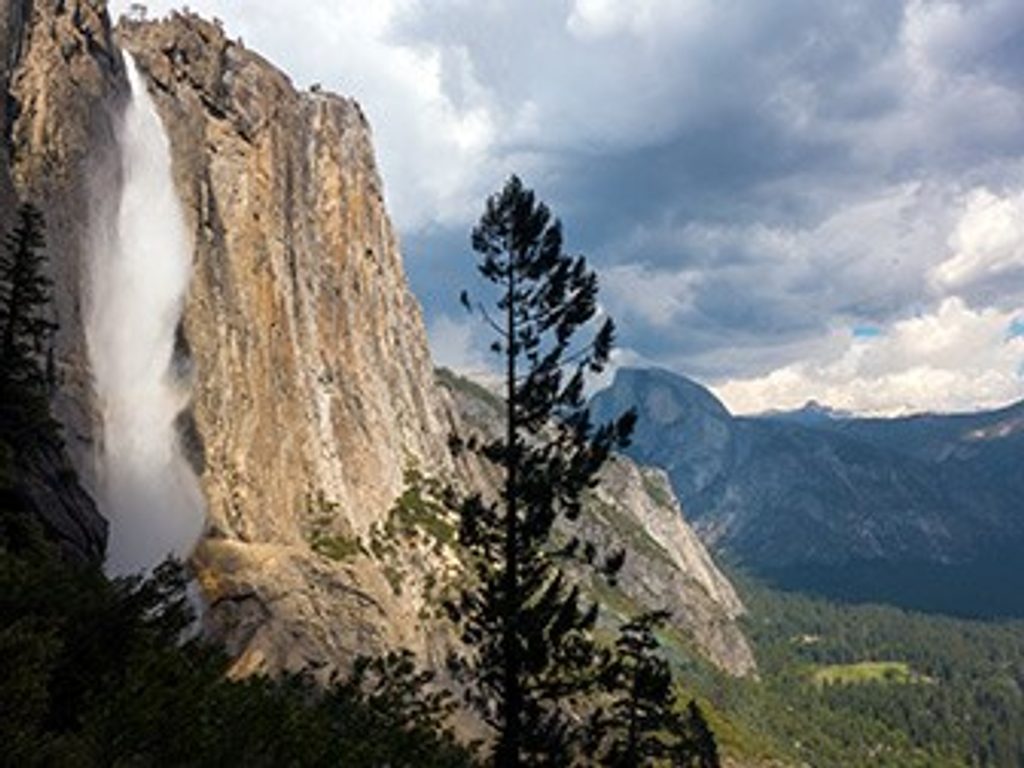
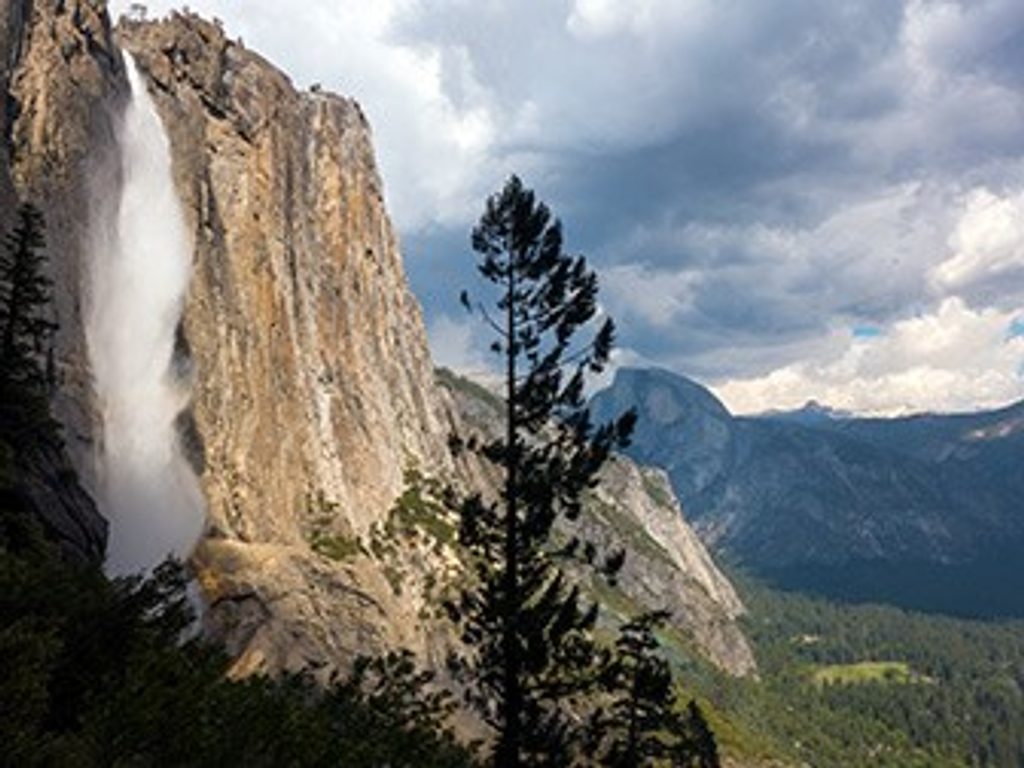
A slender granite pinnacle cleaved from the north rim just east of Upper Yosemite Falls, Lost Arrow Spire is Yosemite drama distilled—sheer walls, roaring water, and a gaping notch between the spire and cliff. It’s a legendary climbing objective and an eye‑popping sight for hikers who earn the rim views.
The spire helped launch Yosemite’s big‑wall era, and its finishing act is a classic: summit the Tip, then return to the rim on a airy Tyrolean traverse. That same gap later became one of the world’s storied highlines. Even if you’re not roped up, watching teams work the spire from safe viewpoints is unforgettable.
Park at the Yosemite Falls parking area near Yosemite Valley Lodge/Camp 4; from there, the Upper Yosemite Falls Trail is your approach. Flush restrooms and drinking water are at Camp 4 by the trailhead, and bear‑resistant food lockers are available at trailheads—use them and don’t leave scented items in vehicles. If lots fill, use the free Valley shuttle to reach the Yosemite Falls/Camp 4 stop. Sleeping in vehicles in lots is not allowed.
The Upper Yosemite Falls Trail is steep, rocky, and sustained with big elevation gain—expect a hard workout up and a knee‑tester down. From the rim near the falls overlook/Yosemite Point area, short side paths reach outlooks toward the notch and spire—use extreme caution near any cliff edges. There are no toilets on the approach or rim; carry a WAG bag as a backup and pack out all trash. Wind can be fierce on the rim, and rocks on the descent can be slick.
From the rim outlooks you’ll peer into the Yosemite Falls amphitheater with the freestanding spire beside it. On many days you can spot climbers tackling the chimney, the Tip pitches, or rigging for the Tyrolean. Views stretch across the Valley, and the scene feels both beautiful and a little vertigo‑inducing. Mosquitoes vary by season but are often mild.
Routes range from serious aid lines to hard free pitches, typically committing and exposed. Many ascents involve dropping into the notch, then climbing the Tip and Tyroleaning back to the rim. This is advanced terrain requiring dialed systems, self‑rescue, and strong headspace; there are no facilities and winds can be brutal.
Mule deer, black bears, and birds of prey are common. Respect any posted raptor nesting closures. Store food properly at trailheads, give climbers/highliners space, and never step on rigging. Stay well back from cliff edges, and follow Leave No Trace—especially critical where there are no toilets.
Place · 0.1 mi away
Place · 0.2 mi away
Place · 0.2 mi away
Place · 0.2 mi away
Easy · 0.7 mi away
Easy · 0.7 mi away
Easy · 0.9 mi away
Challenging · 1.1 mi away

Parkwolf Tour Guide
