Overview
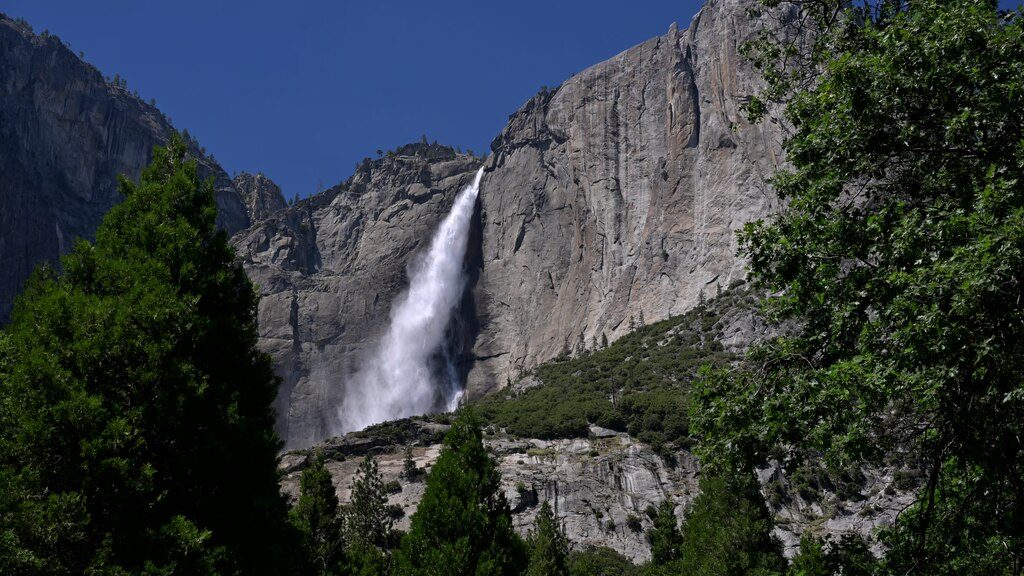
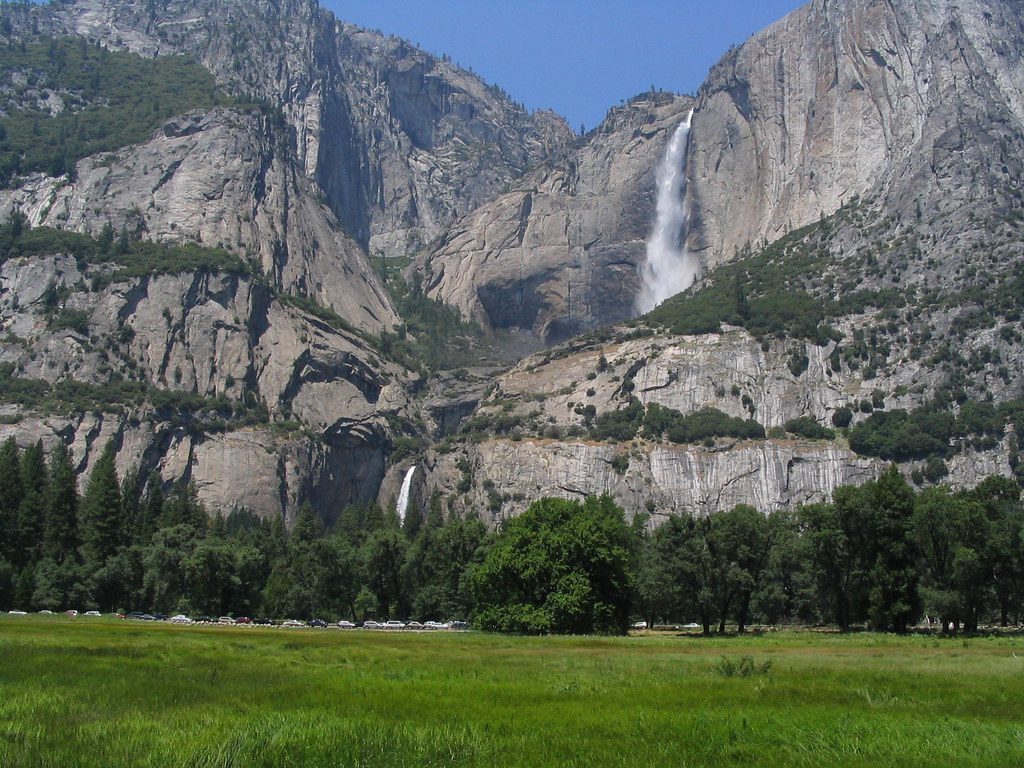
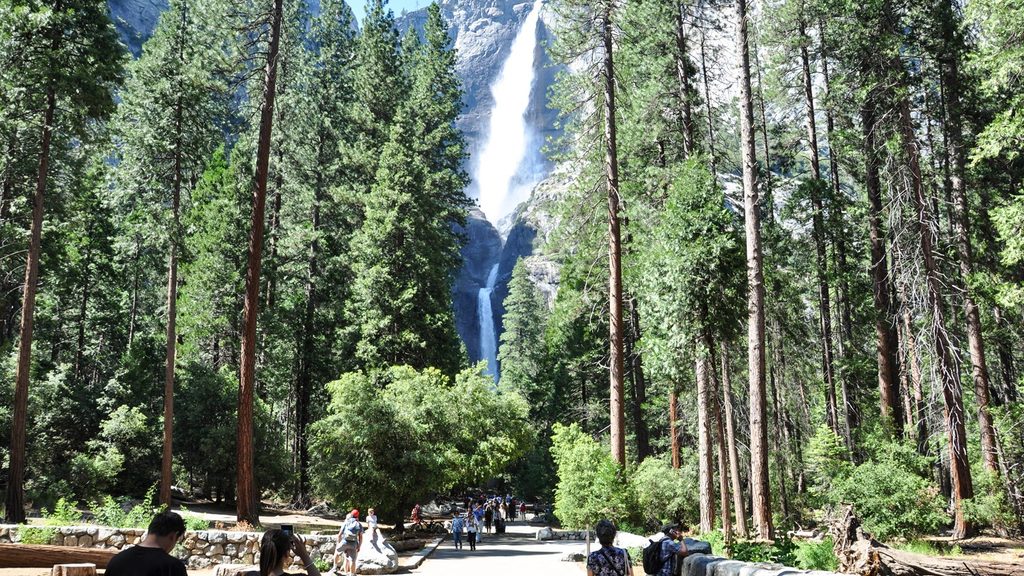
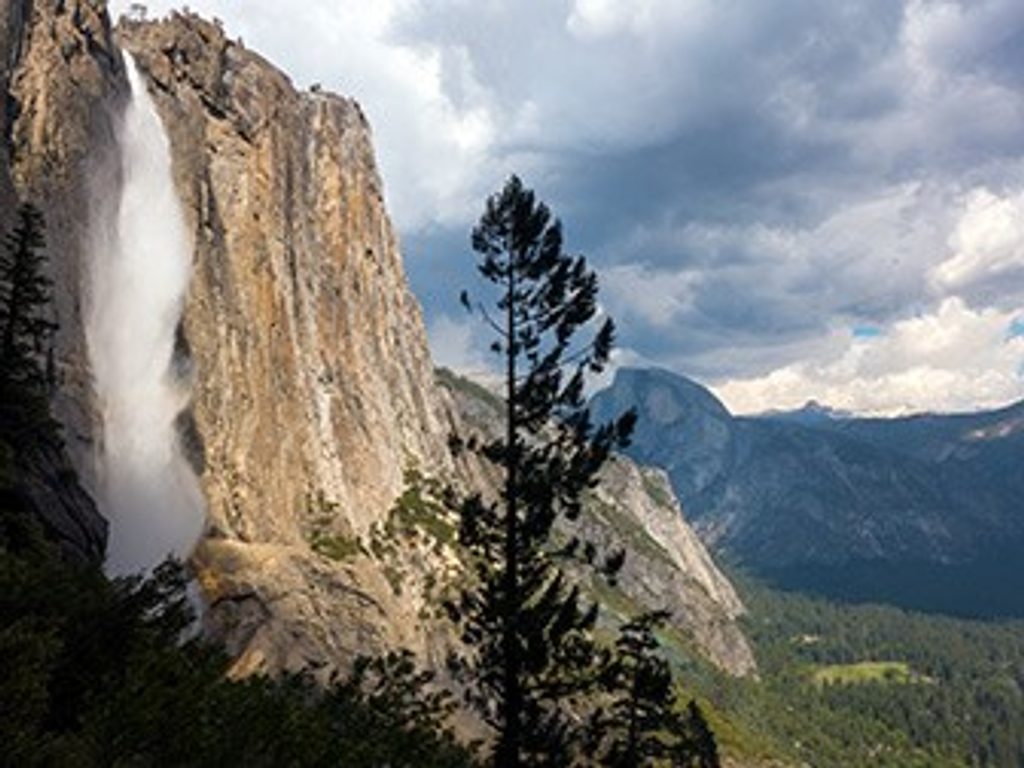
Upper Yosemite Fall is the highest, longest section of Yosemite Falls, plunging 1,430 feet over a granite cliff. Getting right to the brink is an unforgettable experience, but it takes real work: the standard route climbs from the Valley up a relentless set of switchbacks with sandy‑on‑granite footing near the top. Expect 6–8 hours round trip for most hikers.
The Hike: What to Expect
- Lower switchbacks to Columbia Rock: steep but often shaded, with early, wide‑angle views of the Valley.
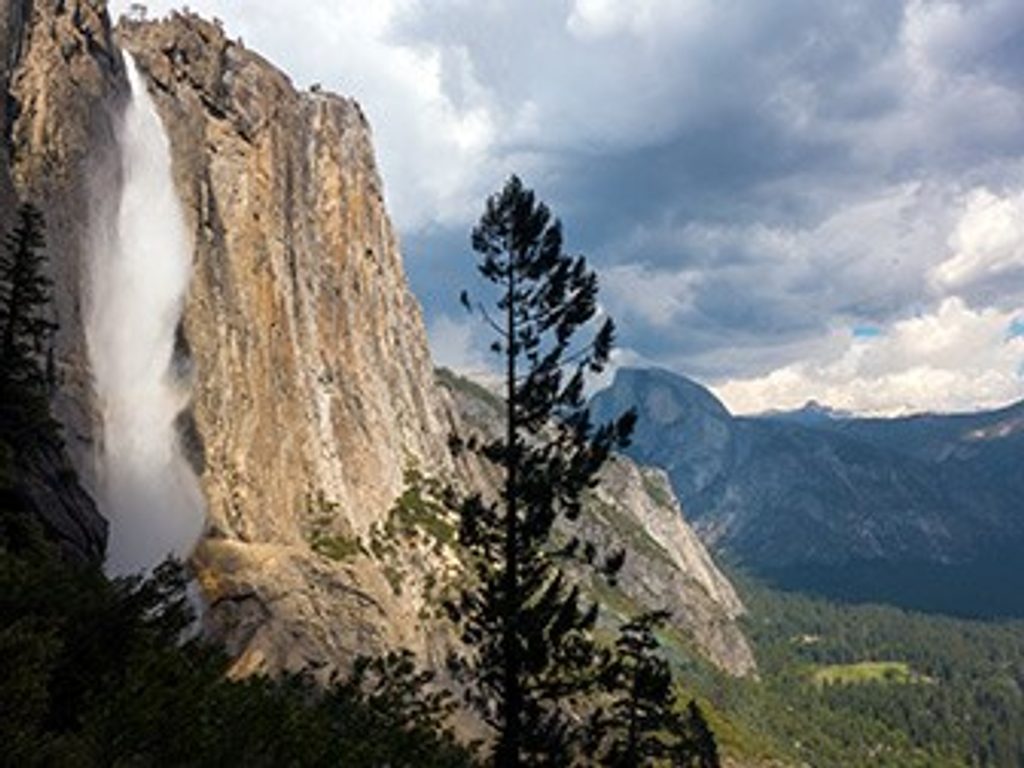
- Middle traverse: airy ledges and big vistas; in high flow, wind and spray can soak you well before you see the brink.
- Final switchbacks: hot, exposed, and gritty—this is where the climb bites back.
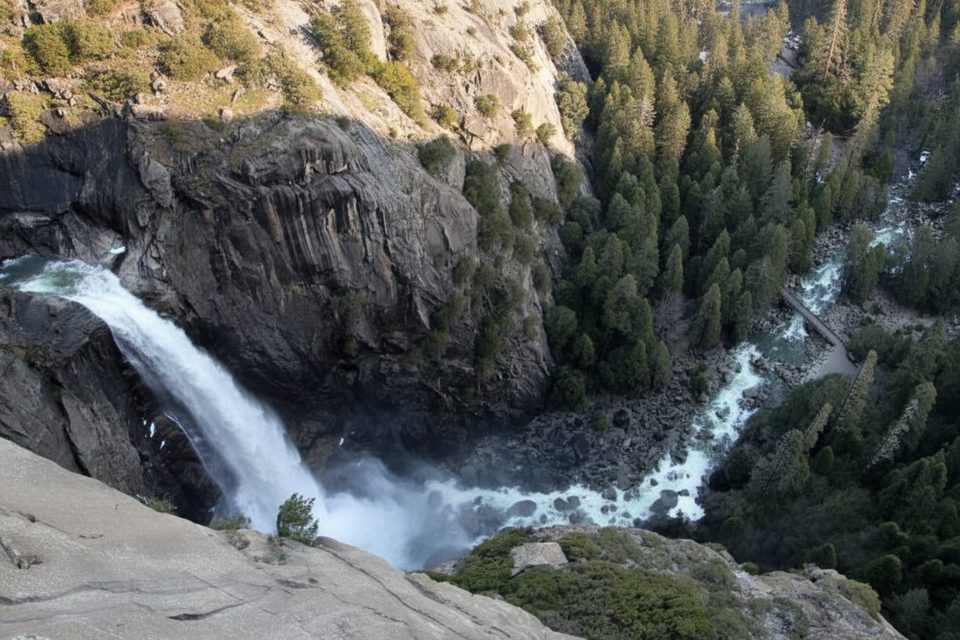
- Overlooks: The brink is raw power and drama; many hikers also love the full‑falls view just beyond Columbia Rock. If you still have gas, Yosemite Point brings broader panoramas; Eagle Peak is a longer add‑on reserved for strong days.
Typical stats: about 7.2 miles round trip with ~2,700 feet of gain. Strong hikers sometimes do it faster, but the descent can be as slow as the climb thanks to rough footing and fatigue.
Logistics
- Trailhead: Across from Camp 4 in the Valley (use the shuttle to stop #7 and follow signs). Camp 4’s lot is for campers only; use the Yosemite Falls parking area just beyond the Camp 4 entrance and arrive early as spaces fill.
- Facilities: No restrooms or drinking water on the trail. Use the Camp 4 restrooms and the drinking fountain near the trailhead before you start.
- Packing: Bring 3–4 liters of water per person for the full climb, salty snacks, sun protection, layers for wind/mist, and trekking poles for the tall steps and the knee‑pounding descent. A headlamp is smart insurance.
Safety
Stay on the trail, respect railings, and never enter Yosemite Creek above the falls—wet rock, sudden gusts, and exposure make the brink area unforgiving. In winter and shoulder seasons, expect snow/ice up high; traction devices and a pole help a lot. Rain or mist can make granite slick.
Geology in a Nutshell
Glaciers carved Yosemite’s hanging valleys, setting the stage for waterfalls like this one. A glacial moraine later diverted Yosemite Creek to its current path, forcing the water over today’s sheer drop. Yosemite Falls in total (Upper + Middle Cascades + Lower) drops 2,425 feet.
Best Time to Visit
- Start at first light to climb in shade, beat the heat, and stay ahead of the crowds.
- Spring offers the biggest flow and misty rainbows; late summer can run low or even dry.
- For photos, golden hour views from Columbia Rock can be fantastic—budget at least an hour for the descent back in fading light.
- Winter can be gorgeous but icy; plan gear and daylight accordingly.