Place · 0 mi away

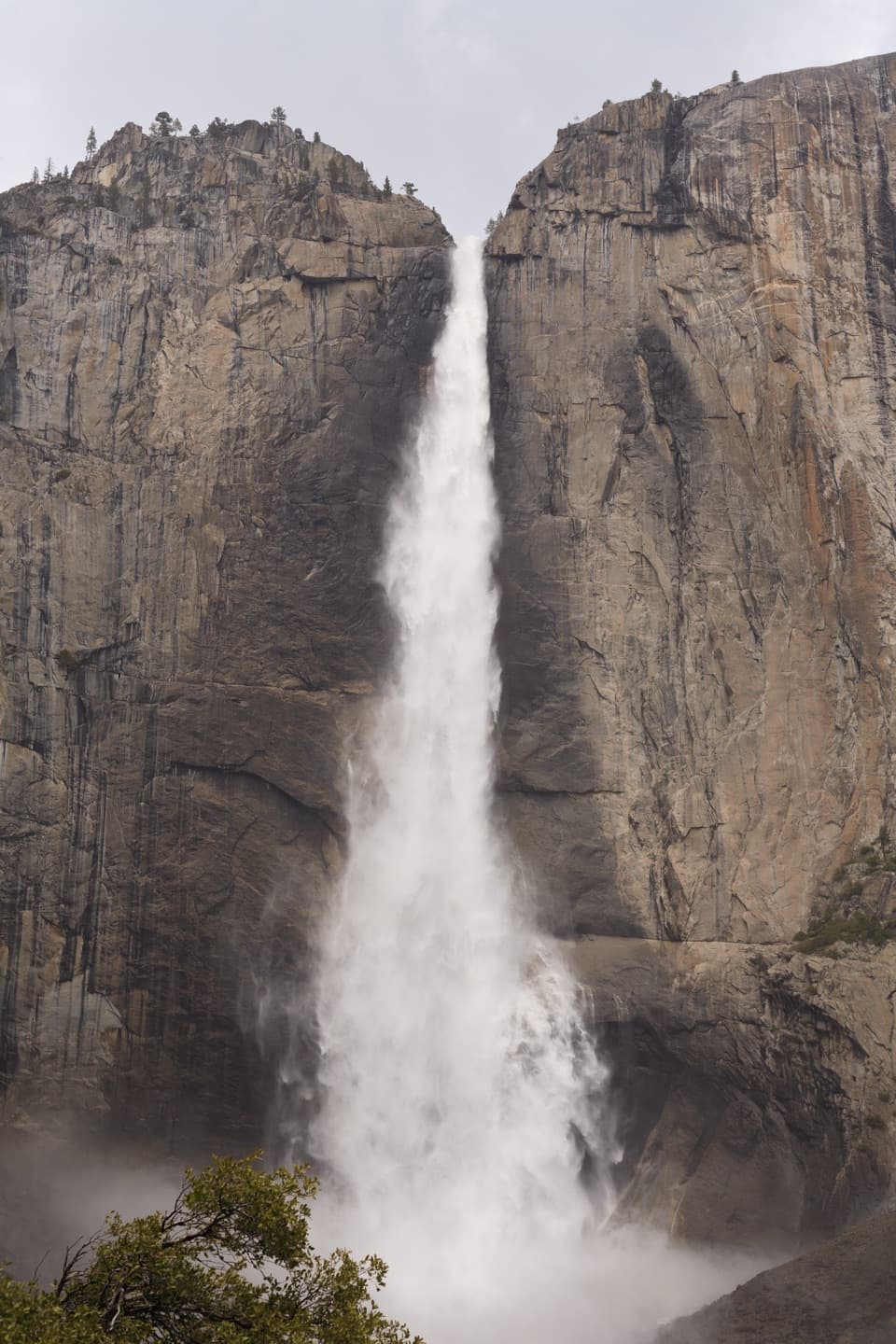
Yosemite Falls is the park’s signature cascade: a three-part drop totaling 2,425 feet that you can see from all over the valley. In spring it thunders, throwing mist and rainbows; by late summer it often dwindles. Whether you stroll to the base or grind up the cliff to its brink, it’s a sight that earns a spot on any itinerary.
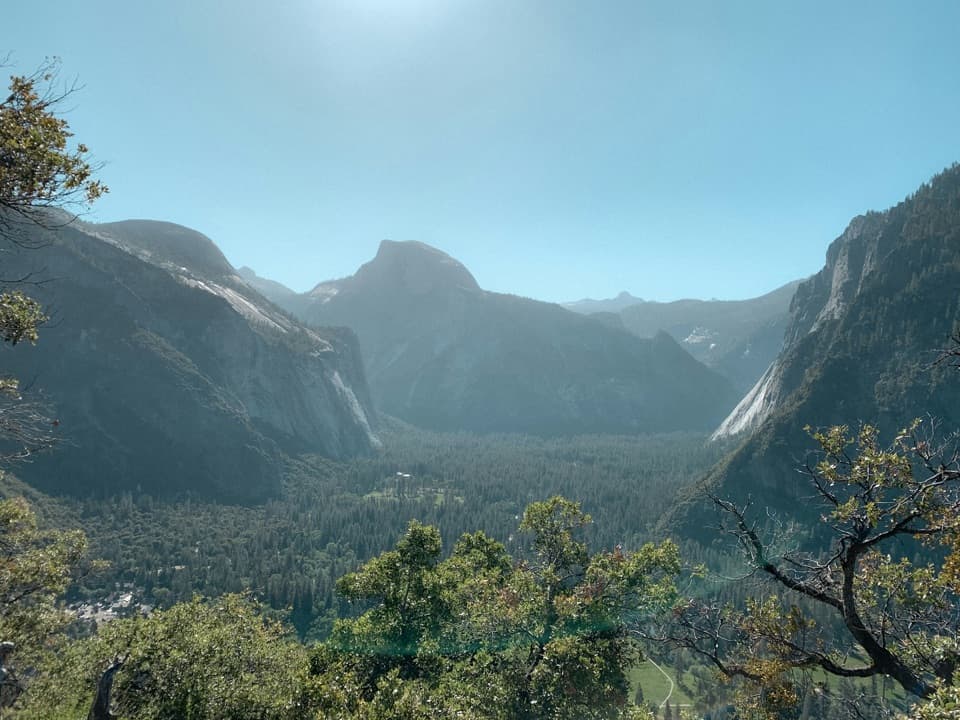
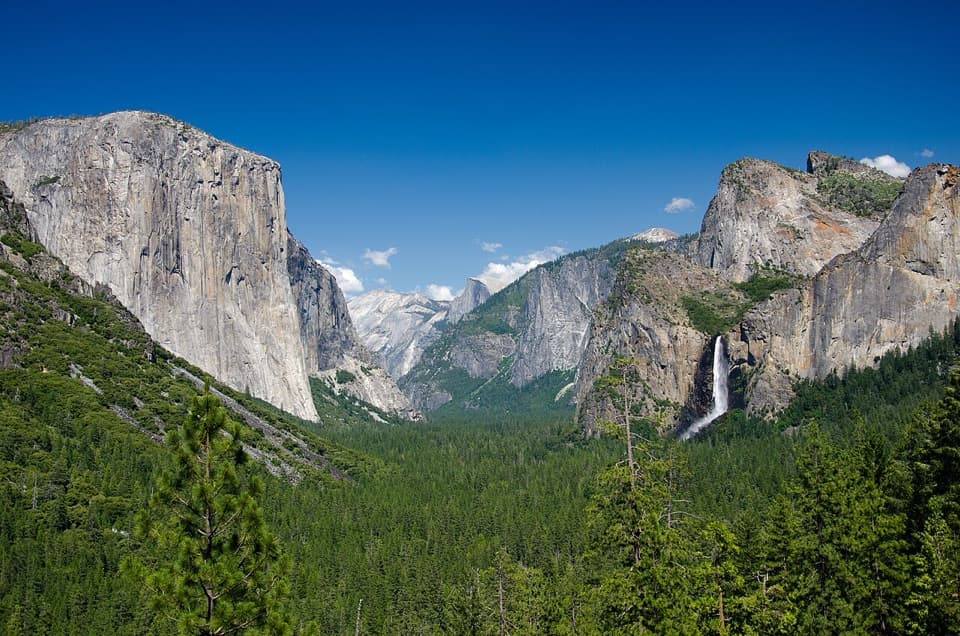
Yosemite Valley was carved by glaciers into a broad U-shaped canyon with steep walls and hanging tributaries—perfect recipe for waterfalls. A quirky twist created Yosemite Falls specifically: a moraine (glacial debris) diverted Yosemite Creek from an older gully and sent it over today’s lip, producing the huge vertical plunge you see now.
Flow tracks snowpack. Expect the roar and spray in spring (peak snowmelt), with noticeably lower flows by late summer. In drier years it can be a trickle late season; in big-snow years it stays strong longer.
Trailhead services near Camp 4 and the Yosemite Falls parking area include flush toilets, potable water, and food lockers. Parking options exist around Yosemite Valley (including near Yosemite Valley Lodge, Curry Village, and the day-use lot), and the free valley shuttle makes reaching the trailhead painless once you’ve parked. The Lower Yosemite Fall picnic area also has potable water and flush toilets.
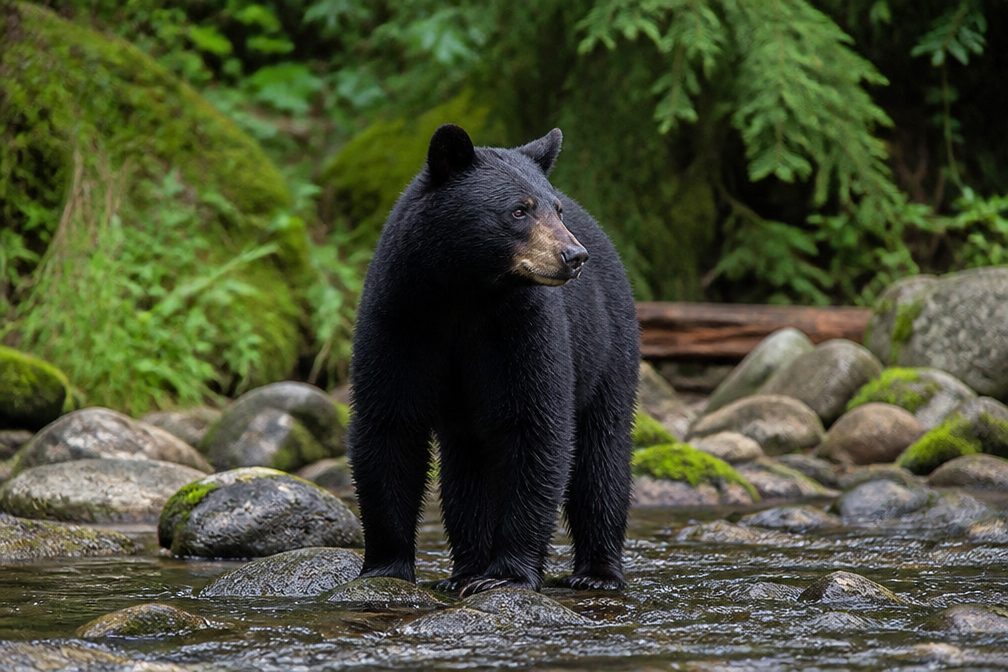
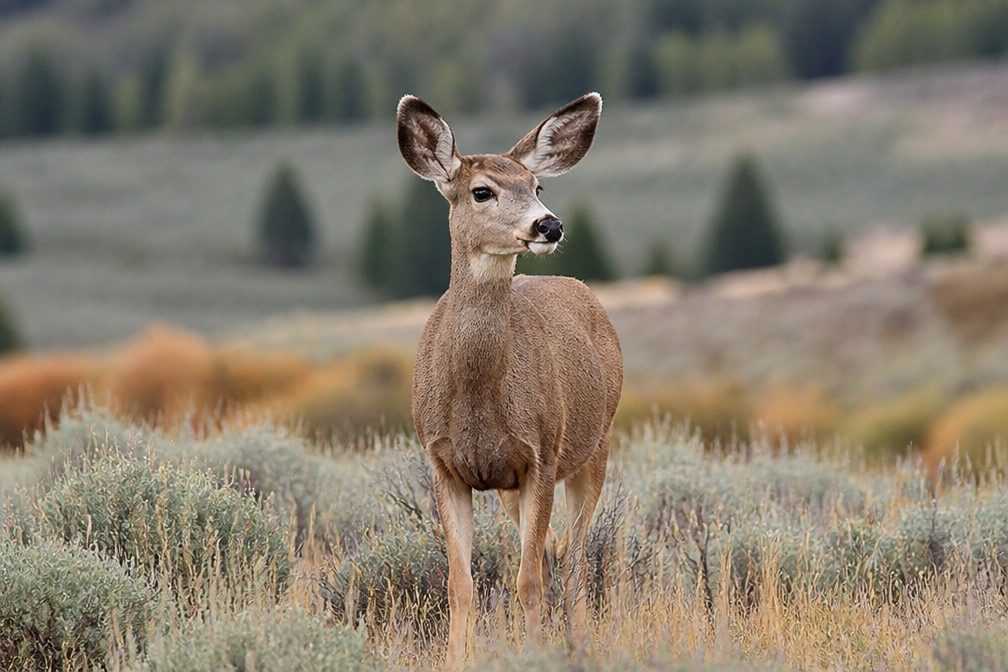
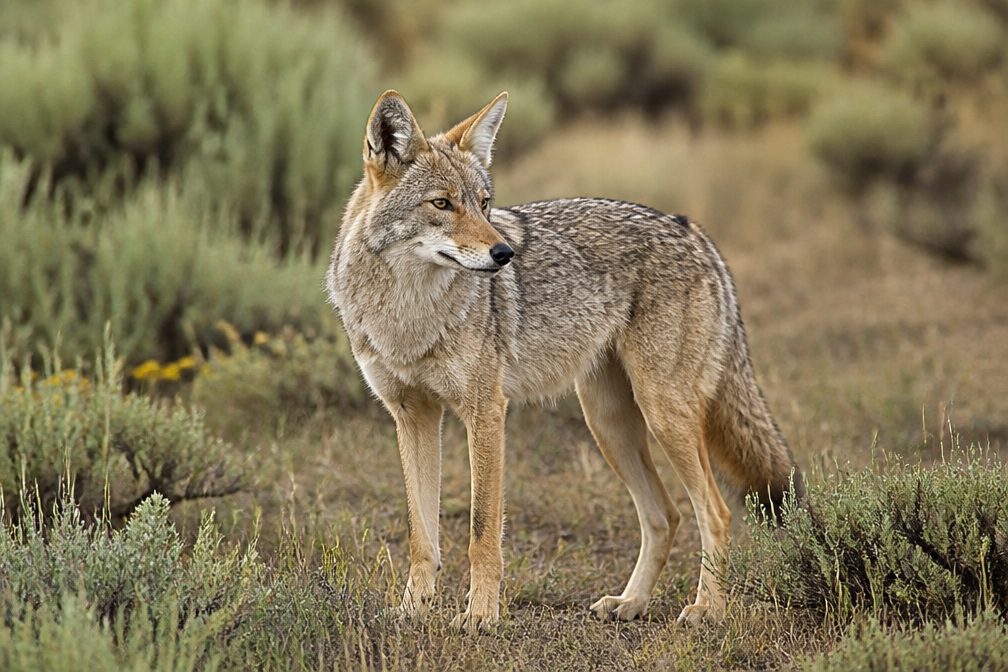
Rockfall is an active, natural process in Yosemite—stay on signed trails and heed closures near cliffs and talus. On trails, restrooms are scarce; follow Leave No Trace and pack out any used toilet paper. Wildlife is ever-present: keep your distance, secure food in lockers, and never feed animals.
Absolutely. Even if you only have time for the Lower Fall loop, Yosemite Falls is one of those rare places that’s both effortless to experience and genuinely awe-inducing. If you’ve got the legs, the Upper Falls hike turns a postcard into a full-on epic.