Place · 0.2 mi away

High on the Kolob Terrace, Lava Point Campground is the park’s quiet, high-elevation hideout. With just six primitive sites tucked among pines and aspens at 7,890 feet, it’s a world away from the bustle of the main canyon—cooler by 10–20°F and blessed with big night skies.
This is true dry camping: each site has a picnic table, fire ring, and trash receptacle, and there are pit toilets. There’s no potable water and no hookups. The campground runs seasonally (typically May–September, weather permitting) and is reservation-only with a nightly fee. Cell service is limited and there’s no on-site payment, so have your booking squared away before you drive up.
Reaching camp involves a scenic drive up Kolob Terrace Road and a short spur. Conditions can change with weather, and larger rigs aren’t advised. The road to the campground restricts vehicles longer than 19 feet—take that seriously unless you enjoy hairpin turn stress.
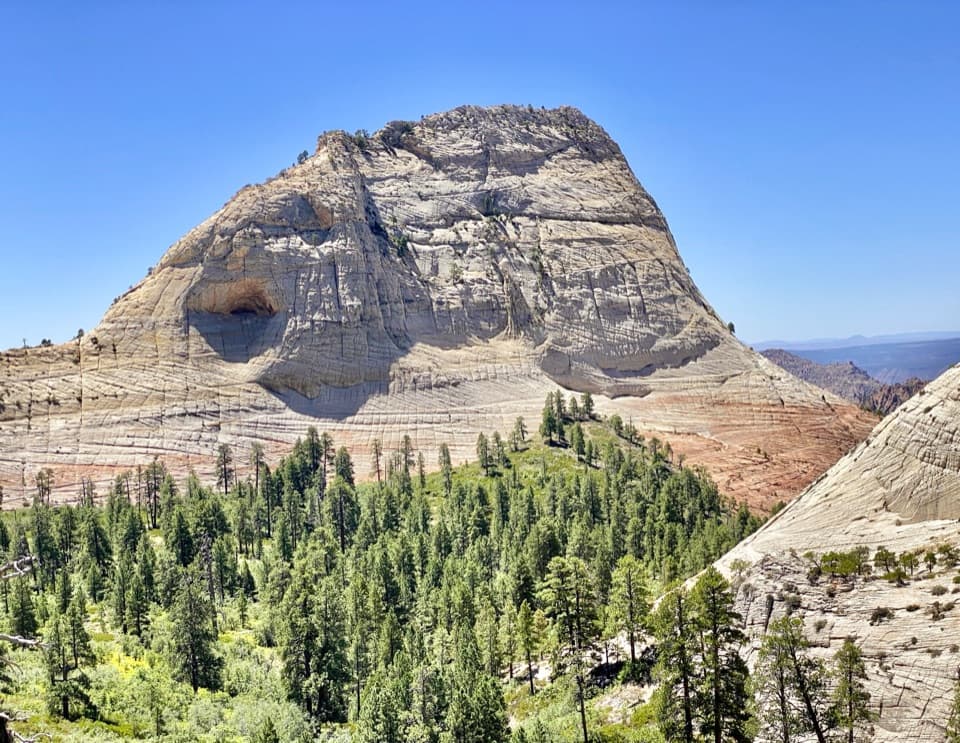
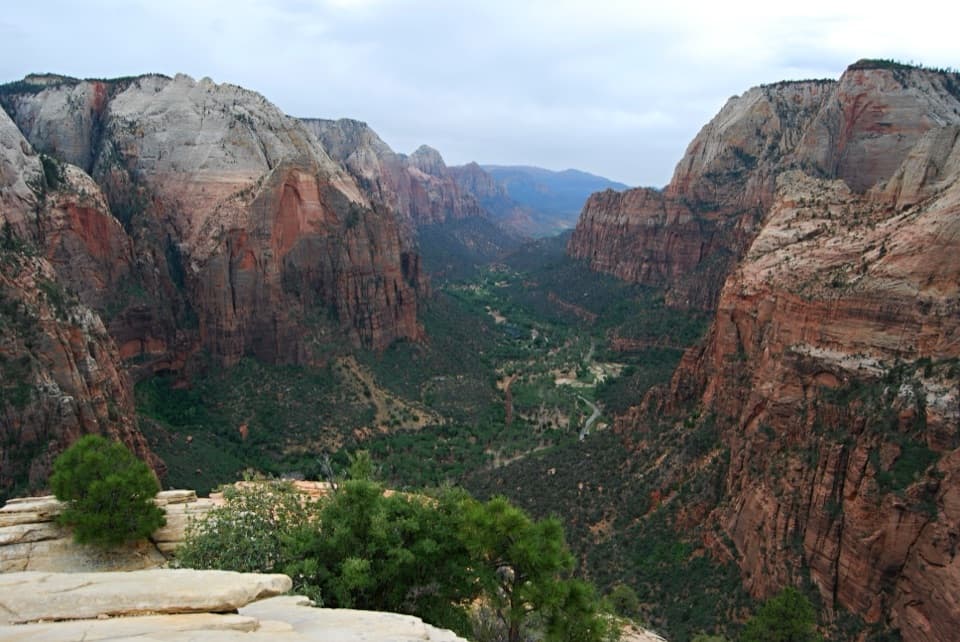
A five-minute walk leads to Lava Point Overlook with sweeping views south over Zion’s canyons. From camp you can hop onto Barney’s Trail to connect with the West Rim for classic vistas and quieter miles. Kolob Reservoir is a short drive for a change of scenery and some fishing or paddling.
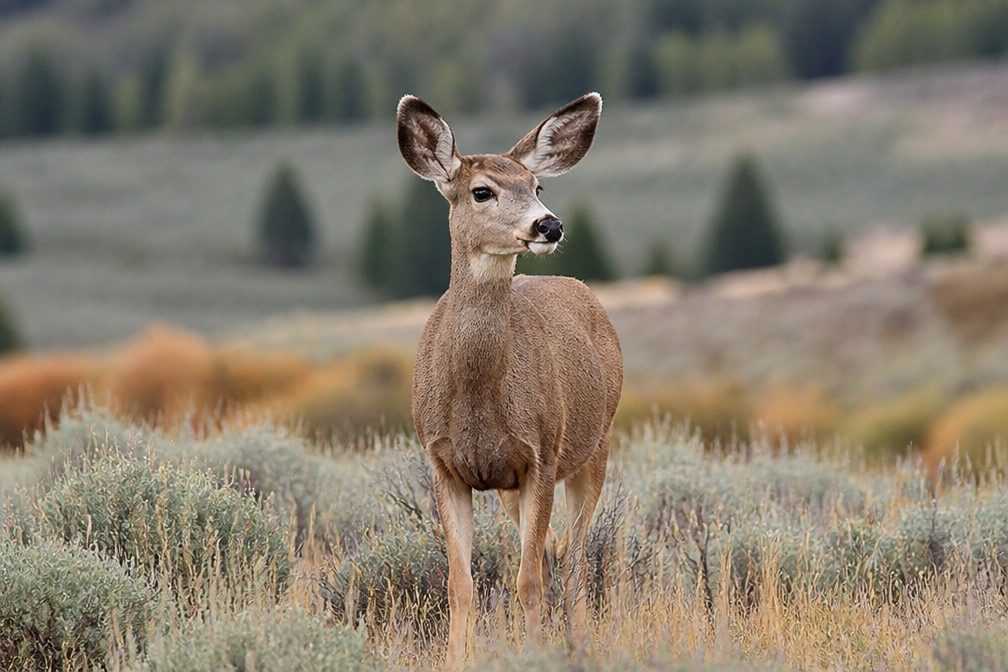
You’re camping on a basalt-capped terrace—hence the “Lava” in Lava Point—with sandstone country dropping away to the south. Deer are common around camp, raccoons and squirrels are opportunists, and the dark skies are fantastic for stargazing when clouds cooperate. Store food securely and enjoy the nocturnal soundtrack of owls.
Expect primitive facilities: pit toilets, designated fire rings (subject to seasonal restrictions), and quiet hours. Fires are allowed only when conditions permit; bring a way to fully extinguish your campfire and never collect wood in the park. Pets are allowed in developed areas and must be restrained.
Midweek is your best bet to snag a reservation at this tiny campground. Summer brings comfortable sleeping temps up here, while afternoon thunderstorms can pop up—watch the forecast and avoid exposed overlooks during lightning. For photographers, aim for golden hour at the overlook and linger for Milky Way viewing on clear nights.