
Place · 1.4 mi away
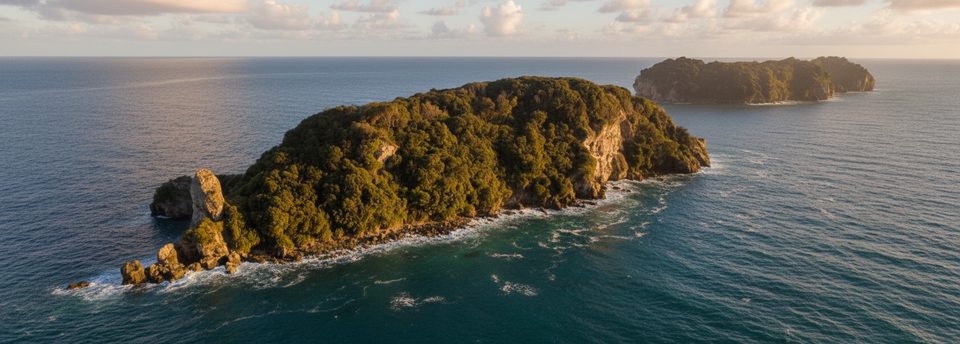
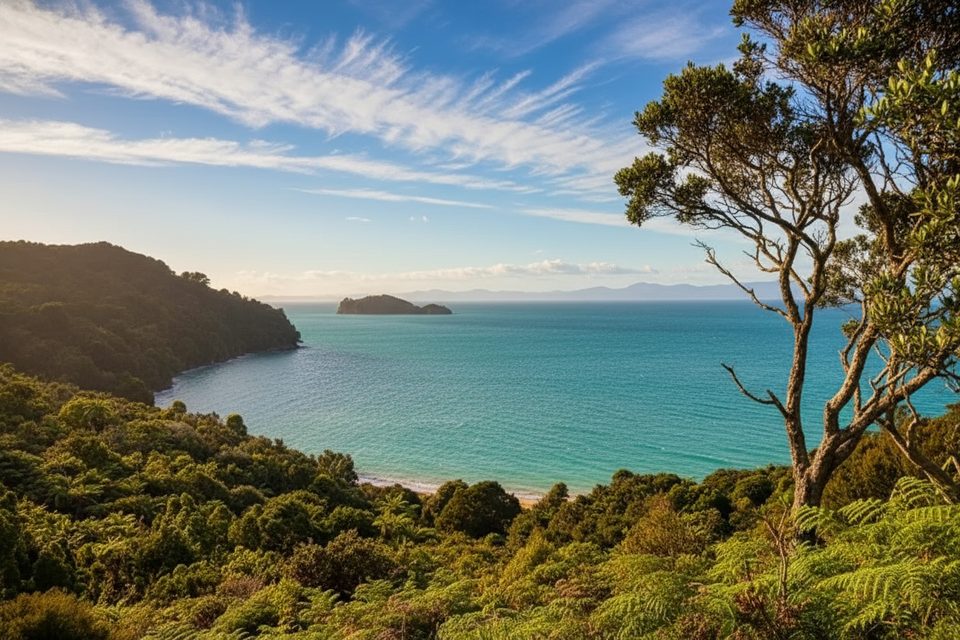
Just off Tata Beach in Golden Bay, the Tata Islands (Motu and Ngawhiti) are two low limestone islets, each roughly 30 m high. Their porous limestone soils make them noticeably greener than the park’s usual granite headlands—small, rugged, and packed with life.
This is a superb half‑day paddle: close to shore, scenic, and full of wildlife. You’re here for dramatic rock walls, small sea caves and crevices, and the constant chatter and wing‑beats of seabirds circling the cliffs.
The islands host one of Aotearoa New Zealand’s largest colonies of spotted shags, which nest in the rock crevices. Seals and penguins are also seen around the islets. Restoration plantings include Cook’s scurvy grass, helped along by nutrient‑rich seabird guano, and the waters act as nursery habitat for fish.
Best reached by sea kayak or small boat from Tata Beach; local guided half‑day kayak tours operate in Golden Bay. There are no facilities on the islands—no toilets, water, bins, fires, or camping. Treat the islets like a wildlife sanctuary: keep well back from nesting birds, keep noise down, and don’t land unless current DOC guidance explicitly allows it. Regular Abel Tasman water taxis servicing the Coast Track don’t typically go out to the Tata Islands.
Signs of early Māori use include vegetation that suggests the islands were burned long ago. Ngawhiti was once mined for limestone, and in 1908 the government took the islands under the Public Works Act while a cement company investigated port options (the islets were viewed as a rare safe harbour in Golden Bay). A Norwegian settler lived here in the 1930s as the “Hermit of Tata Island.” The islands were added to the national park in 1954. In the early 2000s they were considered—but not adopted—as a marine reserve site; a separate marine reserve protects other parts of the coast.
Aim for morning when winds and seas are typically calmer; afternoon sea breezes can kick up short, choppy waves. The area has a mild climate year‑round (think warm summers and cool winters), but conditions change quickly—carry layers, sun protection, and plenty of water.
Check marine weather, swell, and tides before launching. Wear a PFD and carry reliable communication. Keep a generous distance from roosting or nesting birds—if they take flight, you’re too close. If you plan to fish elsewhere along the coast, know the local marine reserve boundaries and rules.
Place · 1.4 mi away
Place · 1.6 mi away
Place · 2.5 mi away
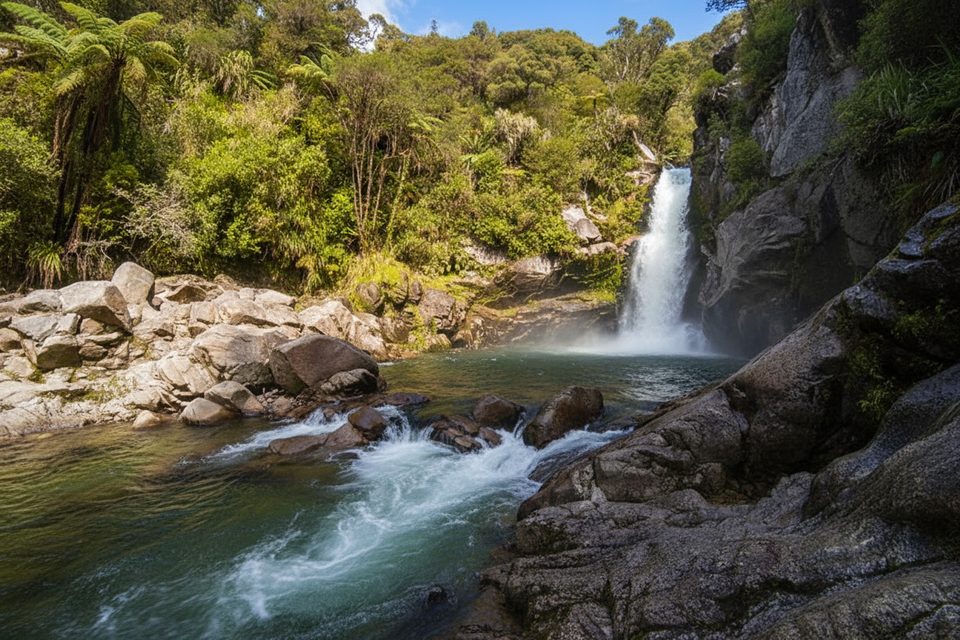
Place · 3.3 mi away
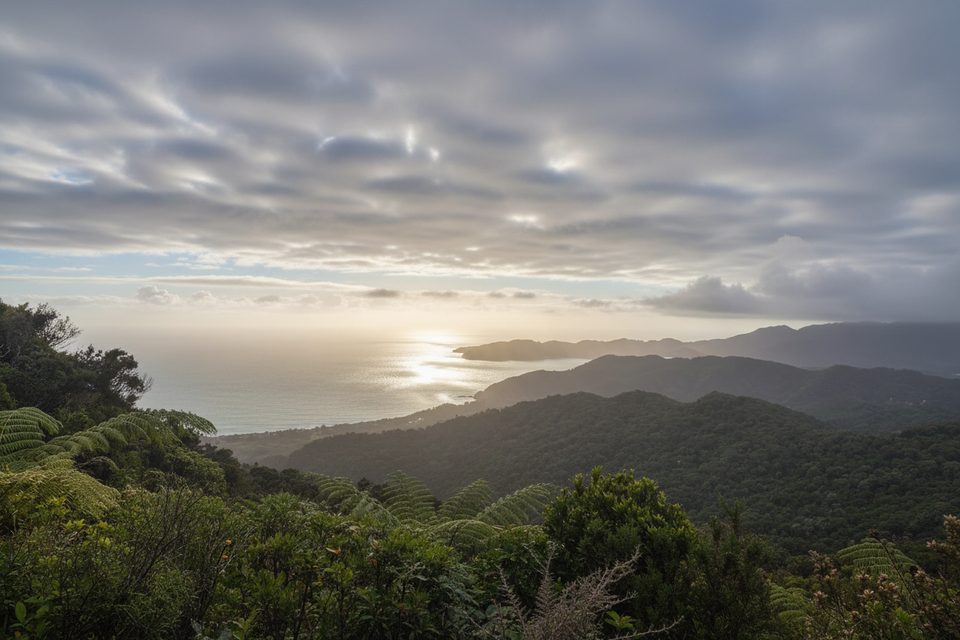
Moderate · 2.3 mi away
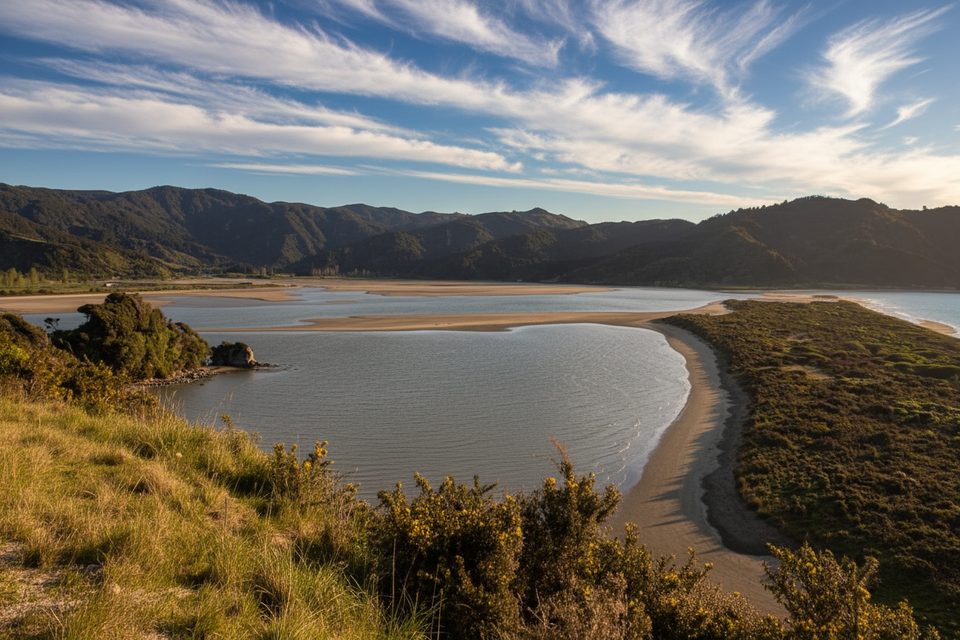
Moderate · 2.3 mi away
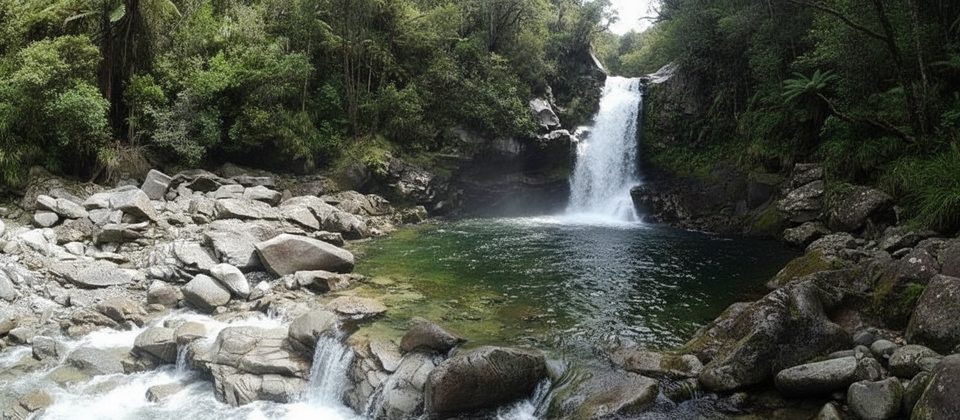
Easy · 2.9 mi away
Easy · 5 mi away

Parkwolf Tour Guide
