Best time to go
The walk can be very busy in summer. Autumn is usually quieter while still warm. Wainui Bay car park is about 20 km from Tākaka; the track sign is roughly 300 m beyond Wainui River Bridge.
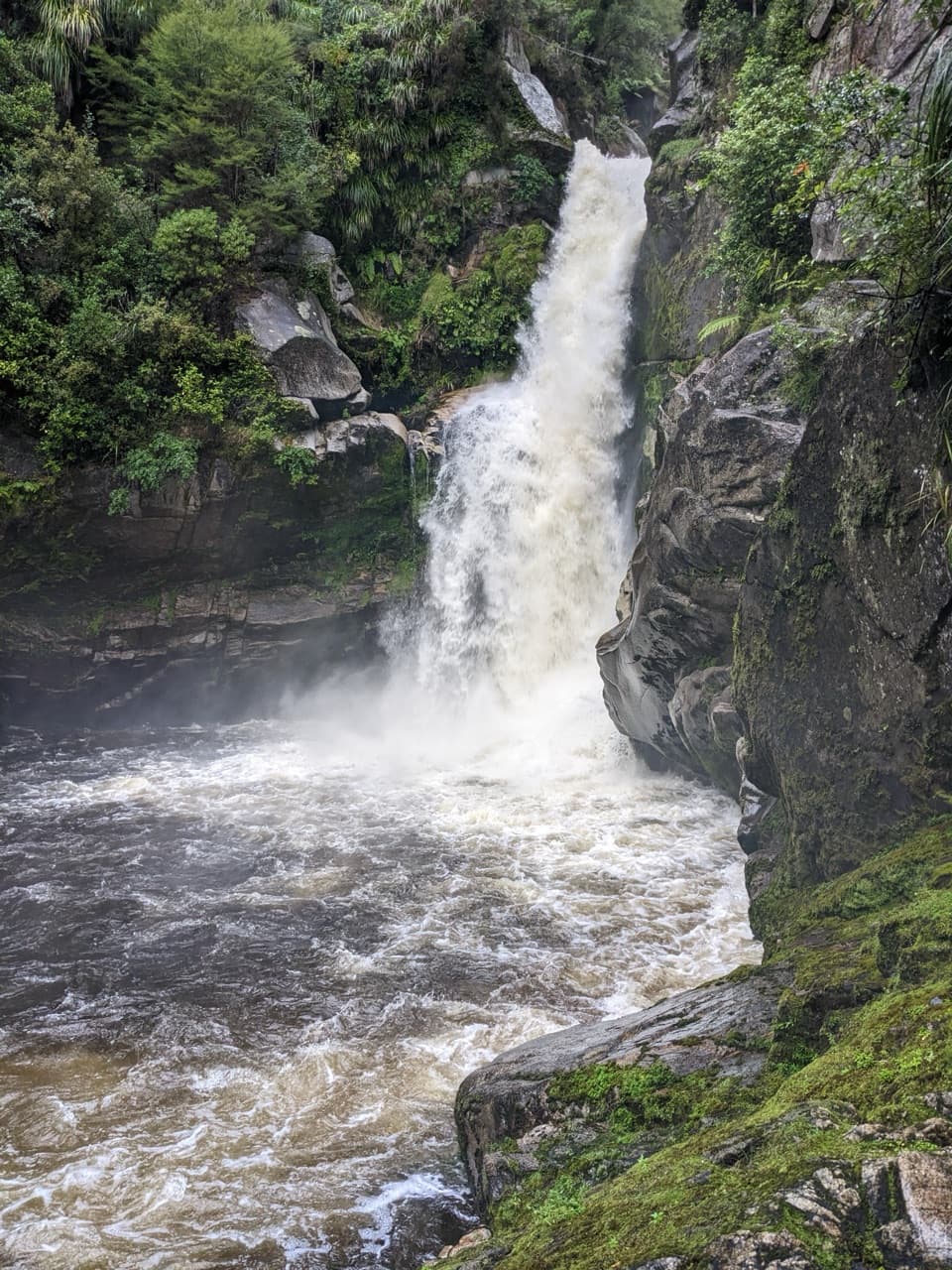
#5 of 37 sights in Abel Tasman
Sight · Abel Tasman National Park
Granite, palms and a powerful waterfall reward the forest walk.
Overview
Map
Plan your stop
The highest, rockiest slopes around here are a summer buffet for grizzly bears.
Abel Tasman Tour Guide
Parkwolf is a GPS audio tour guide for Abel Tasman National Park. As you drive, it chimes in with what’s ahead: hidden gems, upcoming stops, history, geology, and wildlife, right through your car’s speakers.
Recorded for this place
Wainui Falls“You're nearing the road access for Wainui Falls, a good choice for a short waterfall walk.”
Plays as you drive up to Wainui Falls in the Parkwolf Abel Tasman Tour Guide.
More stories near here in the app
“Fantastic app with many points of information… It’s great to just turn on while you’re driving and it gives you an audio tour of the national Park. We love it!!!!”


Guide
Wainui Falls is a waterfall on the Wainui River in Abel Tasman National Park, and one of Golden Bay’s best-known falls. The water drops through a granite gorge into a deep pool. Reaching the view takes a 3.4 km return walk from Wainui Bay car park; allow about an hour at a steady pace. The easy-to-intermediate track crosses a short stretch of farmland and an unbridged stream, then enters nīkau palm, rātā and fern forest. It follows the river past large granite boulders, crosses a suspension bridge and ends at the pool and waterfall. Return by the same route.
The stepping-stone stream can rise quickly and become impassable during or just after heavy rain; the falls viewpoint can also flood. The river runs fast, rocks by the water are steep and slippery, and some trackside drops have no barrier. Rockfall is more likely after heavy rain. Stay on the track, keep children within arm’s reach and do not cross a flooded stream. Dogs are not allowed.
The present suspension bridge replaced an older single-person crossing during a 2015 track rebuild. DOC notes that logs can collect below it after major floods, an unmistakable sign of the river’s force.
DOC asks walkers to look for Powelliphanta, a giant native land snail among the world’s largest. Keep an eye on the forest floor as you pass through the damp bush.
A Tākaka Māori legend tells of Ngārara Huarau, a taniwha whose severed tail fell into the pool below the falls. In the story, reddish-brown staining downstream is linked to its blood; it is folklore, not an explanation of the rocks’ geology.
Wildlife
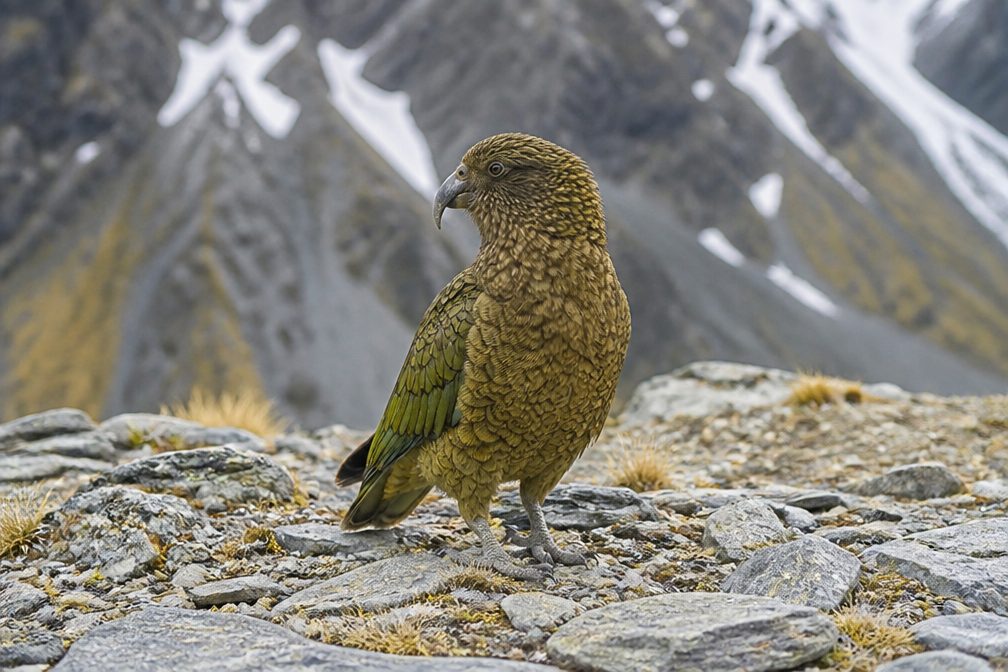 10 sightingsKeaMost seen around 10 AMSighting map
 54 sightingsNew Zealand Fur SealMost seen around 10 AMSighting map
 20 sightingsLittle PenguinMost seen around 9 PMSighting map
 21 sightingsSouth Island KākāMost seen around 5 PMSighting map
 527 sightingsWekaMost seen around 9 AMSighting map
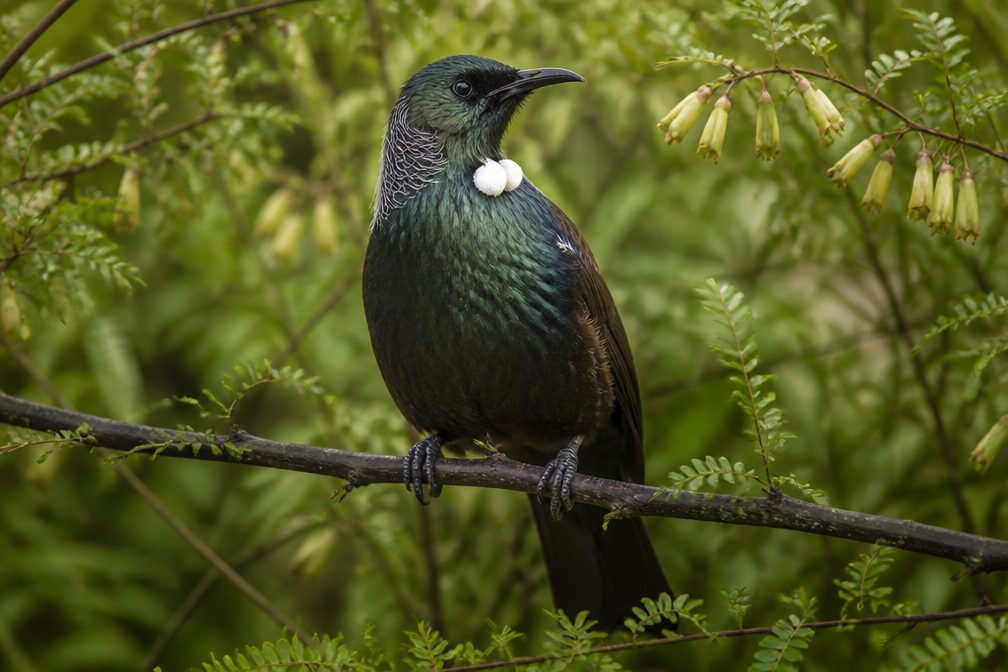 16 sightingsTūīMost seen around 7 AMSighting map
Sighting maps show where each species has been reported across Abel Tasman. Wildlife moves, so no sighting is guaranteed.
Keep exploring
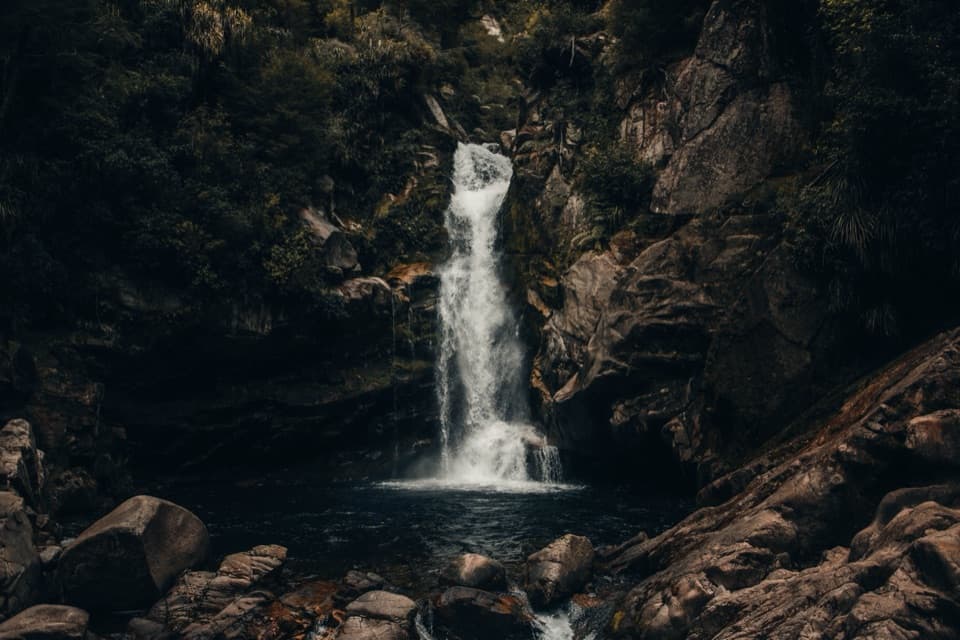 ModerateWainui Falls Track3.4 km · 1.3 hr · 1.6 km awayGranite boulders, a swing bridge and a waterfall for a short walk.
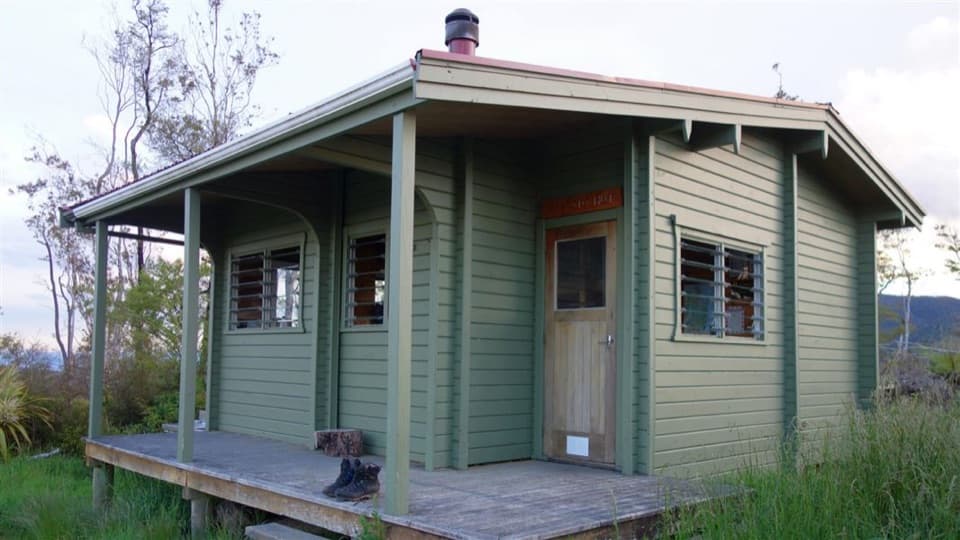 ChallengingPigeon Saddle to Awapoto Hut10 km · 6 hr · 3.9 km awayA steep forest climb to a hut above Awaroa Inlet.
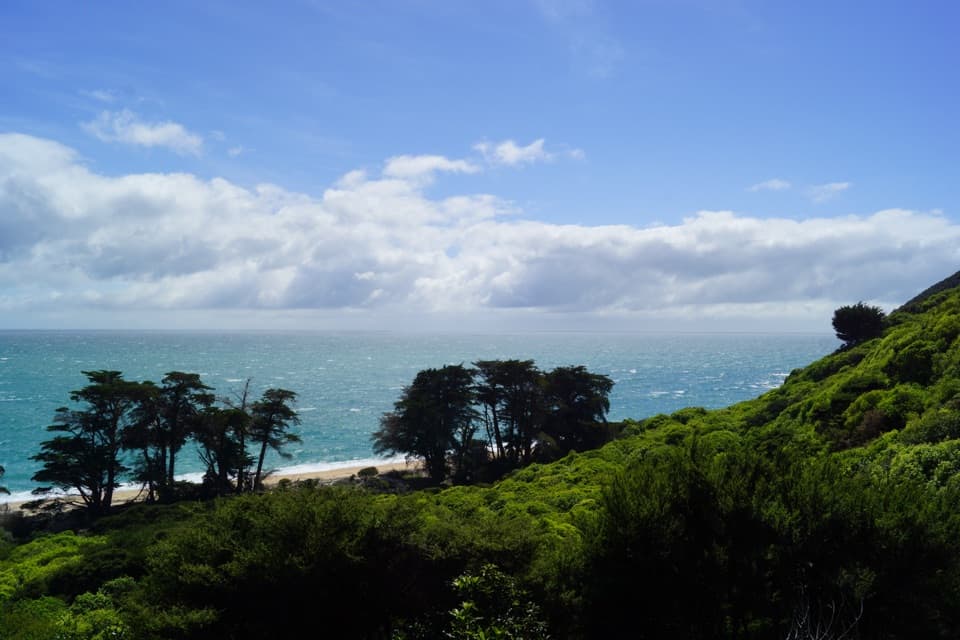 ModerateWainui to Whariwharangi Bay11.4 km · 4 hr · 5 km awayA saddle climb to a historic homestead beside a northern bay.
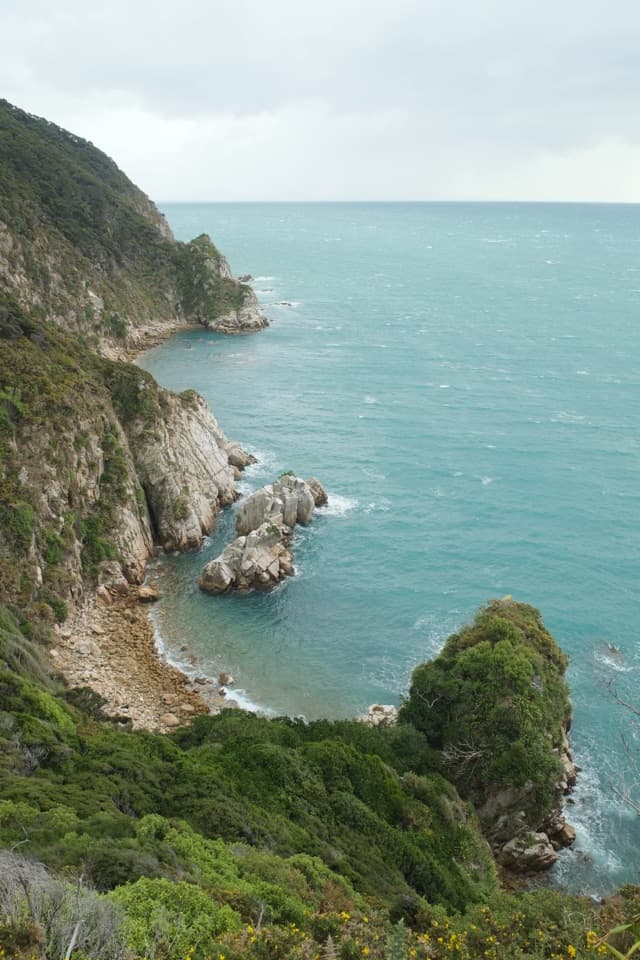 ModerateWainui to Separation Point17.8 km · 5 hr · 5 km awayReach the rocky divide between Golden Bay and Tasman Bay.
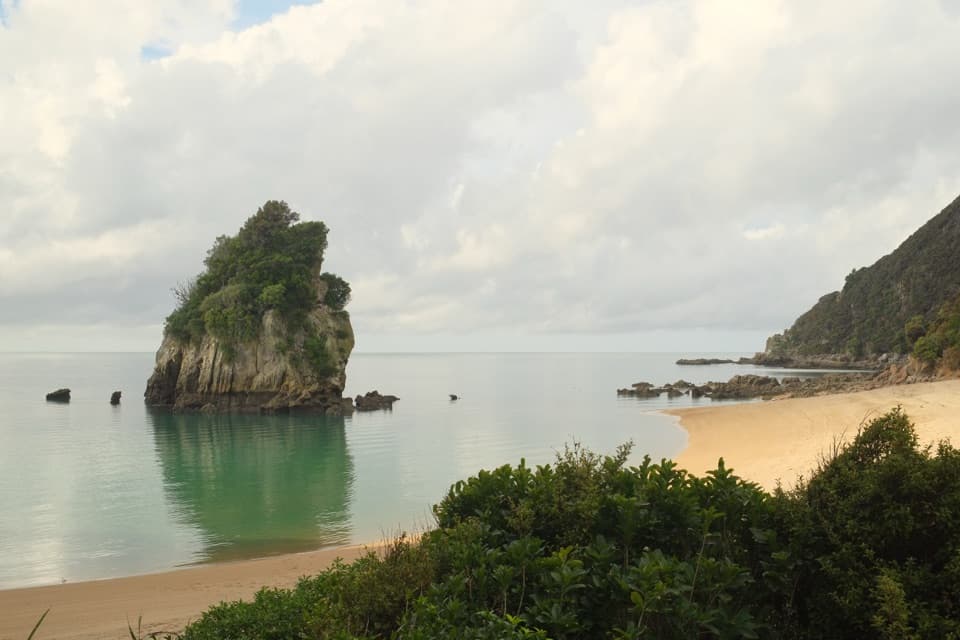 ModerateTaupō Point Track5 km · 2.5 hr · 5 km awayA tide-sensitive coast walk with Māori heritage and limestone stacks.
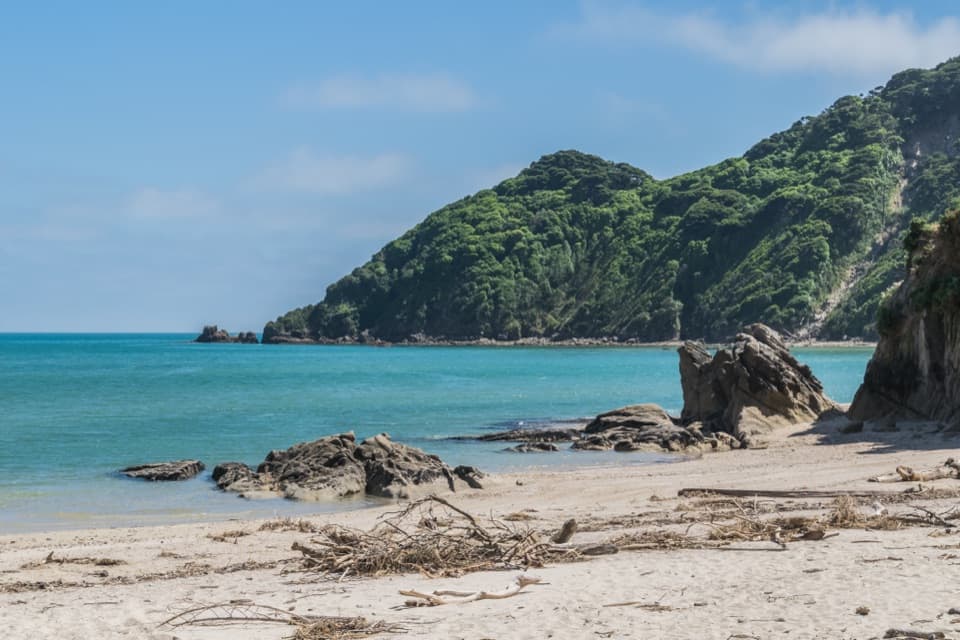 EasyWainui Bay Beach Walk2.3 km · 45 min · 5 km awayA short track opens onto an inlet-mouth beach.
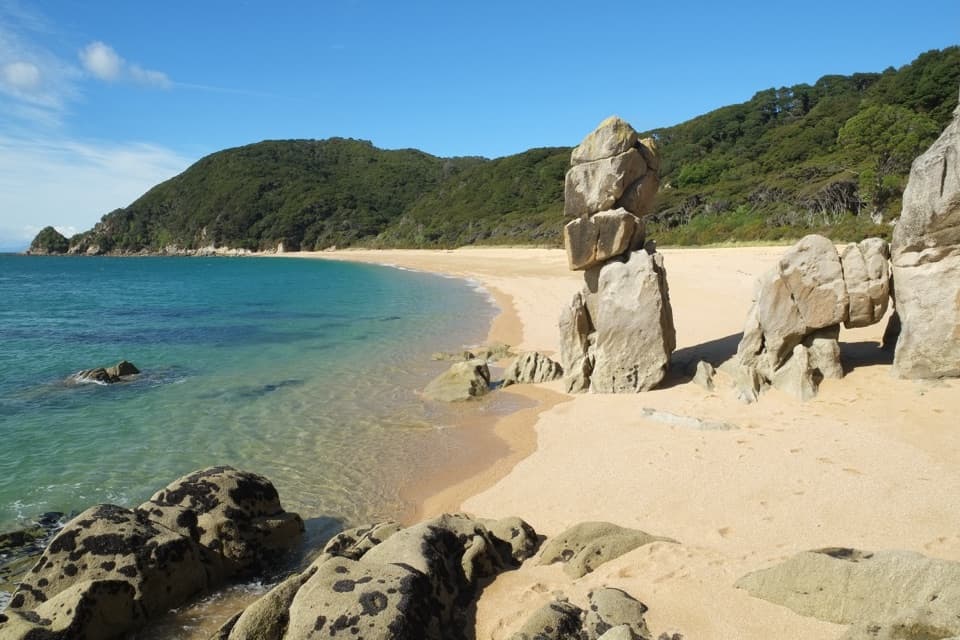 ModerateTōtaranui to Anapai Bay6.4 km · 2.5 hr · 7.1 km awayA low saddle leads to Anapai’s divided beach and granite stacks.
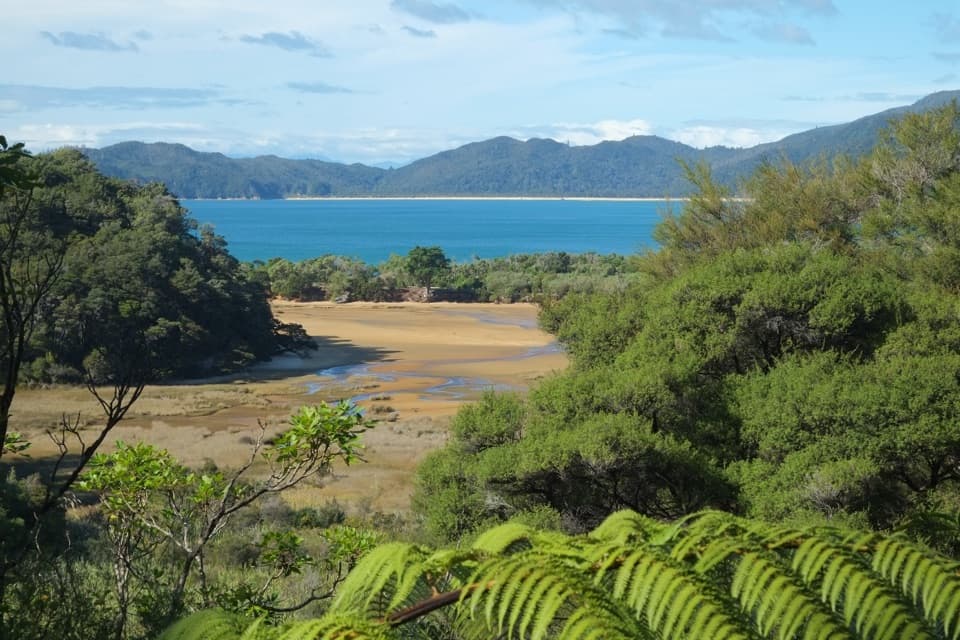 ChallengingGibbs Hill to Whariwharangi Bay Loop Track18.3 km · 5.5 hr · 7.1 km awayA steep ridge and a restored homestead reward the coastal loop.Lodging · 1.8 km awayAwapoto HutA 12-bunk backcountry stop with an estuary view from the deck.
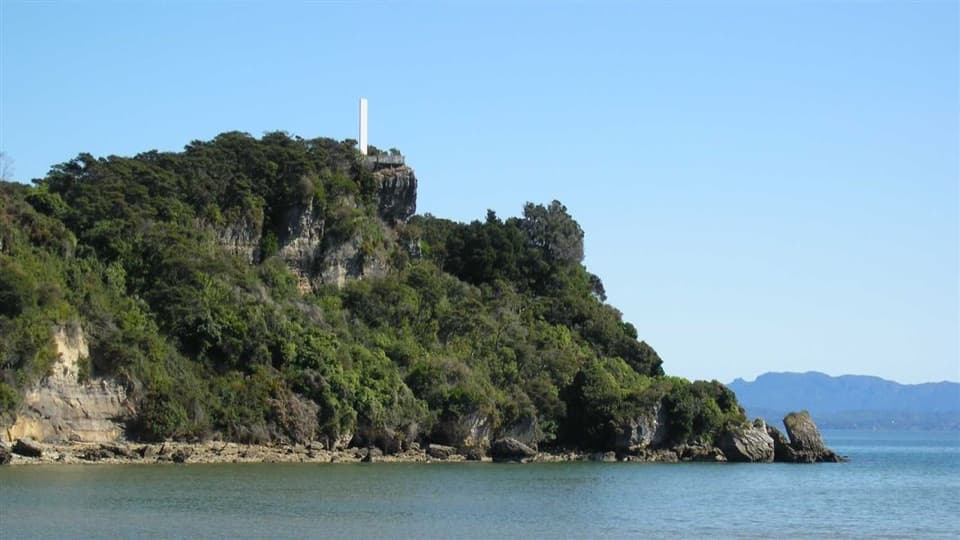 Sight · 3.8 km awayAbel Tasman National MonumentShort climb, wide views over Ligar Bay and the Tata Islands.
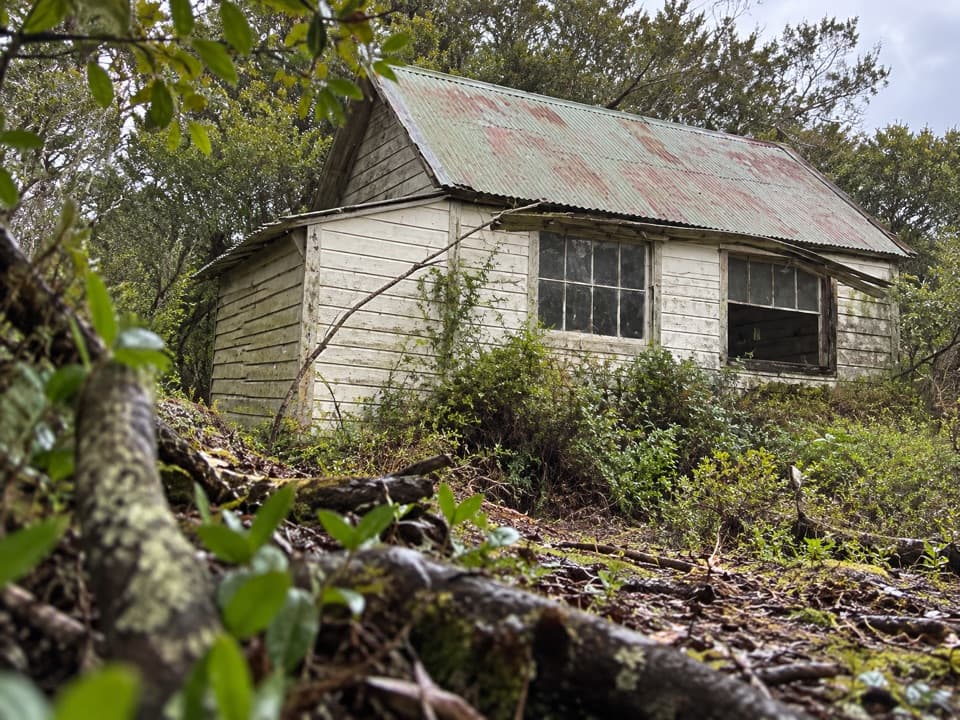 Sight · 6.5 km awayAwaroa Old School SiteA schoolhouse ruin on a tide-shaped walk through Awaroa history.
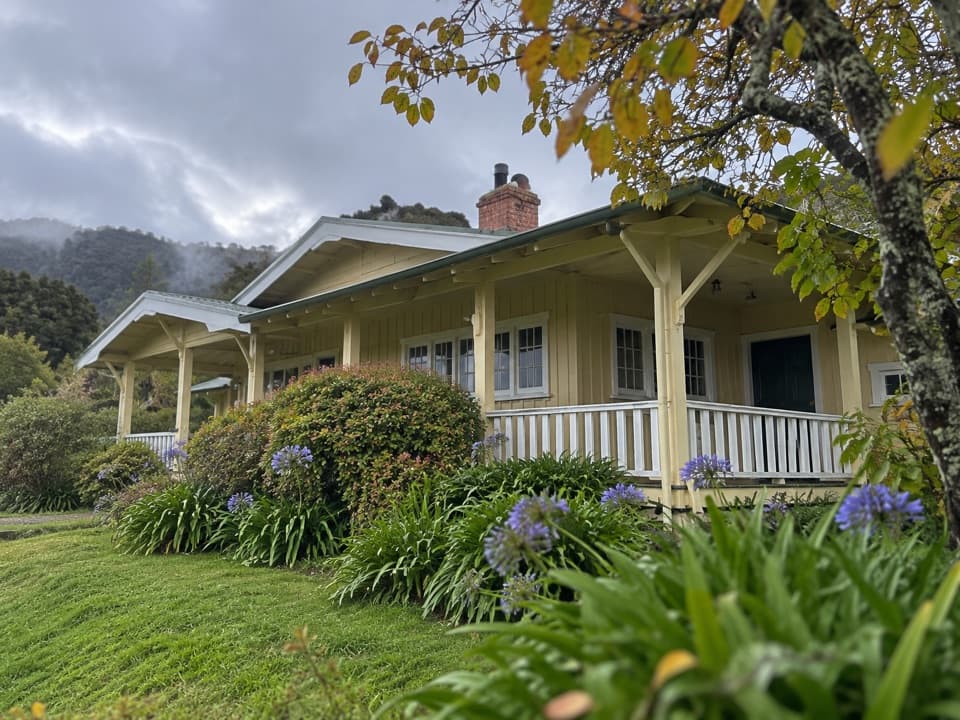 Lodging · 6.8 km awayNgarata HomesteadA 1914 homestead group stay for exploring Tōtaranui
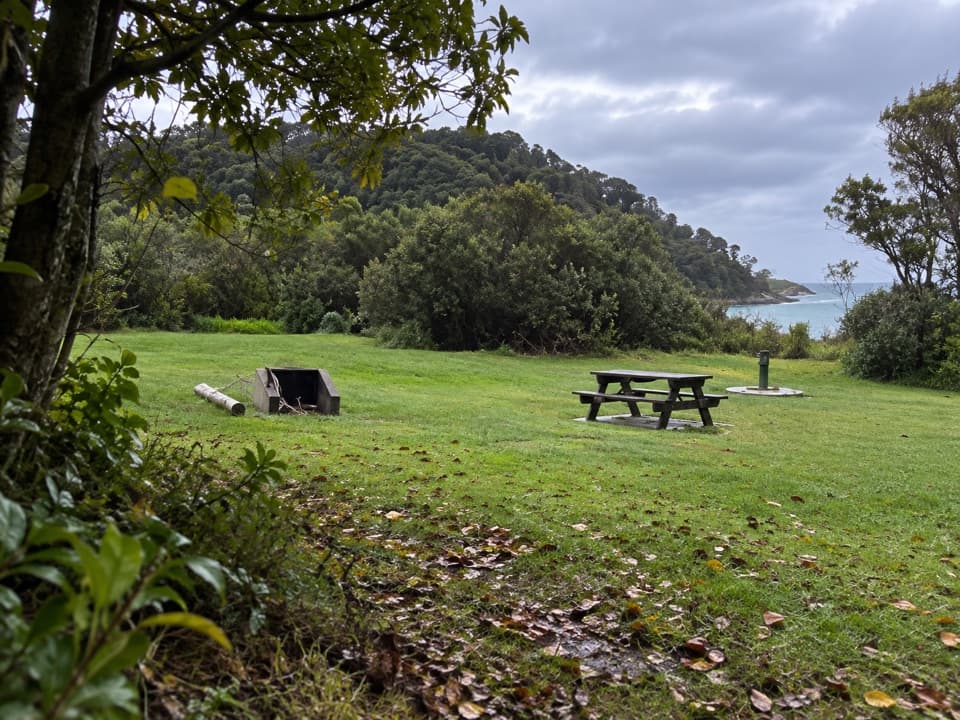 Campground · 6.9 km awayTōtaranui Great Walk CampsiteTwenty tent sites put you beside the beach on the Coast Track.Sight · 7 km awayTaupō PointA tide-dependent walk to a Māori pā on Wainui Inlet.
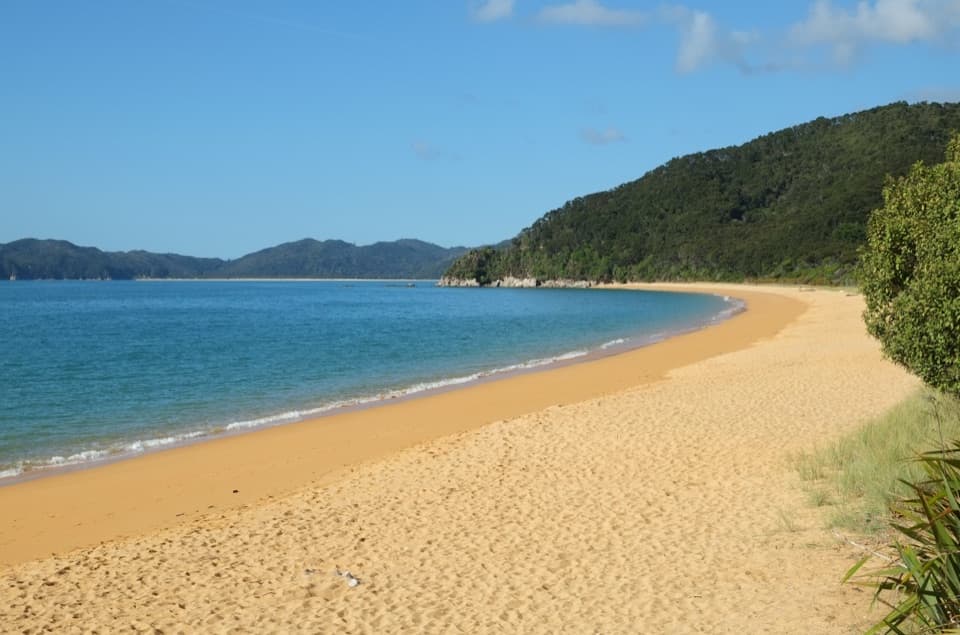 Campground · 7.1 km awayTōtaranui Beach and CampgroundA big campground by the beach, beyond a long gravel approach.
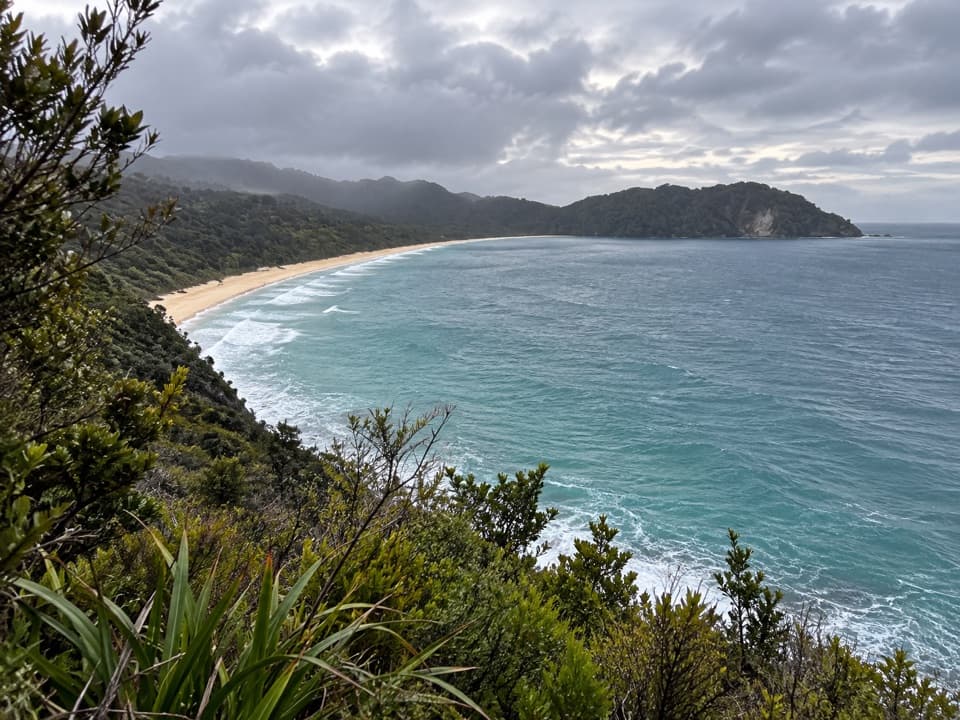 Sight · 7.2 km awaySkinner Point LookoutA high view takes in both Tōtaranui Beach and Goat Bay.
Parkwolf’s Abel Tasman ranking

The audio tour guide for the drive, plus offline maps, trails, and wildlife heatmaps for when the signal drops.