
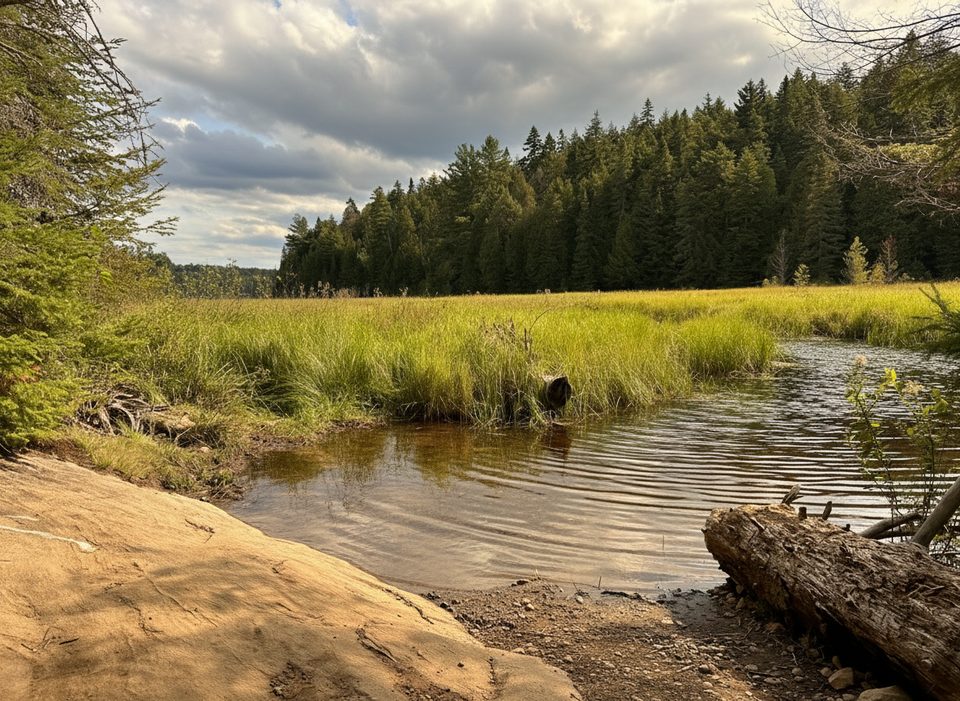
Place · 0.3 mi away
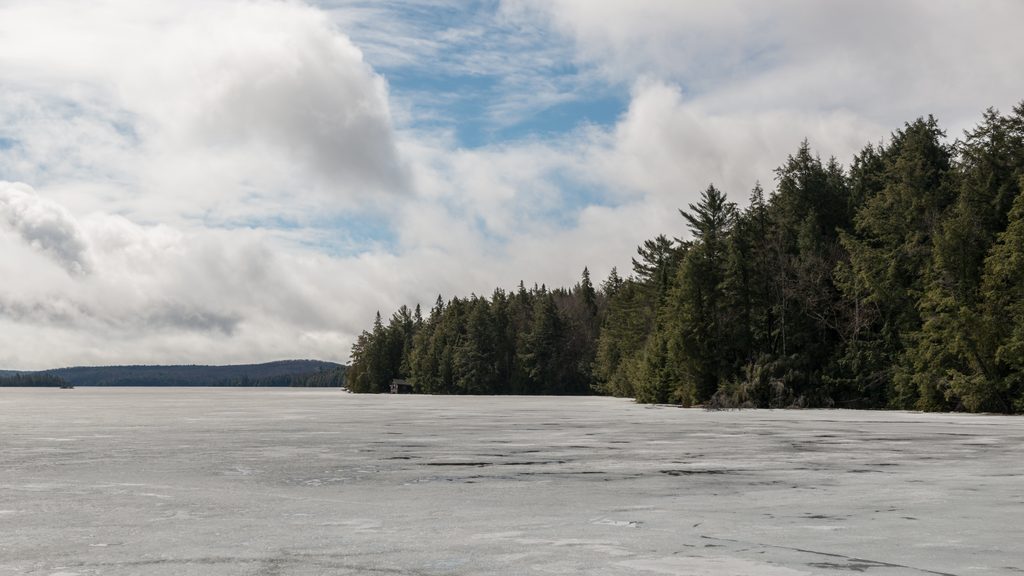
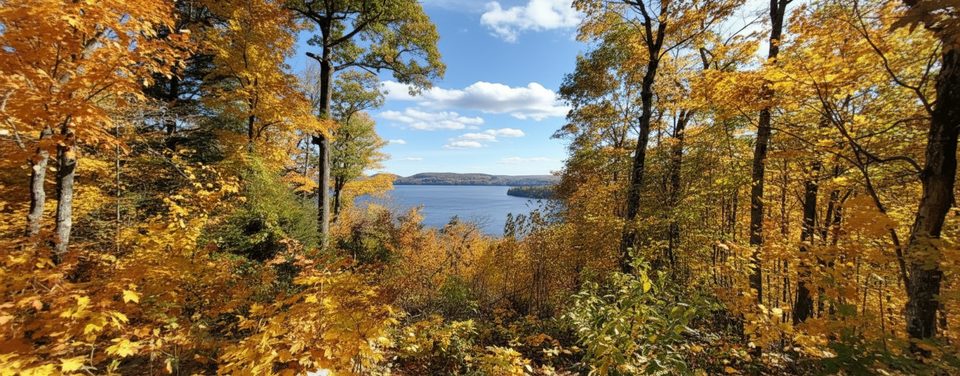
Smoke Lake is a long, open Highway 60 corridor lake and one of the park’s main gateways to the backcountry. It’s Access Point #6, reached via a short spur at km 14.1. Expect big views—and big wind when it kicks up—so it’s gorgeous but demands respect if you’re paddling.
Right at the access you’ll find parking, toilets, and a boat‑launch ramp. The lot is gravel; many paddlers unload at the dock, then park farther back near the washroom and water refill area for shade and less traffic. Permits are handled nearby at the Canoe Lake Permit Office, and an outfitter by the access rents ultralight Kevlar canoes and full kits. Backcountry reservations open five months ahead, and the access is an easy drive on paved roads.
Smoke Lake is notorious for wind because it’s long and exposed. Hug the shoreline when it picks up and give yourself extra time. Some portages on these routes are steep or long, and low water can occasionally extend carries.
This corridor turns up common loons, beaver, river otter, and sometimes moose along marshy edges in spring and early summer. Black bears live here too—store food properly and keep camps clean.
Start early. Morning air is calmer for the crossing to the first portage, and you’ll land better campsites by early afternoon. Mid‑summer weekends see popular lakes fill fast, while shoulder seasons trade crowds for cooler nights. Sunrise can be lovely on calm mornings.
Keep it simple: unload at the dock, then move your car. If you want showers, laundry, or a full comfort station, plan a quick stop at one of the Highway 60 campgrounds or the Visitor Centre—Smoke’s access has only the basics.
Place · 0.3 mi away
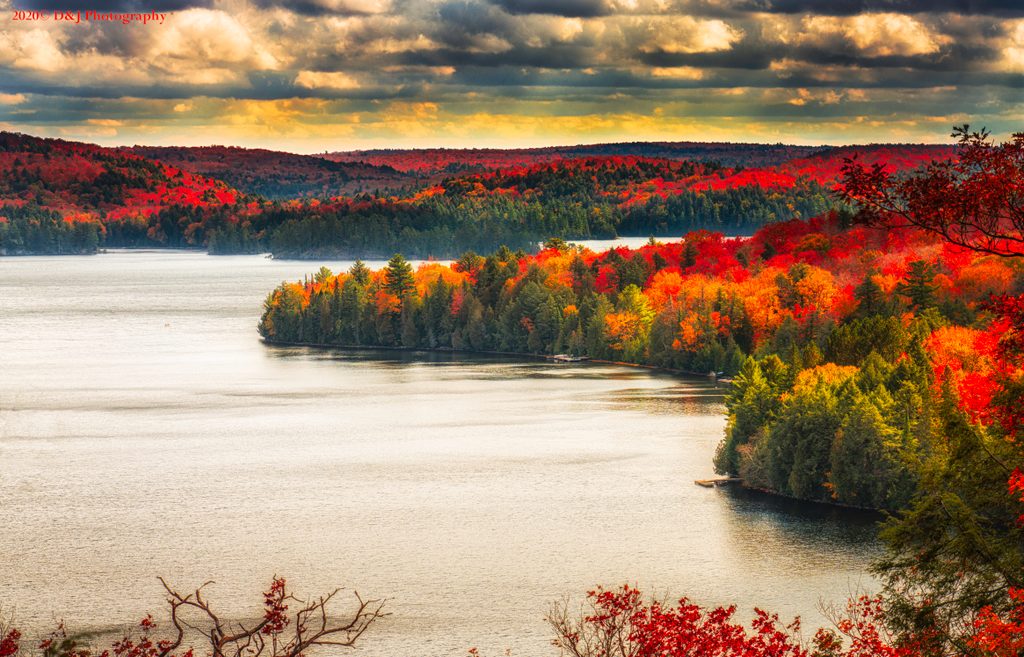
Place · 0.3 mi away
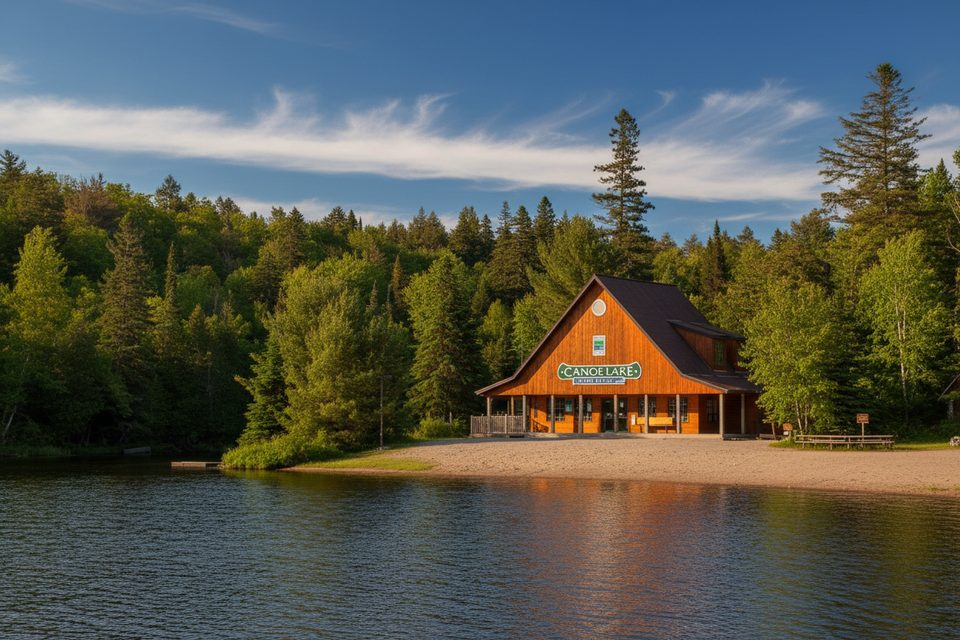
Place · 0.5 mi away
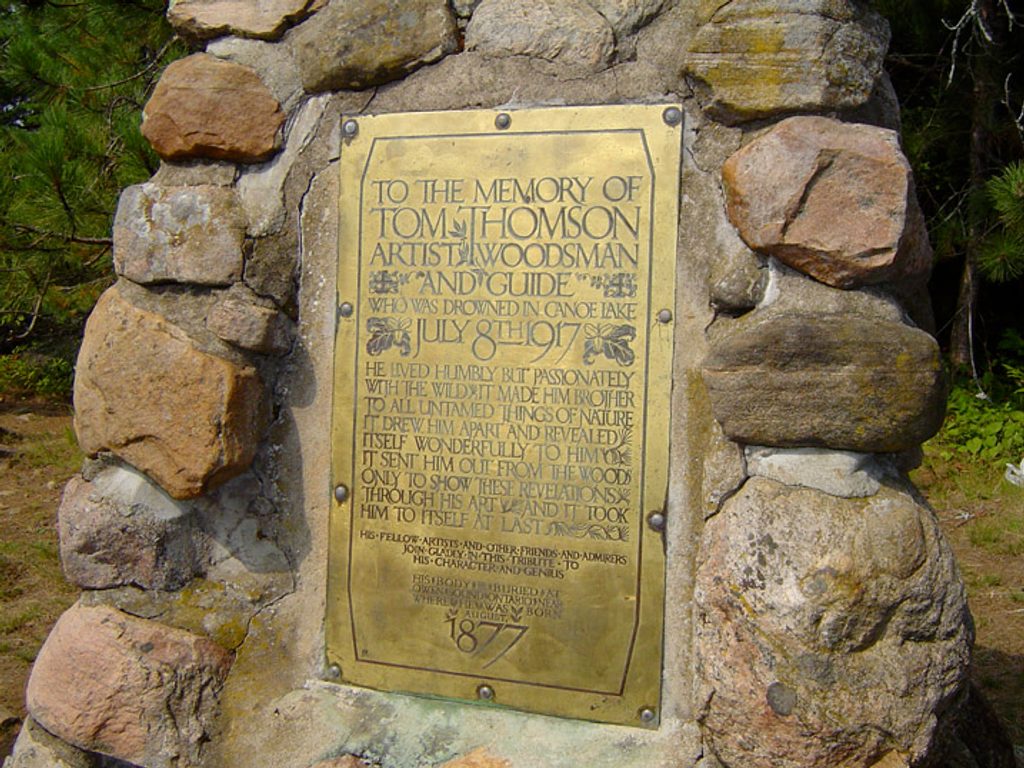
Place · 0.5 mi away
Easy · 0.3 mi away
Moderate · 0.9 mi away
Easy · 2.8 mi away
Moderate · 4.1 mi away

Parkwolf Tour Guide
