
Place · 1 mi away
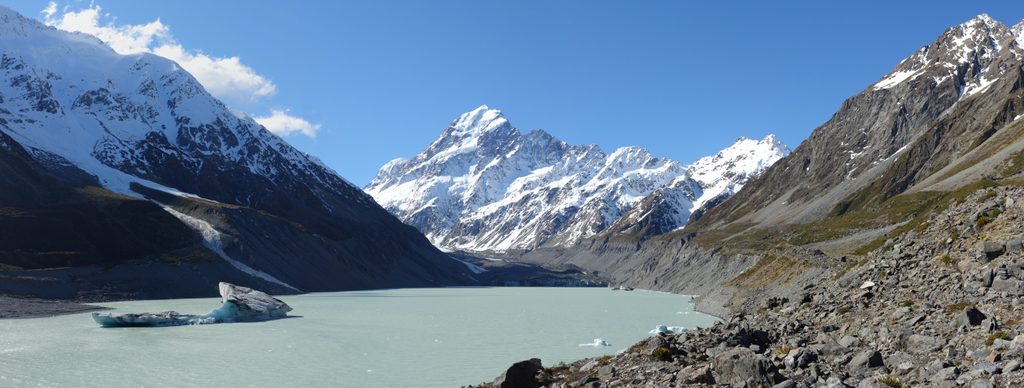
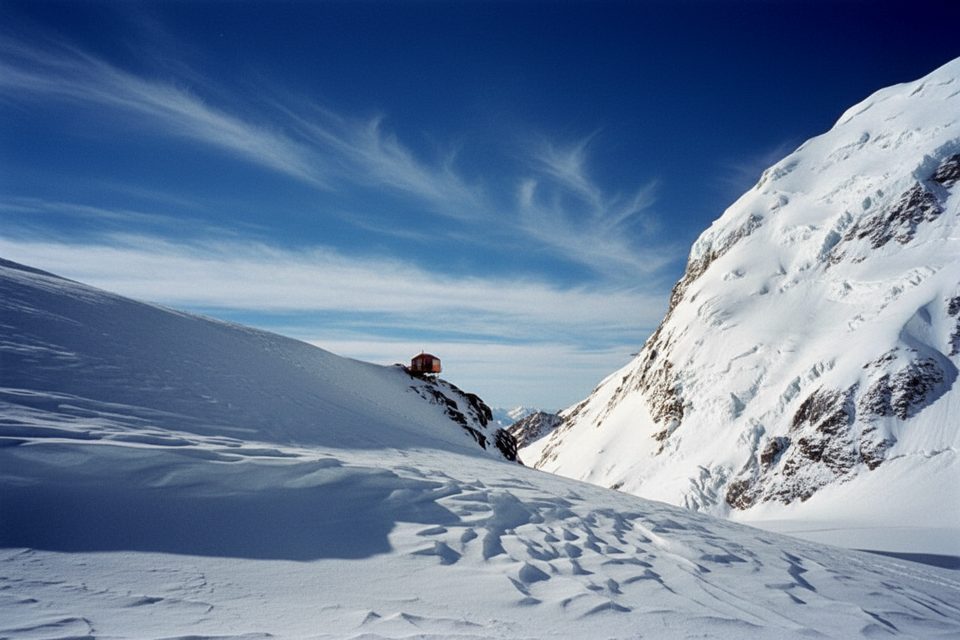
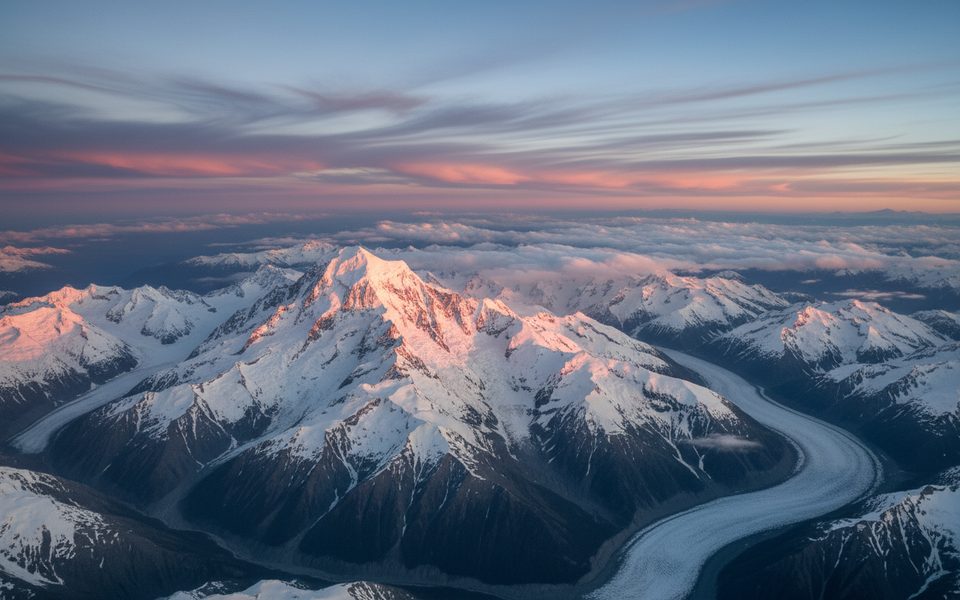
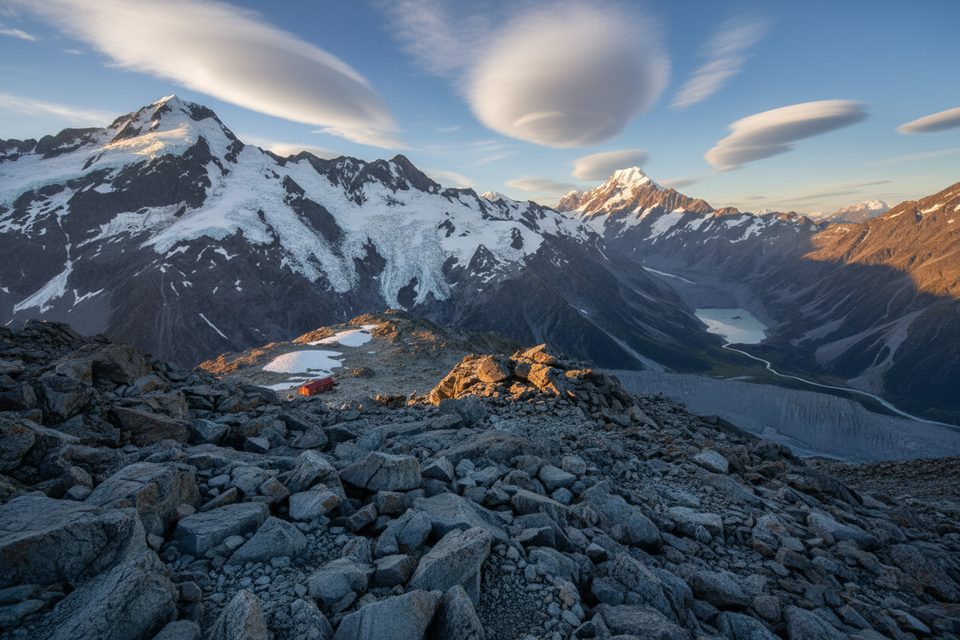
Aoraki / Mount Cook soars to 3,724 m (12,218 ft), anchoring the Southern Alps and dominating every valley in the area. You don’t have to be a mountaineer to enjoy it—signature valley walks deliver giant‑screen views of the peak, hanging glaciers, and milky proglacial lakes. On clear nights, the Aoraki Mackenzie International Dark Sky Reserve turns the mountain into a silhouette against a star‑rich sky.
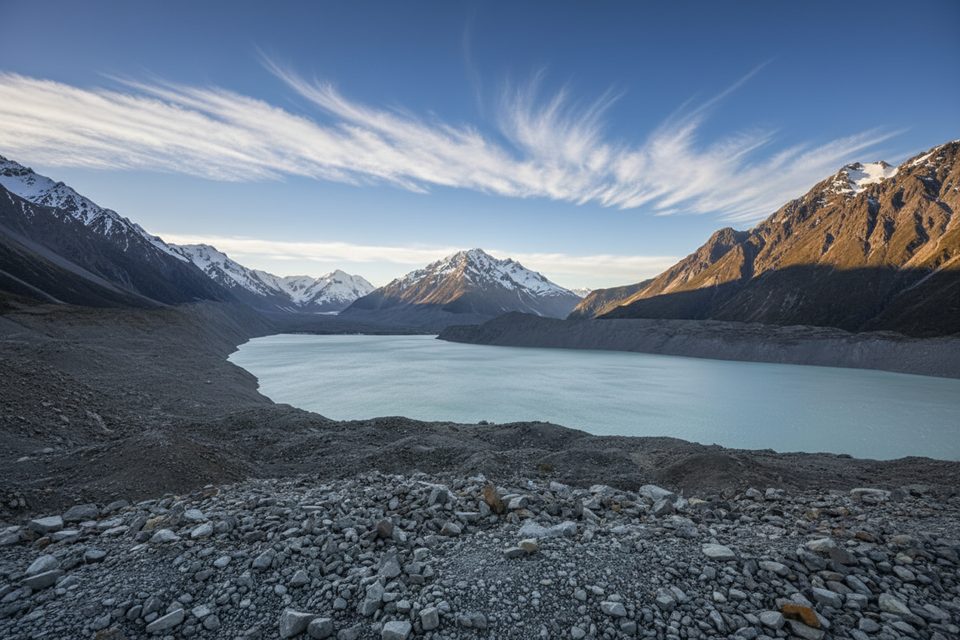
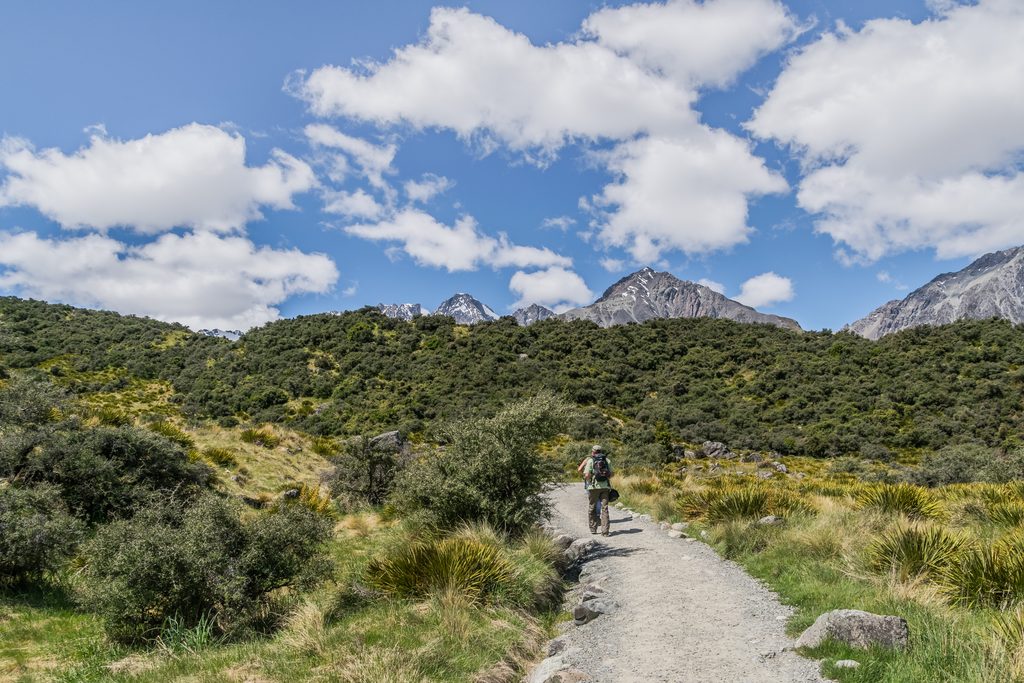
From the Hooker Valley Track you’ll cross swing bridges to glacier‑fed rivers and a terminal lake facing Aoraki head‑on. Kea Point offers a quick viewpoint over the Mueller Glacier moraine wall, while the Tasman Valley has short walks to iceberg‑dotted lakes and glacier outlooks. Scenic flights, ski‑planes, and heli‑hikes (weather permitting) reveal the scale of the ice and ridgelines.
Aoraki’s backbone is greywacke and argillite—sedimentary rocks uplifted, folded, and faulted where the Pacific and Australian plates collide. Successive ice ages carved U‑shaped valleys and cirques; today the park remains heavily glaciated, with Haupapa / Tasman Glacier the country’s largest and a major shaper of the landscape.
Access is via State Highway 80 along Lake Pukaki to Mount Cook Village; the nearest full‑service town is Twizel (about 65 km). The village is small: there’s no supermarket, fuel can be limited, and Wi‑Fi/mobile coverage can be patchy—stock up on groceries and fill your tank in Tekapo or Twizel. Check Department of Conservation (DOC) notices for track status and seasonal hazards.
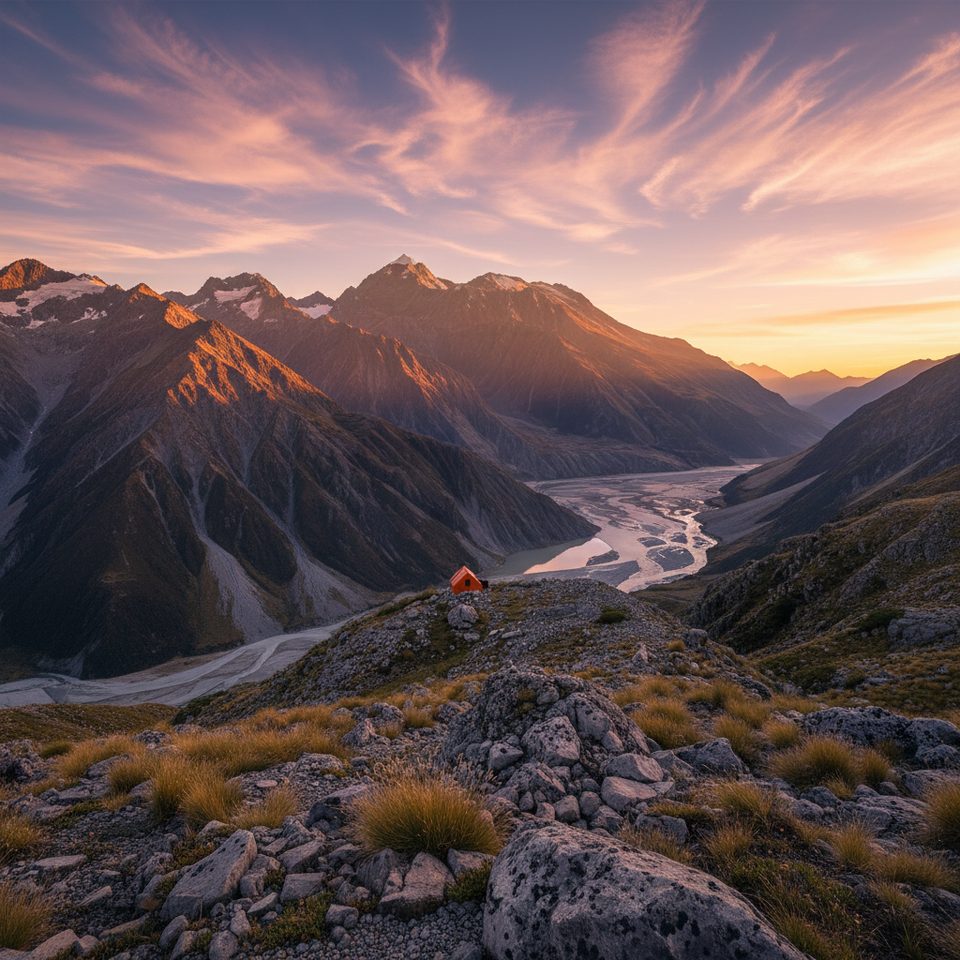
Weather in the alpine environment turns quickly—carry layers, waterproofs, sun protection, and water. Obey signs and keep well back from glacier‑lake edges; rockfall and wave surges are real risks. Some bridges and higher routes can be icy or closed in winter and spring; advanced routes like the Mueller Hut Route require suitable conditions and experience. Recreational drones are prohibited in the national park.
Absolutely. Even if clouds cap the summit, the valley walks, glacier lakes, and sheer scale make this the park’s defining experience.
Place · 1 mi away
Place · 1.9 mi away
Place · 2 mi away
Place · 2.2 mi away
Easy · 7.2 mi away
Easy · 7.2 mi away
Challenging · 8.9 mi away
Challenging · 8.9 mi away

Parkwolf Tour Guide
