
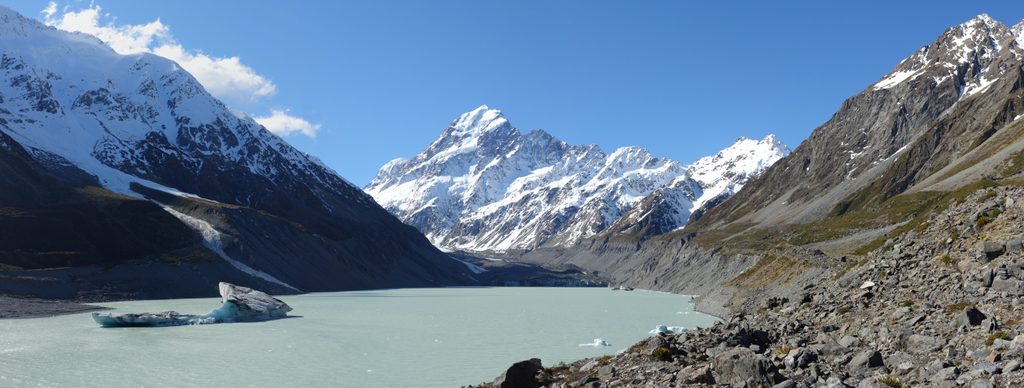
Place · 2 mi away
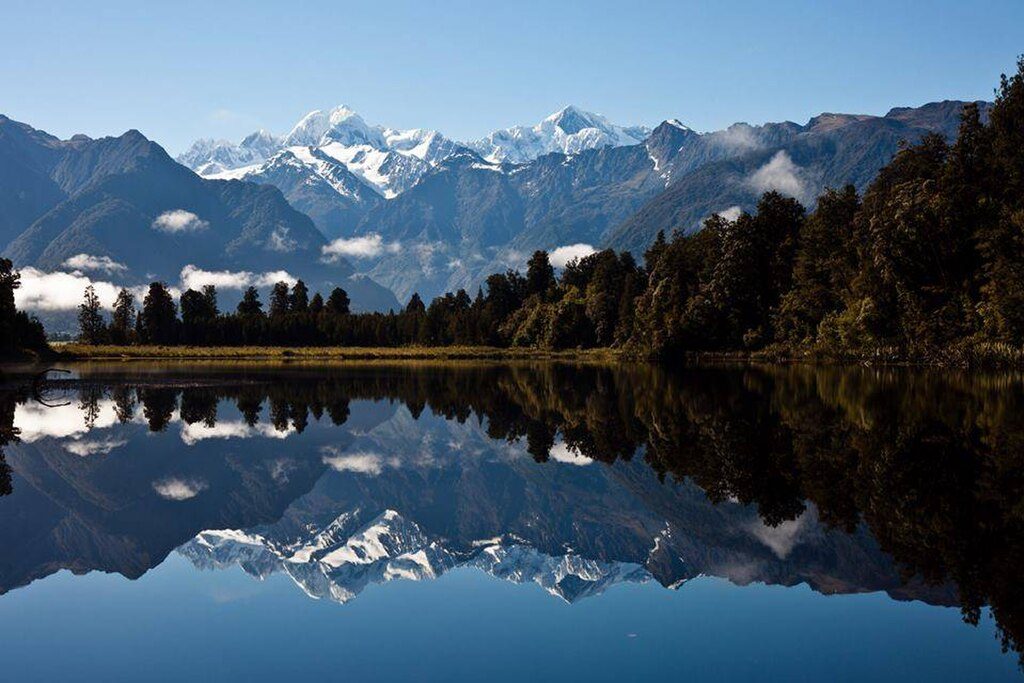
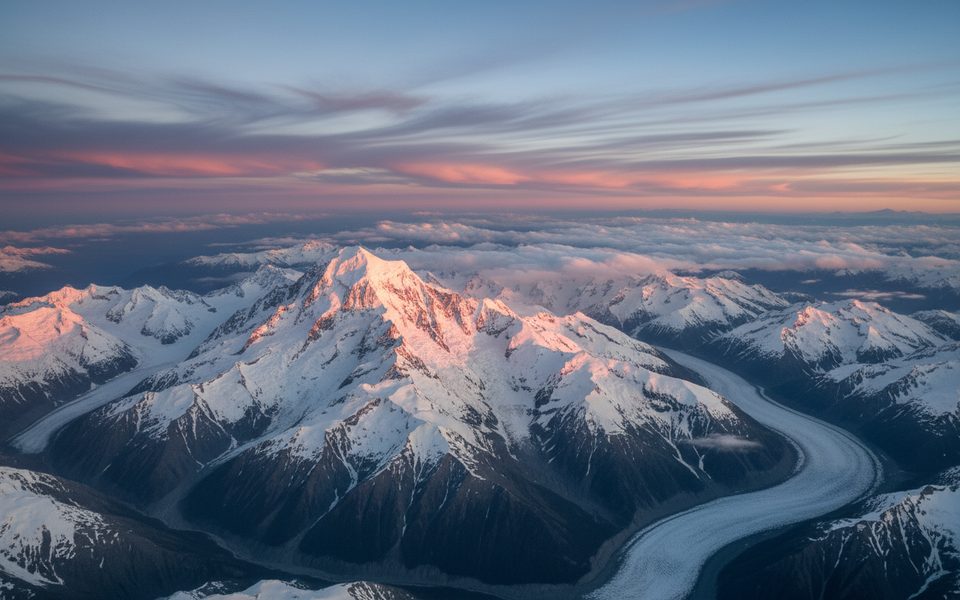
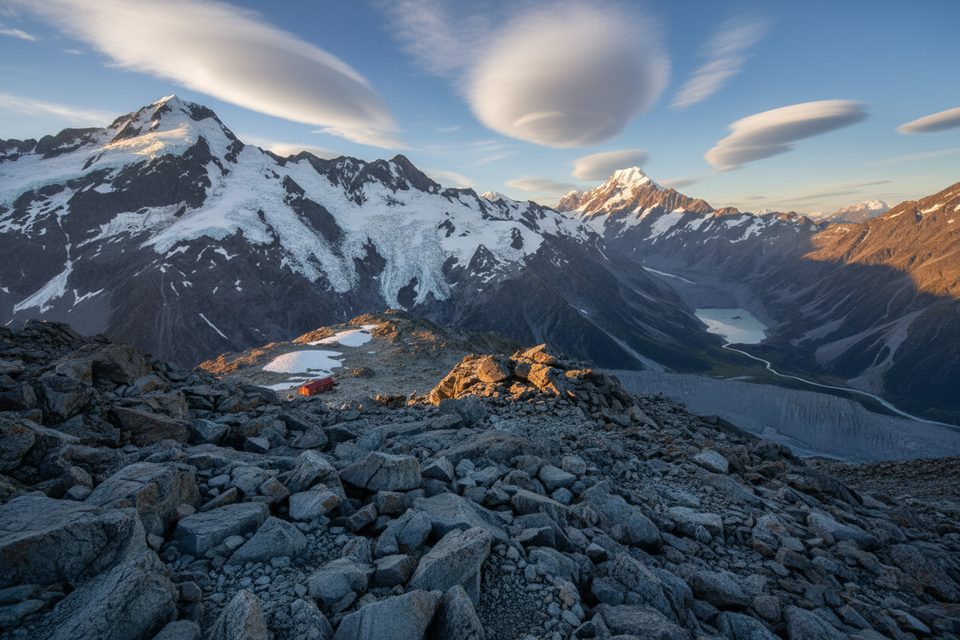
New Zealand’s second‑highest peak, Mount Tasman delivers the full big‑mountain experience: crevassed glaciers, steep ice, and razor ridges. It’s stunning to look at and even more committing to climb—absolutely not a casual hike.
This is a technical alpine objective suited to experienced mountaineers. Guided ascents are offered at a 1:1 guide–climber ratio and expect you to show recent time on crampons, competence on 50–55° ice with two tools, rope work and belaying, crevasse‑rescue proficiency, and serious aerobic fitness. If you don’t already have that toolkit, build it elsewhere first.
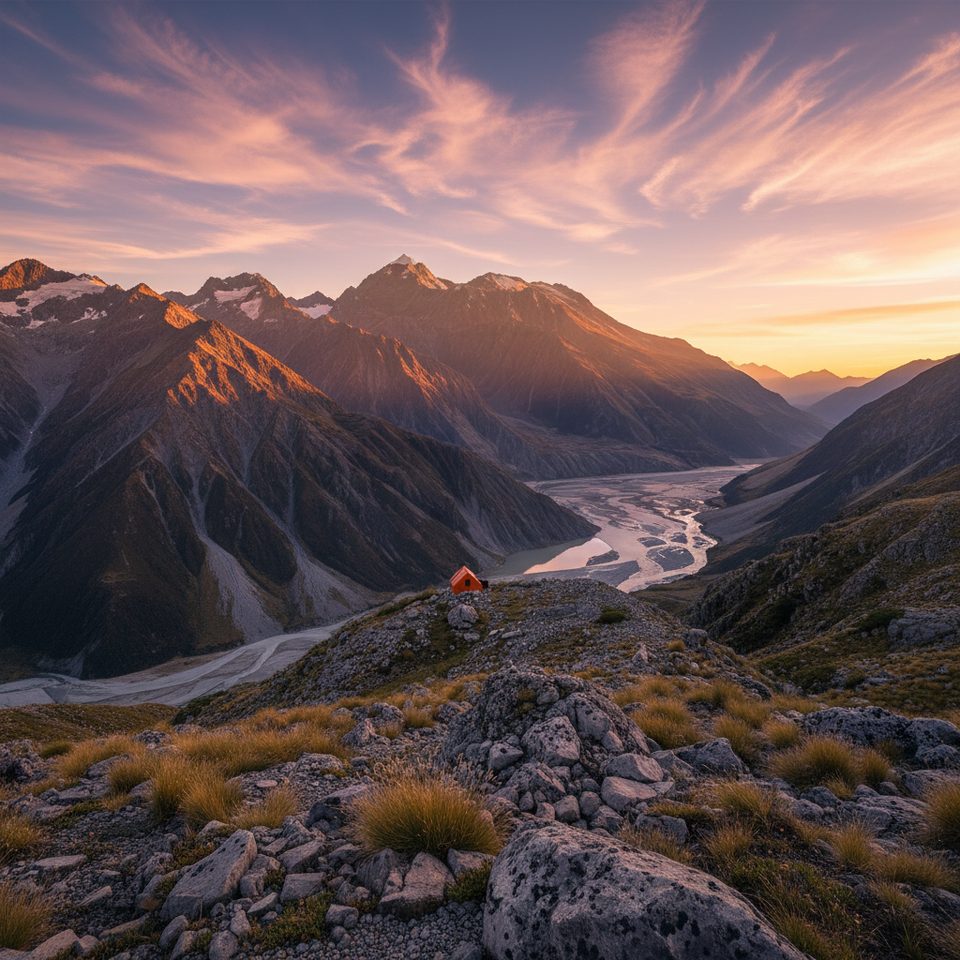
Most guided parties use the North Shoulder Route (NZ Alpine Grade IV, 3), staging from Pioneer Hut above the Fox Glacier. The climb typically involves glacier travel, short‑roping or pitching over Mount Lendenfeld, then negotiating steep ice gullies and exposed ridges. From Pioneer Hut, plan on roughly 15–18 hours round‑trip for the summit push. Aircraft flights in and out of Pioneer Hut are commonly built into guided programs, which also bundle hut fees, meals, local transport, and technical equipment.
You’ll meet your guide in Mount Cook Village, Fox Glacier, or Wānaka; starting from Fox Glacier is often recommended to maximize time on task. There’s only one road into the park—State Highway 80 along Lake Pukaki—so stock up in Twizel or Tekapo before heading in.
There is no trailhead infrastructure on the mountain itself. Use village or car‑park facilities before departure; there are no toilets on route, and standard alpine waste practices apply.
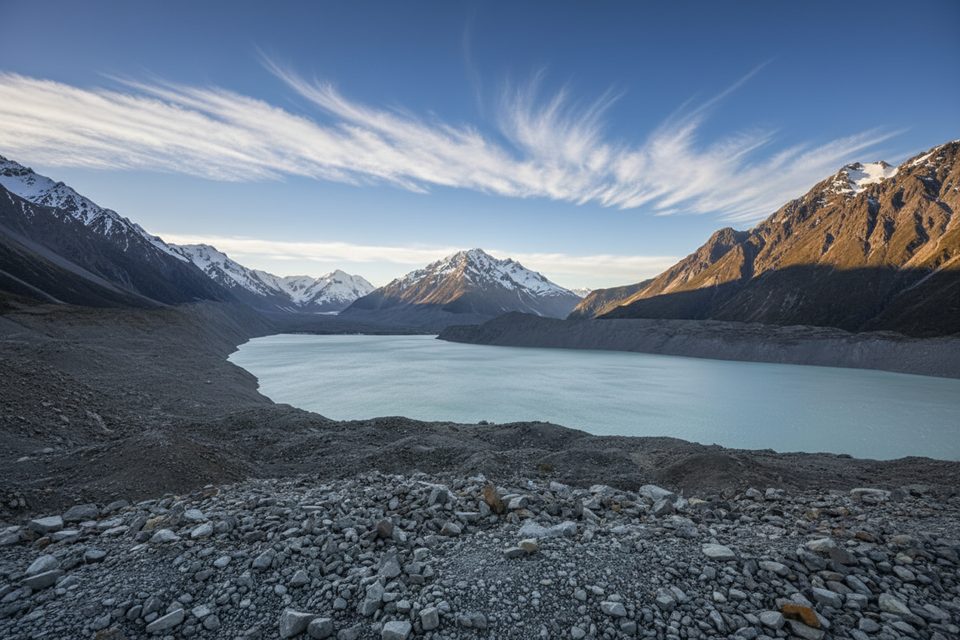
Aoraki / Mount Cook National Park is profoundly shaped by ice—glaciers cover about 40% of it, and the Tasman Glacier is the country’s largest. In Māori tradition, Aoraki and his brothers became the mountains that anchor this range, giving the place deep cultural resonance beyond its climbing stats.
For climbing, the practical window is October through January. Exact timing is dictated by weather and snow conditions, aircraft access to Pioneer Hut, and guide availability. Plan generous extra days for weather, and expect alpine starts.
Place · 2 mi away
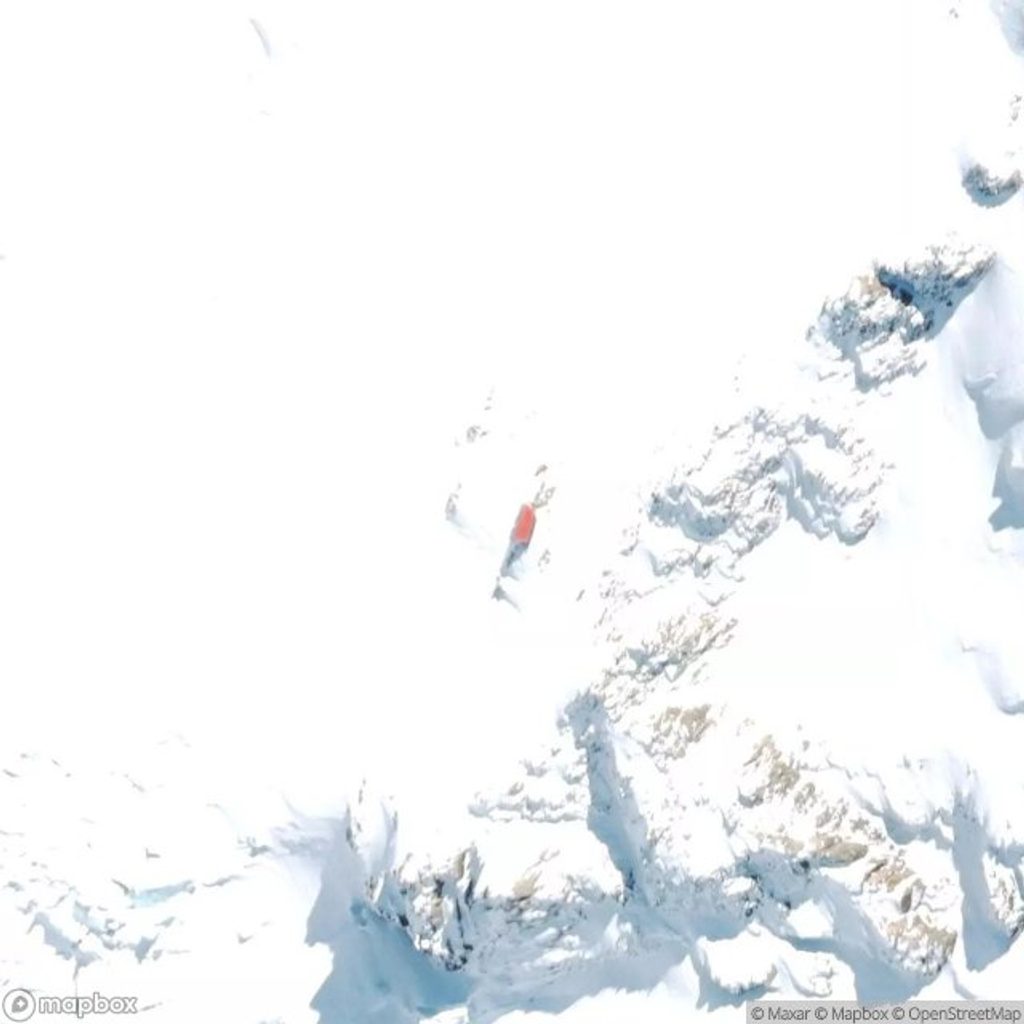
Place · 2.1 mi away
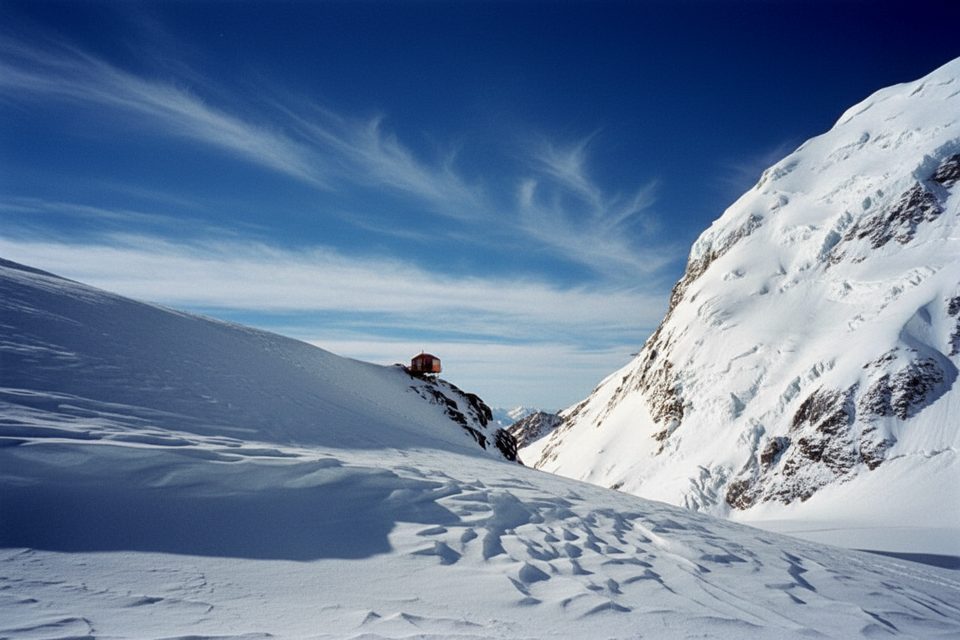
Place · 2.4 mi away
Place · 2.8 mi away
Easy · 9.1 mi away
Easy · 9.1 mi away
Challenging · 10.9 mi away
Challenging · 10.9 mi away

Parkwolf Tour Guide
