
Place · 0.7 mi away
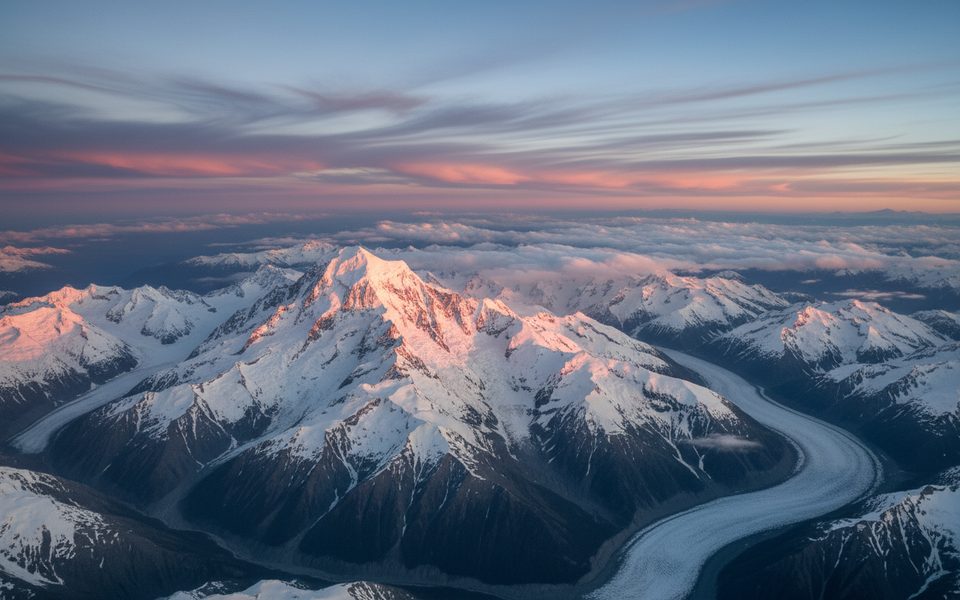
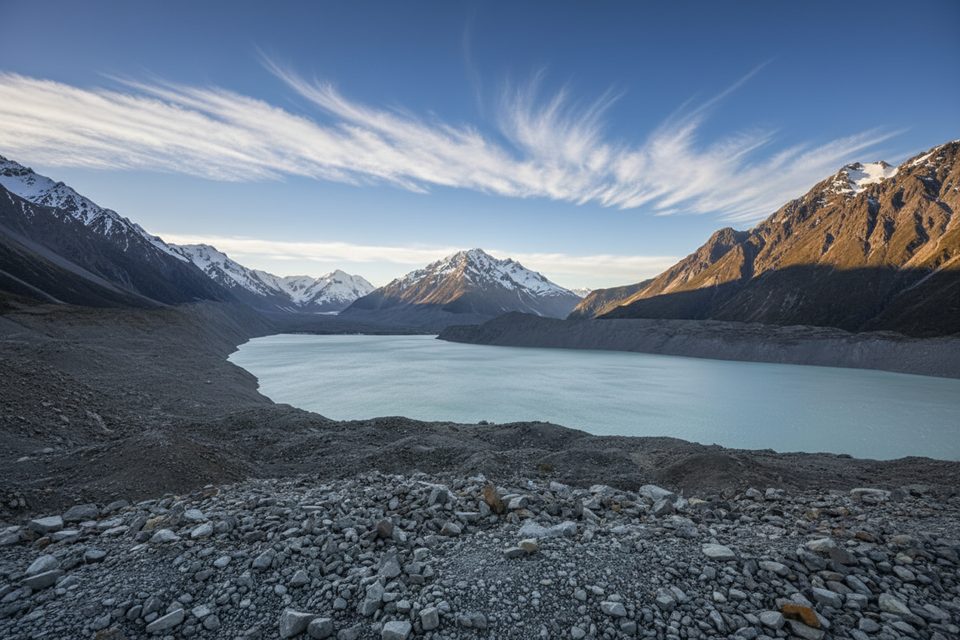
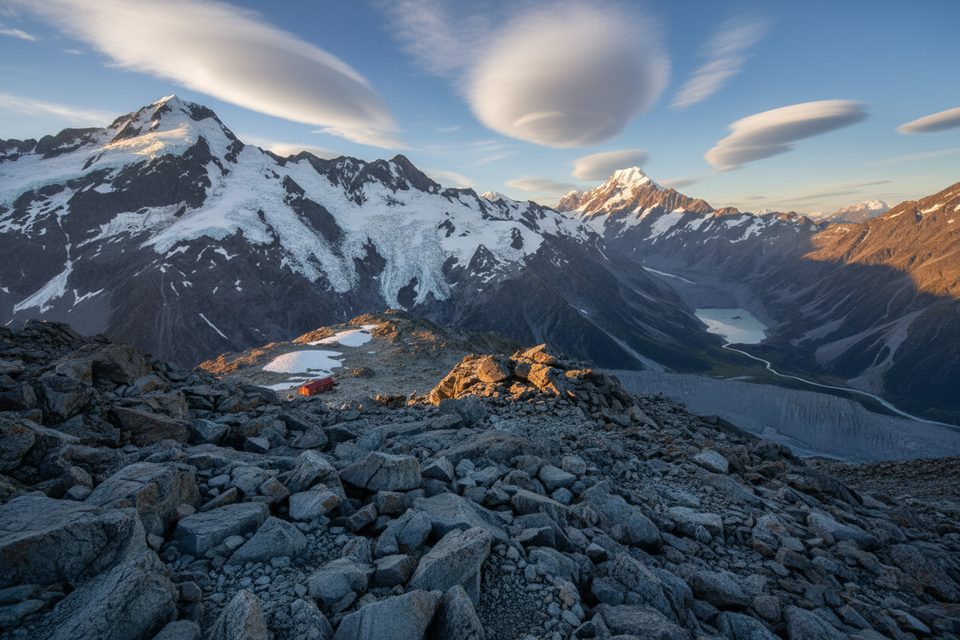
La Perouse Glacier sits on the Main Divide just southwest of Aoraki/Mount Cook, draining the northern/western slopes of La Perouse (3078 m) into the Cook River/Weheka. It’s true wilderness—no marked track, no roadside access, and no amenities—best suited to experienced mountaineers comfortable with complex glaciated terrain.
Avalanches can occur year‑round in this park, and much of the terrain is considered complex. Carry and know how to use avalanche gear, and get a local forecast/briefing from the DOC Visitor Centre. Early summer generally offers better snow bridges; late summer increases icefall complexity. The Cook River valley travel is flood‑prone and slow—plan conservative weather windows.
This is about commitment and solitude: a high, glaciated basin, crevasse mazes, and shifting icefalls. Kea are common in the area—don’t feed them and secure any gear (they’re notorious thieves). Dogs and recreational drones are not permitted in the park.
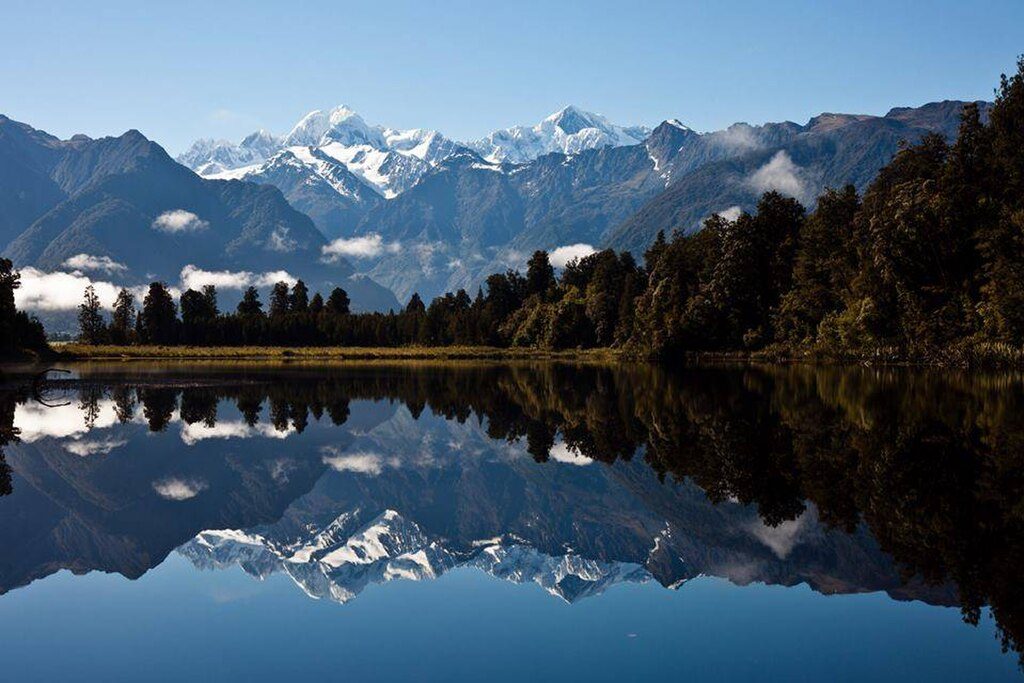
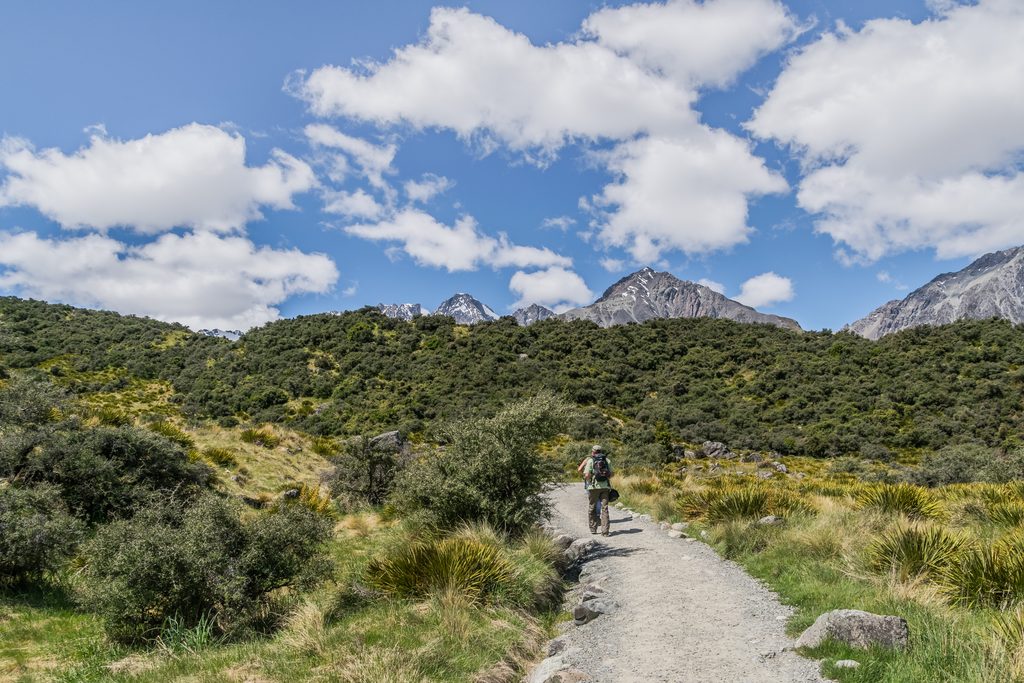
You don’t need to reach the glacier to appreciate the mountain. Good non‑technical viewpoints near the village include Kea Point, Sealy Tarns, and Mueller Hut. Lake Matheson on the West Coast offers famed dawn reflections of Aoraki/Mt Cook, Mt Tasman, and La Perouse. Note: as of 23 April 2025, the second swing bridge on the Hooker Valley Track is closed; the walk is open only to the first bridge while a new suspension bridge is built (target autumn 2026). Check DOC alerts before you go.
La Perouse Glacier is underrated for its raw, committing character. For most visitors it’s best admired from accessible viewpoints; for seasoned alpinists, it’s a serious objective that rewards meticulous planning and stable weather.
Place · 0.7 mi away
Place · 1.3 mi away
Place · 2.2 mi away
Place · 2.8 mi away
Easy · 8.5 mi away
Easy · 8.5 mi away
Challenging · 9.4 mi away
Challenging · 9.4 mi away

Parkwolf Tour Guide
