
Place · 0.9 mi away
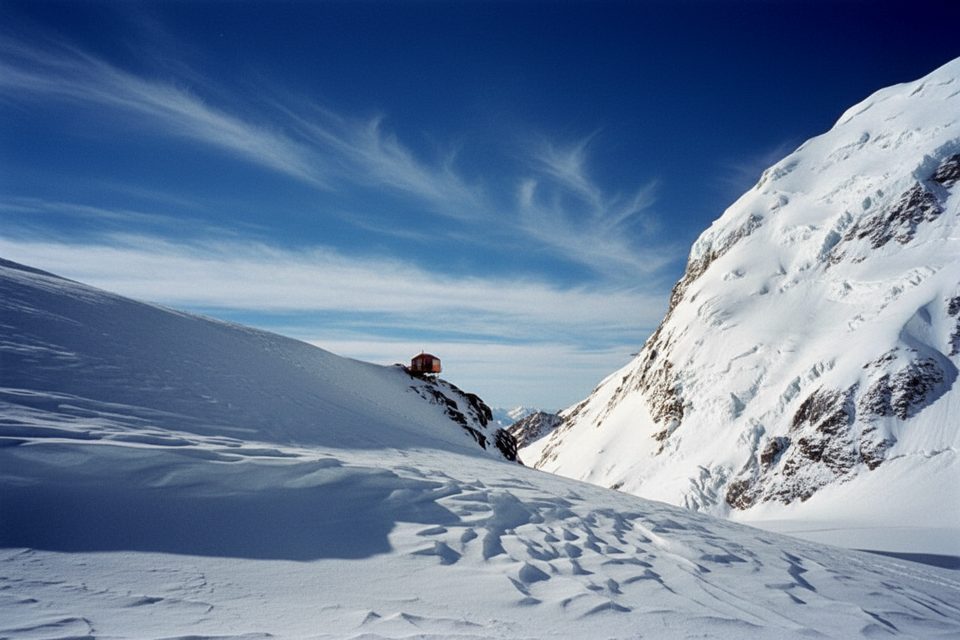
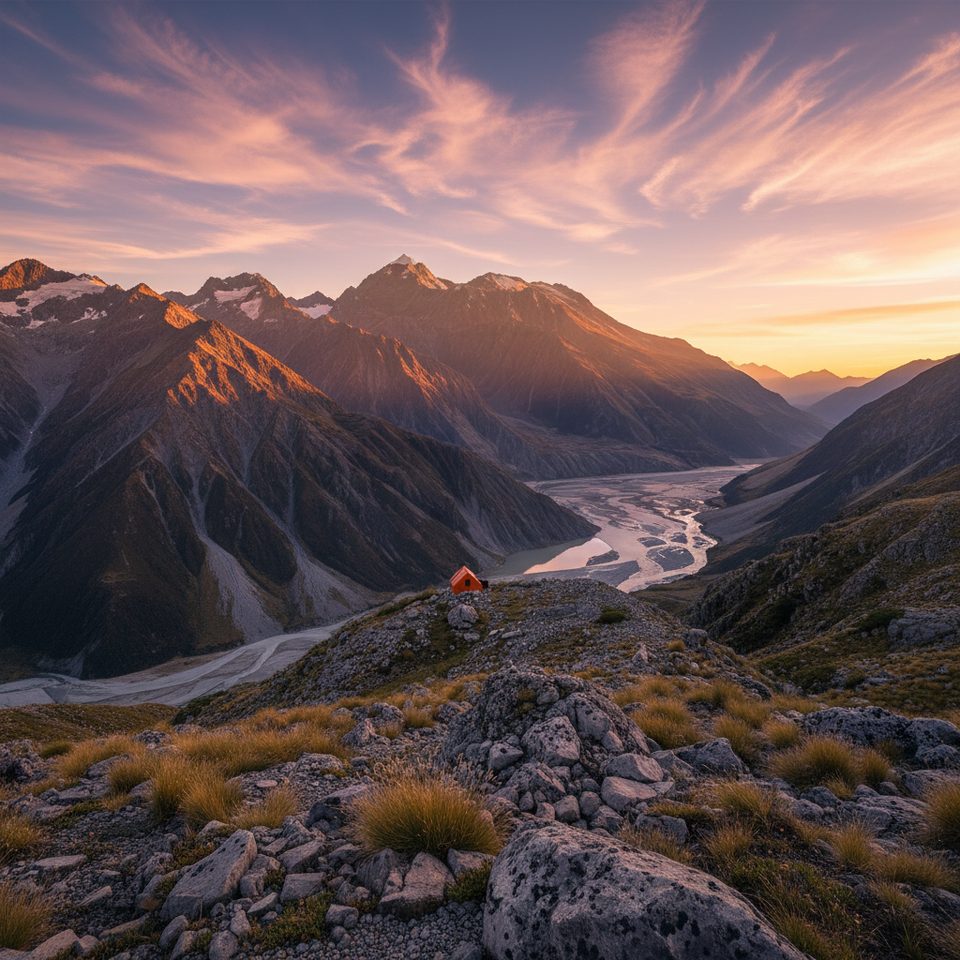
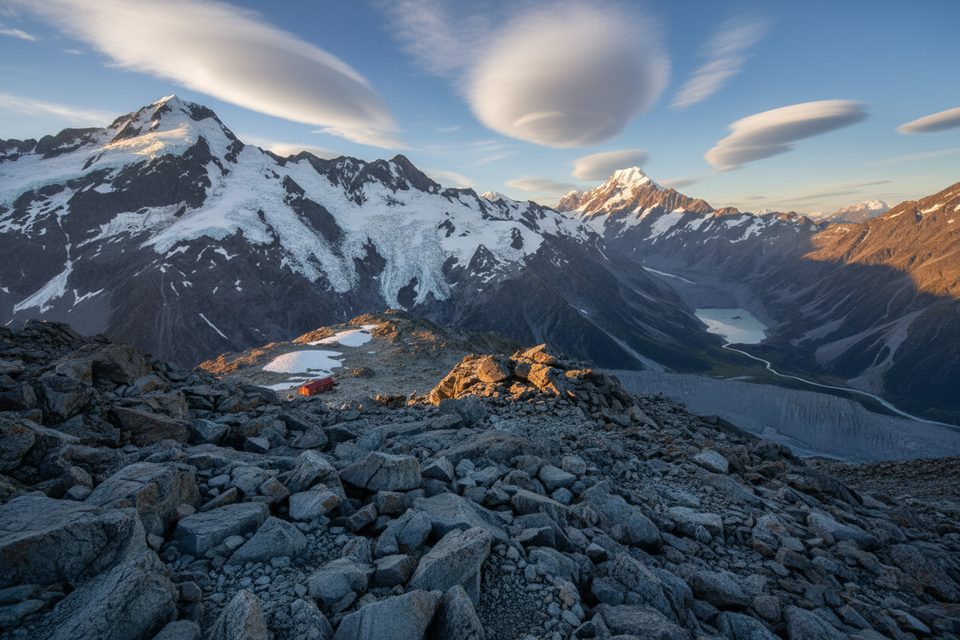
Perched at the head of the Hooker Glacier under Aoraki, Empress Hut is a true alpine refuge for seasoned mountaineers—spartan, functional, and exactly where you want to be when the weather cooperates and objectives line up.
Inside you’ll find 12 bunks with foam mattresses, solar lighting, a stainless bench for food prep, an area map, and basic safety gear (fire extinguisher and blanket). There’s a rainwater tank and an outside long‑drop toilet. A daily DOC alpine radio sched with weather runs at 4:45 pm; instructions are posted in the hut.
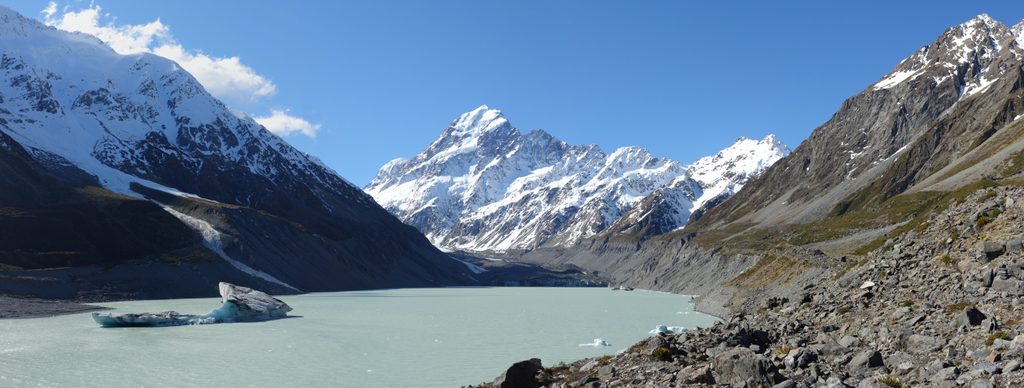
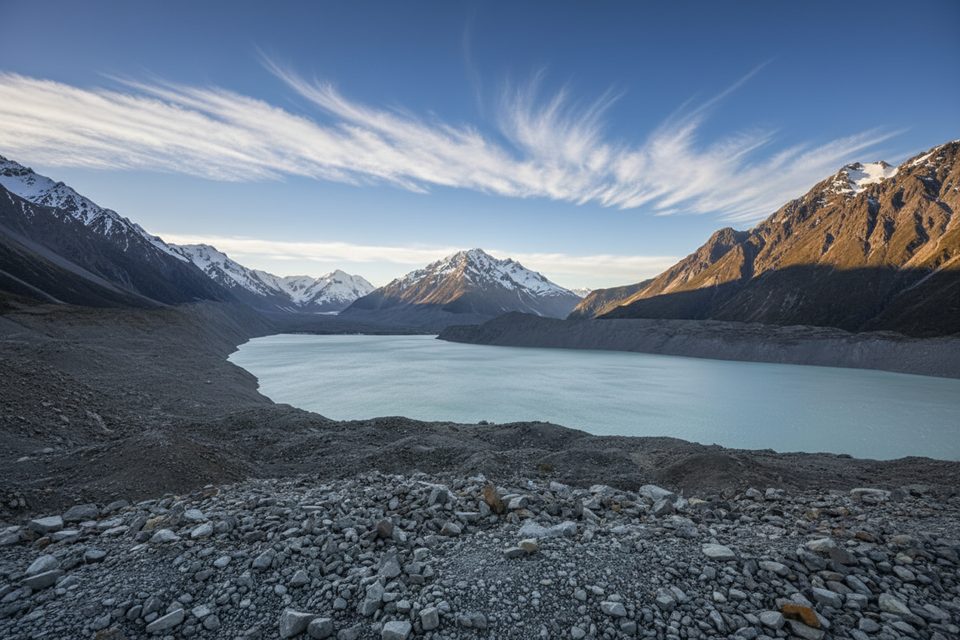
The hut sits at the top of the Hooker Glacier, roughly a 12–18 hour push from the Hooker car park. Typical travel includes the true right moraine around Hooker Lake (rockfall is worse when damp), then generally the glacier’s center to avoid rock and avalanche hazard. In good snow years parties may trend true right toward Pudding Rock, then true left. The final constriction between the La Perouse and Empress icefalls (past Baker Saddle) is extremely hazardous—don’t stop there, and most parties keep to the true right. Safe bivvy sites are scarce; if you can’t confidently reach the hut in a day, turn back. Helicopter access in the Hooker is not available except for SAR.
Non‑bookable, first‑come first‑served. Pay at the Aoraki/Mount Cook Visitor Centre. Current guidance: $20 per night; $10 for NZ Alpine Club members; free for Canterbury Mountaineering Club members. DOC notes Backcountry Hut Passes/Tickets are not accepted, while CMC material suggests DOC tickets are valid—confirm the latest policy with the Visitor Centre before you go.
The original Empress Hut was built by the Canterbury Mountaineering Club in 1953 (materials were air‑dropped). DOC replaced it with the current hut in 1994; the old two‑bunk hut now resides at the Mt Cook visitor centre.
Strong, self‑reliant alpinists comfortable with dynamic glacial terrain, complex hazard management, and long days. If you’re after a casual hut walk, choose something else.
Aim for settled, cold conditions. Do not attempt after rain or in summer conditions when hazards escalate quickly. Use the 4:45 pm radio sched for the latest alpine weather and updates.
Place · 0.9 mi away
Place · 1 mi away
Place · 1.3 mi away
Place · 2.4 mi away
Easy · 7.4 mi away
Easy · 7.4 mi away
Challenging · 8.7 mi away
Challenging · 8.7 mi away

Parkwolf Tour Guide
