
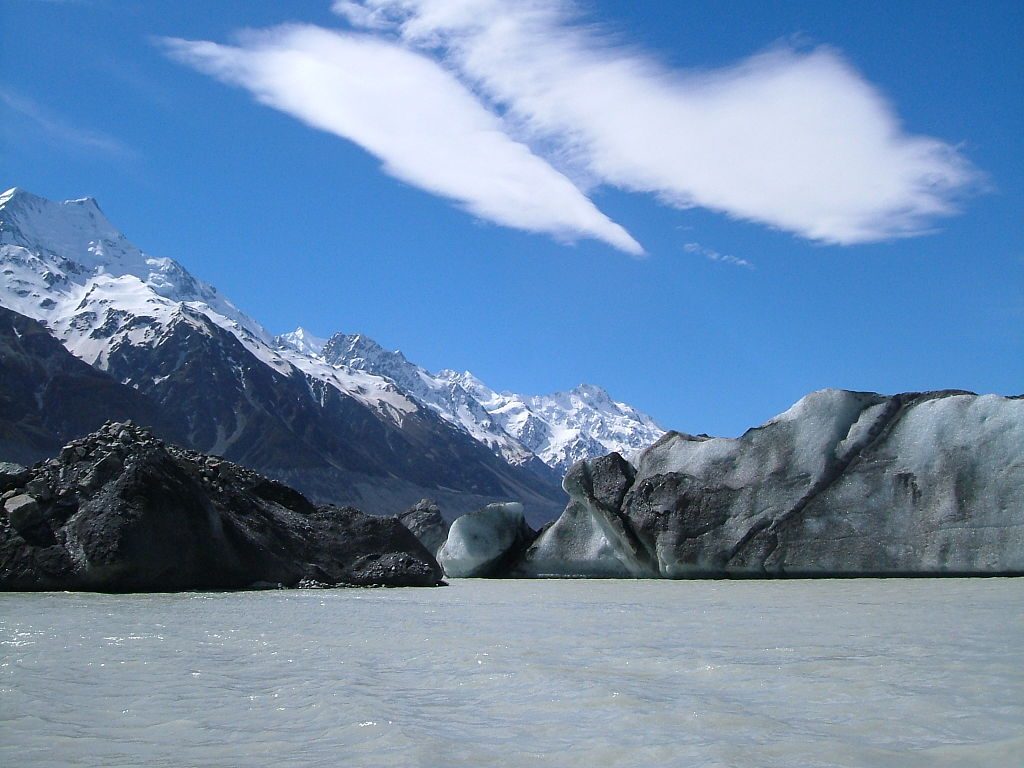
Place · 1.9 mi away
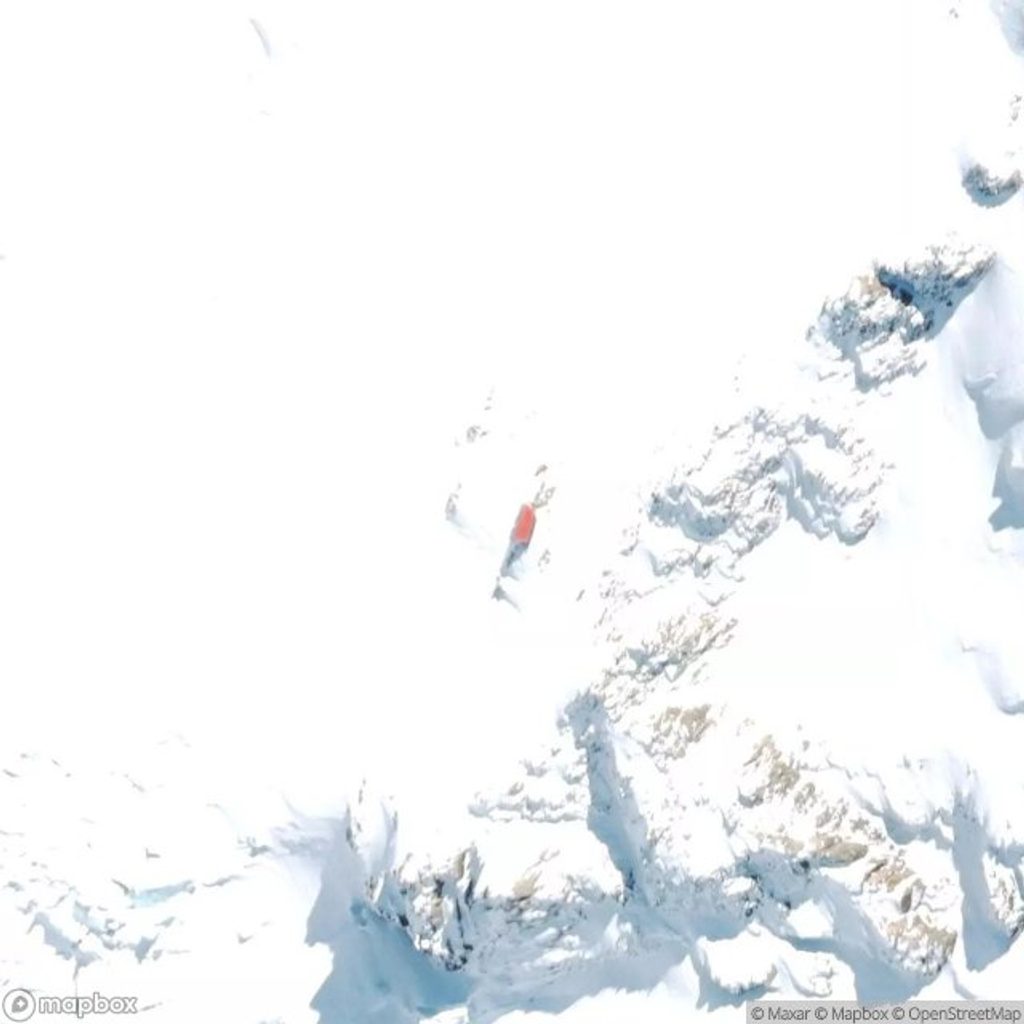
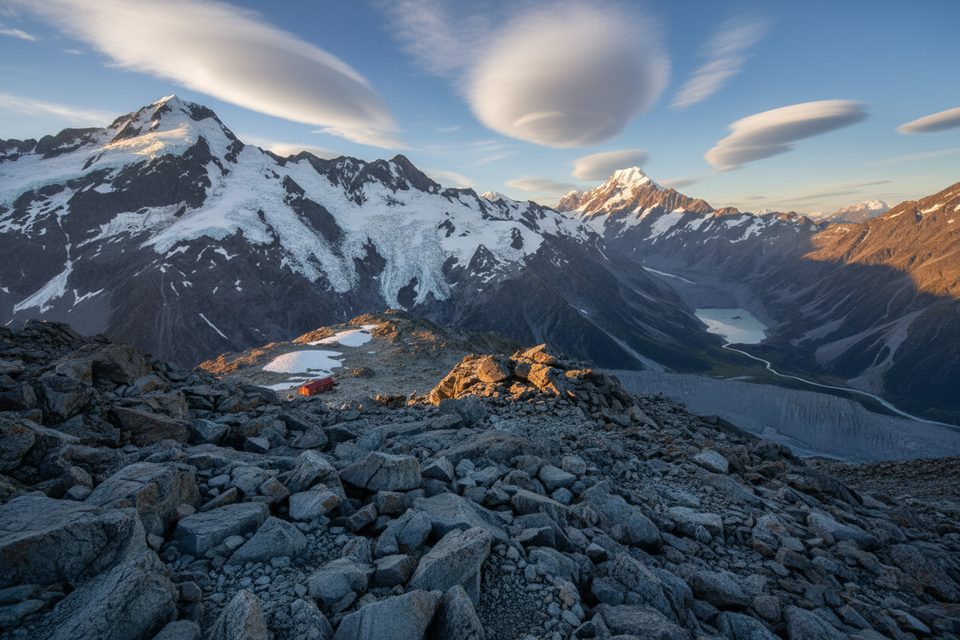
Sitting around 2,200 m on the Grand Plateau, Plateau Hut is the high-alpine launchpad for serious objectives—think Aoraki/Mt Cook, Mt Tasman, and Dixon Peak. You’re on the doorstep of the Tasman Glacier and technical terrain, not a casual viewpoint or day-walk destination. The hut is often described as spacious and well‑equipped, with nightly weather updates around 7 PM to help parties plan.
Most parties fly in by helicopter from Mount Cook Airport (walking access exists but is not the norm). Flights are weather‑dependent, so build slack into your schedule for delays. From the hut, strong teams can link to other huts and glacier terrain in the area.
This is a hub for mountaineering and ski mountaineering. Classic objectives include the East Face of Aoraki/Mt Cook, routes on Mt Tasman, and the East Ridge of Mt Dixon. Expect everything from firm, steep snow near summits to smoother “corn” lower down when conditions line up. Travel commonly involves glacier navigation—sometimes on dry ice—and moraine crossings.
The Department of Conservation (DOC) has assessed rock and ice avalanche risk at the hut. For someone spending about 14 hours a day at Plateau Hut, the estimated daily fatality risk from avalanches is roughly 1 in 66,000 to 1 in 100,000. DOC characterizes this as “substantial yet tolerable” for users who knowingly accept high alpine risk (e.g., climbers and guides). Ice avalanches—potentially earthquake‑triggered—contribute most of the quantified risk. Avalanche activity has been observed on shadier slopes around the 2,000 m mark. In short: objective hazards dominate; plan conservatively and bring appropriate technical gear.
Come when a stable weather window aligns with your goal—this is the decisive factor. Guided overnights operate seasonally (roughly November–April), and helicopter transfers are weather‑dependent. Use the hut’s evening forecast updates to choose start times and routes.
Place · 1.9 mi away
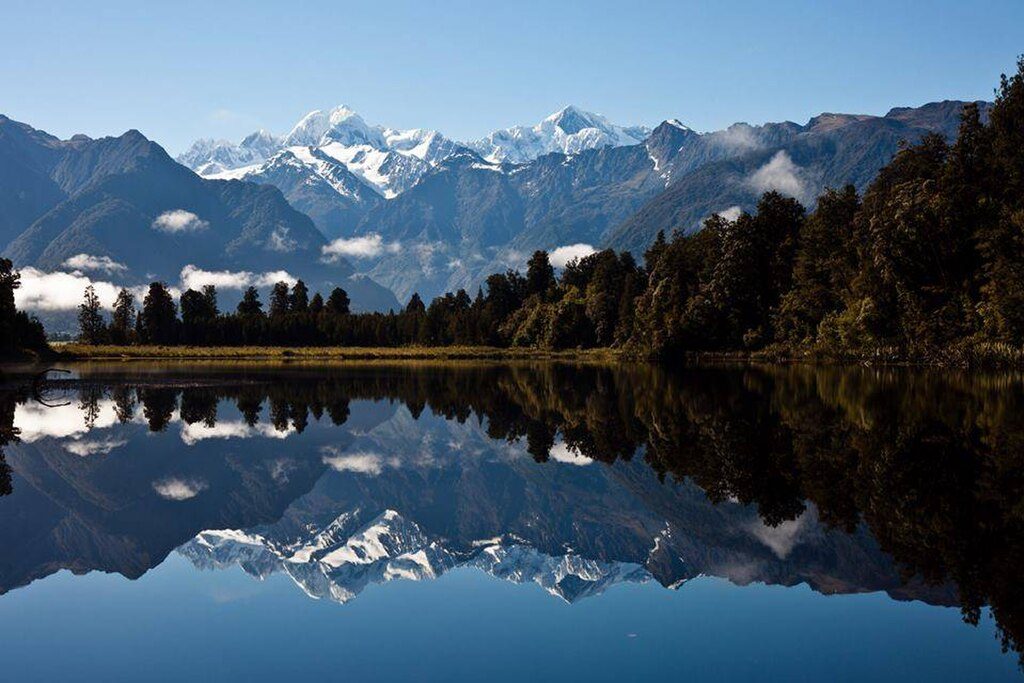
Place · 2.1 mi away
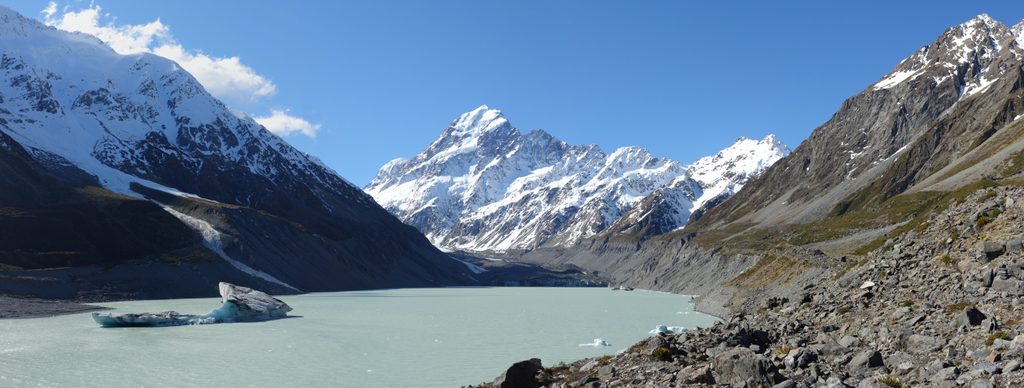
Place · 2.2 mi away
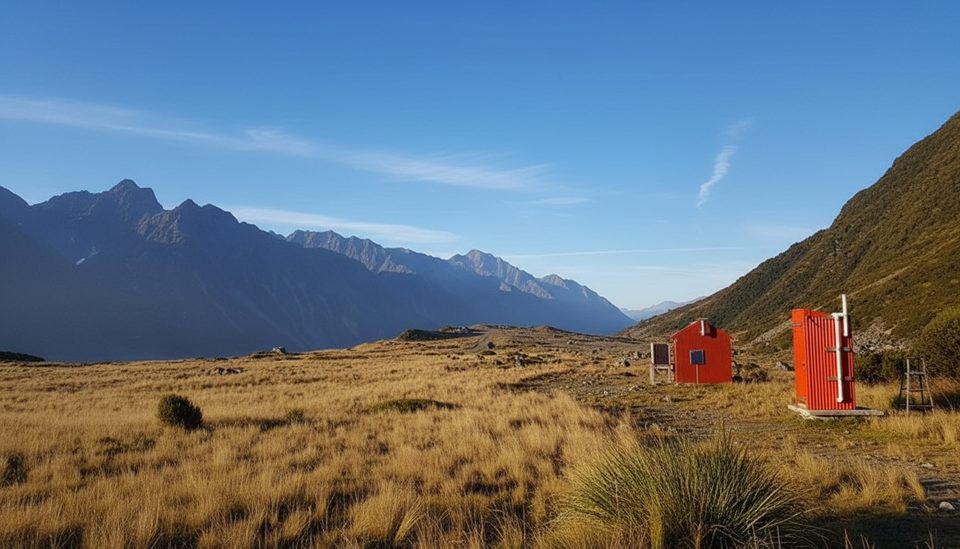
Place · 2.8 mi away
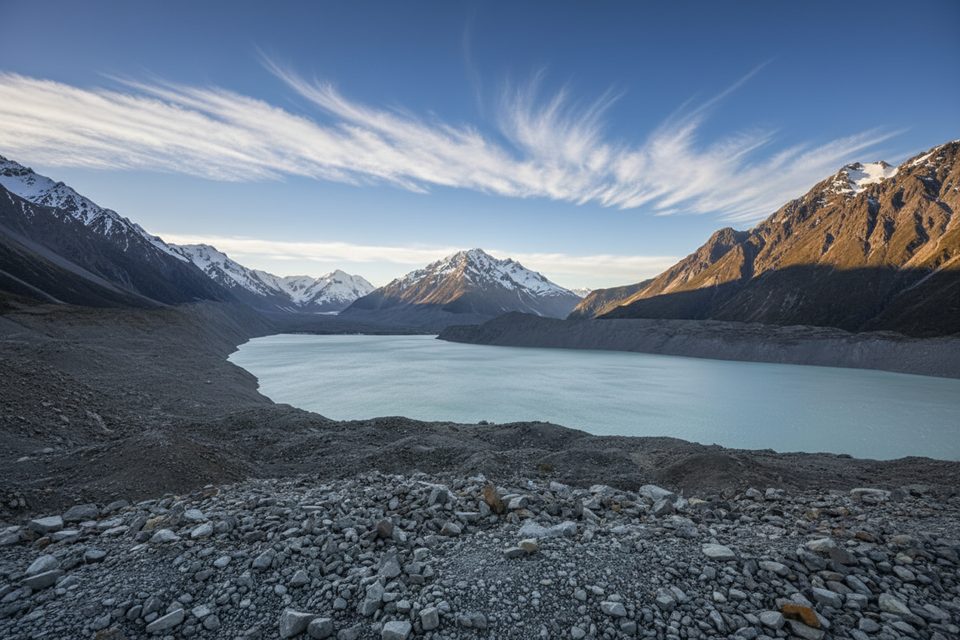
Easy · 8 mi away
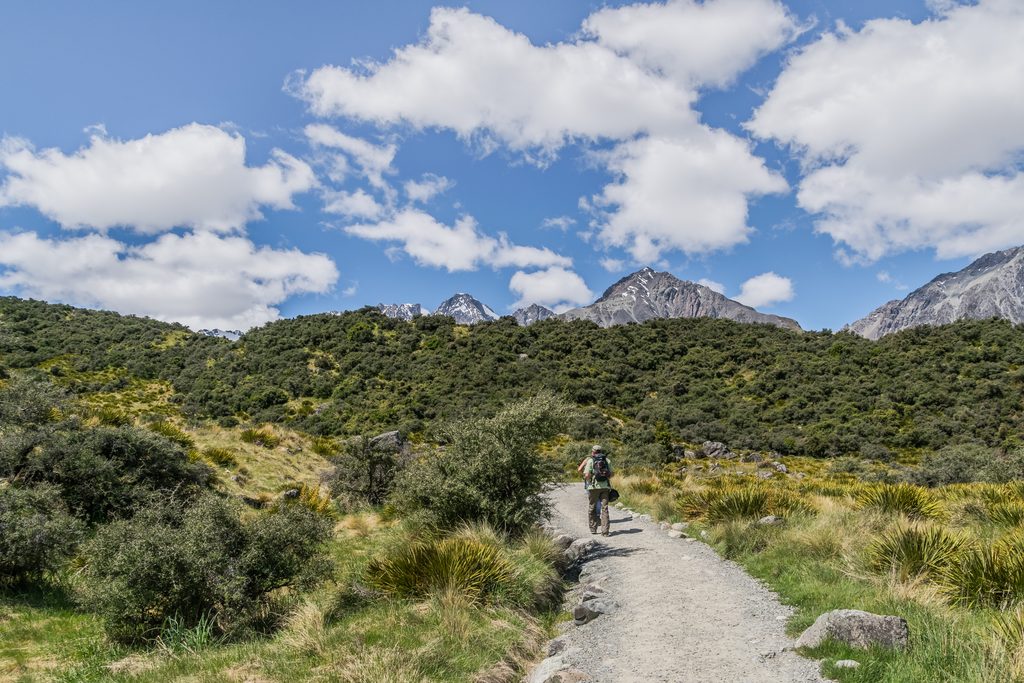
Easy · 8 mi away
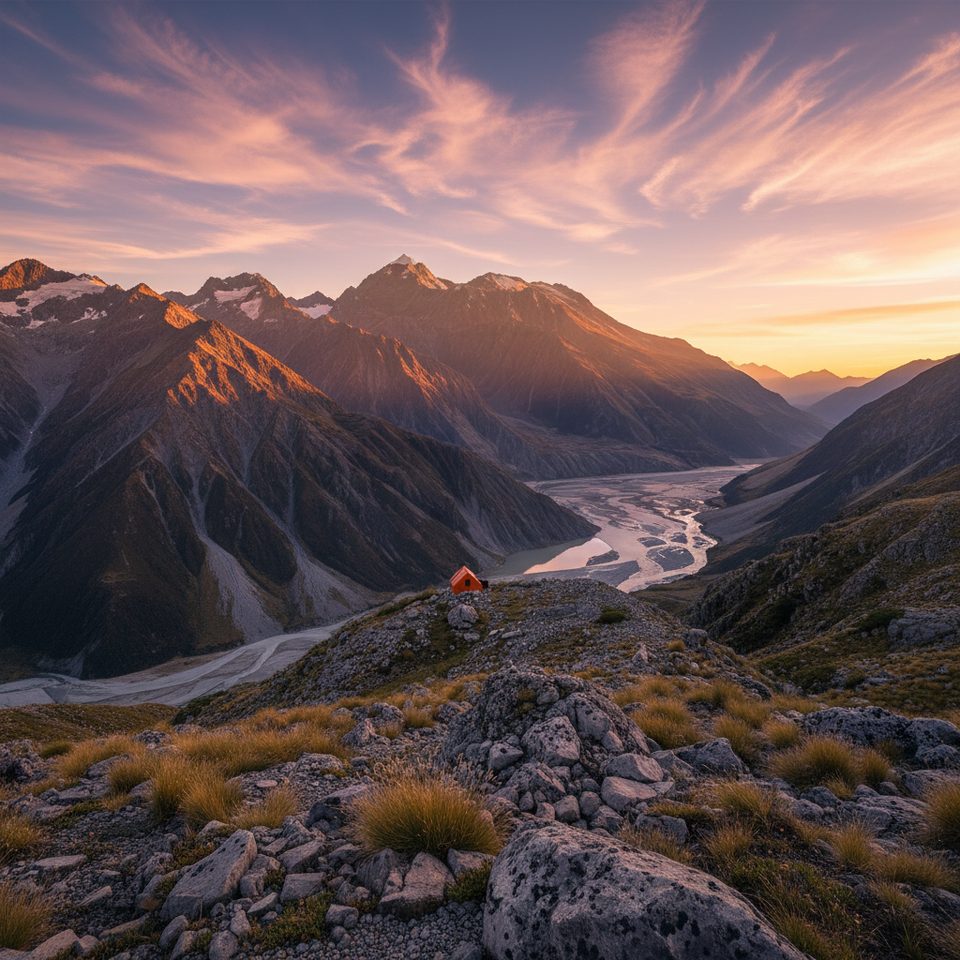
Challenging · 10.4 mi away
Challenging · 10.4 mi away

Parkwolf Tour Guide
