
Place · 3.4 mi away
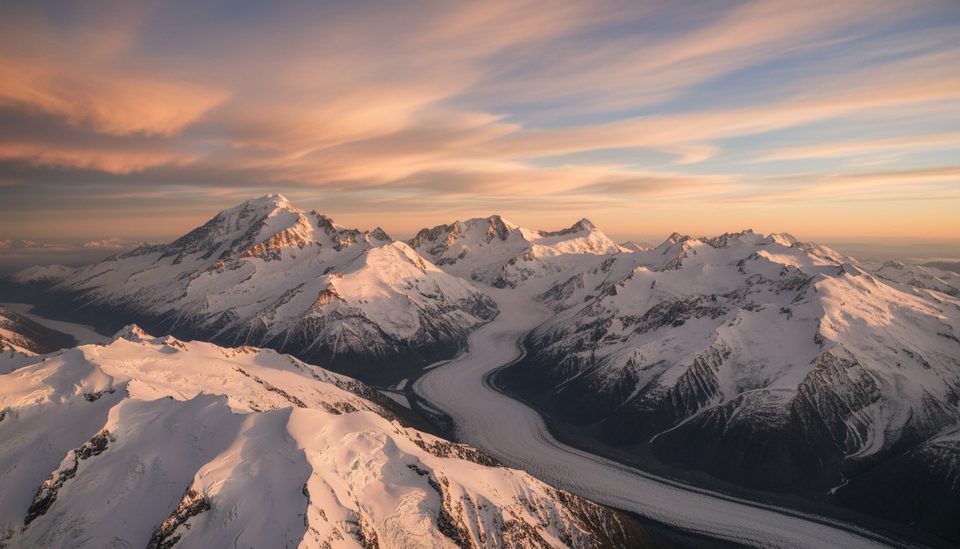
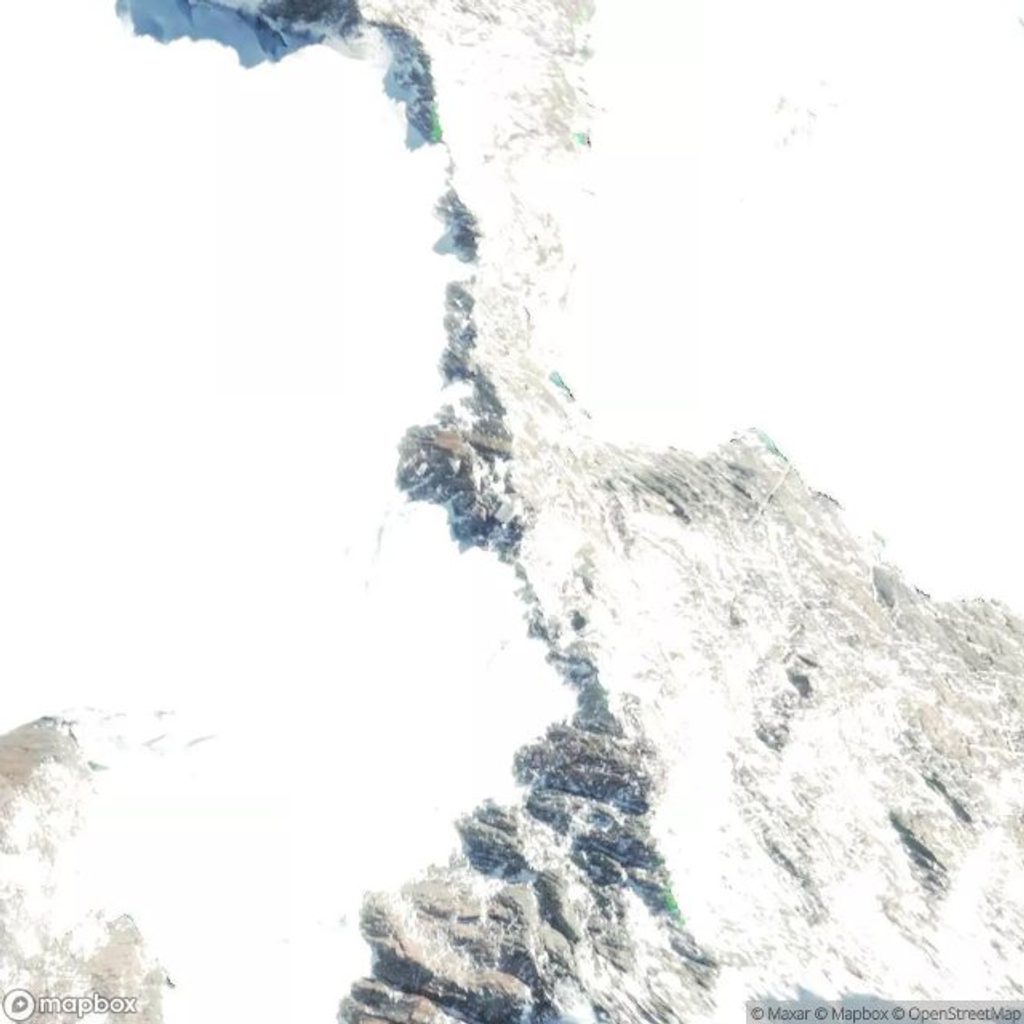
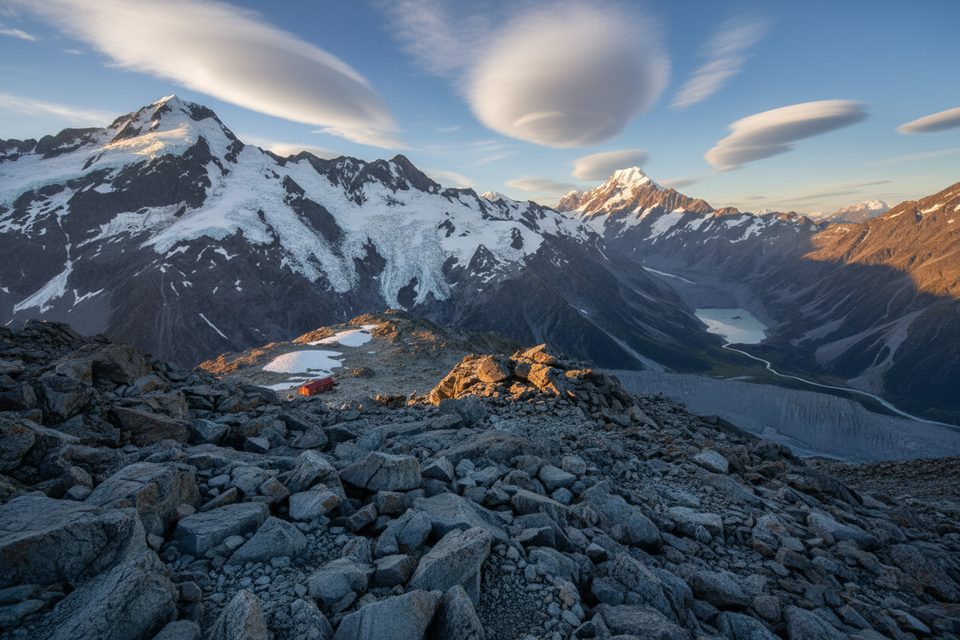
Murchison Glacier is a big, wild slice of ice tucked deep in the park’s high country. It’s not the glacier you stroll to after lunch—most visitors see it from the air on scenic flights out of Mount Cook Village. On the ground, it’s an alpine objective suited to experienced mountaineers, not casual walkers.
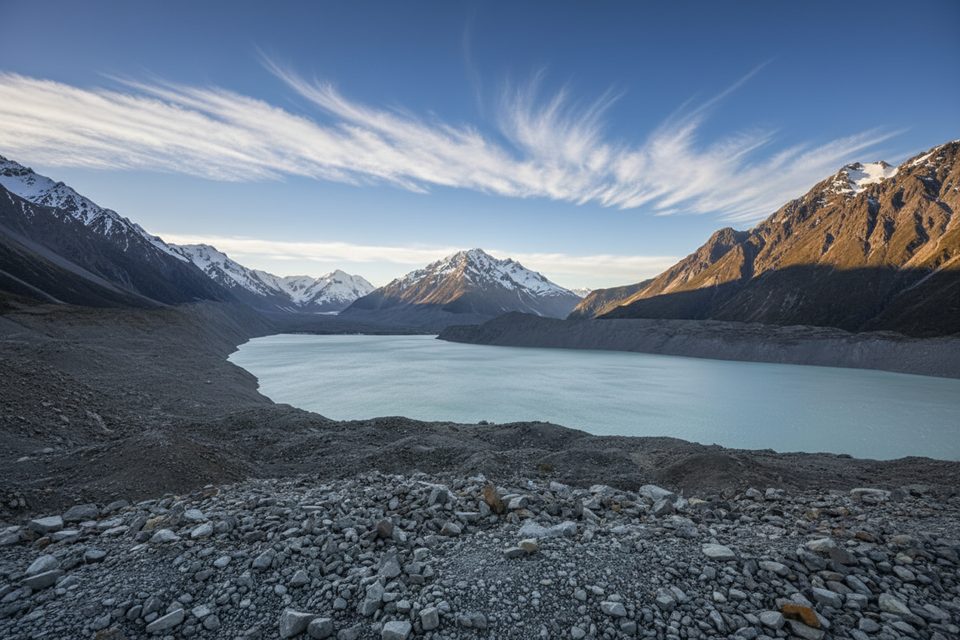
This glacier sits within a landscape carved by vast ice during the Ōtira Glaciation. At its peak, Murchison joined forces with the Tasman, Hooker, and Mueller glaciers to form a single ice body that helped carve the trough now filled by Lake Pūkaki. Like its neighbors, it has been shrinking in recent decades. Glacial meltwater carries ultra‑fine "rock flour" that gives downstream lakes their milky turquoise color—part of the region’s signature look. Moraines trace the glacier’s former heights and positions.
Compared with the more famous Tasman and Hooker areas—both with short, formed tracks—Murchison remains decidedly backcountry. That remoteness is the draw: a long, relatively untrafficked valley glacier with a raw, undeveloped feel. The trade‑off is straightforward: there’s no simple roadside viewpoint, and there are no facilities on site.
Expect no toilets, shelter, signage, or marked trailheads at Murchison Glacier. The former Murchison Hut is closed, and satellite analysis has shown rockslope movement beneath that area—treat surrounding terrain with caution. Glacier and lake margins are hazardous: ice cliffs can calve without warning, and lake ice is unsafe. Weather in this range changes fast; carry warm, waterproof layers, sun protection, and plenty of water.
There are no set hours—your window is whenever the weather cooperates. Scenic flights are entirely conditions‑dependent, so aim for clear, stable periods. If skies clear after dark, remember the wider region sits within an international dark sky reserve, making stargazing a worthy bonus from the village or valley flats.
Place · 3.4 mi away
Place · 4.2 mi away
Place · 4.3 mi away
Place · 4.4 mi away
Easy · 12.9 mi away
Easy · 12.9 mi away
Challenging · 16.6 mi away
Challenging · 16.6 mi away

Parkwolf Tour Guide
