
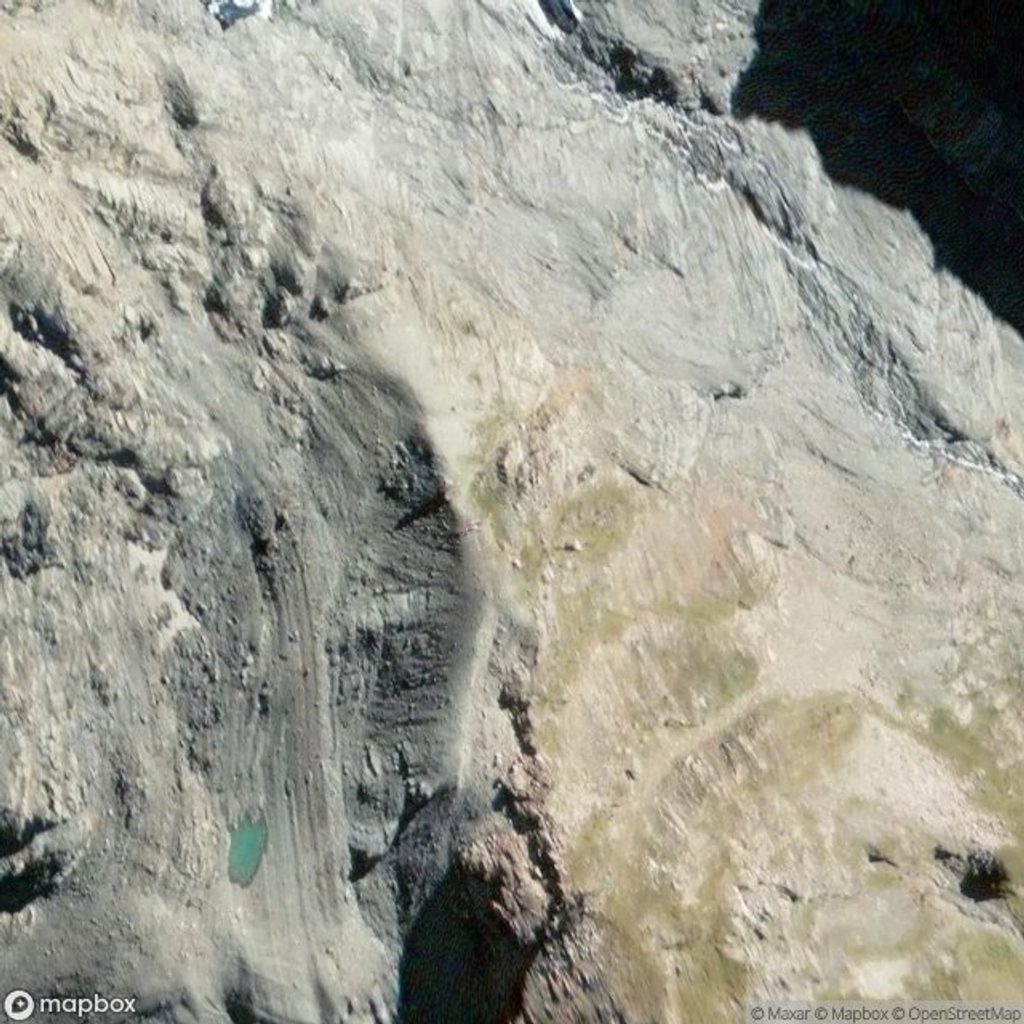
Place · 1.1 mi away
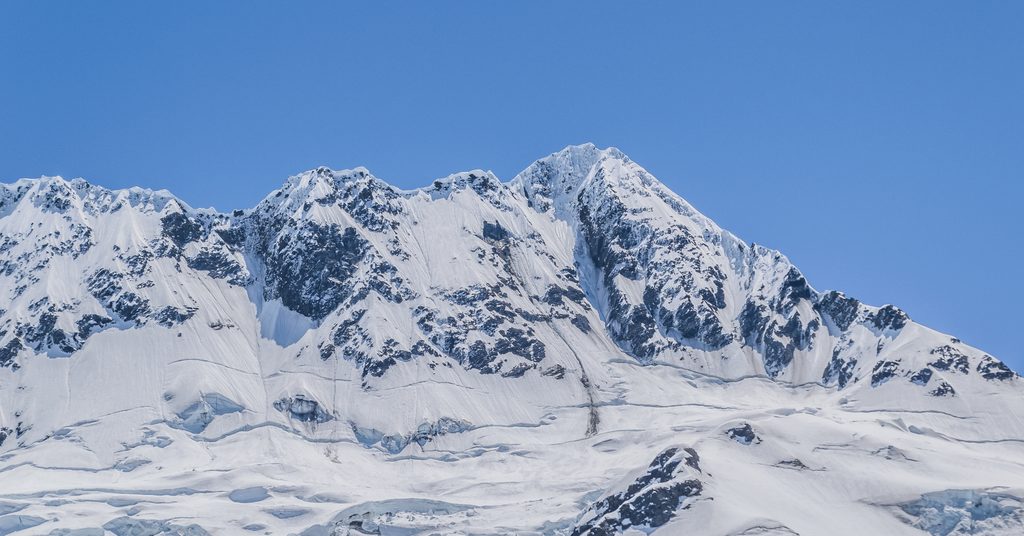
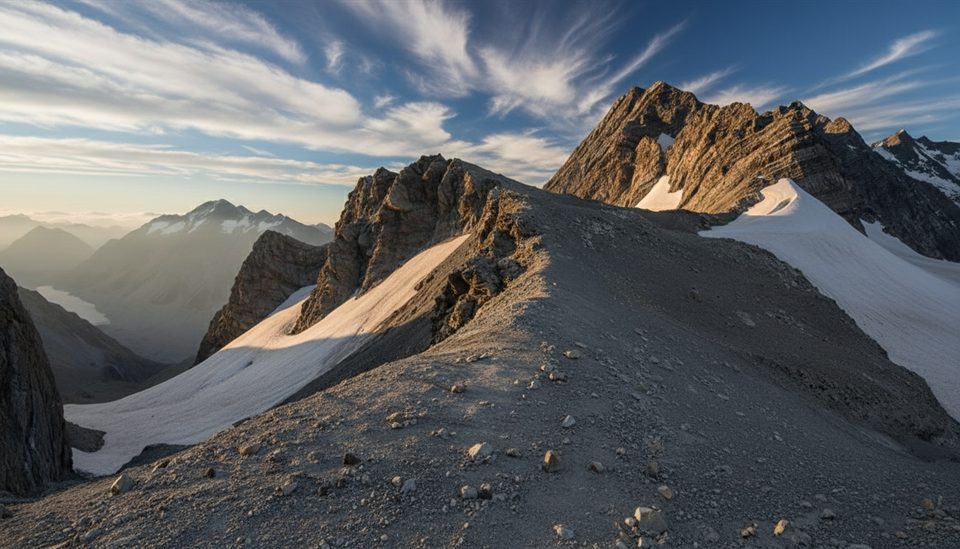
The Footstool is a compact, glaciated summit on the Main Divide—an alpine objective, not a casual walk. Think crevasses, bergschrunds and early starts, rewarded by big views over the West Coast and down the Hooker and Tasman valleys. Its tongue‑in‑cheek name dates to surveyor Edward Sealy, and the first ascent was in 1894 by Tom Fyfe and George Graham.
As of November 20, 2025, the standard approach via the Hooker Valley Track is closed. Local guides have paused Footstool trips for the 2025–26 summer, with availability expected again from October 2026. Always confirm current Department of Conservation advisories before planning.
Most parties treat this as a 3‑day outing, using Sefton Bivouac as high camp. From the biv, a pre‑dawn push crosses the Tewaewae/Taewaewae and Eugenie Glaciers to the Main Divide ridge and the summit. Expect around 1,700 m of total vertical from the village, a glaciated NZ Alpine Grade 2+ line, and the possibility of pitched climbing if conditions warrant. Later in the season, crevassing and an upper bergschrund on the Eugenie can shut the route down.
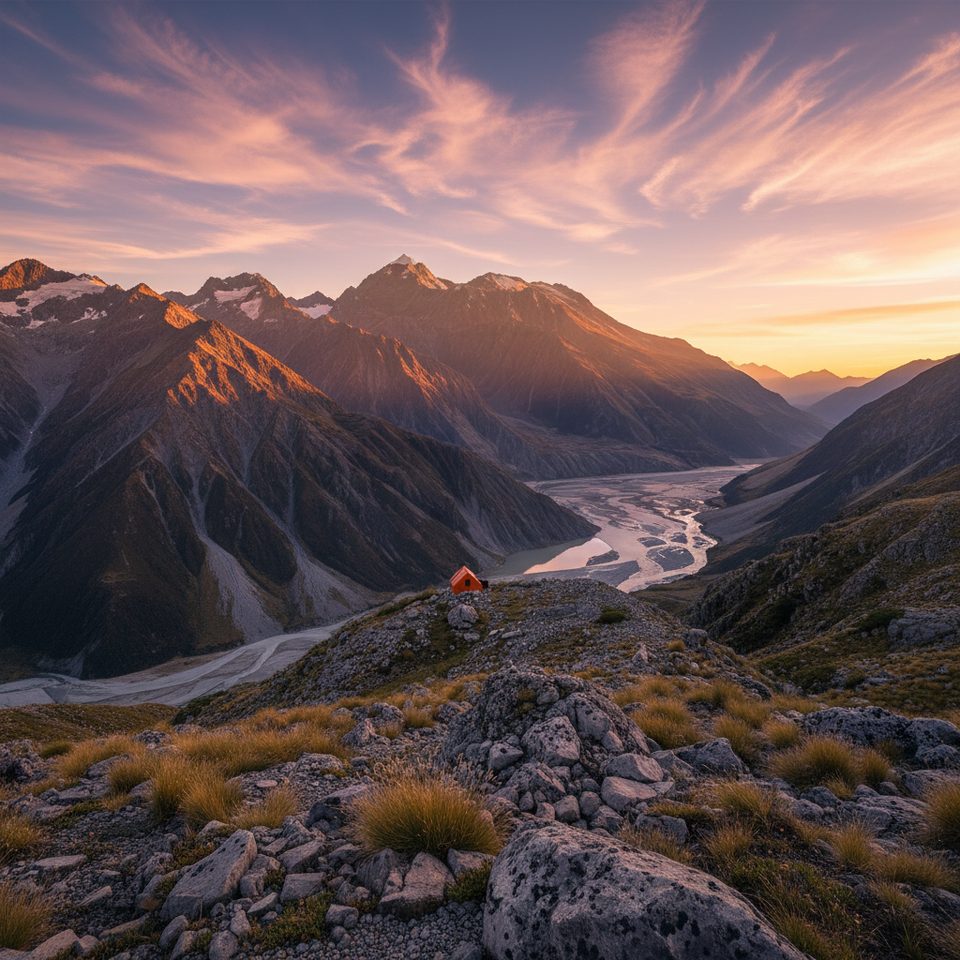
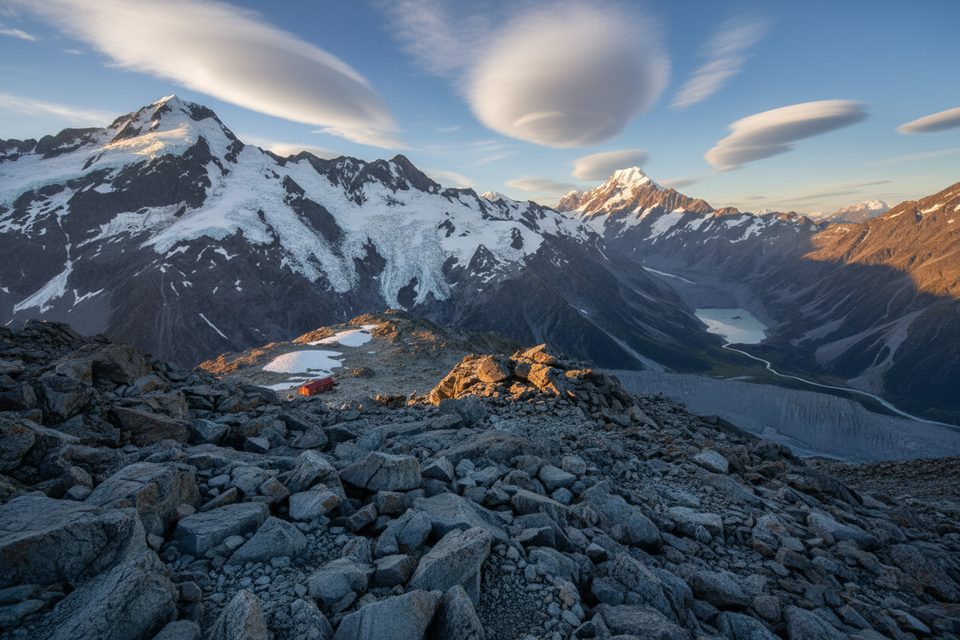
Perched at ~1,660 m and built in 1917, this tiny, first‑come shelter is a piece of park history and a killer viewpoint. It’s basic: mattresses, a water tank, a hut radio, and an outside long‑drop. No bookings—arrive early, carry a backup bivvy plan, and treat water.
This is full backcountry mountaineering: solid crampon technique, confident ice‑axe use, glacier travel and basic crevasse rescue are expected. Objective hazards include fractured rock with rockfall in mild/thaw cycles and complex crevasse patterns; route‑finding on the upper Eugenie is often on you. A recent late‑November party turned back at an uncrossable bergschrund—classic Footstool timing.
On the steep approach to the biv, you can find bursts of Mount Cook lilies in season, and from the Main Divide the horizon opens to the Tasman Sea on clear days.
For climbing (when access is open), aim for October to mid‑December—the window often narrows quickly as the Eugenie Glacier breaks up by December. Start very early for firm snow and safer glacier travel. For simply scoping the peak from the valleys, the most settled viewing weather is typically December–February. Crowds aren’t the issue here; conditions are. Build a buffer day, set strict turnaround times, and don’t count on an existing bootpack.
Place · 1.1 mi away

Place · 1.2 mi away
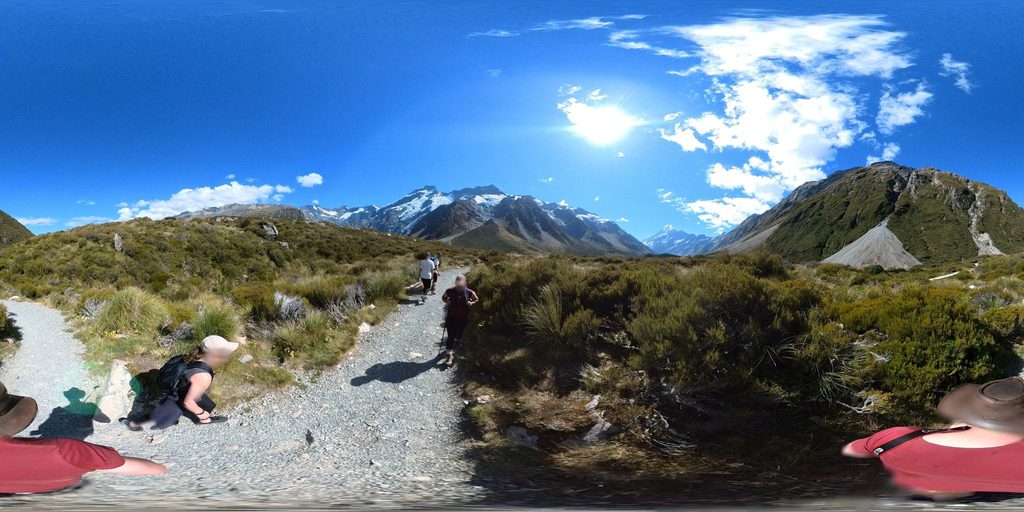
Place · 2.2 mi away
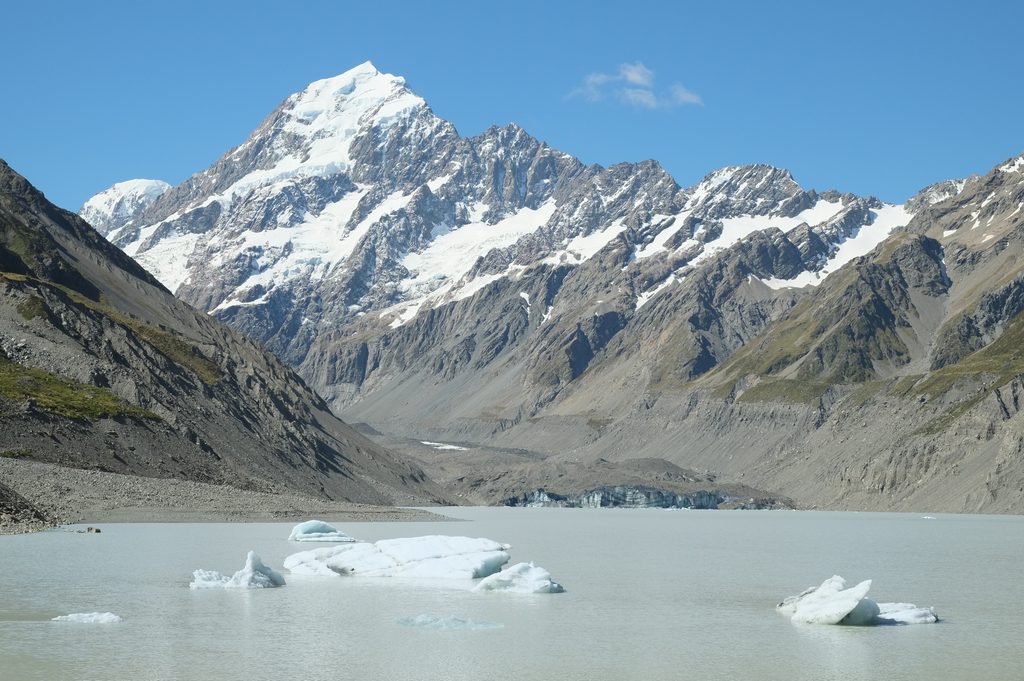
Place · 2.4 mi away
Challenging · 3.4 mi away
Challenging · 3.4 mi away
Challenging · 3.4 mi away
Easy · 3.4 mi away

Parkwolf Tour Guide
