
Place · 1.1 mi away
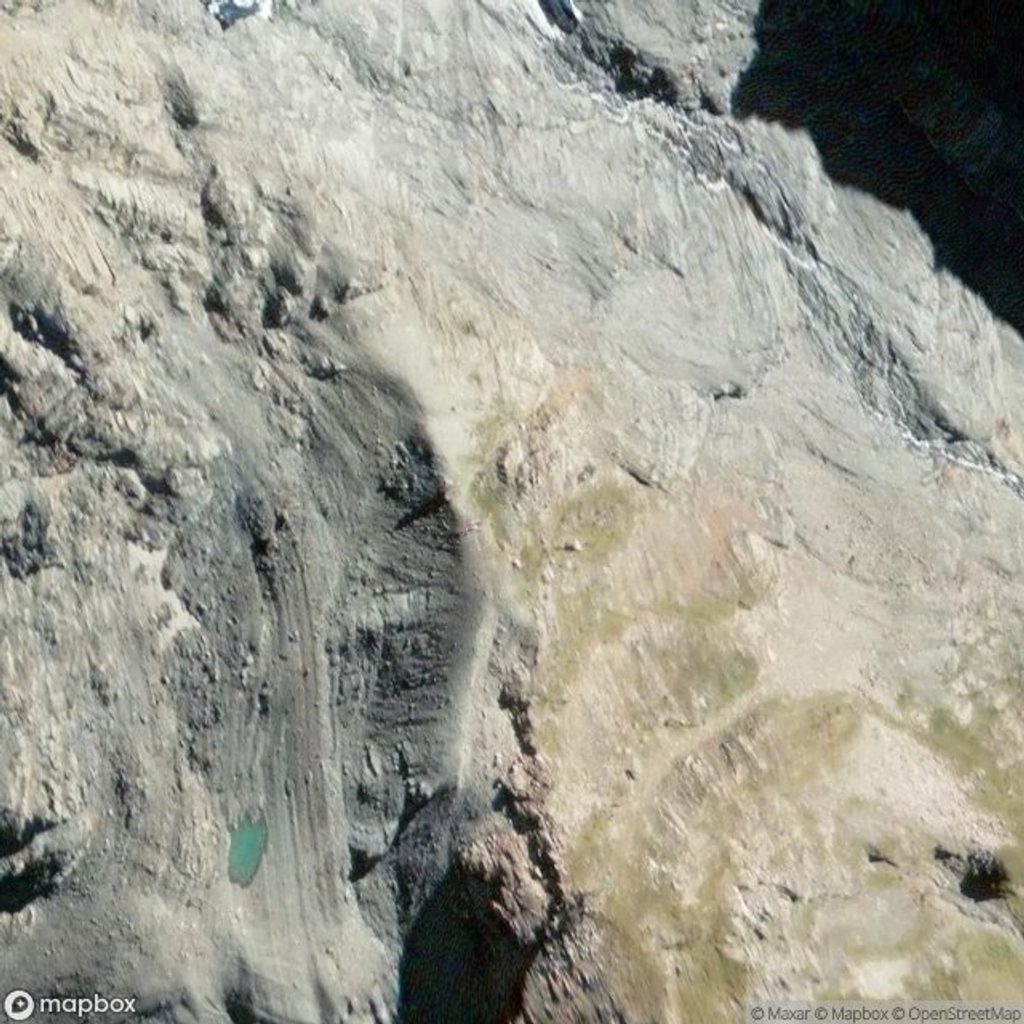
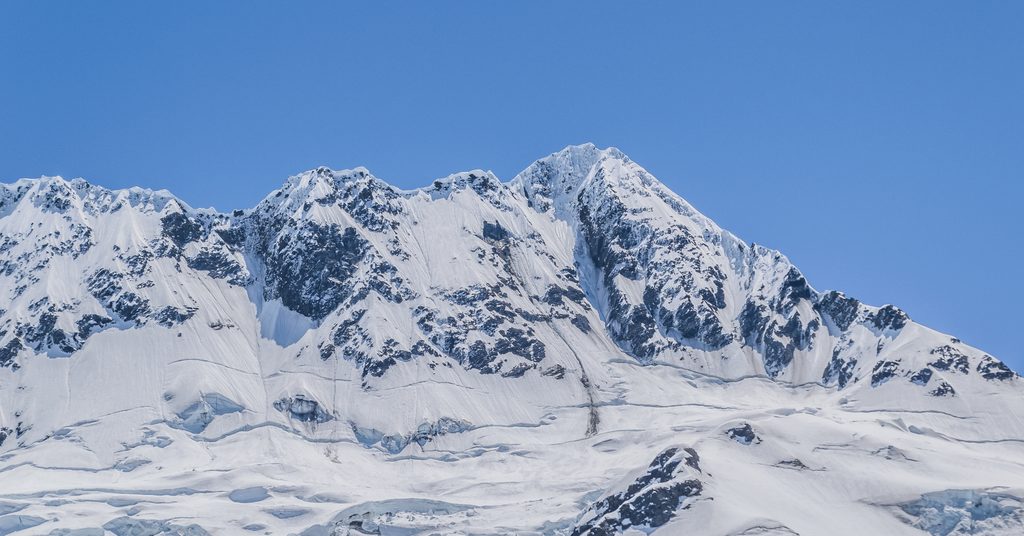
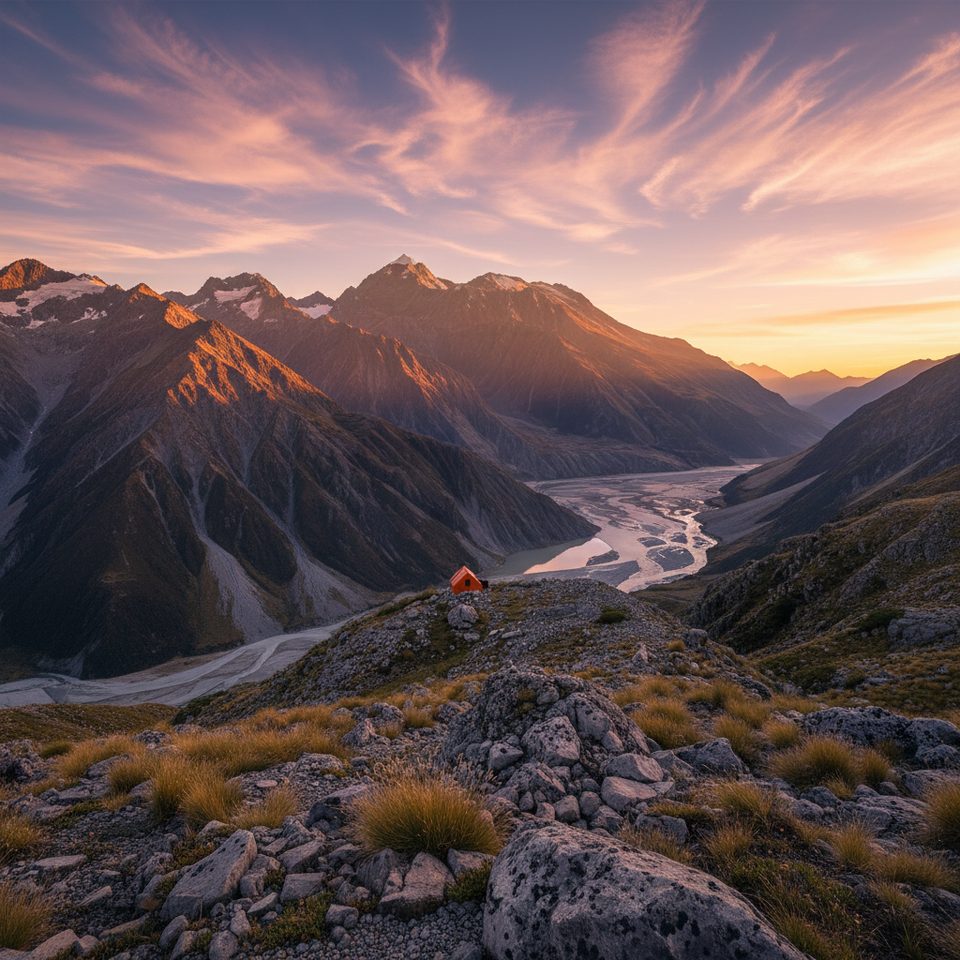
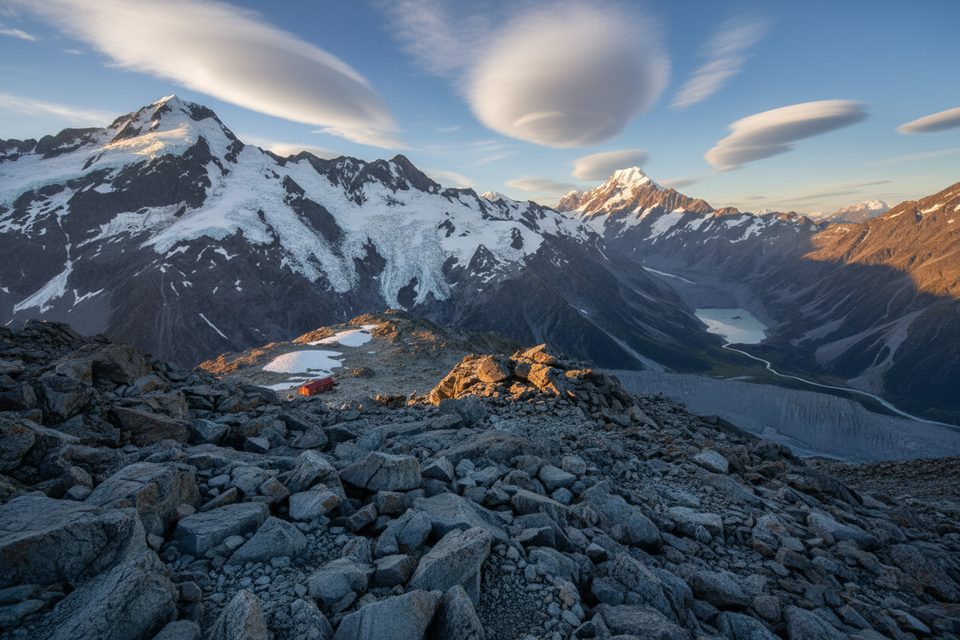
A tiny, historic alpine shelter perched below The Footstool at about 1,650 m, Sefton Bivouac is for fit, experienced parties who want big payoff views without the crowds. From the door you’re staring at Mount Sefton, the ice cliffs of Te Waewae Glacier, and down into the Mueller/Hooker basins.
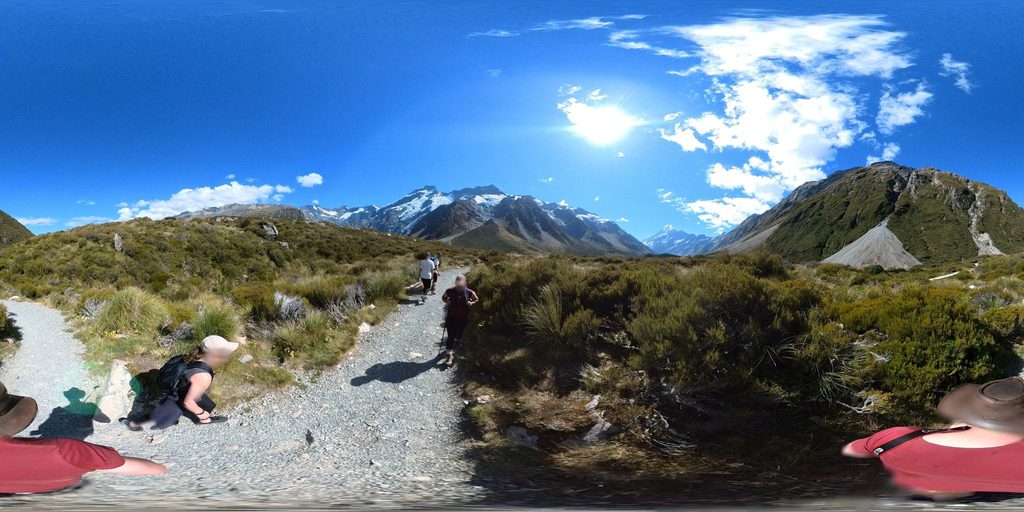
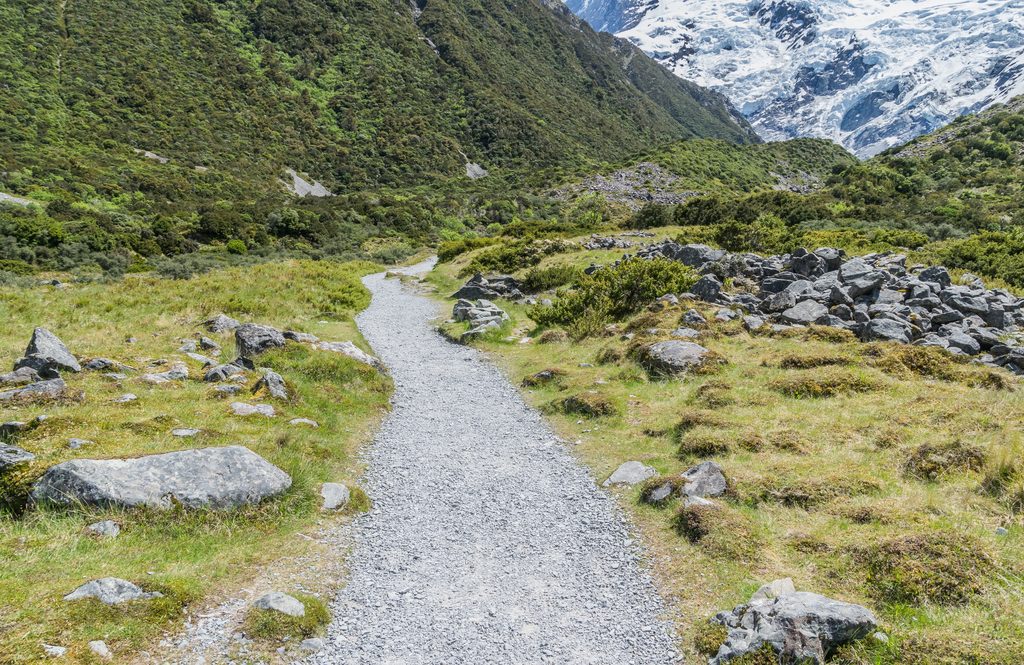
Start from White Horse Hill Campground on the Hooker Valley Track, then leave the formed track and grunt up a steep spur to the bivvy. Expect roughly 3–5 hours one way, around 1,100 m of vertical, and an unmarked route of about 5.5 km one way (roughly 9.5 km return depending on your line). Terrain is scrub, boulder/scree and short scrambles, and finding the correct access onto the spur is a common gotcha—especially in cloud.
Inside: four mattresses (bring all your own gear). No bookings or fees; first‑come, first‑served. Water comes from a tap but is not treated—filter, boil or treat. A nearby open‑air, self‑contained Denali 400 toilet serves the site; in snowy conditions it can be unusable, so carry a compostable bag/poo tube. Alpine huts in this park have a daily radio check‑in and weather update around 4:45 pm, with instructions posted in the hut.
Built in 1917 by legendary guide Peter Graham to support ascents of Mount Sefton and The Footstool, this is widely cited as the park’s oldest hut still on its original site—and the oldest building in the park. It remains intentionally simple: a bivvy with world‑class views.
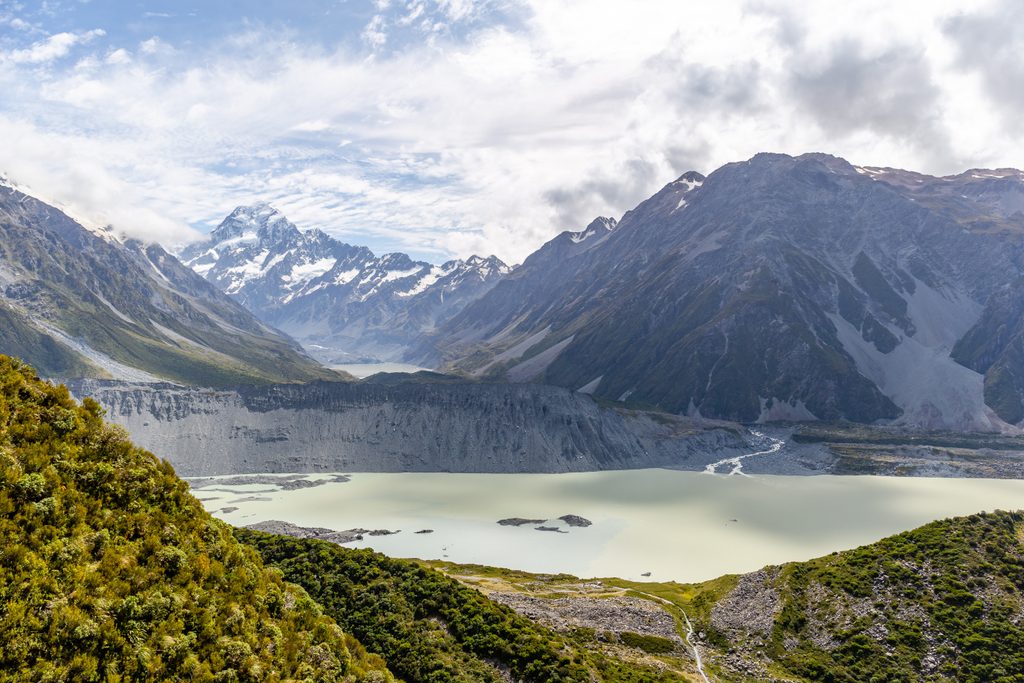
Expect sweeping vantages of Mount Sefton/Kā Tiritiri o te Moana, The Footstool, Mueller Glacier and the ice cliffs of Te Waewae Glacier. Keep an eye out for alpine flora and cheeky kea around the basin. Sunset and sunrise light can be superb here when the weather behaves.
Late spring through early autumn (November–April) brings the most reliable footing and weather windows. Start early for the climb and to give yourself time to retreat if conditions turn.
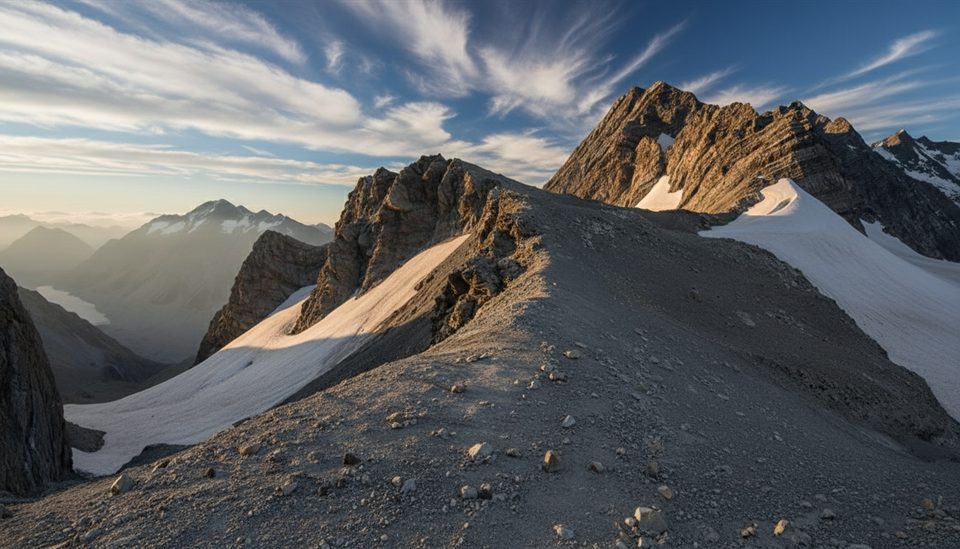
This is an exposed, unmarked alpine route—come prepared with strong footwear, warm and waterproof layers, navigation (map/GPS), plenty of food and a PLB. Weather changes fast year‑round. In winter/spring and after storms, the slopes above Hooker Valley are complex avalanche terrain; check current advice with the Aoraki/Mount Cook Visitor Centre before committing.
If you’ve still got legs after coming down, many people add the easy, scenic Hooker Valley Track the same day. If you plan to combine, tackle Sefton Bivvy first while you’re fresh.
Place · 1.1 mi away
Place · 1.1 mi away
Place · 1.3 mi away
Place · 1.6 mi away
Challenging · 2.3 mi away
Challenging · 2.3 mi away
Challenging · 2.3 mi away
Easy · 2.3 mi away

Parkwolf Tour Guide
