Place · 0.4 mi away

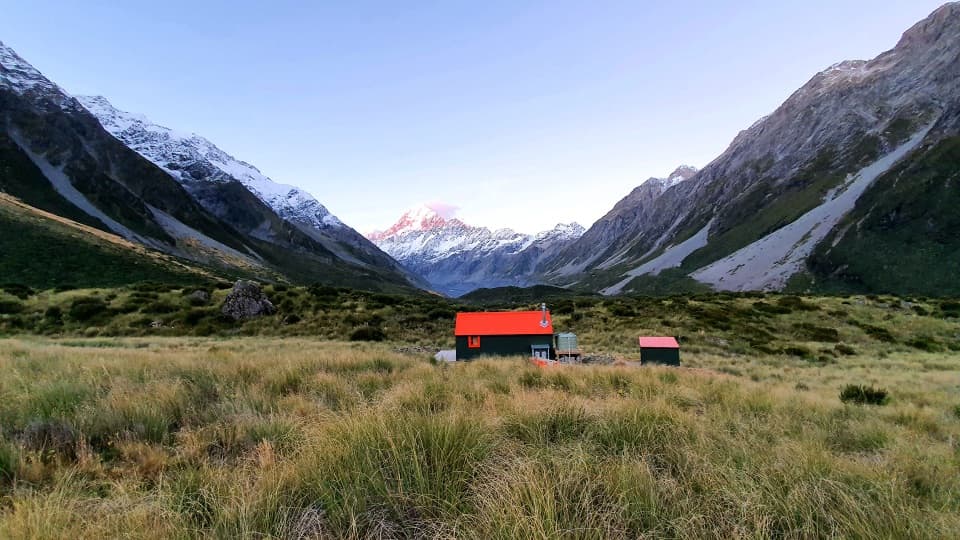
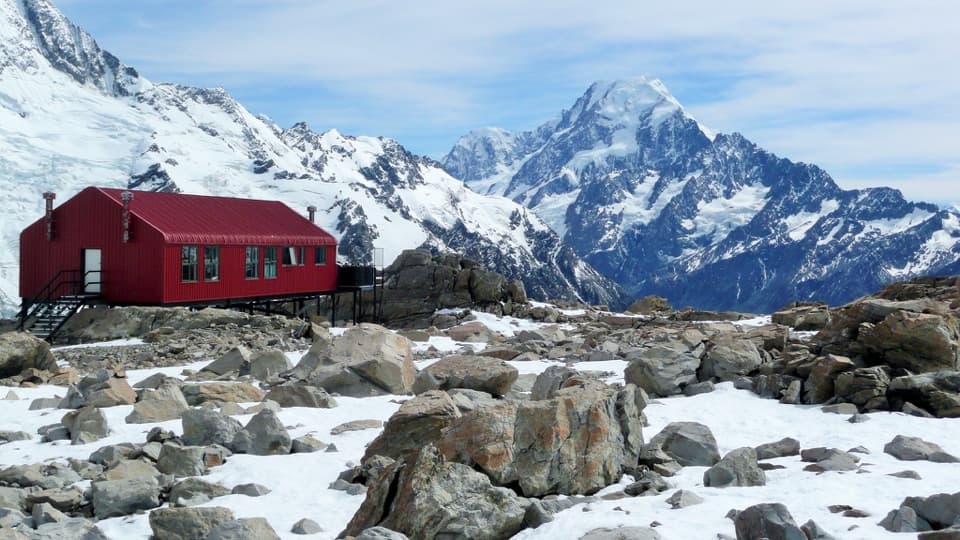
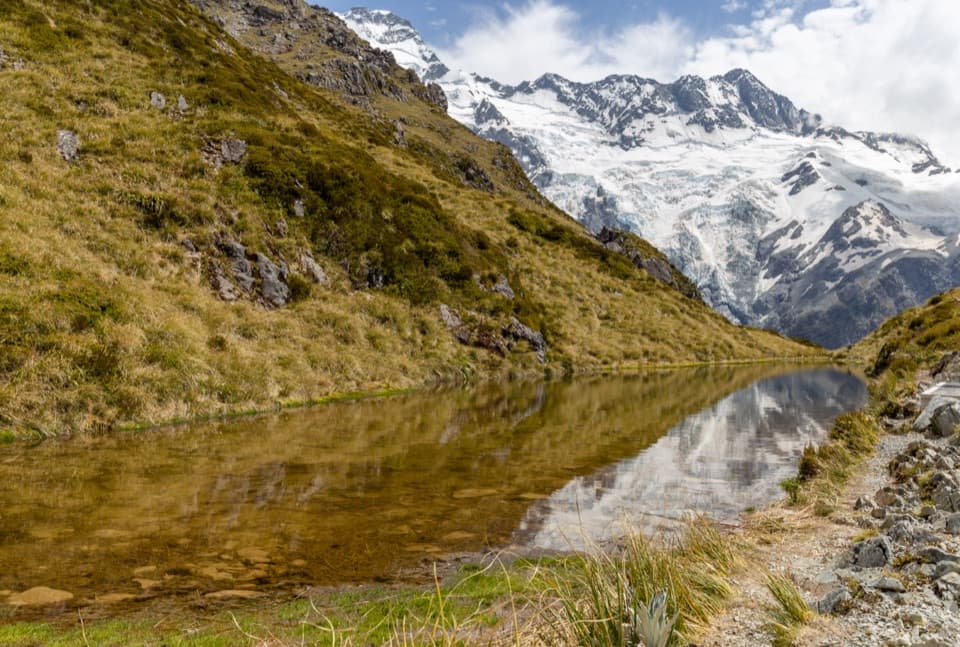
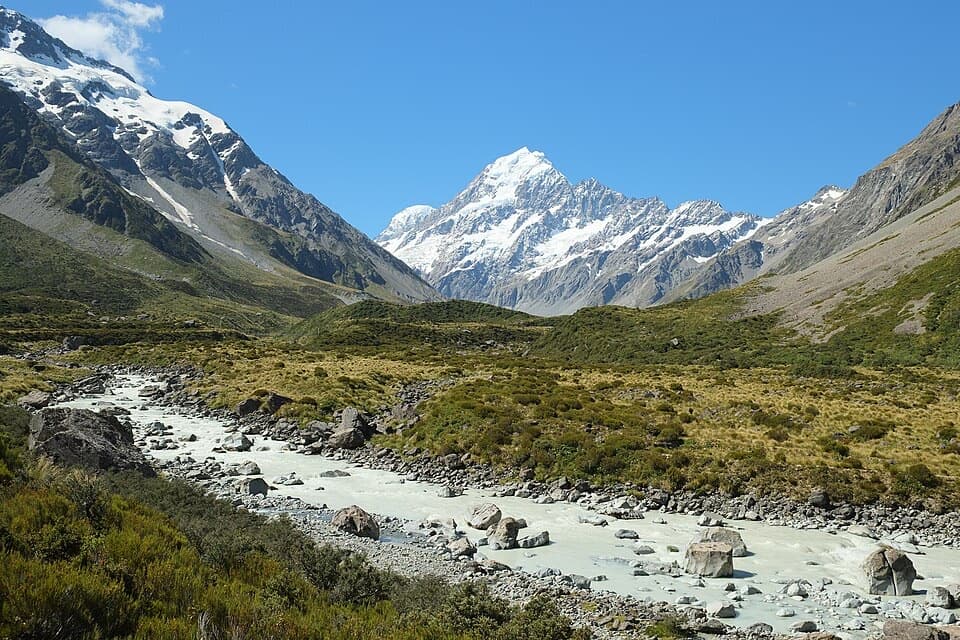
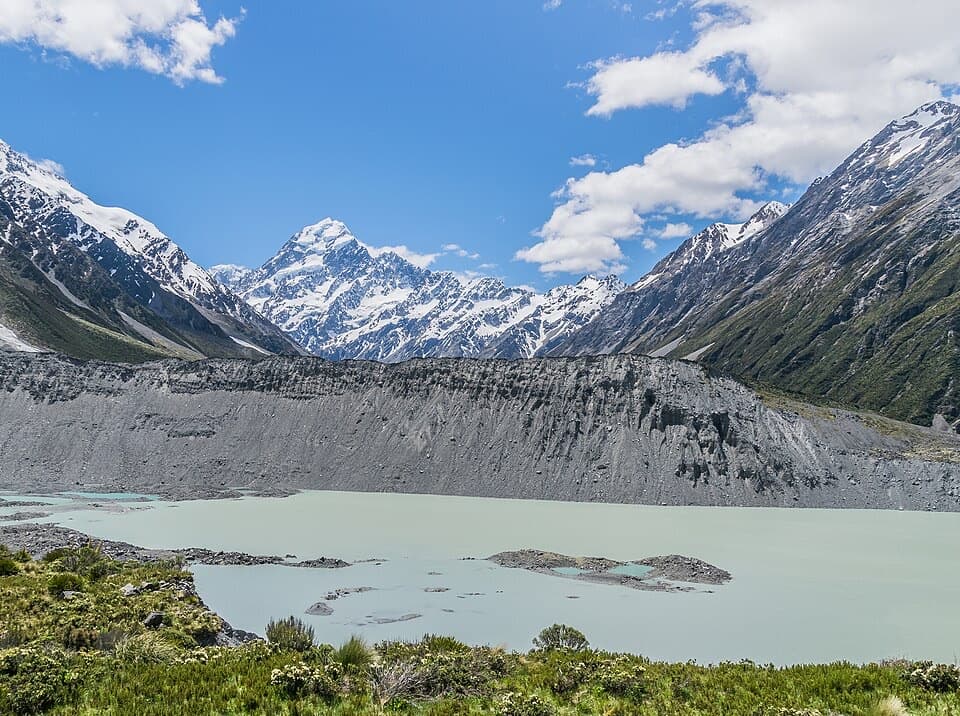
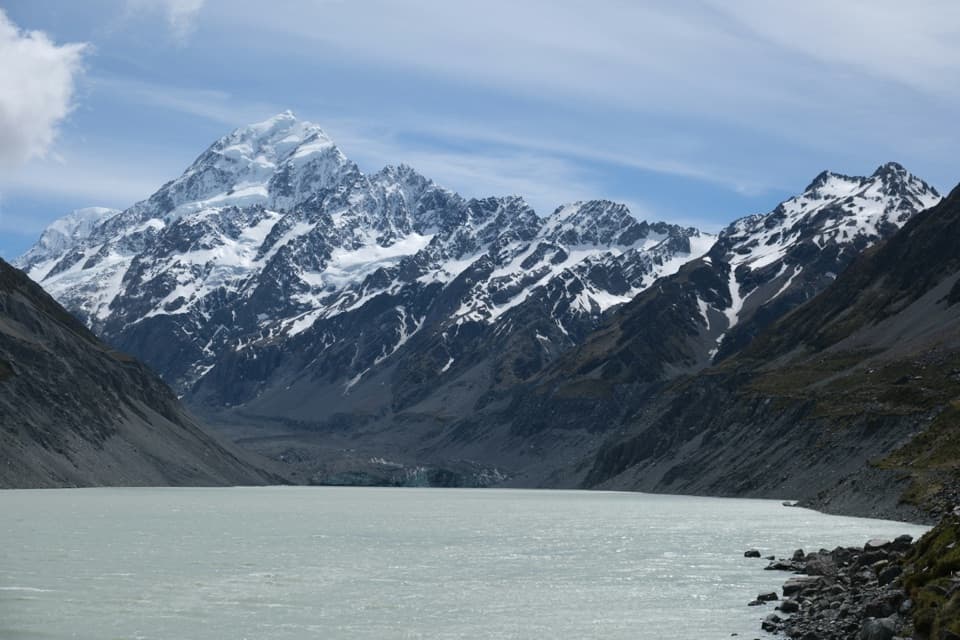
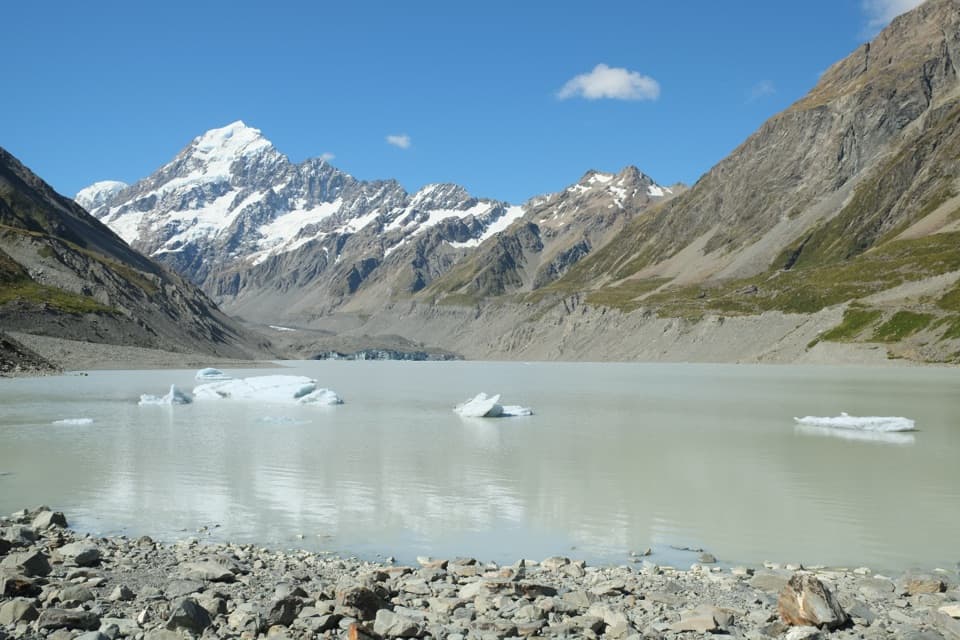
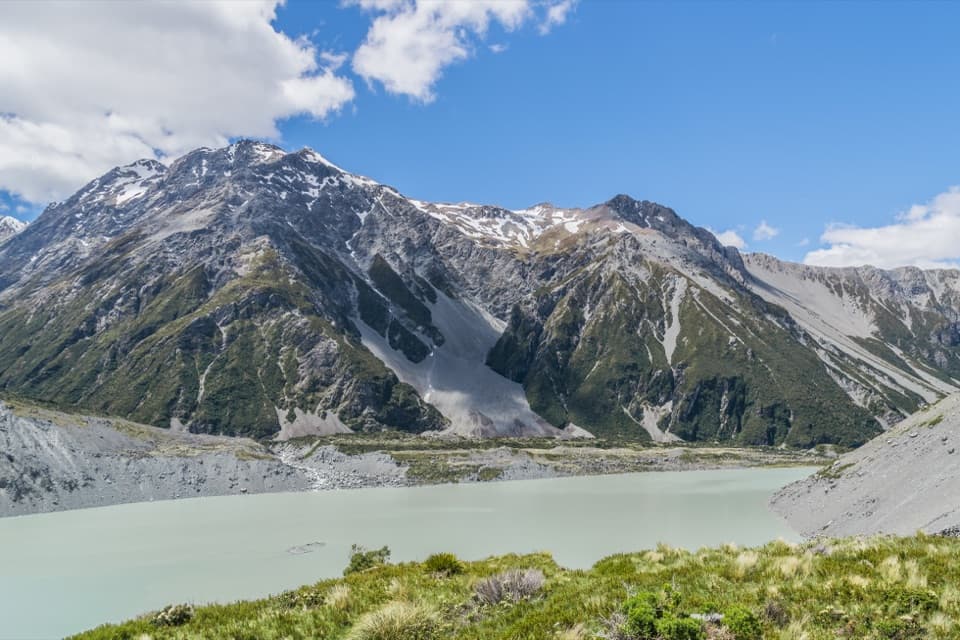
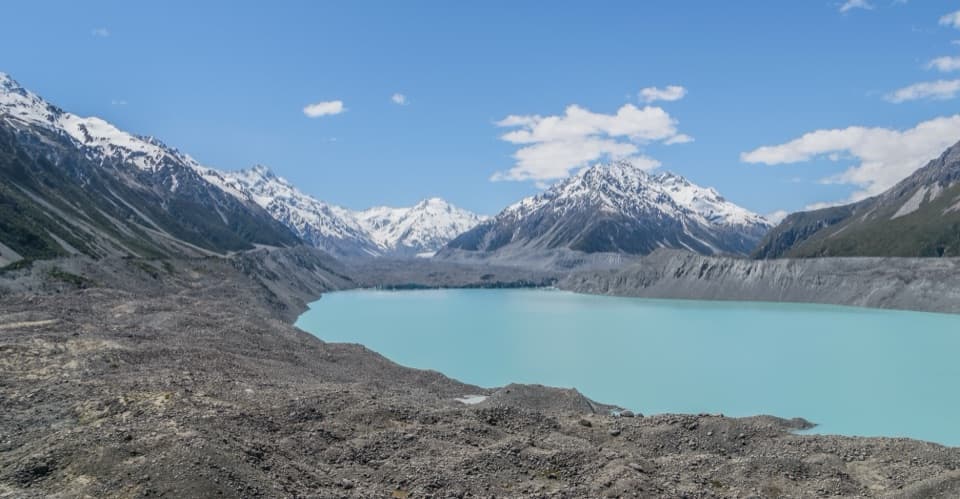
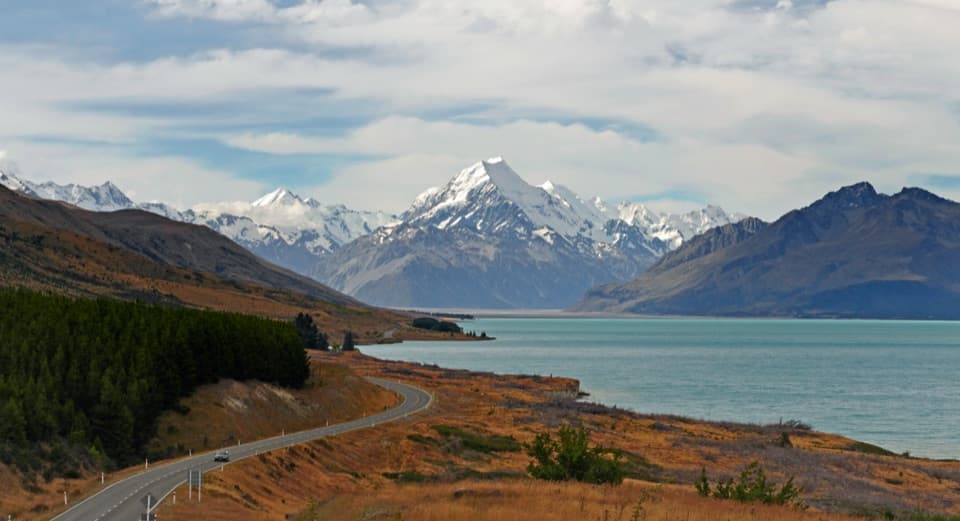
Hooker Hut is the park’s oldest hut, freshly restored (2020–2021) and now sitting in prime position above the Hooker Valley. Stay a night and you’ll trade the day‑hiker rush for quiet sunrise and sunset light on Aoraki/Mount Cook and Hooker Lake—often with icebergs drifting below. Inside, it’s small, simple, and cozy once the fire’s going.
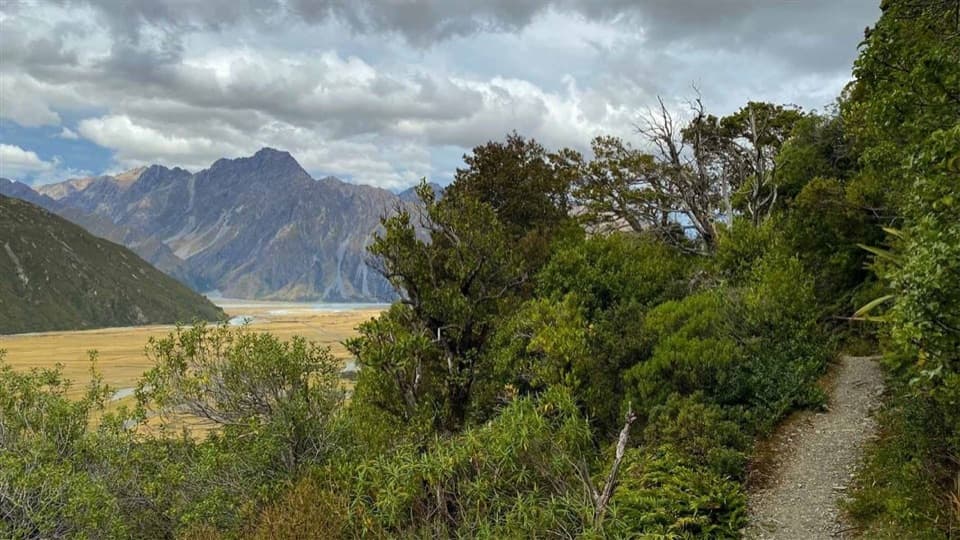
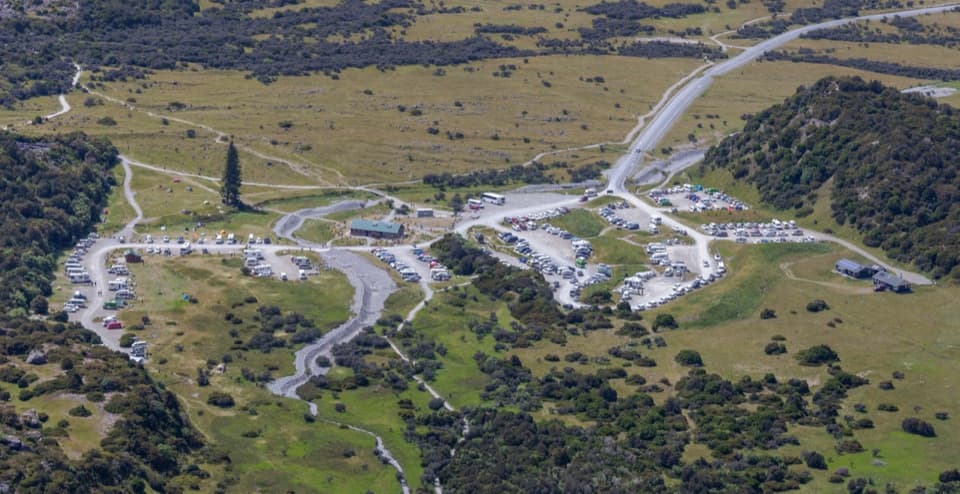
Start at Whitehorse Hill car park and follow the Hooker Valley Track to the toilets at Stocking Stream. As the boardwalk begins, watch for a small orange marker on the left—there’s no big sign by design. Leave the formed track, keep to the true right of the riverbed, and follow the poled route to the hut. If you reach a short wooden bridge on the main track, you’ve gone too far. Expect about 4.5 km and 1–2 hours one way on mostly flat terrain; it’s family‑friendly until the rougher final section.
Bookings are essential year‑round and go fast. Hut fees: adults NZ$50/night; ages 5–17 NZ$25; under‑5s free. Campsites: adults NZ$15; ages 5–17 NZ$7.50; under‑5s free. Backcountry Hut Passes/tickets aren’t valid here. Bookings are currently open for stays up to 30 June 2026.
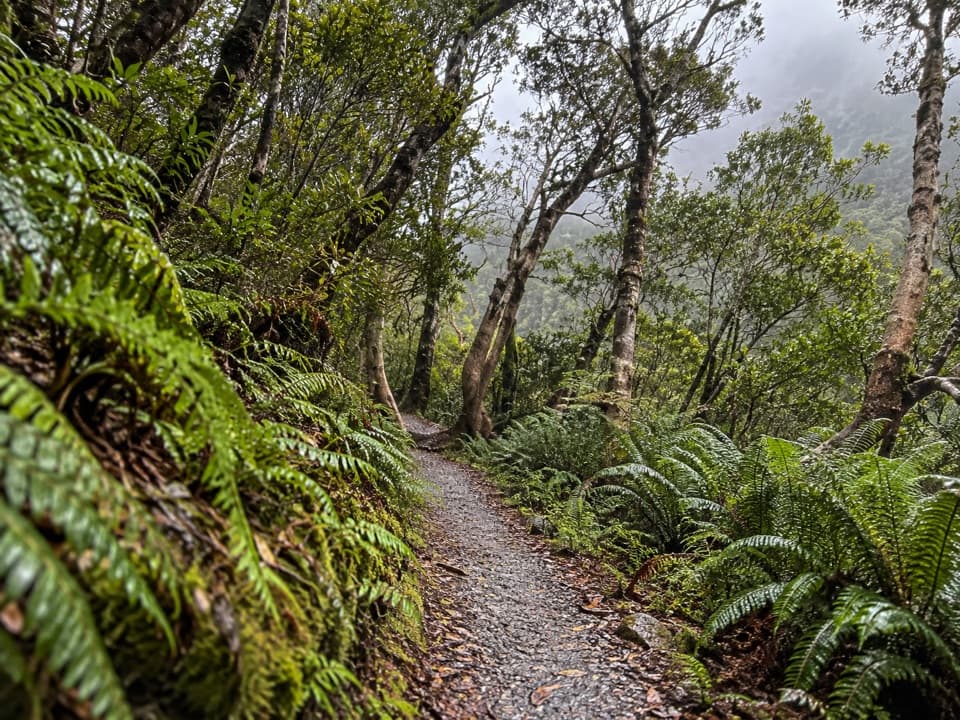
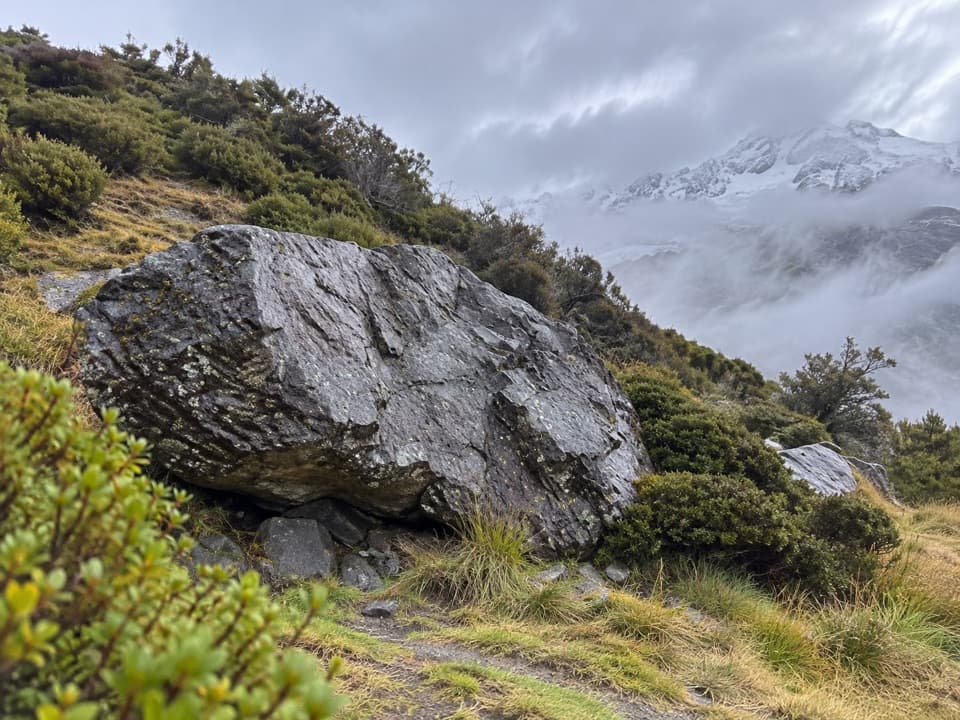
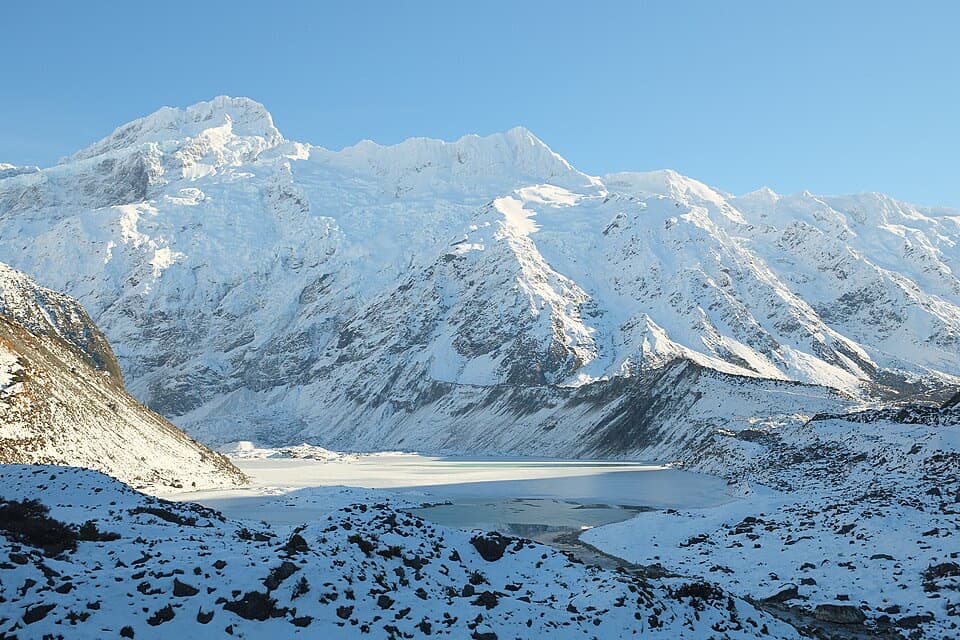
The main track is easy, but the poled side route can be muddy and boggy after rain. Weather changes quickly—pack warm, waterproof layers and extra food. In winter, expect ice and consider traction devices. Swing bridges on the Hooker Valley Track can close in rough weather, so check conditions before you go.
Start early to snag a park at Whitehorse Hill and enjoy calmer trails. For photography, plan around golden hours—sunrise/sunset from the hut is the whole point. Clear, wind‑light days show off the peaks; after storms, the side route is messier.
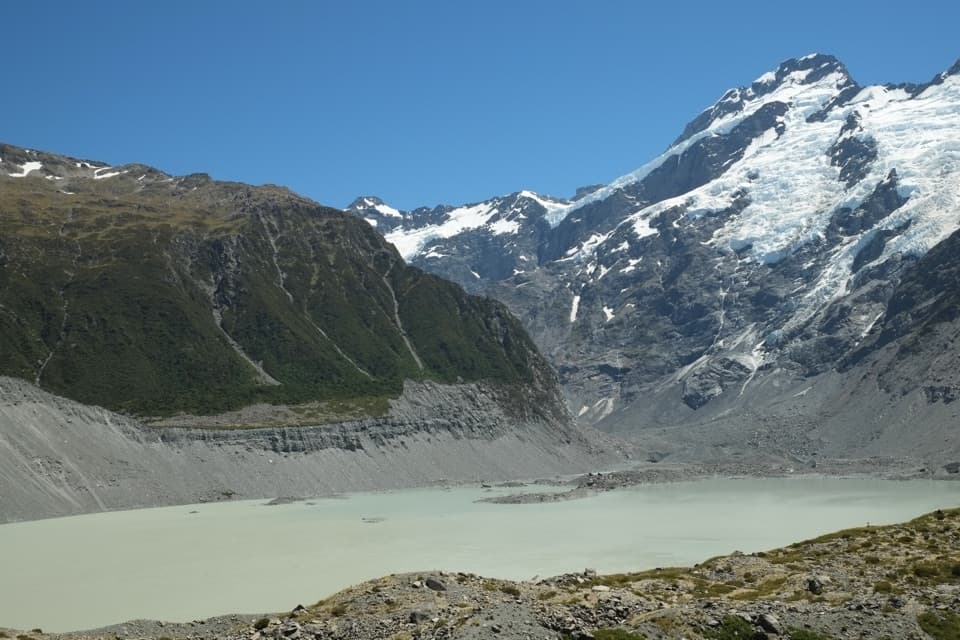
From the hut, it’s an easy detour to Hooker Lake for front‑row glacier views—icebergs are common. Spend a night at the hut and wander to the lake for sunset, then again at first light.
This is the park’s oldest hut, moved several times as the Hooker Glacier receded and weather hammered the valley. An avalanche in 2004 led to it being dismantled; it was carefully restored and reassembled at its present site in 2020–2021. Local lore even gives it an alpine ghost, for those who like campfire stories.