Overview
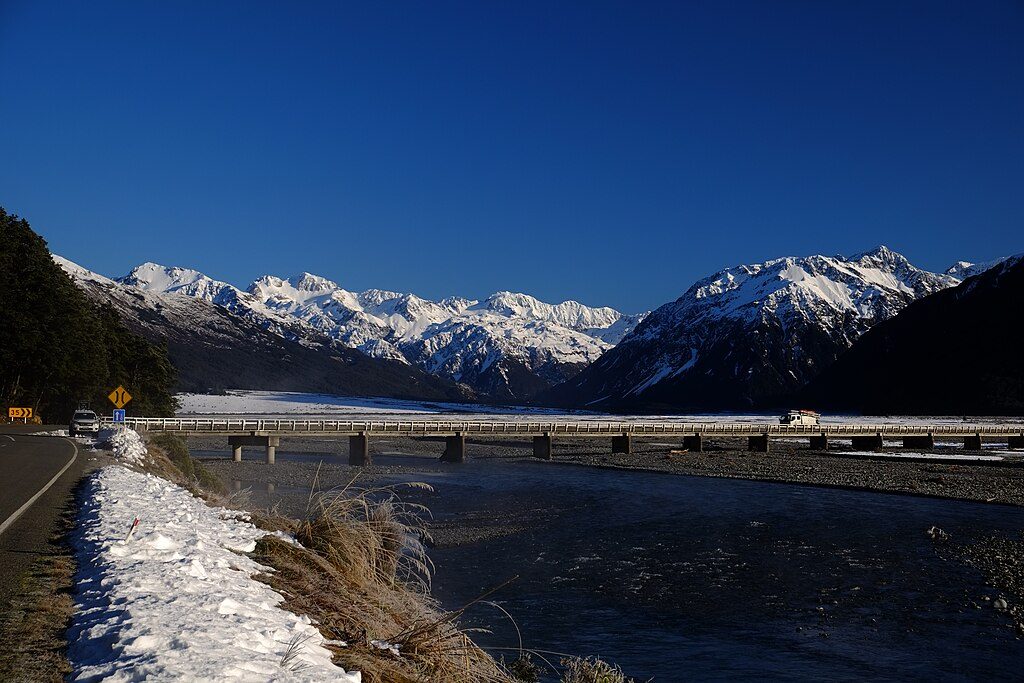
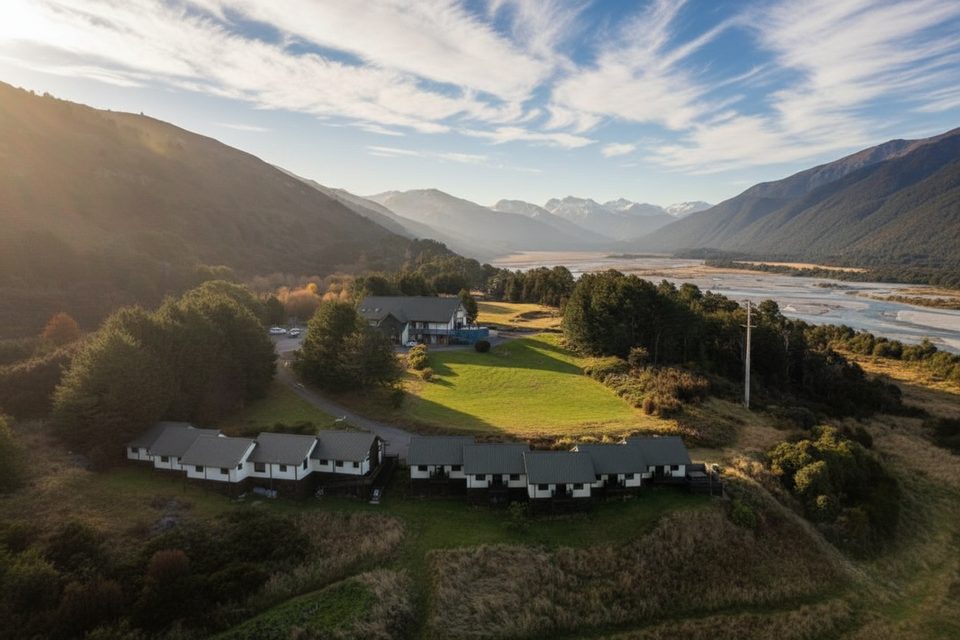
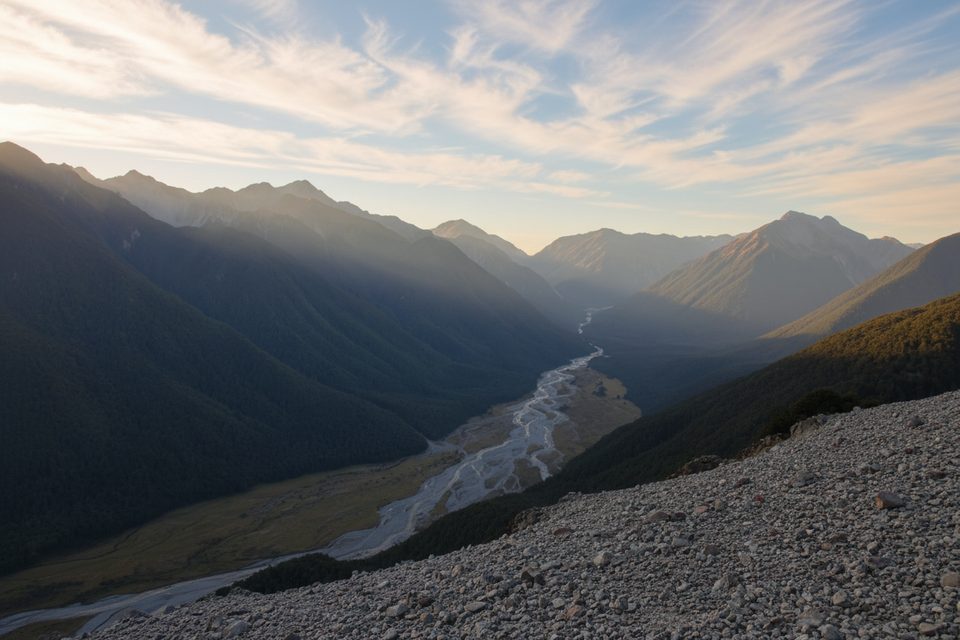
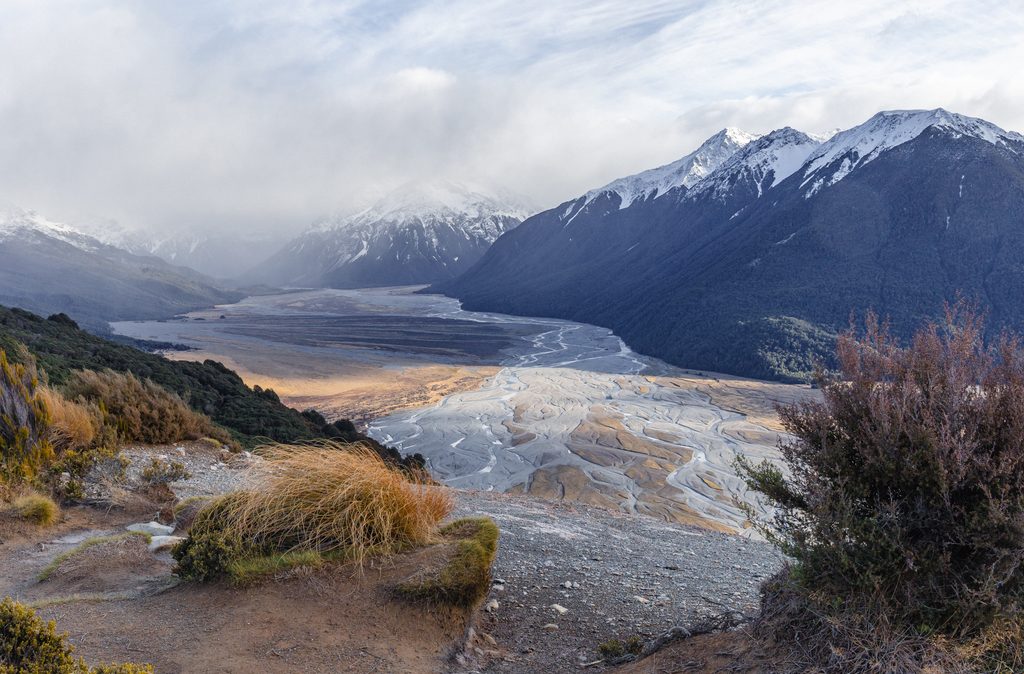
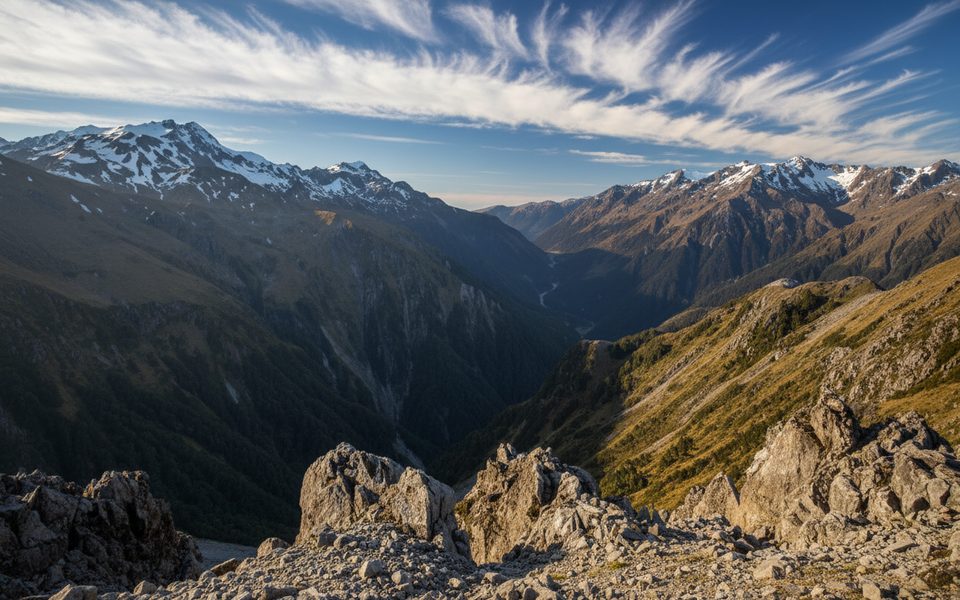
Set beside the junction of the Bealey and Waimakariri rivers about 8 km south of the village, Klondyke Corner is a large, drive-in Department of Conservation campsite spread on both sides of SH73. It’s popular in summer for its roomy, flat sites and 360-degree mountain views—an easy, scenic base without frills.
Facilities and what to expect
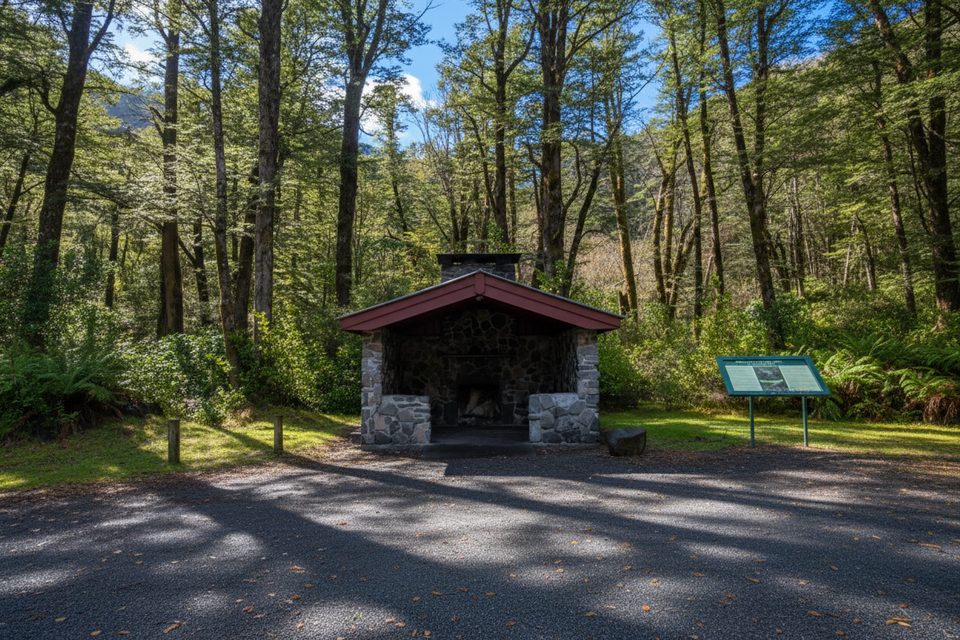
- Standard DOC setup: lots of open, non-powered sites; two long‑drop toilets; a basic cooking shelter with picnic tables and a sink for dishes (bring a bowl/plug).
- Water is from a nearby stream only—boil or treat it, or fill up in the village.
- No showers and no rubbish bins—pack out everything.
- Kea frequent the area; secure all food and shiny items.
- You may hear occasional road or train noise, but most campers report it’s not a deal-breaker.
Bookings, fees, and passes
- Bookings are required. As of late 2025, fees are NZD $15 per adult per night, $7.50 per child (5–17), infants free.
- DOC Campsite Pass is accepted. Rangers do check bookings.
- A service fee applies for phone or in‑person bookings.
Setting and nearby options
- Easy drive-in access off SH73 at Bealey Bridge with flat grass and gravel areas close to the braided river.
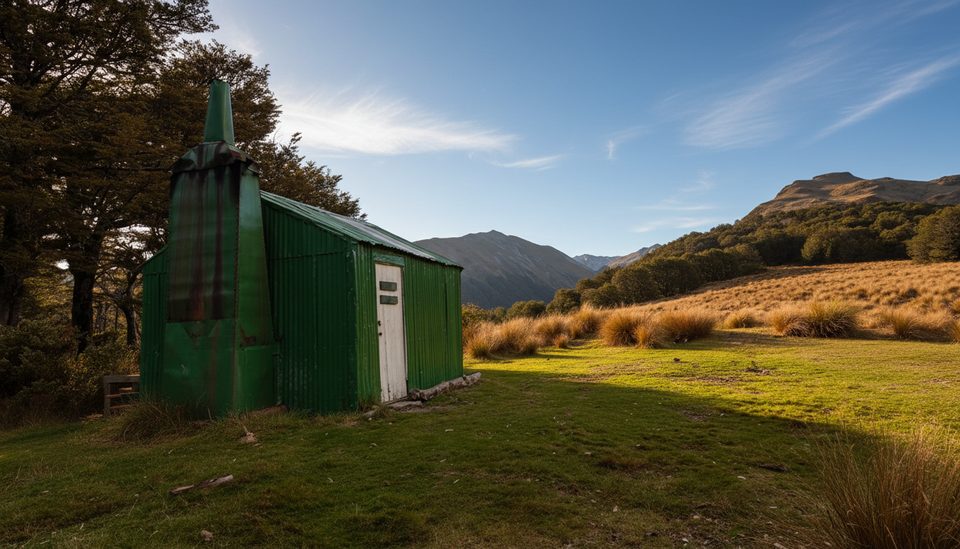
- Often used as a starting point for Waimakariri Valley tramps toward Anti‑Crow Hut and Carrington Hut, with longer routes continuing over Harman Pass.
- For short outings based from camp, you’re a quick drive from classics like Devil’s Punchbowl (waterfall), Temple Basin (alpine views), and the Upper Otira Valley (summer flowers).
Conditions, bugs, and wildlife
- Expect alpine weather year‑round; even in summer, wind and rapid changes are normal. In winter, snow can cover the campground and make access trickier.
- Sandflies and mosquitoes can be fierce—choose a breezy spot and come prepared.
- Dogs are not permitted (service dogs excepted).
Best time to visit
- Summer (December–February) brings the warmest weather and long evenings; it’s also the busiest, so book ahead.
- For quieter vibes, arrive on weekdays or aim for shoulder season windows with settled forecasts.
- Early and late light suits the mountain backdrop; calm, cold mornings can deliver striking sunrises over the riverbeds.
Tips to make it easy
- Park and pitch near the shelter if you want quick access to tables and the sink; pick a spot behind trees if wind is up.
- Treat or boil all water; many campers top up in Arthur’s Pass village before arriving.
- If you’re here to tramp up the Waimakariri, plan for river level changes and allow extra time for high‑water detours.