
Place · 0.5 mi away
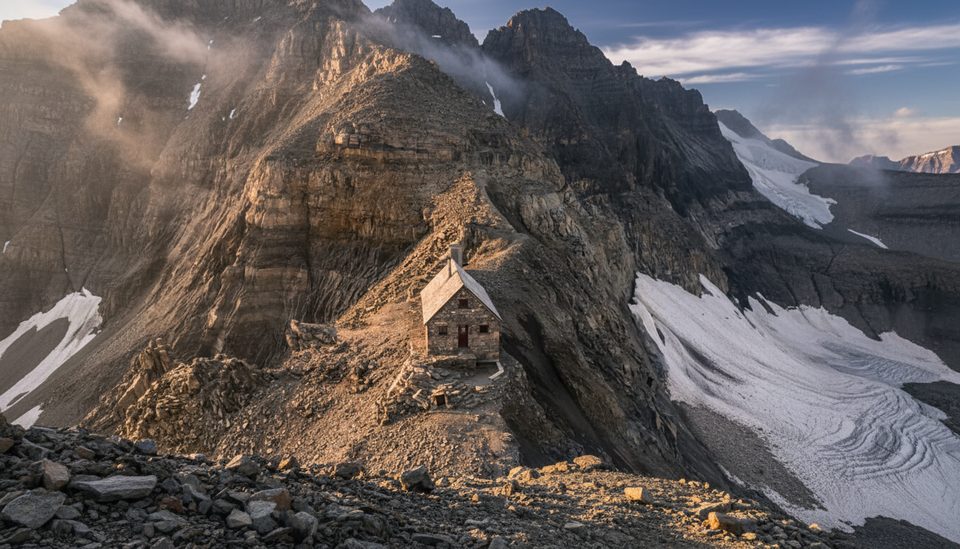
Perched at 2,925 m on the Great Divide between Mount Victoria and Mount Lefroy, Abbot Pass is a dramatic, austere saddle steeped in Canadian mountaineering lore. The stone hut that once anchored this pass was dismantled in 2022 due to slope instability. What’s left is the historic footprint, huge skies, and a sense of place that still hits hard if you value alpine history and big terrain.
The site is now a ruin marking the hut’s footprint—no shelter, no outhouse, no services. The payoff is the scenery: glacier-chiseled walls, the divide stretching in both directions, and sweeping views (including toward Lake Oesa) in a stark, rocky landscape.
This is not a casual hike. Reaching Abbot Pass requires a demanding, high-alpine approach—typically from Lake Louise (Banff) or Lake O’Hara (Yoho)—with steep scree, snowfields, and at times glacier travel. It’s best suited to experienced alpinists who are comfortable with route-finding and objective hazards. There is no road access and no formal trailhead at the pass.
Built in 1922 by Swiss guides Ed Feuz and Rudolph Aemmer for the Canadian Pacific Railway, the hut honored Philip Stanley Abbot (who died nearby in 1896) and became a cornerstone of Rockies climbing. It was designated a National Historic Site in 1992. After erosion undermined the slope, the hut was closed in 2018 and dismantled in 2022; a ruin remains to mark the spot.
You’re in sparse, high-alpine habitat. Keep an eye out for mountain goats, hoary marmots, and pikas among the rocks, and occasional white-tailed ptarmigan or golden eagles overhead. Larger mammals are more common in the valleys below.
Mid–late summer offers the most stable conditions. Winter and spring bring serious avalanche danger. Even in summer, start early and expect rapid weather shifts. Crowds are minimal compared to front-country viewpoints—this is a niche, commit-and-earn-it destination.
Place · 0.5 mi away
Place · 1.1 mi away
Place · 2 mi away
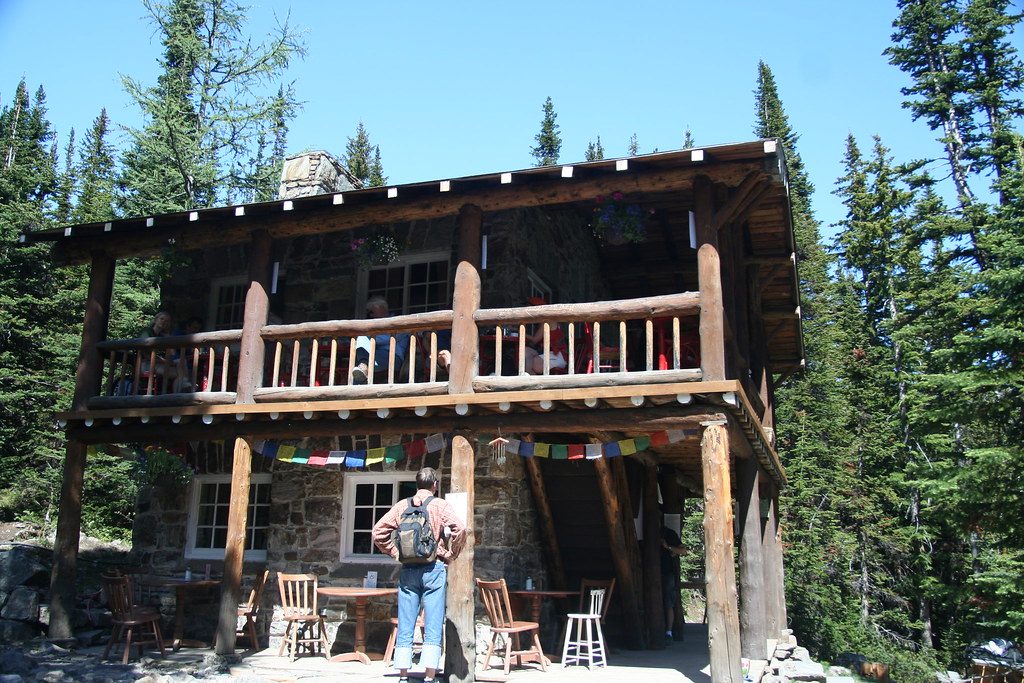
Place · 2.2 mi away
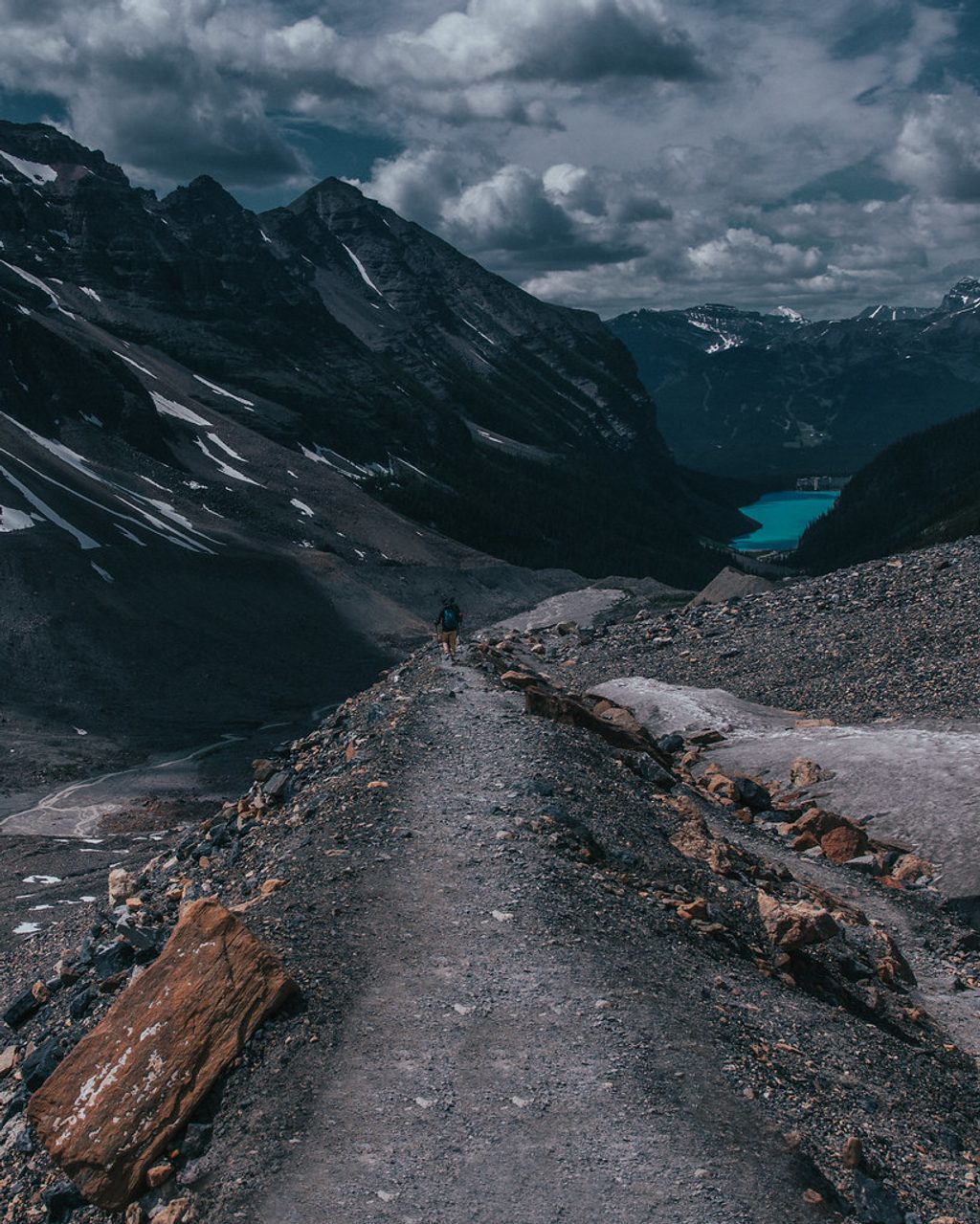
Moderate · 4.1 mi away
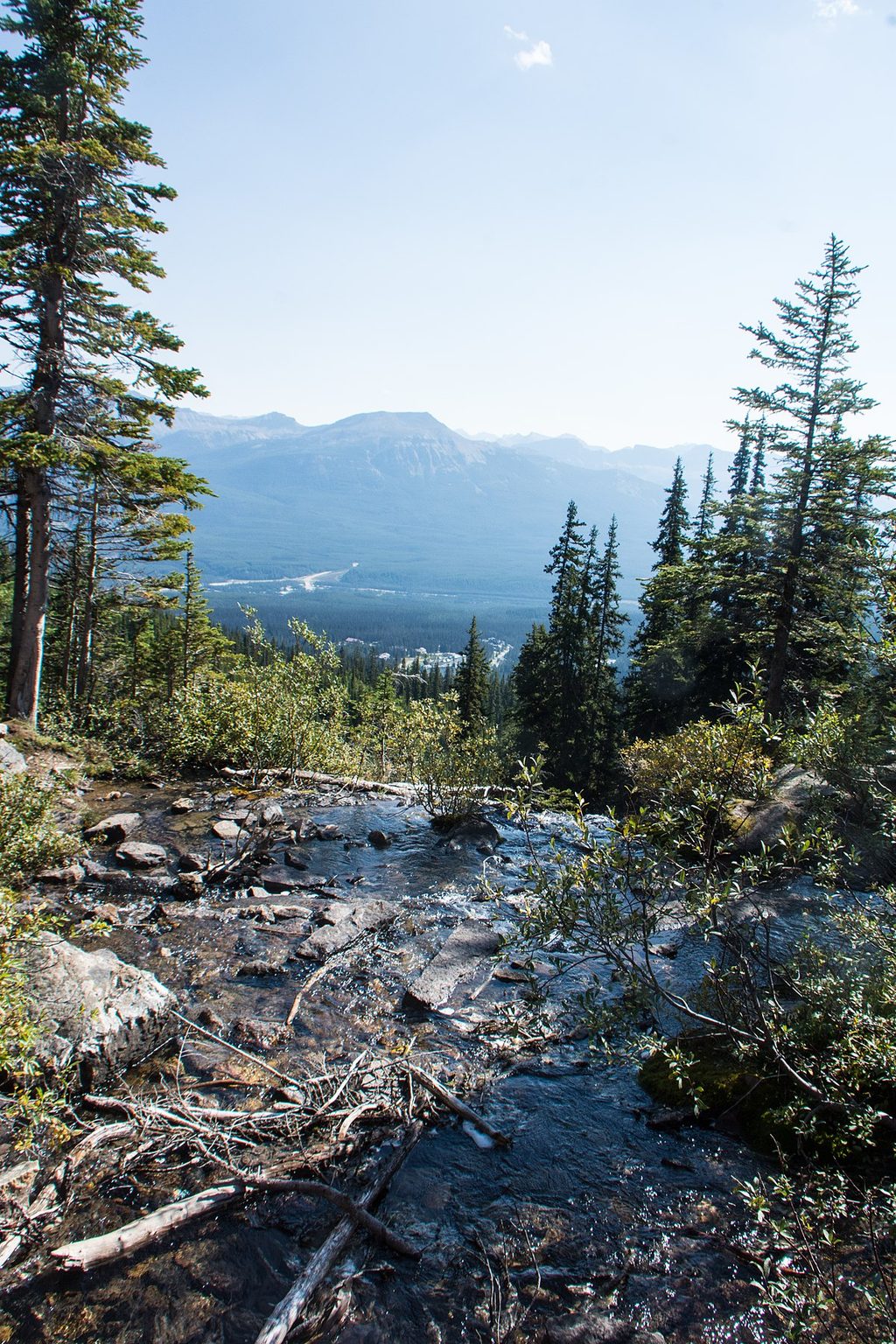
Moderate · 4.1 mi away
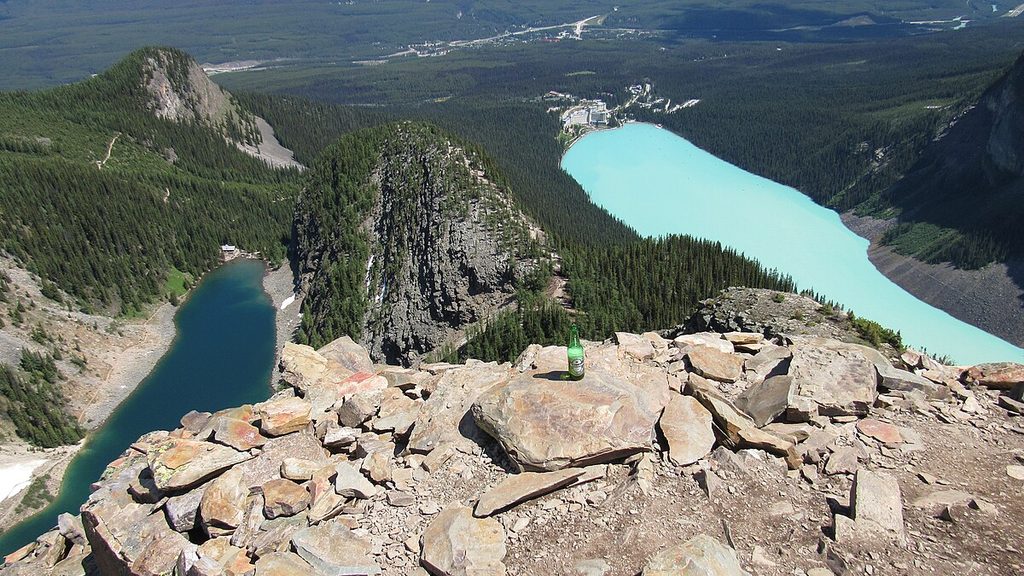
Challenging · 4.1 mi away
Easy · 5.3 mi away

Parkwolf Tour Guide
