
Place · 0.5 mi away
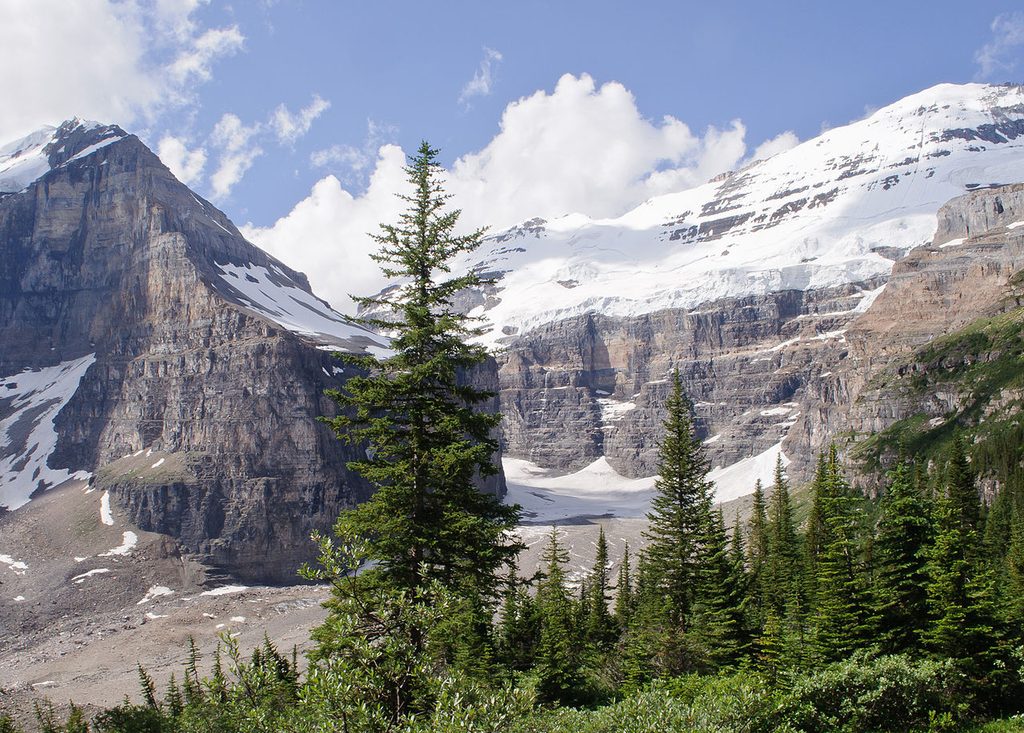
Mount Lefroy (3,423 m) is a dramatic peak straddling the Alberta–British Columbia border on the Continental Divide, shared by Banff and Yoho national parks. It towers above the Lake Louise and Lake O’Hara basins, with steep faces, hanging ice, and the Lefroy Glacier draping its flanks.
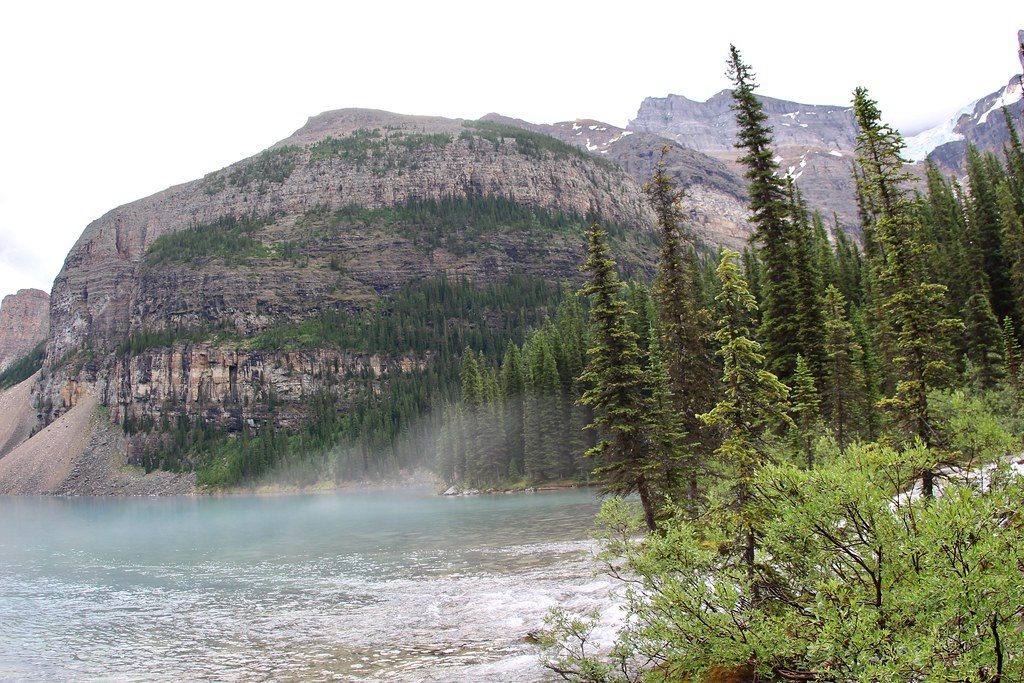
Expect big-mountain scenery: serrated ridgelines, active glaciers, and sweeping views toward neighboring icons like Mount Victoria, The Mitre, and Glacier Peak. From the valleys below (Lake Louise and Lake O’Hara), Lefroy is a defining feature of the skyline.
This is an alpine climbing objective—no casual hiking here. The classic West Face is the standard line and the least technical option, while more committing routes like the Lemire (alpine grade IV, 5.7) raise the bar. All ascents involve glaciated terrain, steep snow/ice or mixed ground, and complex route-finding suitable only for experienced alpinists.
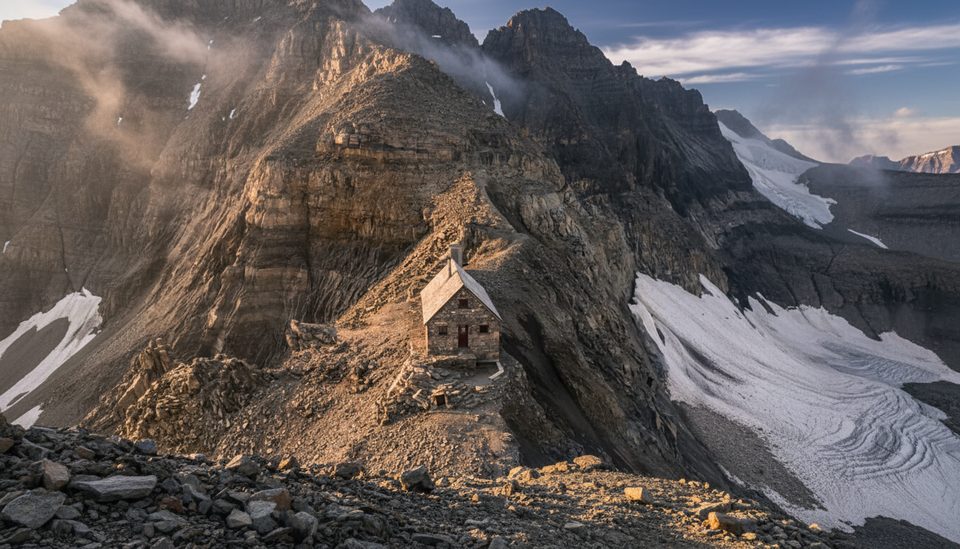
Objective hazards are real: crevasses, rockfall, avalanches, and rapid weather shifts. The historic Abbot Pass Hut, once the prime staging point between Lefroy and Victoria, was removed in 2022 due to erosion, so expect fully self-supported logistics (as permitted) and longer approaches. Climbers commonly plan multi-day linkups (e.g., with Mount Victoria) but must now do so without hut support.
Lefroy is etched into Canadian mountaineering history: a fatal accident in 1896 marked a turning point for the sport here, with the first successful ascent following in 1897. Named in 1894 for Sir John Henry Lefroy, the mountain also inspired artists such as Lawren Harris, who famously painted it.
Part of the Bow Range, Lefroy is built from layered sedimentary rock uplifted during the Laramide orogeny. Its modern drama comes from active glaciation—icefalls, moraines, and stark limestone walls.
This high country can host mountain goats and bighorn sheep on rocky slopes, with pikas and marmots in talus. Golden eagles patrol the ridges. Bears and deer are more likely on lower approaches—follow park guidance and carry bear spray.
Prime climbing season is typically July–September, though snow and ice linger year-round. There are no formal hours and crowds are minimal beyond the small community of alpinists. Watch mountain forecasts closely and plan early starts to take advantage of stable weather windows.
Place · 0.5 mi away
Place · 1.5 mi away
Place · 1.6 mi away
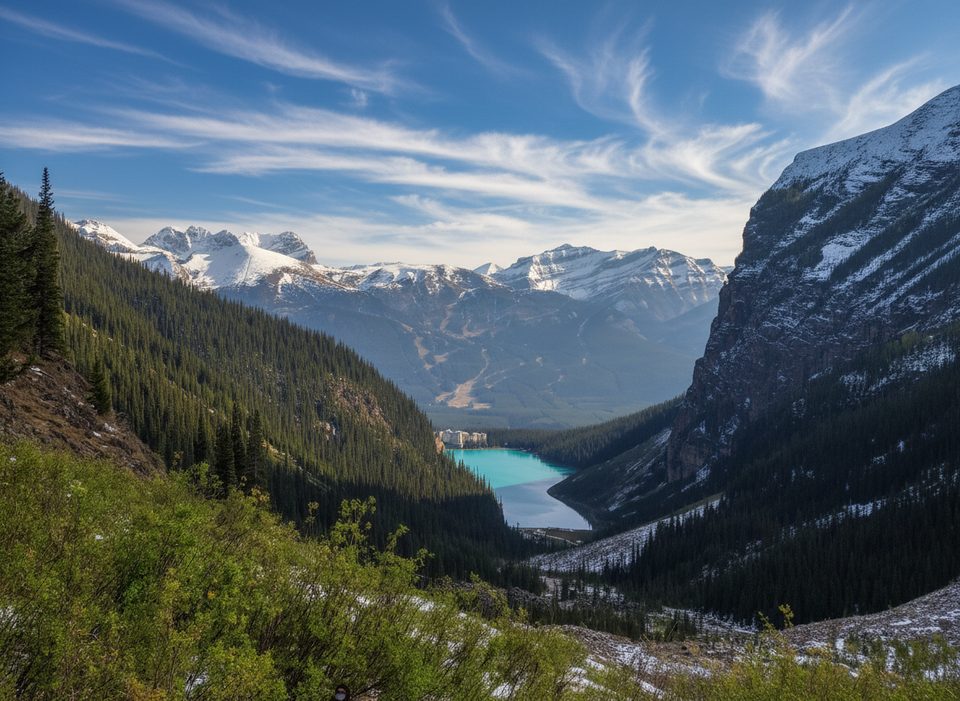
Place · 2.2 mi away
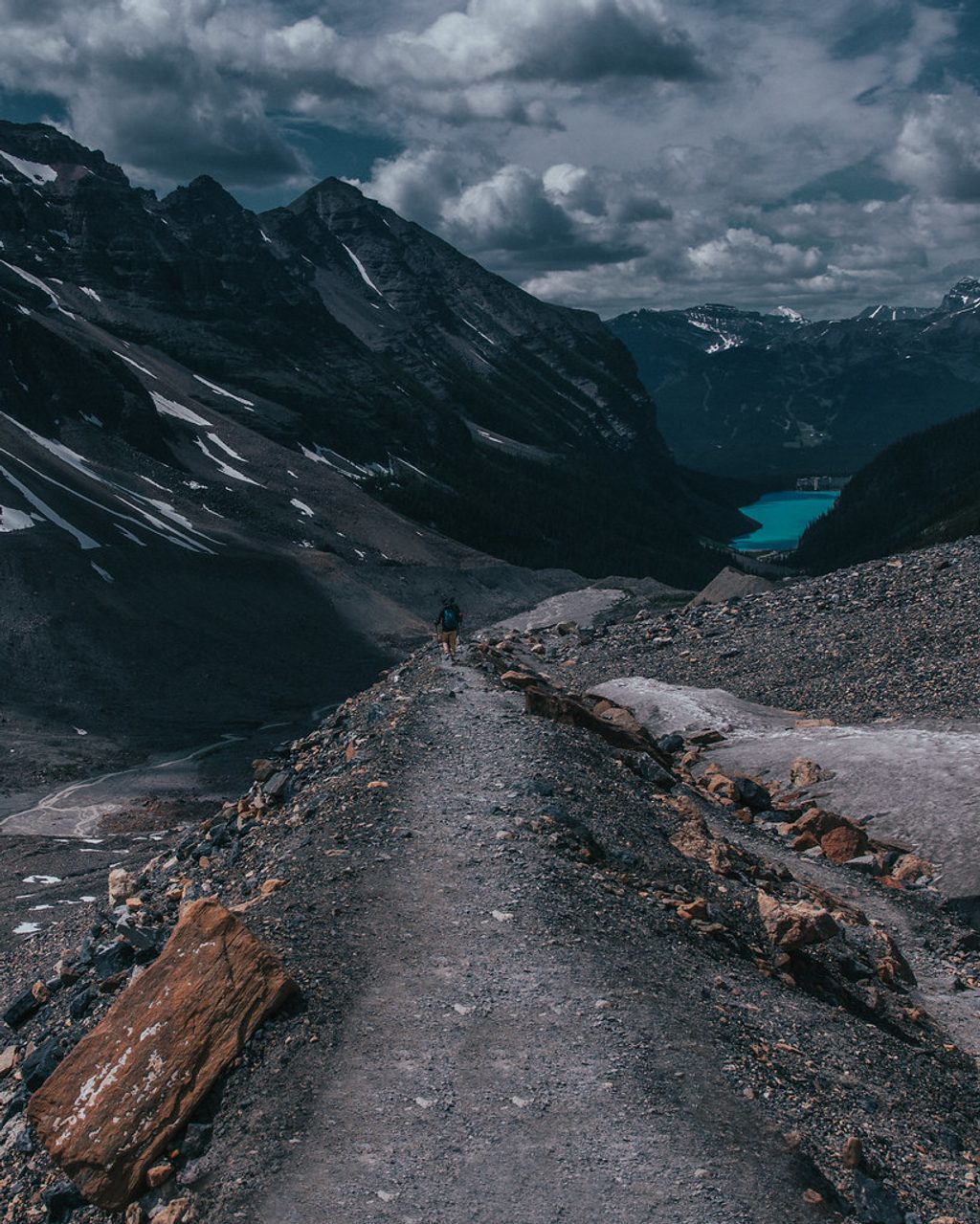
Moderate · 3.9 mi away
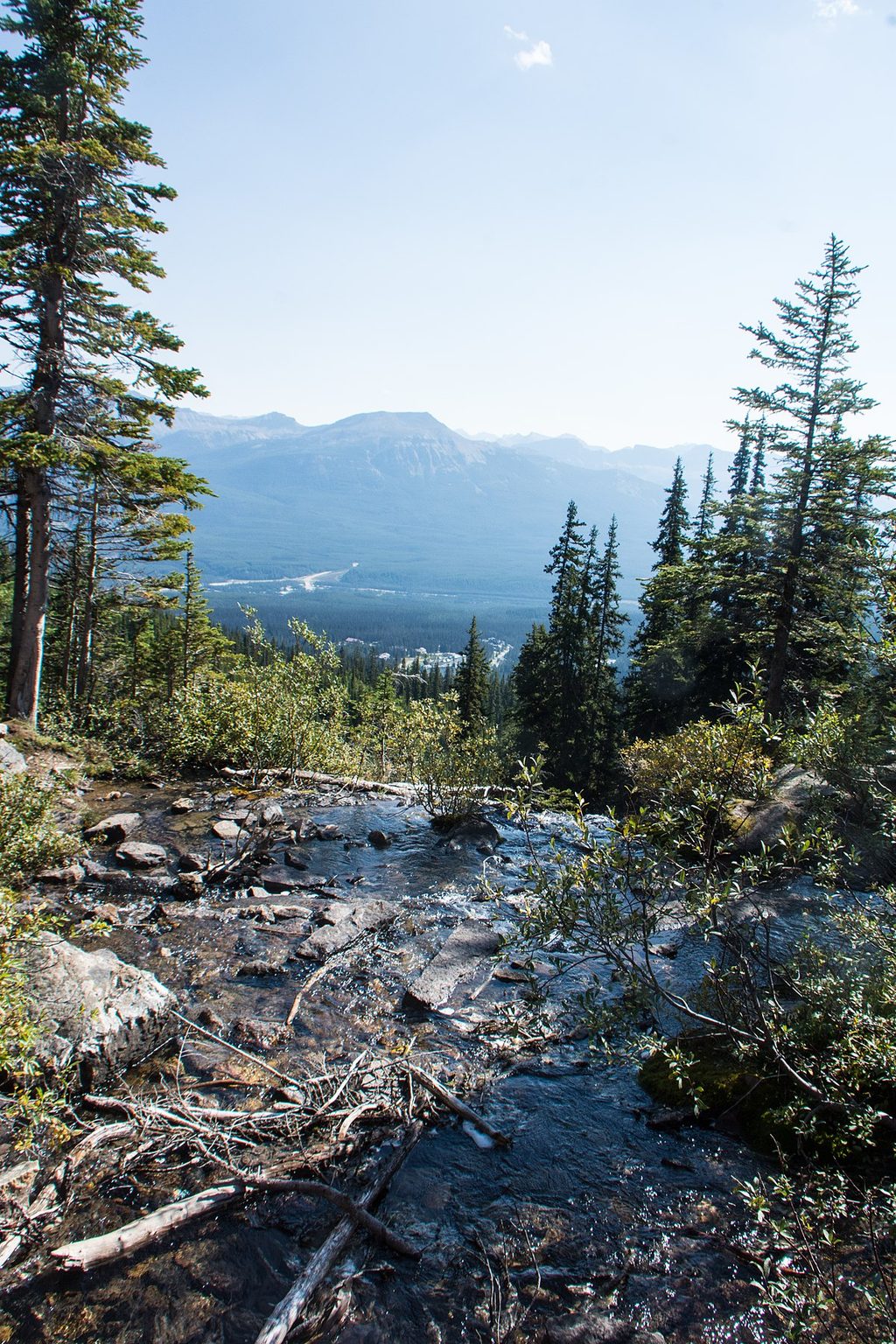
Moderate · 3.9 mi away
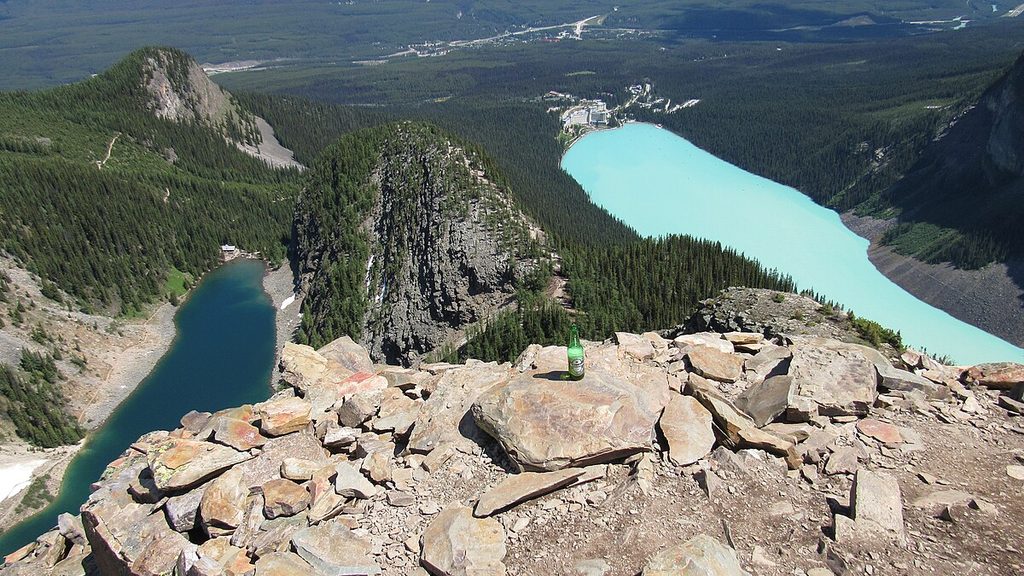
Challenging · 3.9 mi away
Easy · 4.9 mi away

Parkwolf Tour Guide
