
Place · 1.1 mi away
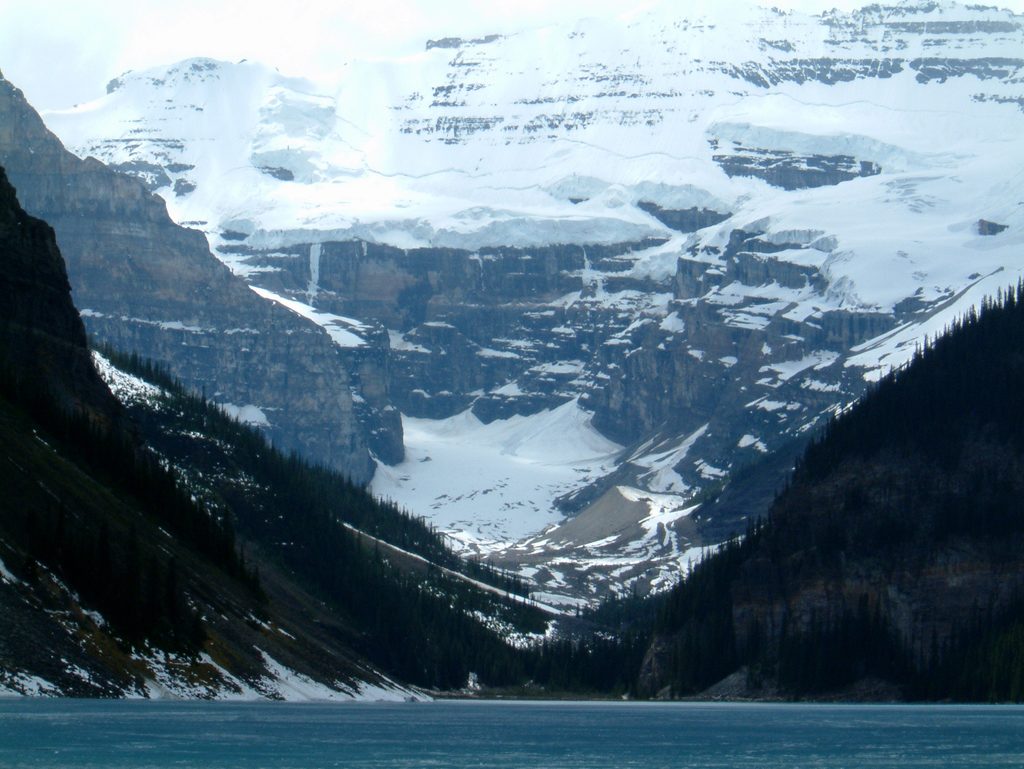
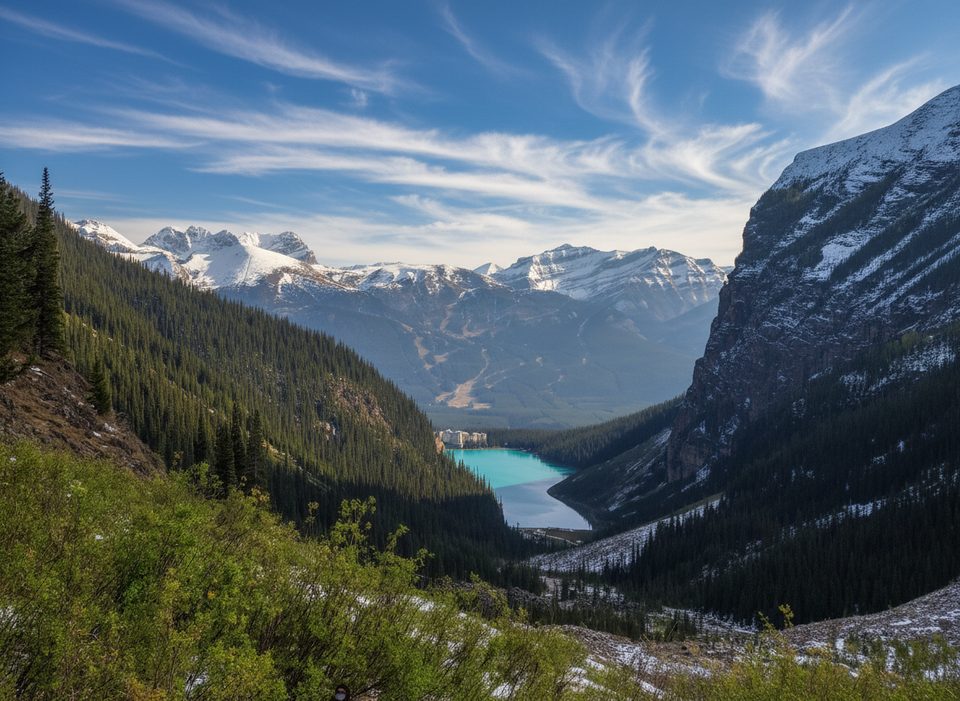
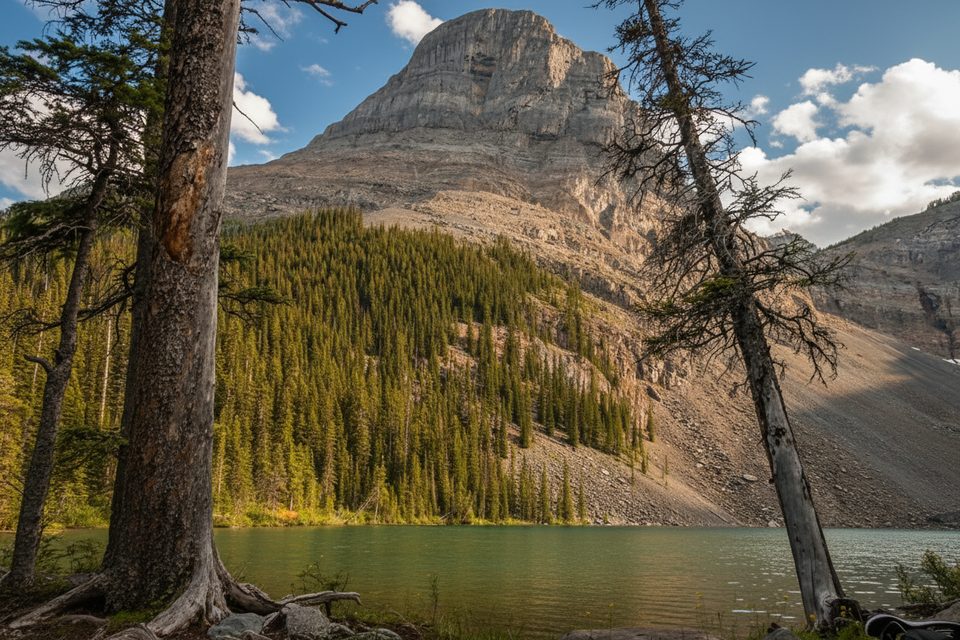
Mount Victoria straddles the Continental Divide on the Alberta–British Columbia border, looming directly above Lake Louise and the Plain of Six Glaciers. With twin summits (the main South Summit and the North Peak), it’s the mountain you’ve seen in countless Lake Louise photos—even if you didn’t know its name.
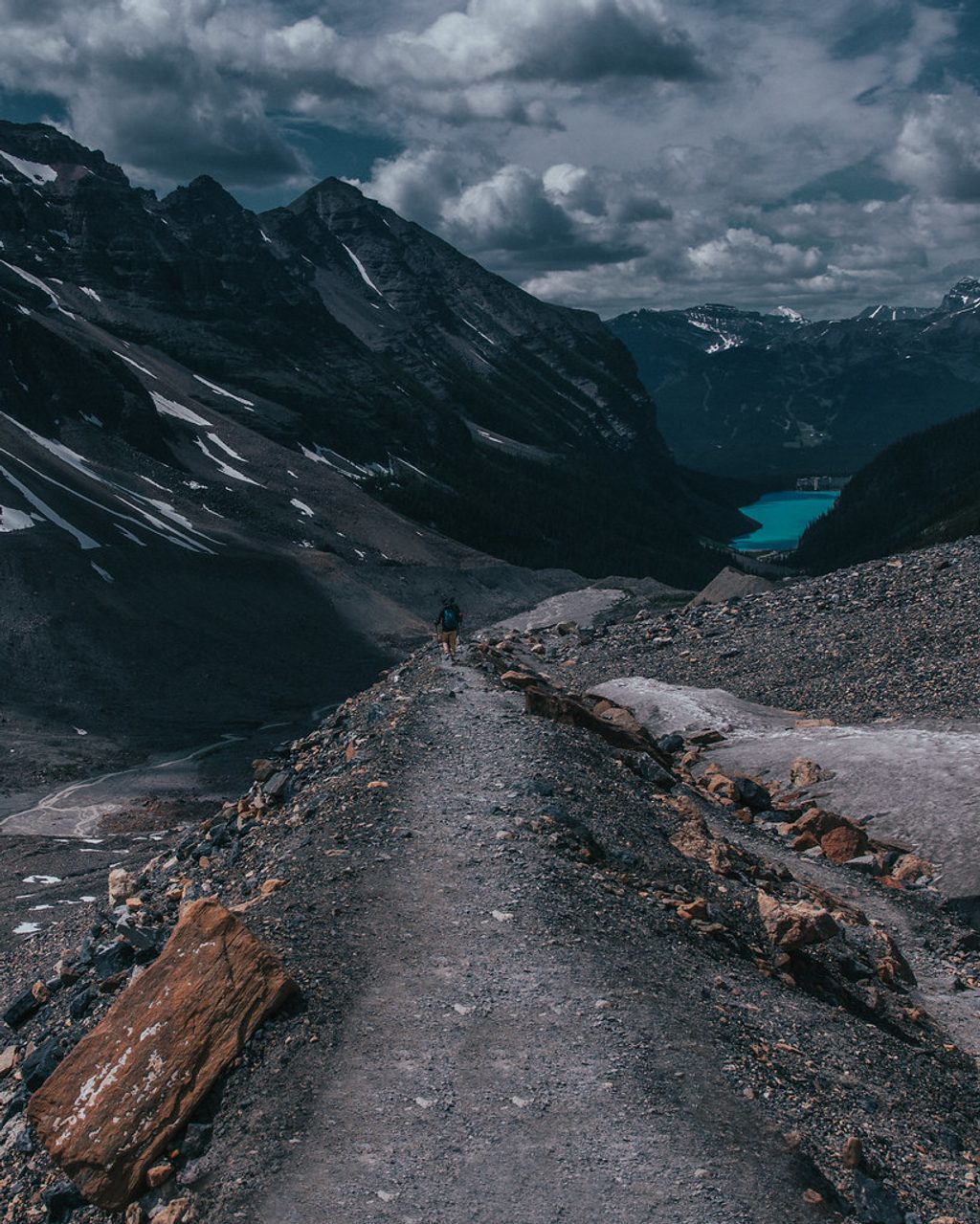
Most visitors admire Mount Victoria from the lakeshore or on the Plain of Six Glaciers trail. There is no road pullout, no signed trailhead at the mountain, and no facilities on the peak itself. Only experienced alpinists venture onto its glaciated flanks and ridges.
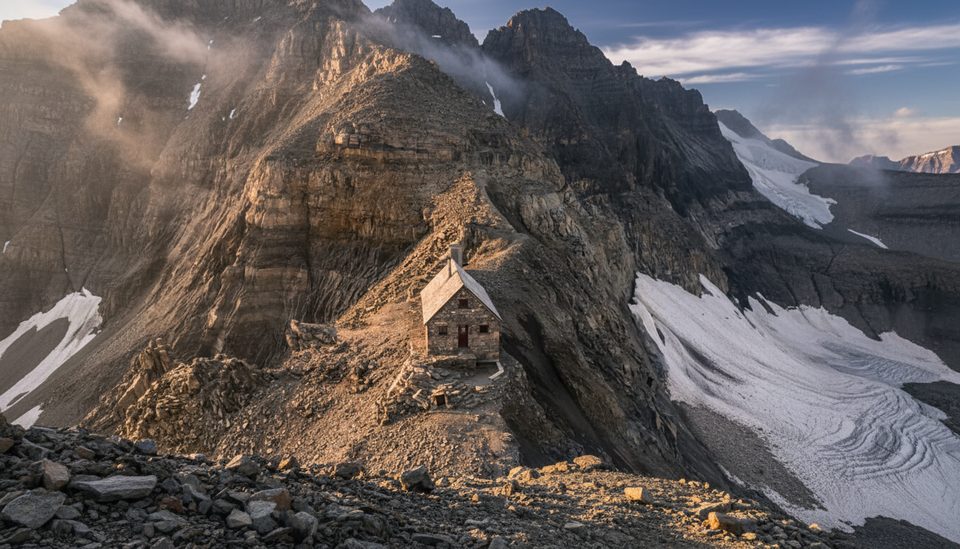
Routes involve glaciated travel and loose sedimentary layers (including unstable shale). Expect crevasses, rockfall, and route-finding challenges. Technical alpine gear—ice axe, crampons, rope, helmet—and solid experience are essential. Many parties plan from the Lake Louise side; historically, the high col between Mount Lefroy and Mount Victoria hosted the stone Abbot Pass Hut (built in 1922) used by mountaineers as a base.
Weather shifts rapidly with elevation; conditions at 3,000+ meters can differ dramatically from the valley. Check summit-specific forecasts by elevation. Avalanche risk, hidden crevasses, and loose rock are real, documented hazards. Travel with experienced partners and consider hiring a guide if you’re not sure.
You may see typical alpine and subalpine species around the lower approaches—think marmots and mountain goats—with occasional grizzly presence in the broader region. High on the mountain itself, wildlife encounters are uncommon.
Like much of the Canadian Rockies, Mount Victoria is built of layered sedimentary rock. Bands of black shale contribute to the loose, unstable footing that climbers often report.
Few peaks anchor a landscape the way Mount Victoria does. It’s the visual statement piece of Lake Louise and a historic focal point for mountaineering on the Divide.
Place · 1.1 mi away
Place · 1.5 mi away
Place · 1.7 mi away
Place · 1.7 mi away
Moderate · 3.8 mi away
Moderate · 3.8 mi away
Challenging · 3.8 mi away
Moderate · 4.8 mi away

Parkwolf Tour Guide
