

Place · 0.7 mi away
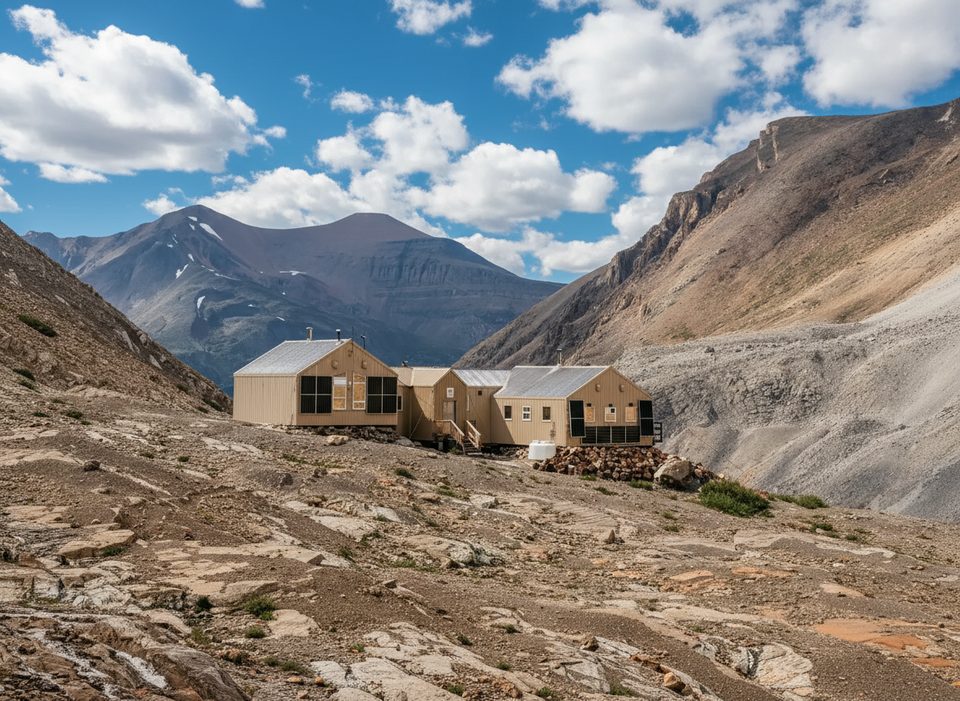
Perched around 2,350 m above Bow Lake, Bow Hut is the big, comfortable cornerstone of the Wapta Icefield. It’s self‑service, but by backcountry standards it feels plush: foam mattresses, a heated interior, cooking setup, and even solar power for limited charging. If you’re aiming for ski tours, glacier rambles, or summits like Mt. Gordon and St. Nicholas, this is the launchpad.
Most parties start at Bow Lake by Num‑Ti‑Jah Lodge on the Icefields Parkway and follow the right-hand shore before heading up-canyon. Plan on roughly 8 km one way with about 650 m of gain and 3–6 hours depending on conditions. Expect boulder fields, talus, occasional snow patches, and at least one creek crossing that can be pushy in early summer snowmelt. In winter, the approach crosses significant avalanche terrain.
Bow Hut sleeps about 30 on foam mattresses in dorm-style bunks. You’ll find a dedicated cooking/dining room separate from the sleeping area, heating via wood stove, and propane for cooking/lighting. Water is from nearby streams or snow—treat or boil it. There are two indoor drum toilets. Solar panels power basic outlets, but don’t expect to run power-hungry devices.
The original 1968 hut was loved to death, earning a notorious reputation by the 1980s. It was rebuilt in 1989 with a strong focus on waste, water, and energy management—72,000 lbs of materials were flown in—setting a new standard for sustainable backcountry infrastructure.
On the approach, keep an eye out for marmots and pikas in the rocks, and the occasional mountain goat. Bears can pass through the valley—manage food carefully and stay alert.
Ski tourers, mountaineers, and strong hikers who want a comfortable alpine base and are prepared for variable mountain conditions.
Place · 0.7 mi away
Place · 1.2 mi away

Place · 2.4 mi away
Place · 2.8 mi away
Challenging · 2.9 mi away
Moderate · 3.2 mi away

Challenging · 3.2 mi away

Easy · 5.7 mi away

Parkwolf Tour Guide
