Cirque Peak

Big alpine views for a mostly-hike with a short, easy scramble
Cirque Peak, Banff National Park
InsideBanff National Park

Why go

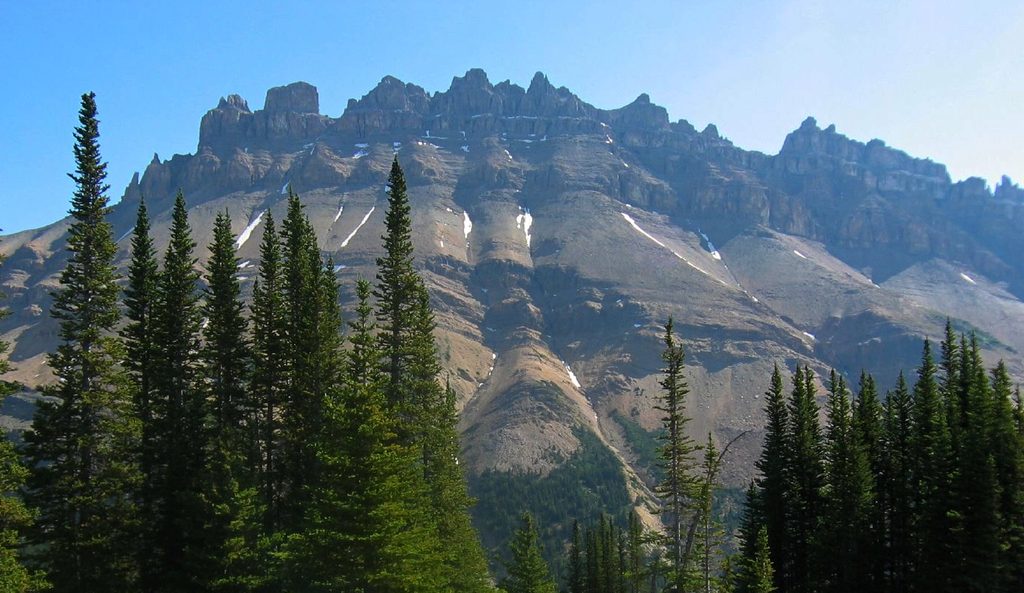
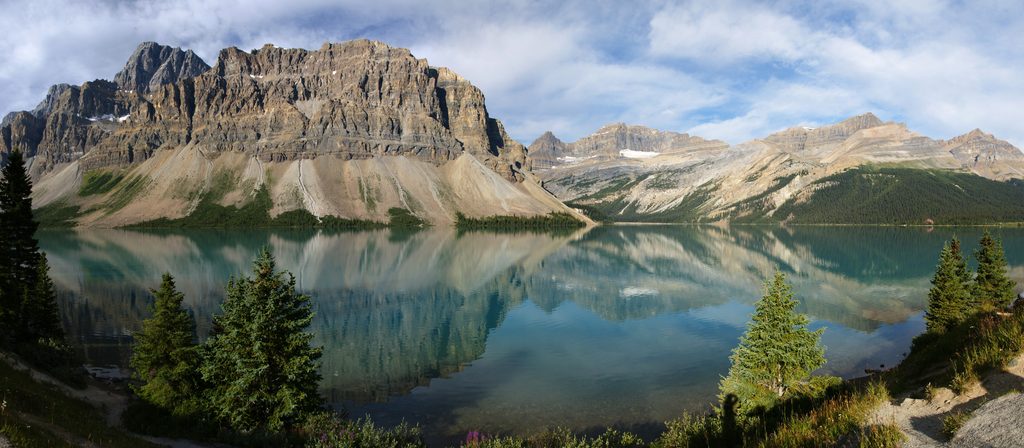
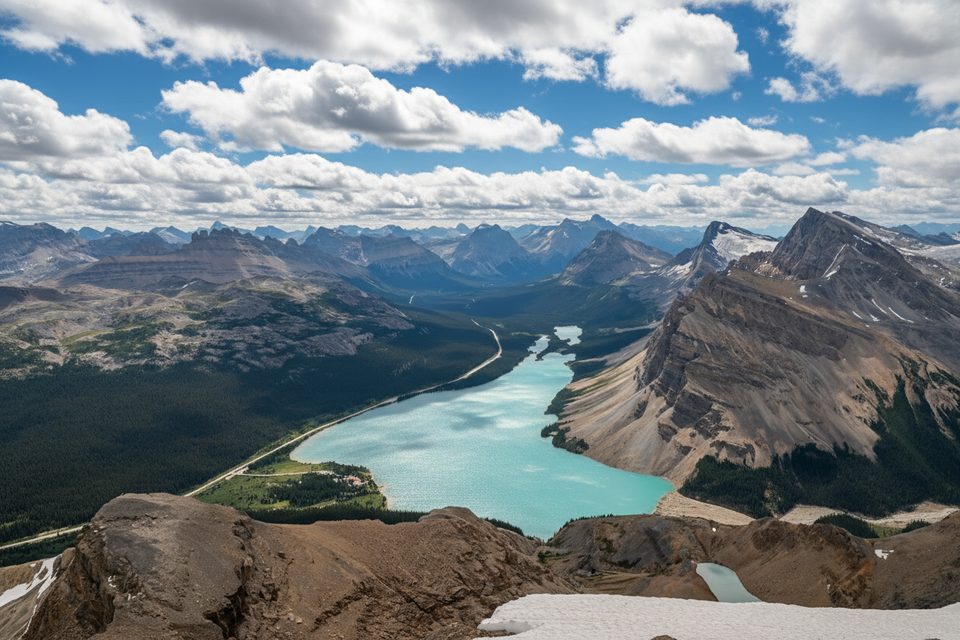
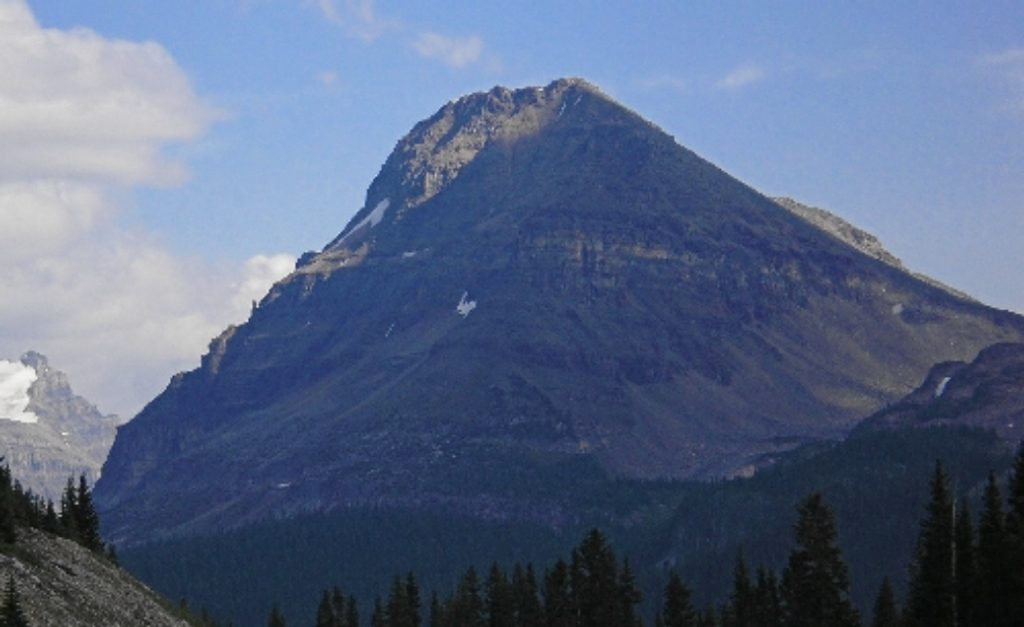
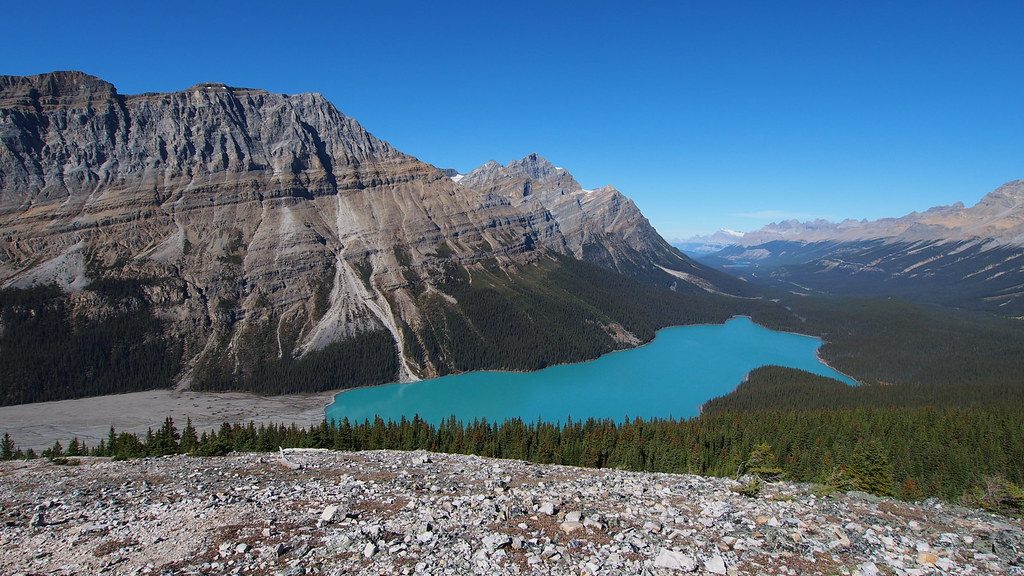
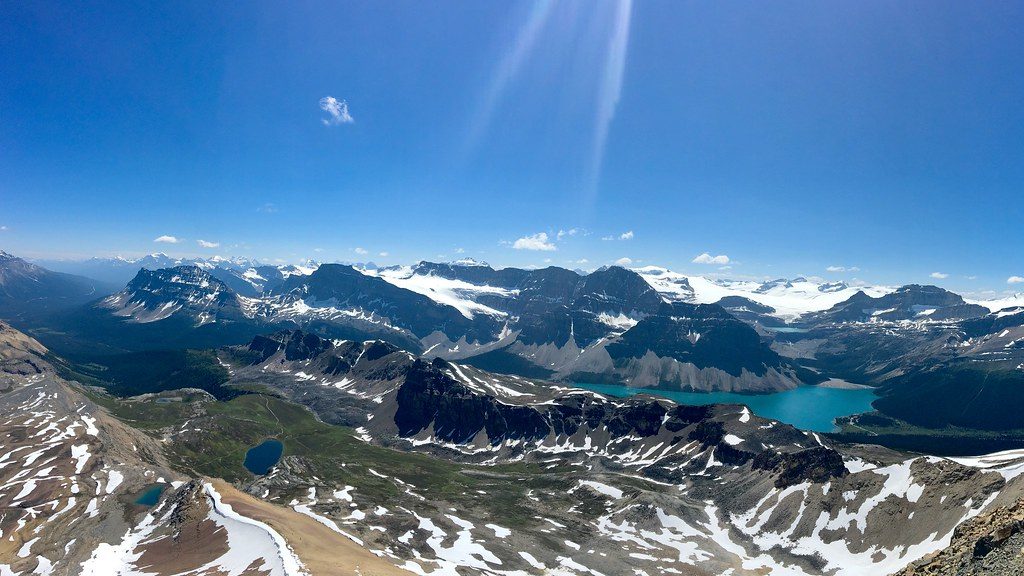
Cirque Peak is the classic “big reward” summit off the Icefields Parkway. You hike mellow forest and wildflower meadows to Helen Lake, then climb into open alpine to tag a nearly 3,000 m peak with sweeping views of Bow Lake, Helen Lake, Katherine Lake, the Wapta Icefield, and surrounding giants like Dolomite Peak. It’s beloved because it’s mostly a walk—with only a brief, easy scramble right at the top—yet the panorama is among the best in the area.

Route at a glance

  • Start from the Helen Lake/Dolomite Pass trailhead on the Icefields Parkway.
  • Reach Helen Lake in roughly 6 km through forest and meadows with growing vistas.
  • From above the lake, follow the ridge and ascend steep, loose scree to the summit. Expect occasional hand use over a minor rock band near the top.
  • Typical day stats reported: about 16 km round trip with roughly 1,100–1,200 m of elevation gain.

What you’ll see

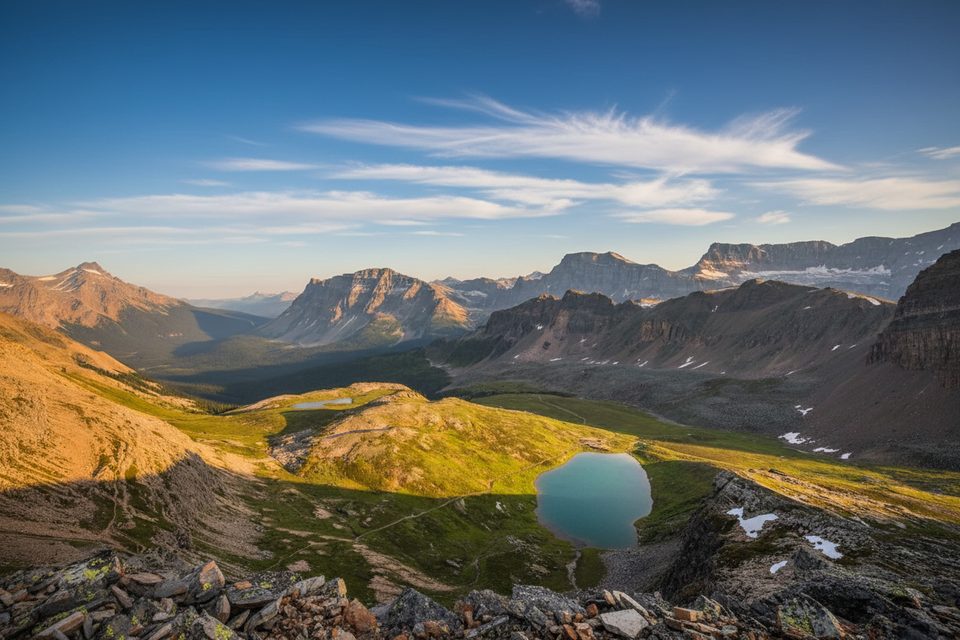
  • A textbook alpine circuit: larches and meadows, a lovely basin at Helen Lake, and a high, airy ridge.
  • From the top, a full 360: Bow and Helen Lakes below, pastel tarns, the Wapta Icefield’s white expanse, and serrated peaks in every direction.
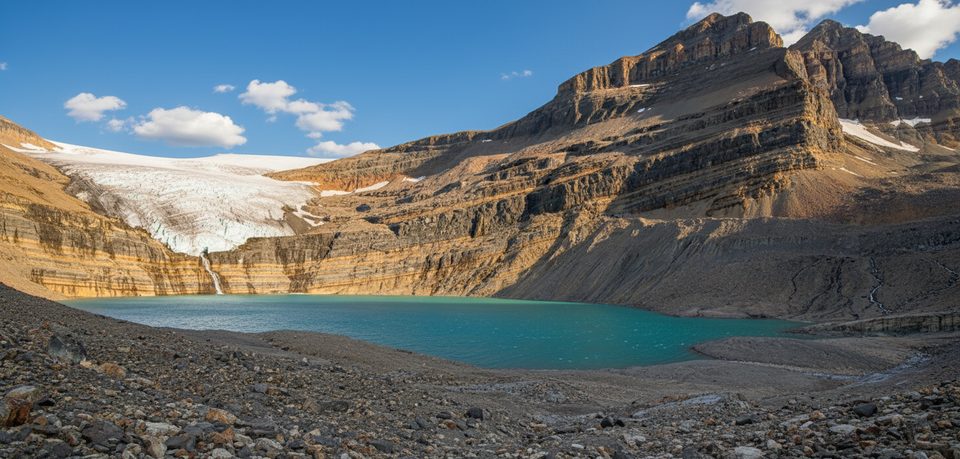
  • There’s a small tarn at the base of Cirque Peak that hikers note as the last reliable natural water before the final climb.

Difficulty and safety

  • The upper slopes are steep with loose scree; trekking poles and solid boots make a big difference on the descent.
  • The final meters involve light scrambling with some exposure. Most fit hikers who are comfortable off trail handle it fine, but caution is warranted.
  • Weather flips quickly at these elevations; even in summer it can be windy and cold near the summit.

Wildlife

Along this corridor, hikers commonly encounter alpine regulars like hoary marmots, pikas, ground squirrels, and occasionally mountain goats or bighorn sheep. Bears (black and grizzly) are possible on the forested approach—carry bear spray and make noise.

Logistics and amenities

This is a backcountry-style outing with minimal services. There’s a parking lot at the Helen Lake trailhead, but no documented facilities along the route or at the peak; plan for no restrooms and bring all water/filtration you need. A valid park pass is required for access.

History and geology

Cirque Peak is built of layered sedimentary rock uplifted during the Laramide orogeny, which sculpted much of the Canadian Rockies. The peak saw its first recorded ascent in 1899 and has since become a staple objective featured in regional scrambling guides.

Best time to visit

  • Season: July–September for snow-free travel on the upper slopes (conditions vary year to year).
  • Week timing: Weekdays are quieter; weekends see heavy traffic.
  • Day timing: Start early to secure parking, avoid crowds on the ascent slope, and give yourself a comfortable weather window.

Is it worth it?

If you’re ready for a long day and a taste of easy scrambling, Cirque Peak absolutely delivers. The scree can be tedious and the crowds real, but the summit panorama pays you back with interest.

Pros

  • Huge summit views over Helen Lake, Bow Lake, and the Wapta Icefield
  • Mostly a hike with a short, easy scramble at the top

Cons

  • Loose scree and a bit of exposure near the summit
  • Parking fills early and the route gets busy in peak season

Tips

  • Arrive early; the Helen Lake trailhead lot often overflows by mid‑morning.
  • Top off or filter at the tarn below the peak—no water on the final push.
  • Trekking poles and grippy boots help a lot on the loose scree descent.
  • Pack extra layers; it’s windier and colder near the 3,000 m summit.
  • Carry bear spray and make noise through the forested approach.
The Parkwolf tour guide sitting on a phone mounted in a car

Parkwolf Tour Guide

Like a tour guide in your car.

Save the places you found around Banff, then let Parkwolf guide the drive between them.Download Parkwolf on the App Store