
Place · 1.8 mi away
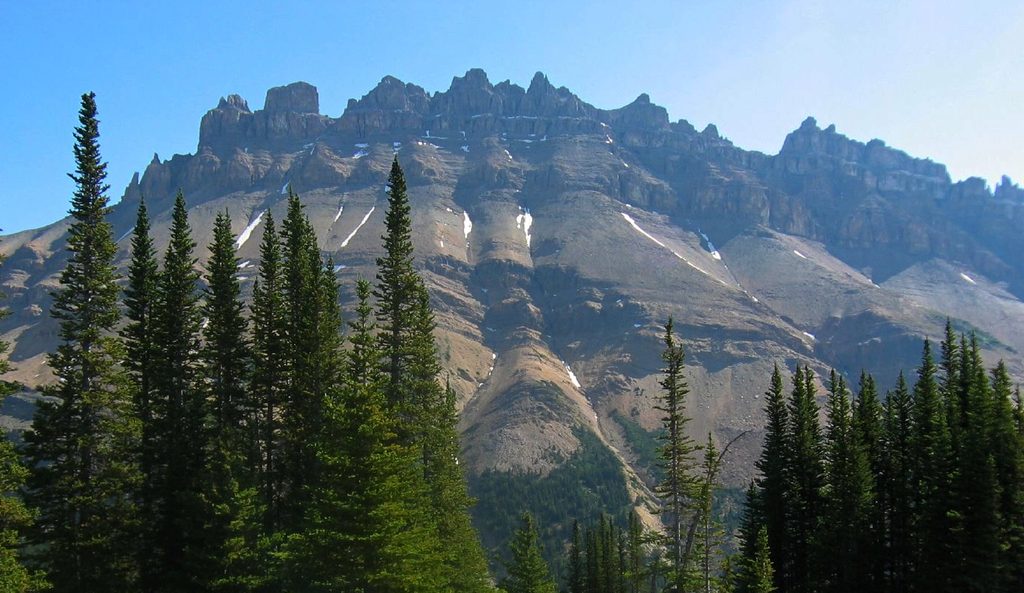
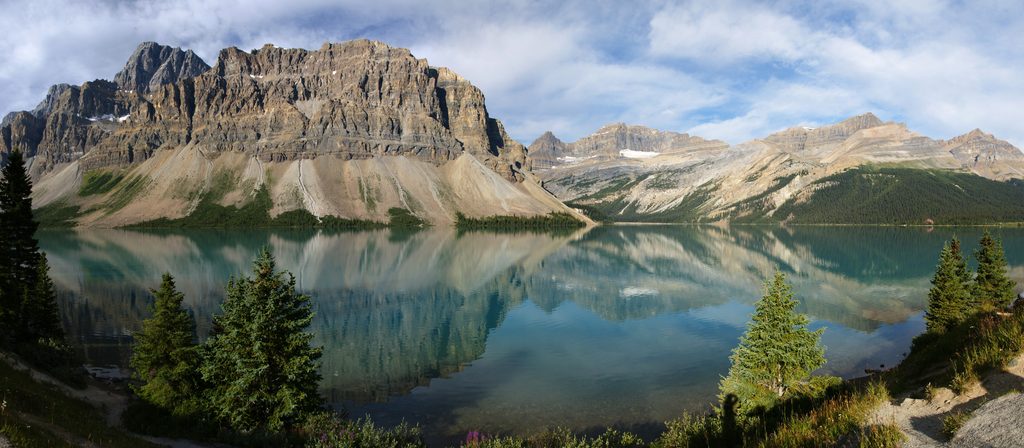
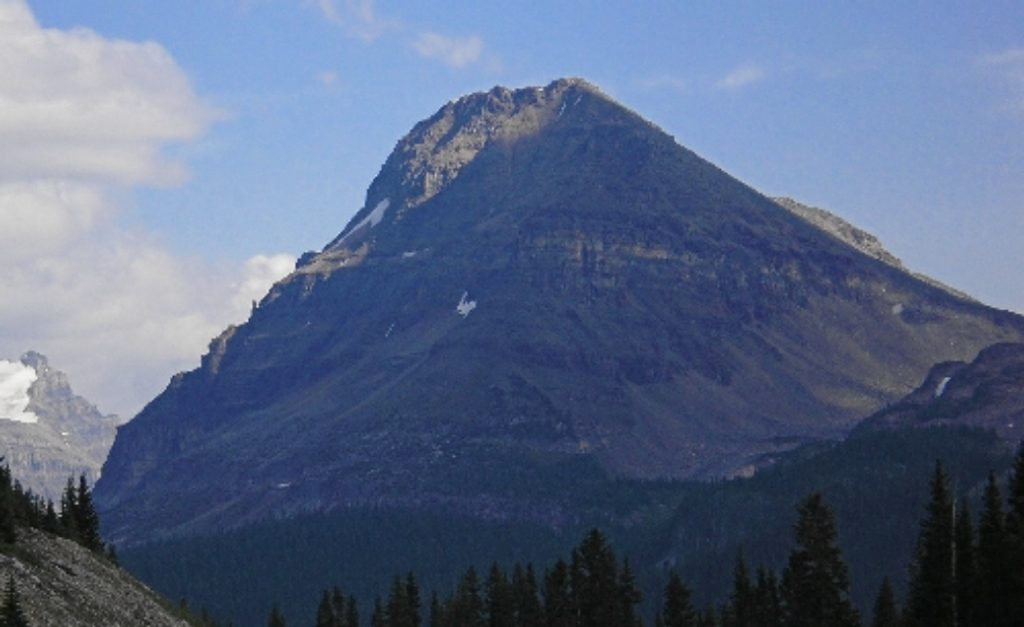
Dolomite Peak is a multi-summited massif of colorful dolomite and limestone that rises sharply above the Icefields Parkway. At roughly 2,998 m with rugged, craggy towers, it’s one of those peaks you keep staring at from the highway—and a rewarding objective for strong hikers, scramblers, and ski tourers.
Dolomite is far less common than limestone in the Rockies and resists erosion, which is why this mountain’s faces are so steep and jagged. The result: photogenic spires and a distinctive skyline you can spot from miles away. Peaks “3” and “4” are the usual scramble targets, with peak 4 slightly higher.
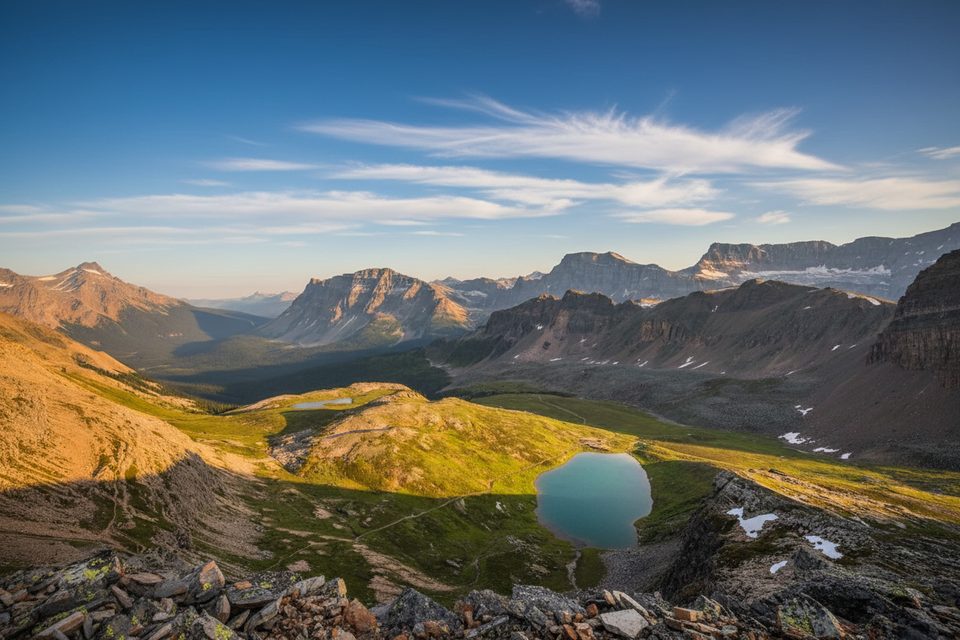
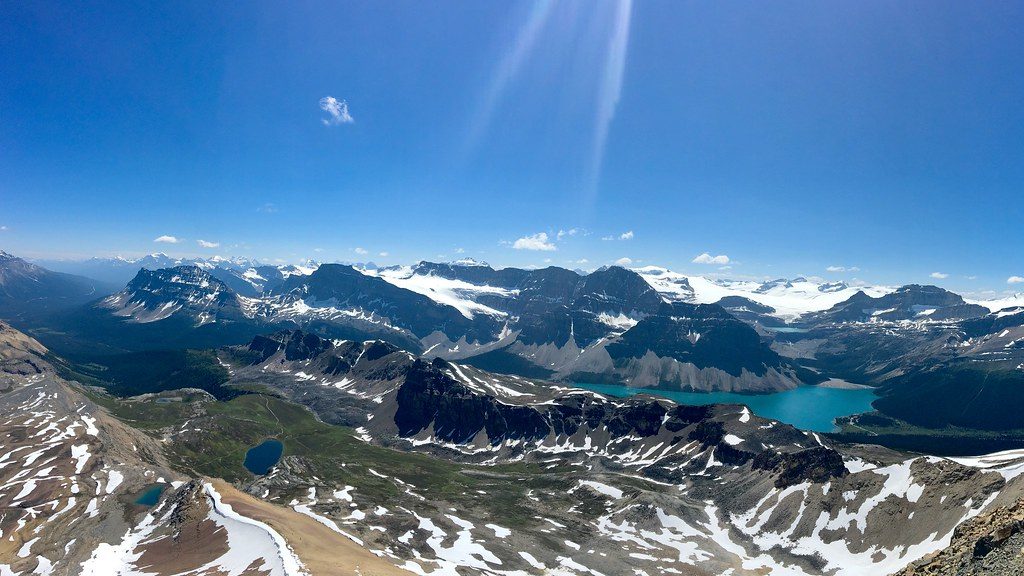
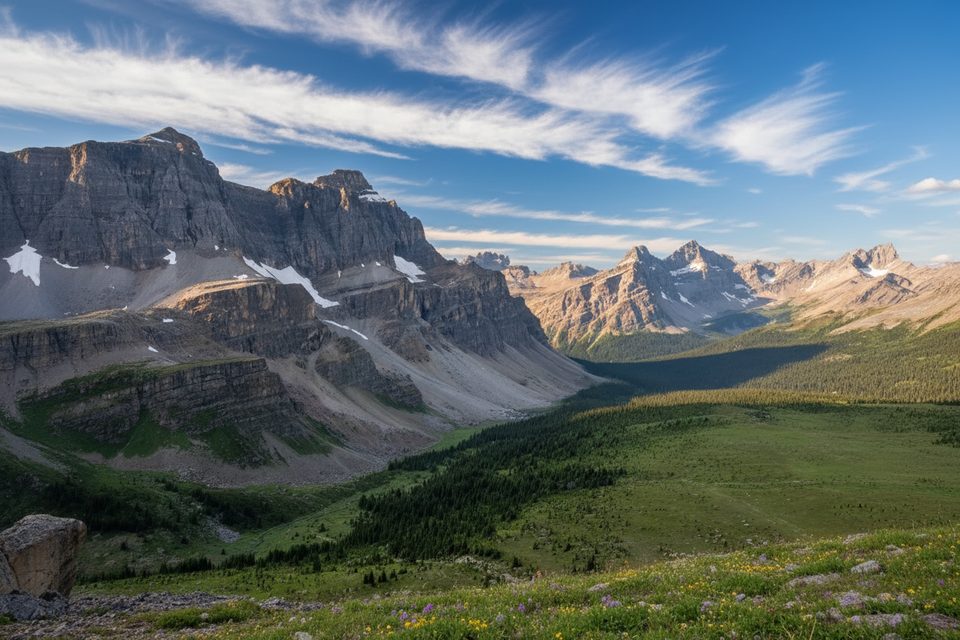
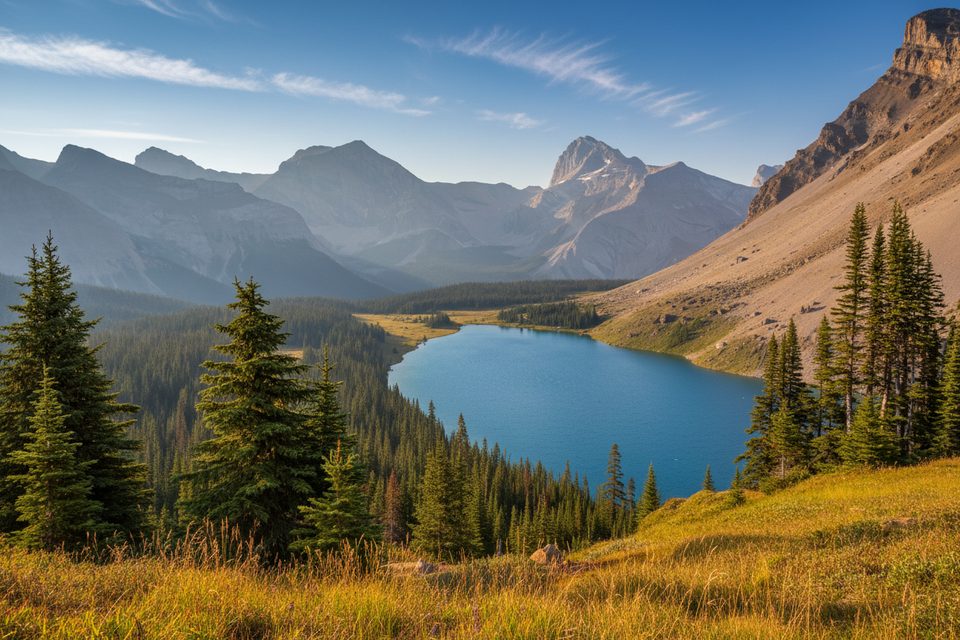
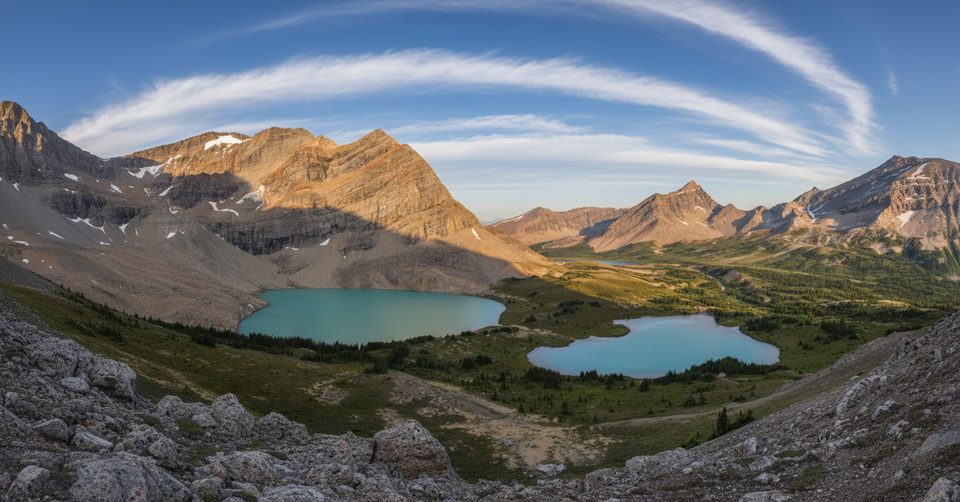
Expect big-shouldered views over alpine meadows (like the broad Molar Meadows), lakes such as Katherine and Isabella, and a rugged valley cut by Dolomite Creek with waterfalls, a gorge, and natural rock gates. On clear days the panorama is outstanding; regional wildfire smoke can mute the vistas.
This is true backcountry. Trip reports note grizzly bears, deer, marmots, and pikas in the surrounding valleys and meadows, with possible sightings of mountain goats or sheep. Carry bear spray and know how to use it.
Place · 1.8 mi away
Place · 2.5 mi away
Place · 2.9 mi away
Place · 3.6 mi away
Challenging · 2.9 mi away
Challenging · 3.7 mi away
Challenging · 3.7 mi away
Challenging · 3.7 mi away

Parkwolf Tour Guide
