Overview
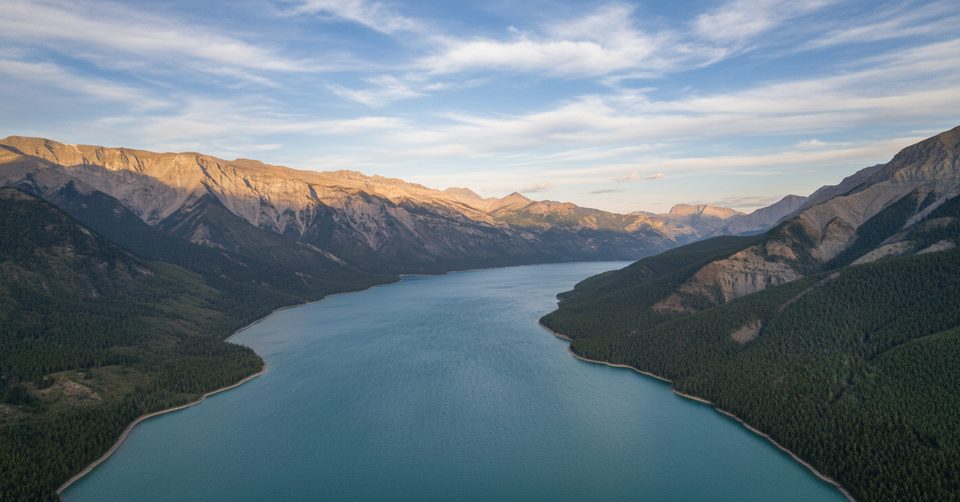
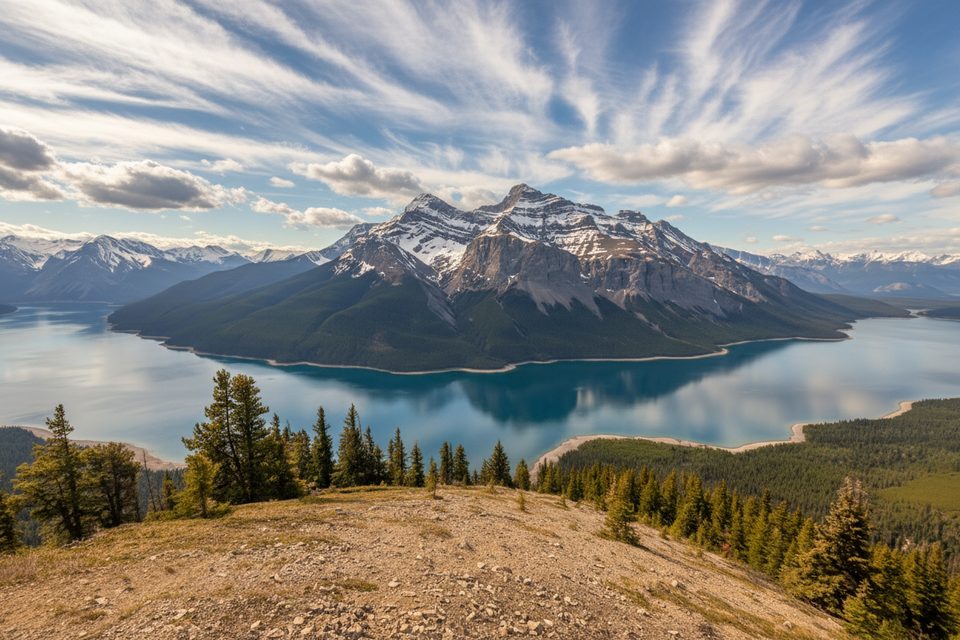
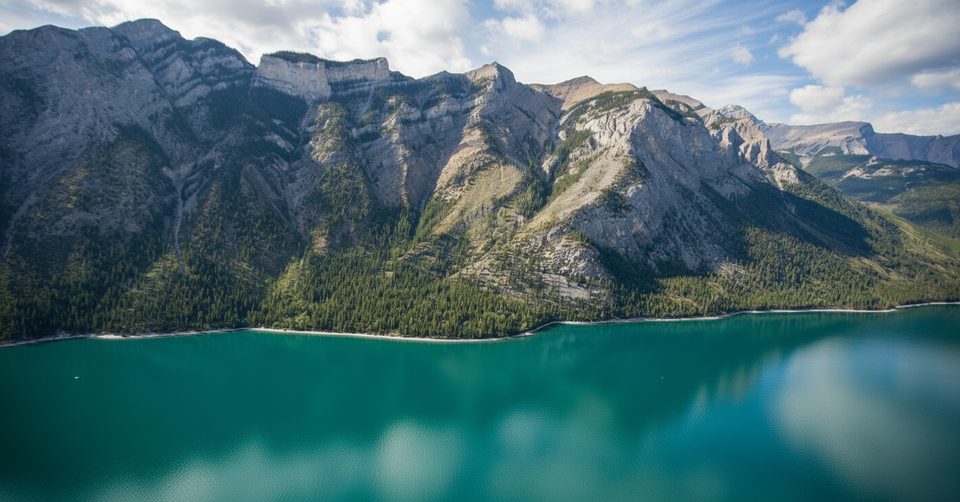
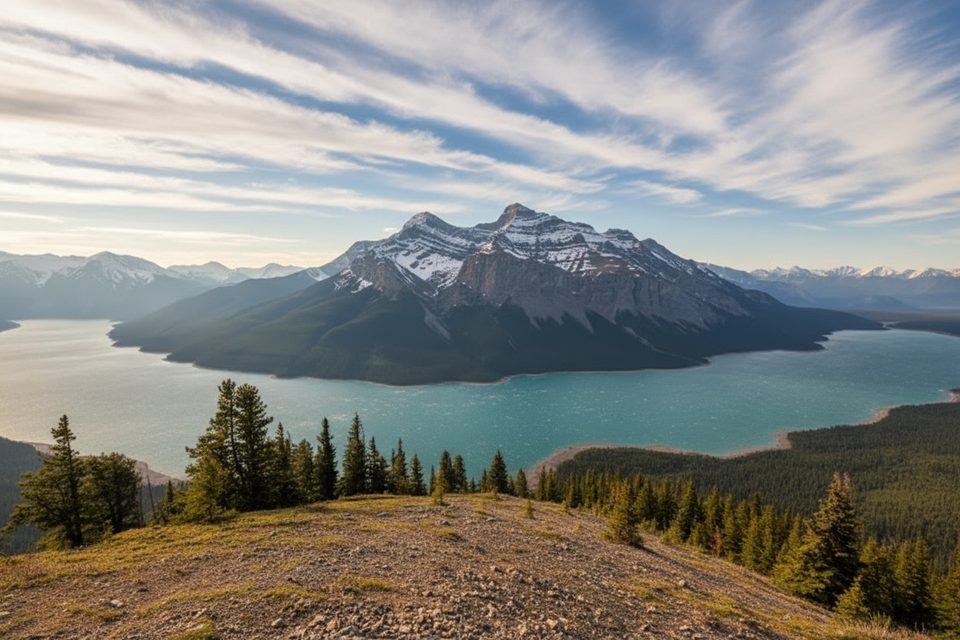
Devil’s Gap is the broad, wind-sculpted gateway at the east end of Lake Minnewanka, where Banff’s steep limestone walls give way to the rolling Ghost River foothills. It feels wild and far from the park hubbub—more a raw landscape than a developed destination—and that’s the draw.
Why it’s special
This corridor has funneled people and wildlife for at least 13,000 years. Today, it’s still a natural pinch-point with sheer cliffs and a sweeping view line out of the Rockies. You can admire it from the Lake Minnewanka cruise, or earn it by trekking the long lakeside route.
What you’ll see
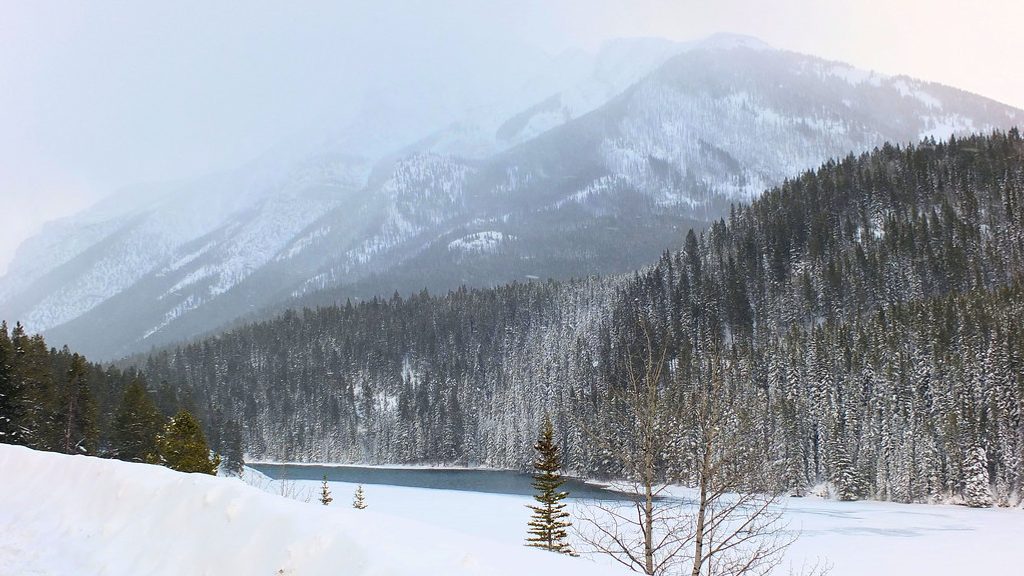
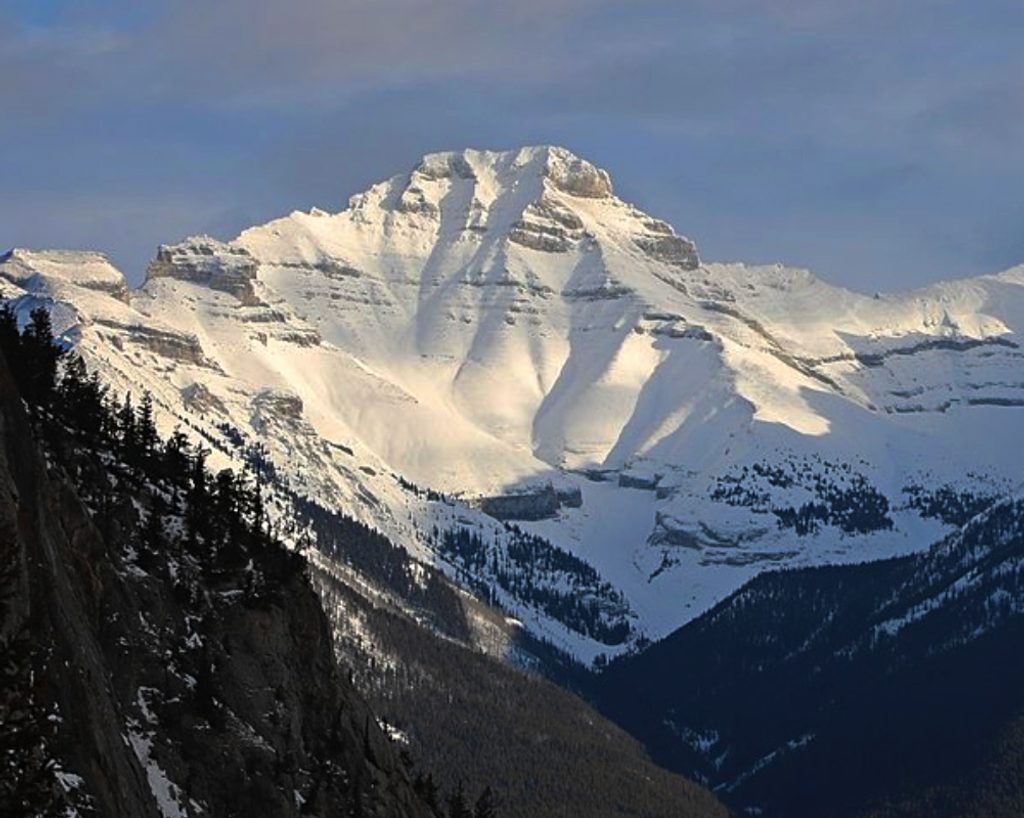
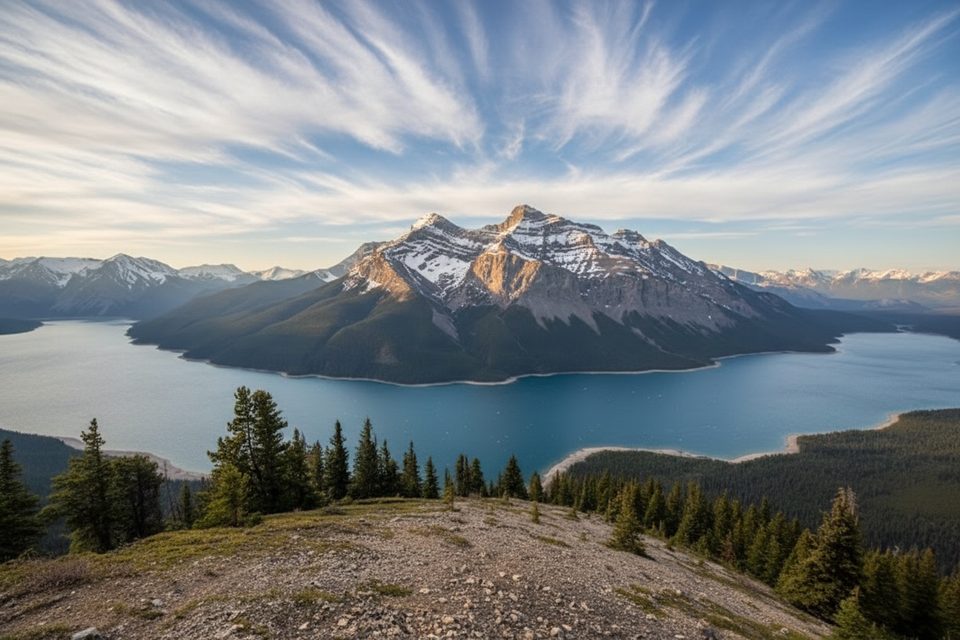
Expect expansive valley views, dramatic limestone faces, and the obvious “gap” framing the Ghost country. On-land explorers encounter a rugged mix of open flats and cliffy edges; from the water, the scale of the pass really shows.
Ways to experience it
- From the water: The Lake Minnewanka Explorer Cruise specifically calls out Devil’s Gap, making it the easiest way to appreciate the feature.
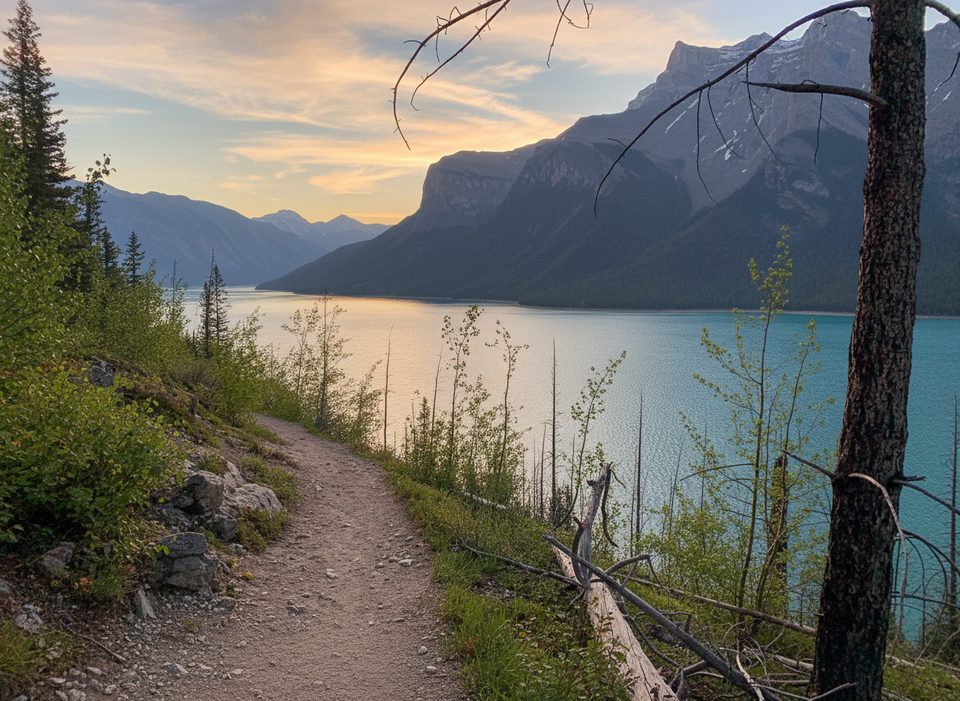
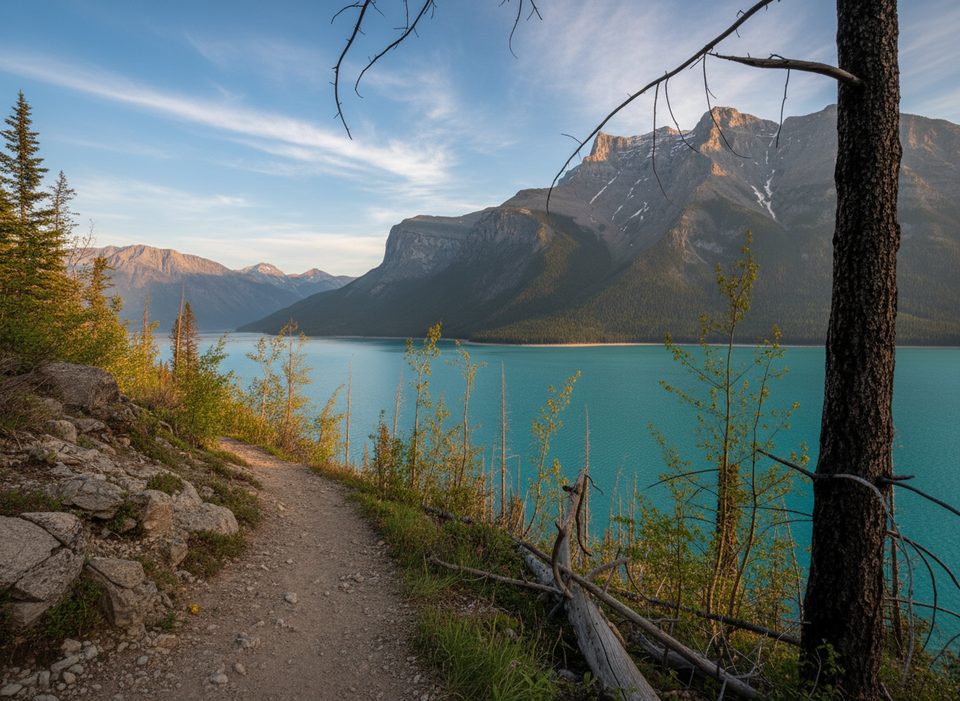
- On foot or bike: The lakeside route to the gap is long and beautiful, often done as a serious day or multi‑day outing. Approaches from the Ghost side use legacy marker posts and recently cleared trails; expect steep sidehill sections and occasional rough travel. Mountain biking here is strenuous, and there are bike closures on the Minnewanka Trail in summer.
- Climbing: The broader area is a long-standing playground for rock and waterfall ice climbing, with named crags and classic winter lines nearby.
Wildlife
This is an active wildlife corridor. Bears (both black and grizzly) are reported regularly. Elk, deer, and a variety of birds also move through. Stay alert and carry bear spray.
What to know before you go
- There are no facilities at Devil’s Gap—no restrooms, no water, no shelters, no parking on-site. Amenities are back at the Lake Minnewanka day‑use area or at boundary access points east of the park.
- Navigation can be tricky. Expect cairns, old marker posts, and occasional fresh flagging rather than a consistently signed trail. River levels in the Ghost can complicate crossings in high water.
- Regulations: Summer group‑of‑four requirements apply on this route, and the Minnewanka Trail is closed to bikes from July 10 to September. Check current advisories before committing.
Best time to visit
- For hiking: Late spring and early autumn offer the best mix of cooler temps and manageable river levels. High water in spring/early summer can make Ghost-side crossings difficult; many aim for July or later.
- For biking: Outside the July 10–September bike closure window on the Minnewanka Trail.
- For sightseeing/photography: Midday light from the cruise gives a clear look into the gap; late afternoon softens the limestone tones. Weekdays are quieter on the water and on the trail.
Who will love it (and who won’t)
Adventure-forward hikers, bikepackers, and climbers will find the sense of remoteness addictive. Casual visitors are better off seeing it from the boat; treating Devil’s Gap as a simple stroll will backfire.