Lake Minnewanka

Big-water playground for cruises, hikes, paddling, and starry nights
Lake Minnewanka, Banff National Park
InsideBanff National Park

Overview

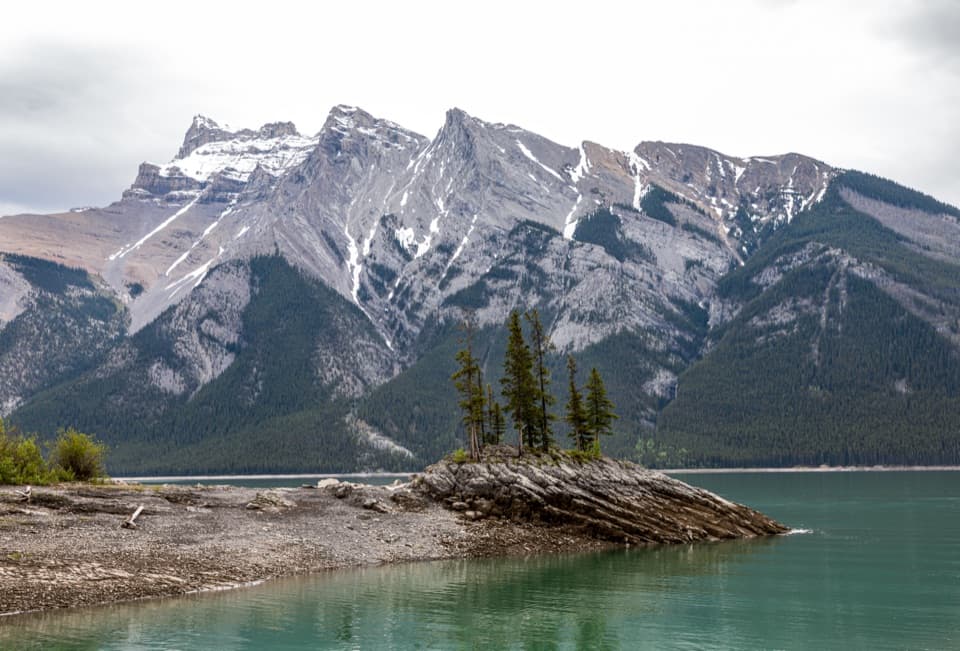
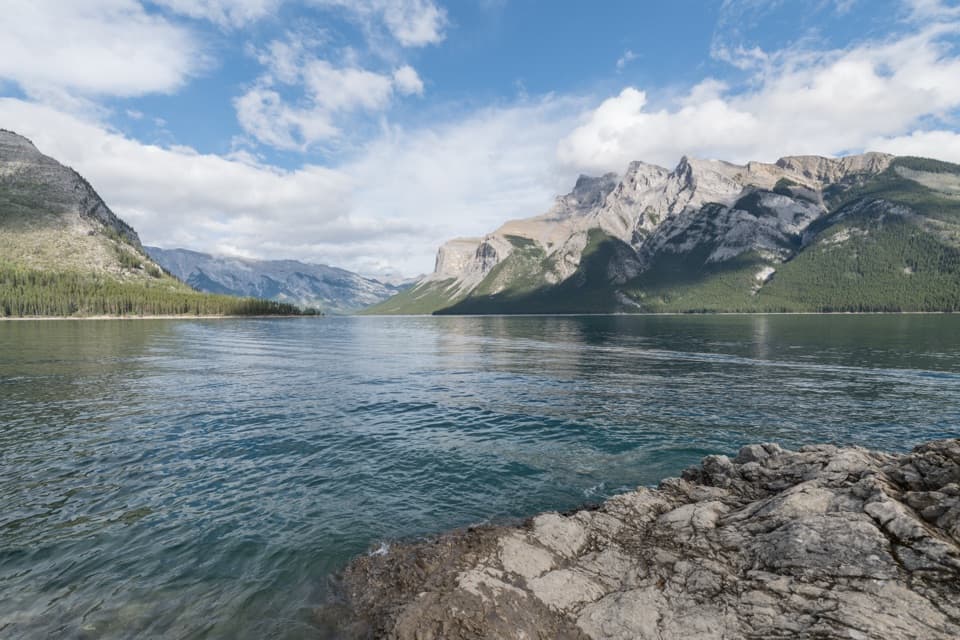
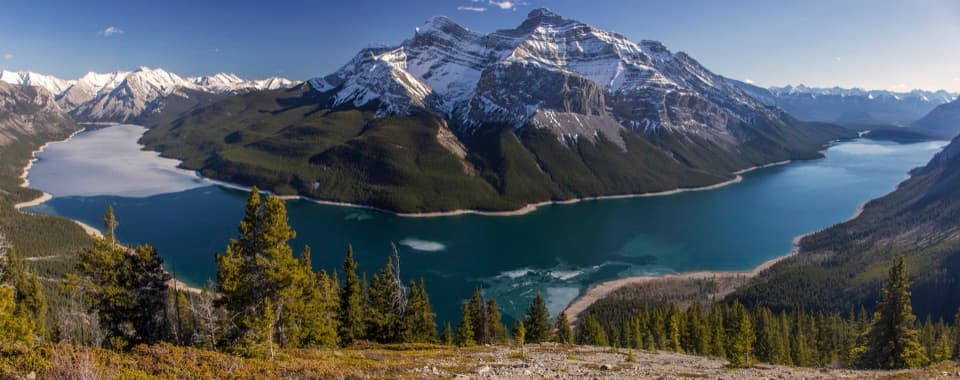
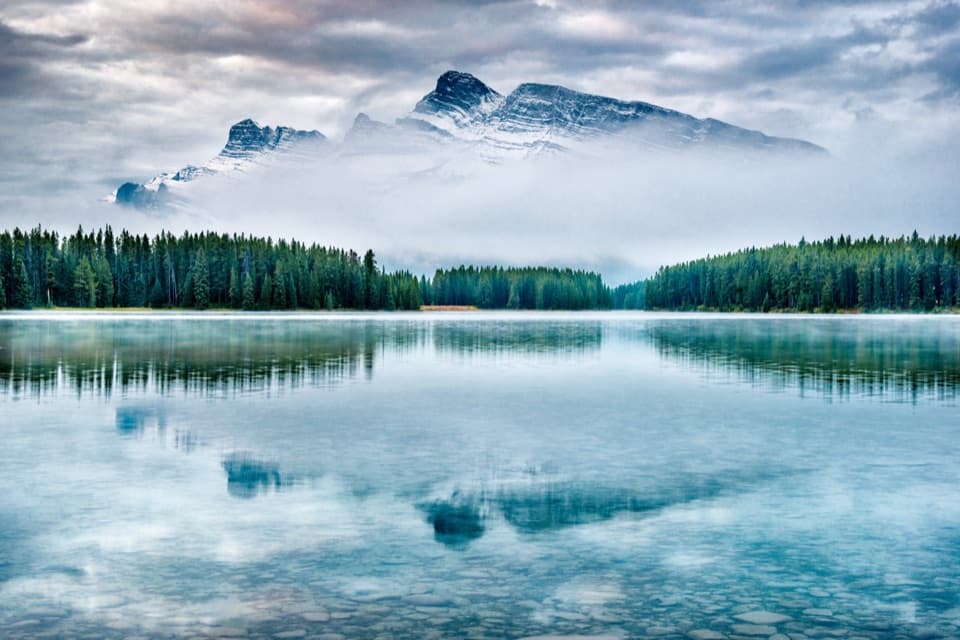
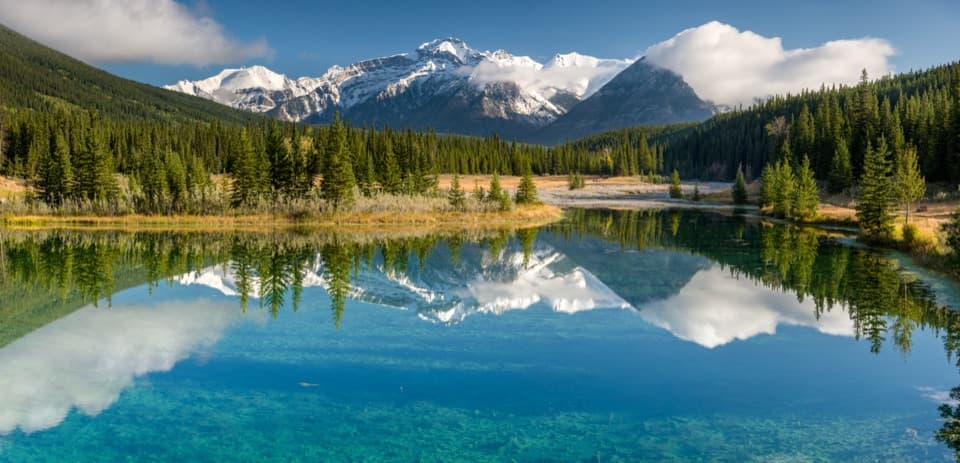
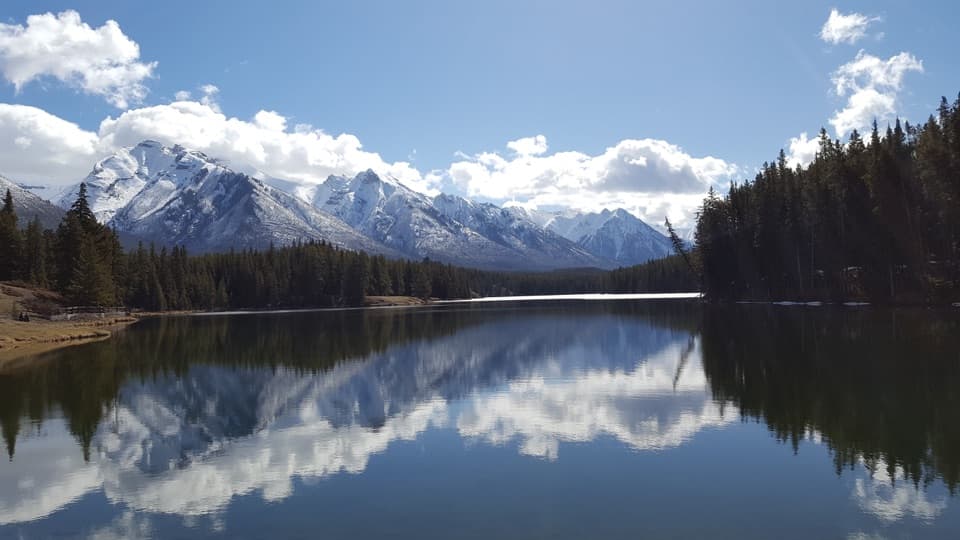
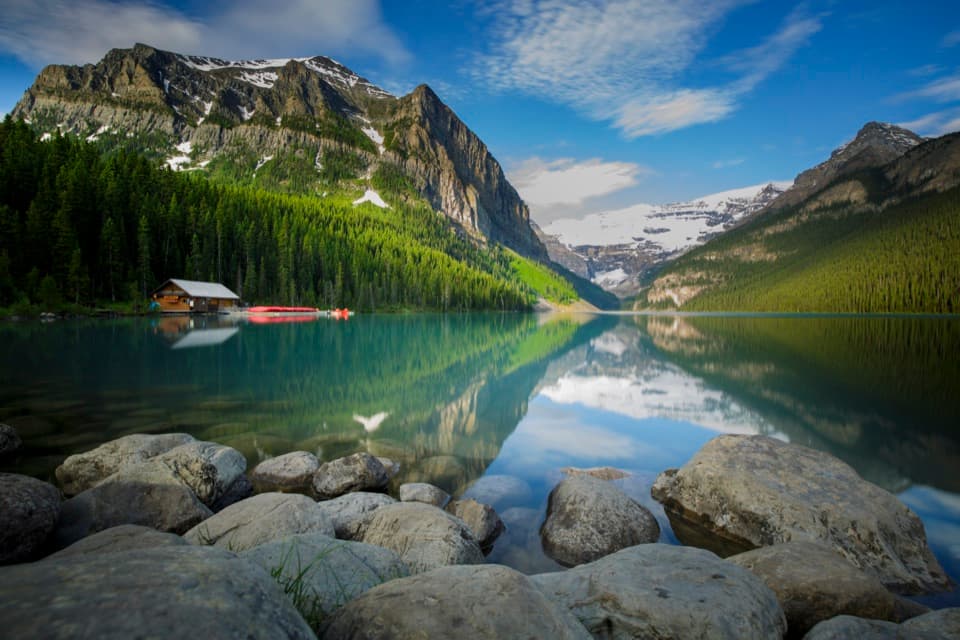
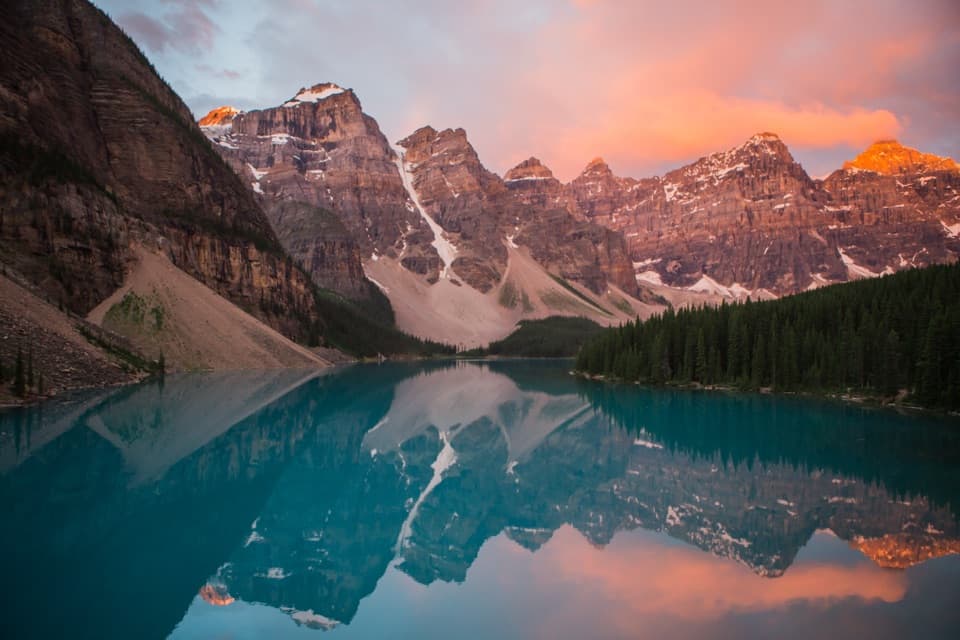
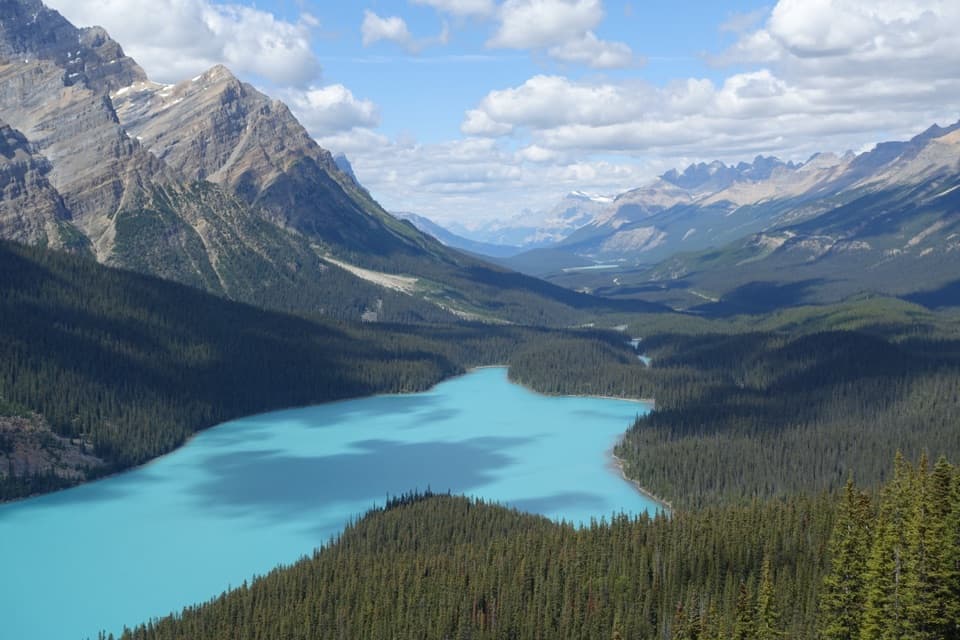
Lake Minnewanka is the park’s big-water showpiece: a long, fjord-like glacial lake enlarged by a dam, just a quick drive from town. Think turquoise water hemmed in by the Fairholme Range (with Mount Girouard and Inglismaldie looming above) and boat wakes tracing across a vast, mountain-framed horizon.

Why It’s Special

  • It’s the largest lake in the park and the only one where motorized boats are permitted, so you can hop a narrated cruise or launch your own boat.
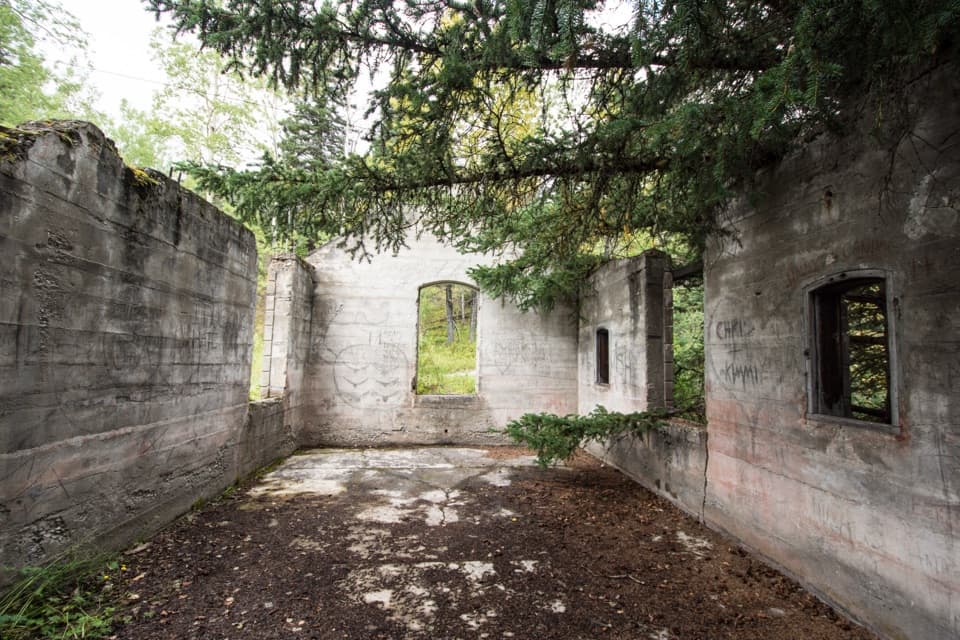
  • A former resort village lies underwater thanks to the dam—scuba divers come for the submerged ruins.
  • The lakeshore is a choose‑your‑own‑adventure: strolls, viewpoints, longer hikes, paddling, fishing, and in good winters, dreamy natural ice skating.

What to Do

  • On the water: sightseeing cruises depart from the marina; rent a canoe/kayak/SUP or bring your own motorboat. Fishing is allowed with a Parks Canada permit.
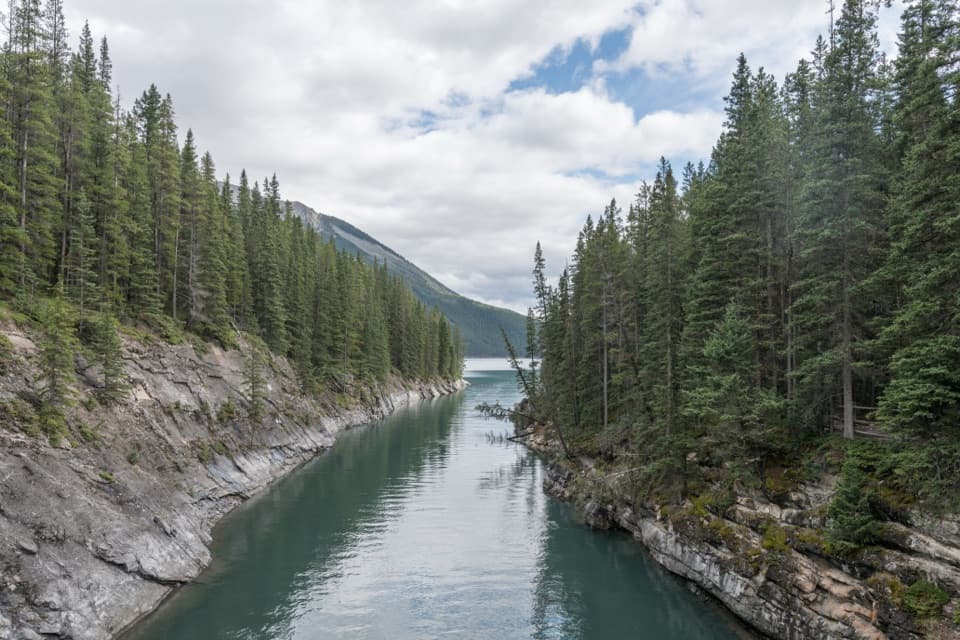
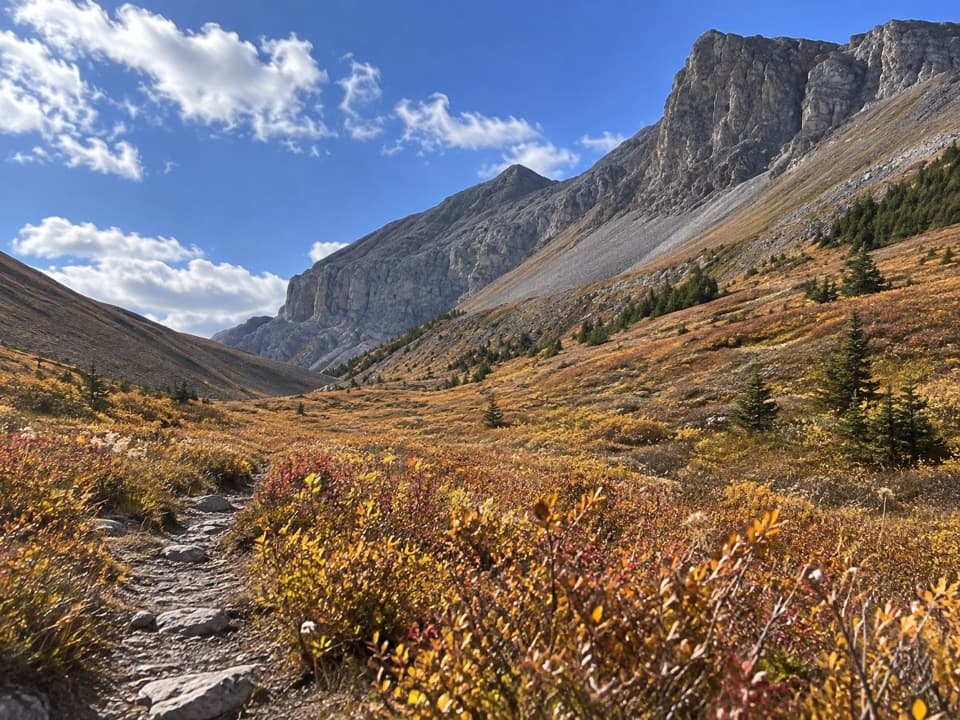
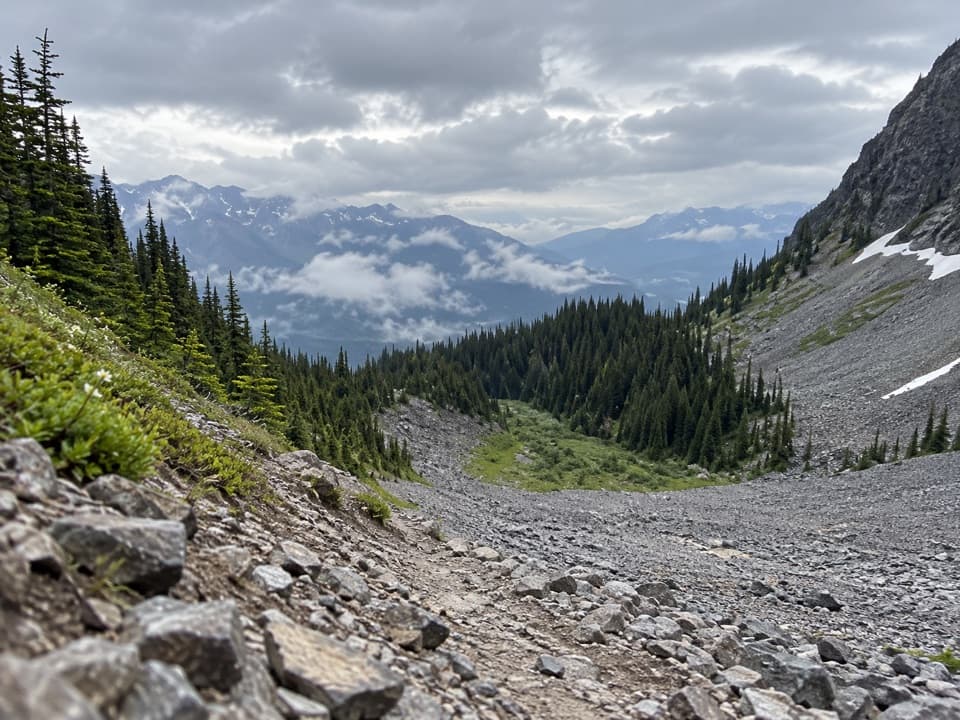
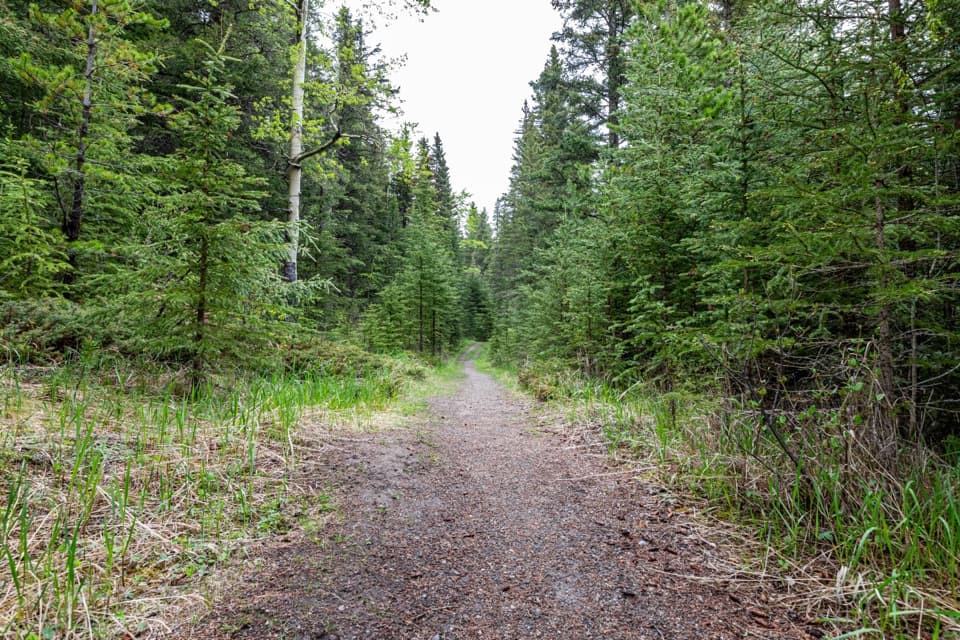
  • Trails: the lakeside area serves as a trailhead for popular routes like the Lakeside Trail, Stewart Canyon, Aylmer Lookout, and C‑Level Cirque.
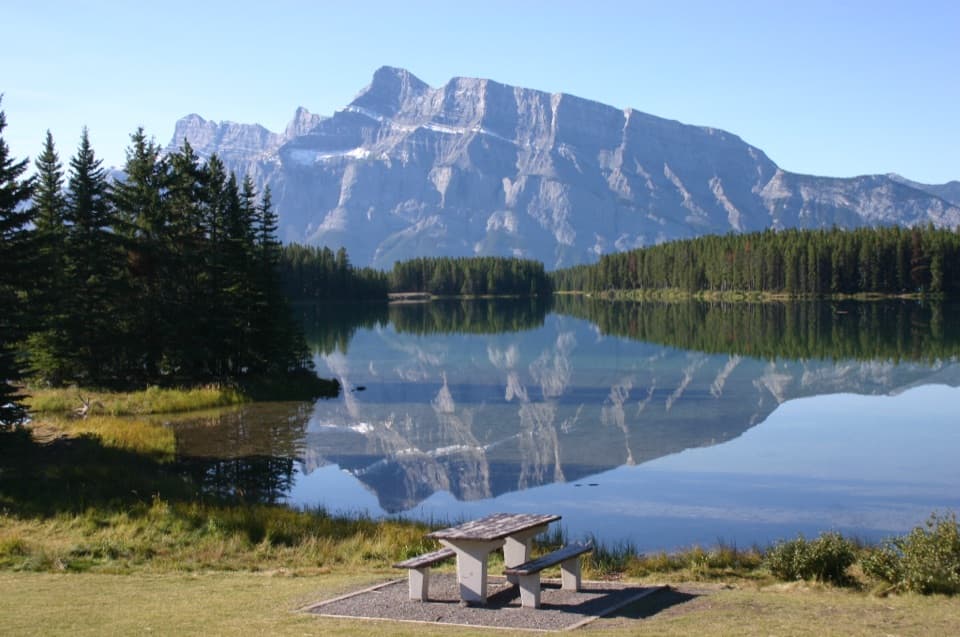
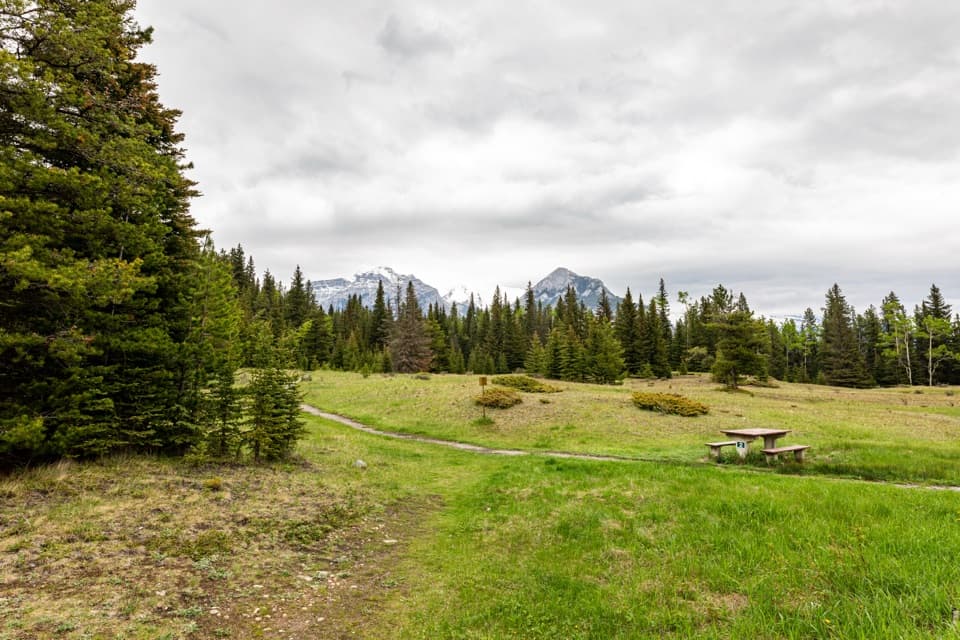
  • Picnicking and lingering: multiple picnic tables sit near the shore with wide‑angle views.
  • Winter: when conditions line up, the lake becomes a massive natural skating rink—always check ice safety first.

Rules, Permits and Safety (Important)

  • Non‑motorized watercraft (canoes, kayaks, SUPs) require a Parks Canada Aquatic Invasive Species self‑certification/permit, and must be cleaned, drained, and dried before launching.
  • Motorized boats on Minnewanka need a Parks Canada inspection permit.
  • The lake is big, cold, and often windy; unless you’re experienced, stay close to shore and plan for changing conditions.

Wildlife

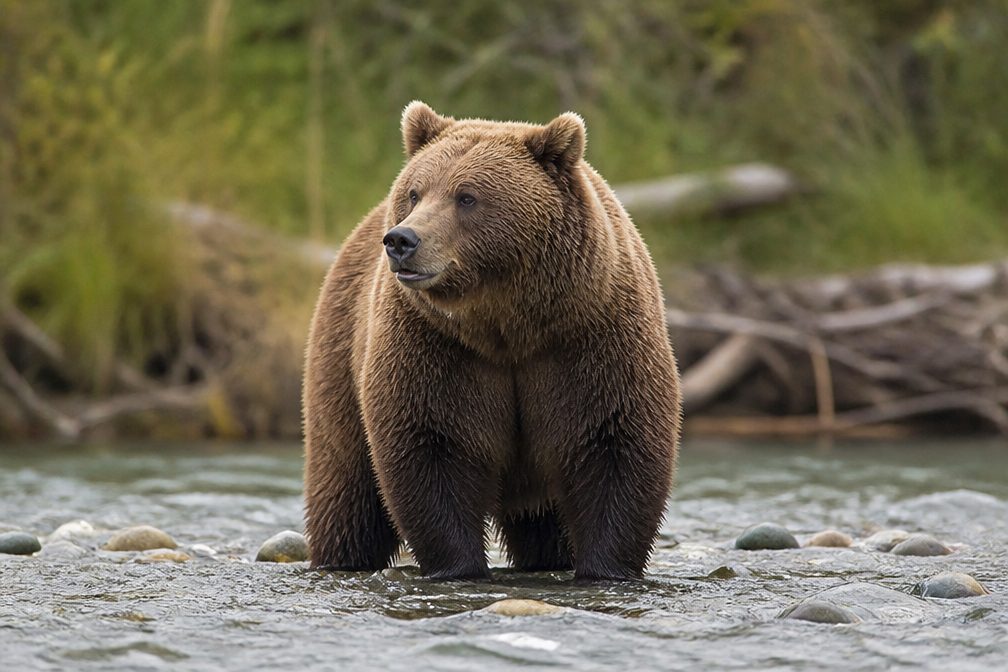
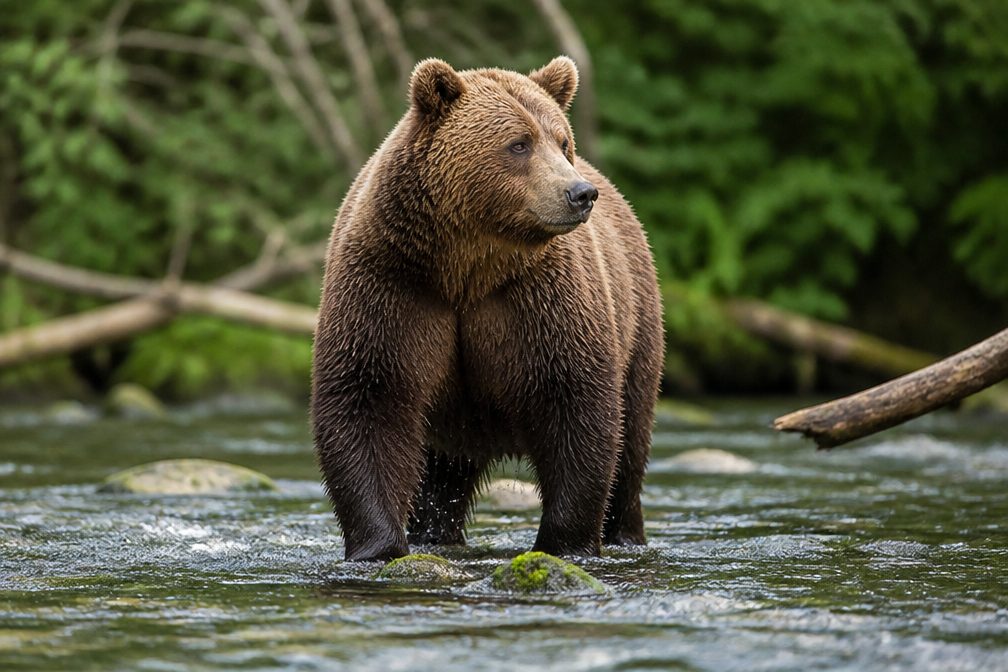
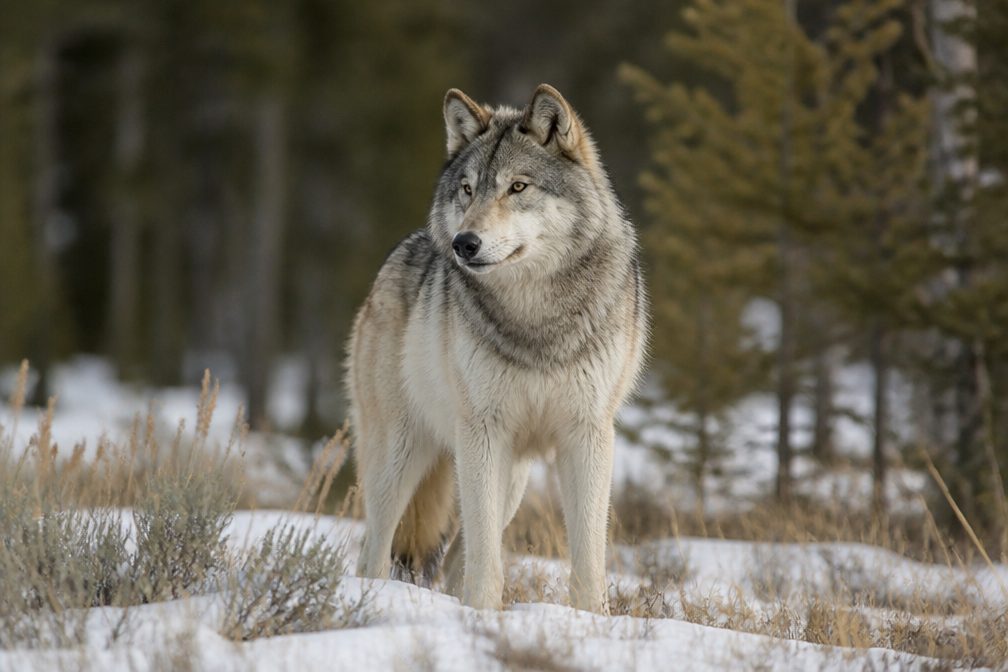
Expect the usual mountain‑park mix. Elk and bighorn sheep are sometimes spotted along the Minnewanka road and lakeshore. Give all wildlife space and secure food properly.

History Snapshot

Minnewanka means “Water of the Spirits,” a nod to the area’s long Indigenous history (Stoney Nakoda). The modern reservoir expanded after the dam, submerging the former shoreline community—part of why the diving here is uniquely compelling.

Amenities and Logistics

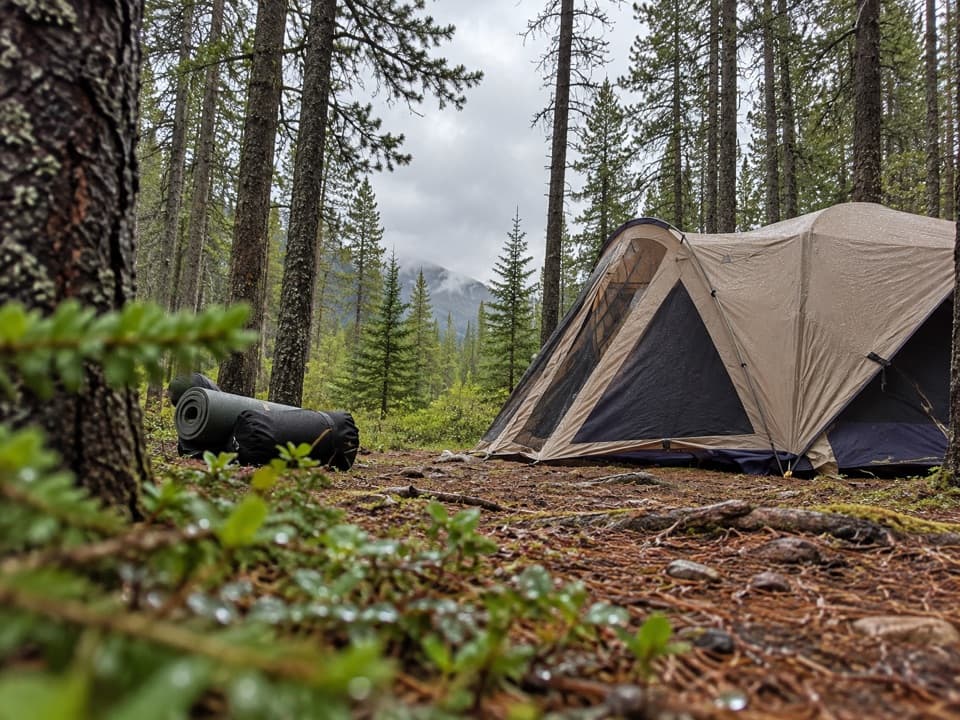
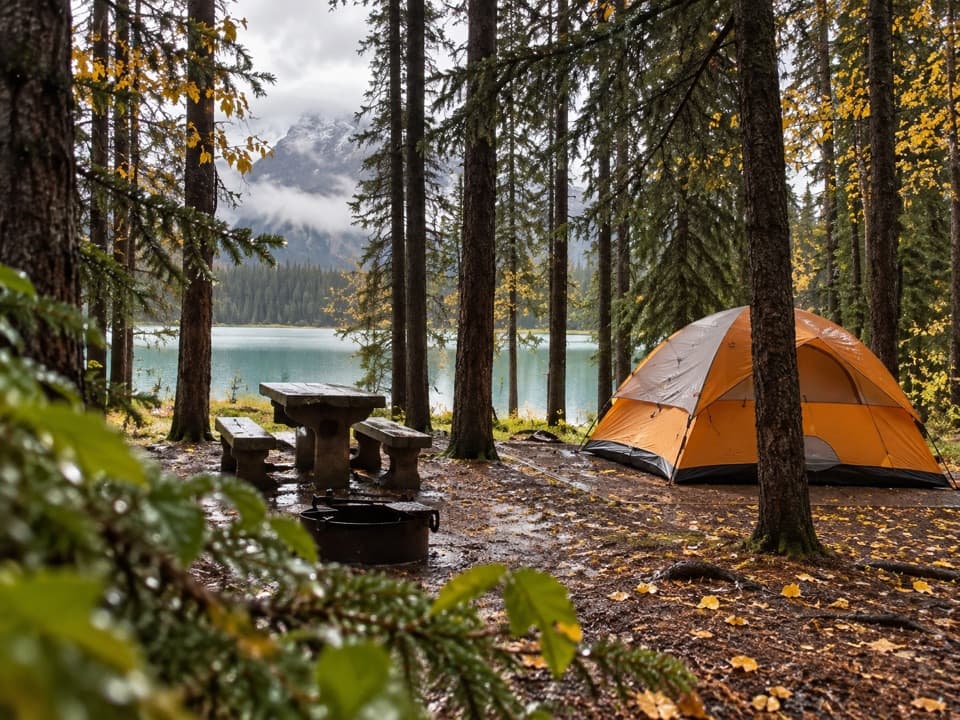
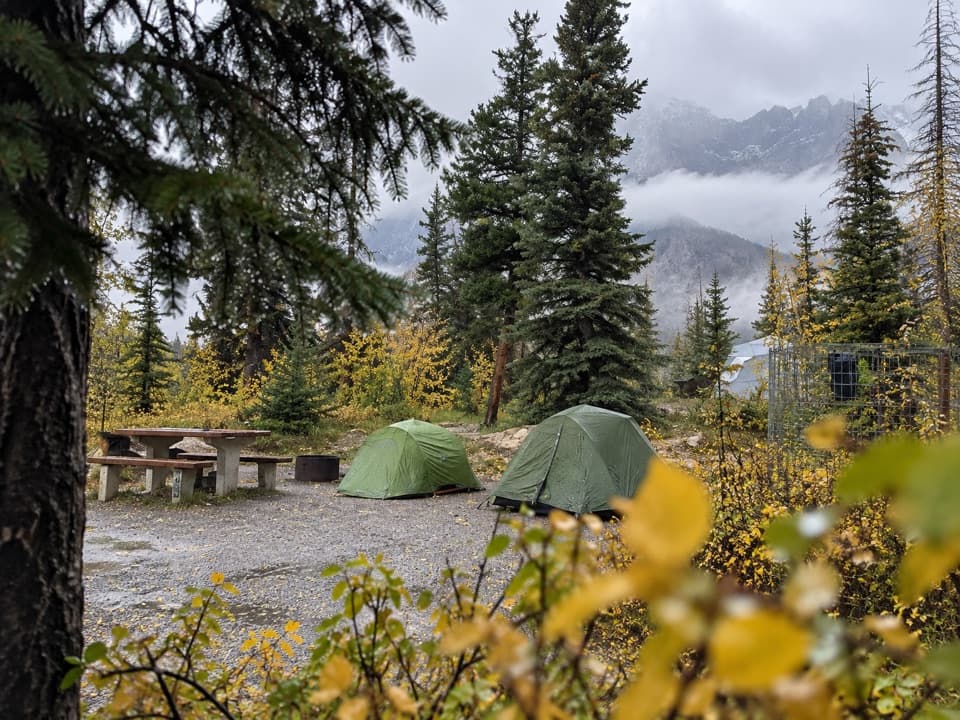
Near the main parking/marina area you’ll find modern restrooms, a large parking lot, picnic tables, a snack shop with grab‑and‑go options, limited supplies (including fishing licenses), and the docks for rentals and cruises. There’s also a nearby campground (seasonal) that serves as a base for exploring.

Photography and Stargazing

The lake’s vast east‑west orientation works nicely for soft morning and evening light. Clear nights can deliver excellent stargazing and, with some luck, aurora displays.

Best Time to Visit

  • Summer: Go early (before 9 am) to beat parking crunches and wind; late evening brings calmer shores and nicer light.
  • Shoulder seasons: Quieter, with a better chance of wildlife along the road.
  • Winter: Visit only when ice conditions are verified safe; the skating can be outstanding on clear, cold spells.

Pros

  • Only lake here that allows motorboats and popular scenic cruises
  • Huge, photogenic lake with easy access and year‑round things to do

Cons

  • Parking fills fast and summer crowds can be intense
  • Windy, cold, open water; permits/clean‑drain‑dry rules for paddlers

Tips

  • Arrive early in summer; the main lot fills quickly.
  • Book boat cruises and rentals in advance during peak season.
  • Complete the AIS self‑certification and clean, drain, dry any paddling gear.
  • Start paddling early and stay near shore—winds and waves build by midday.
  • Consider transit or park‑and‑ride if parking is full.
The Parkwolf tour guide sitting on a phone mounted in a car

Parkwolf Tour Guide

Like a tour guide in your car.

Save the places you found around Banff, then let Parkwolf guide the drive between them.Download Parkwolf on the App Store