
Place · 0.1 mi away
Challenging
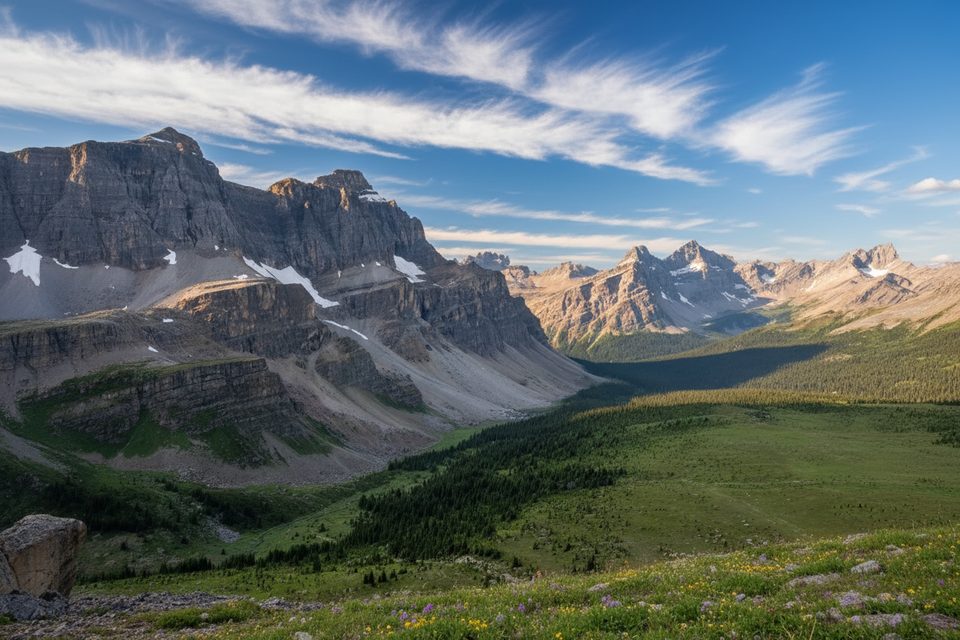
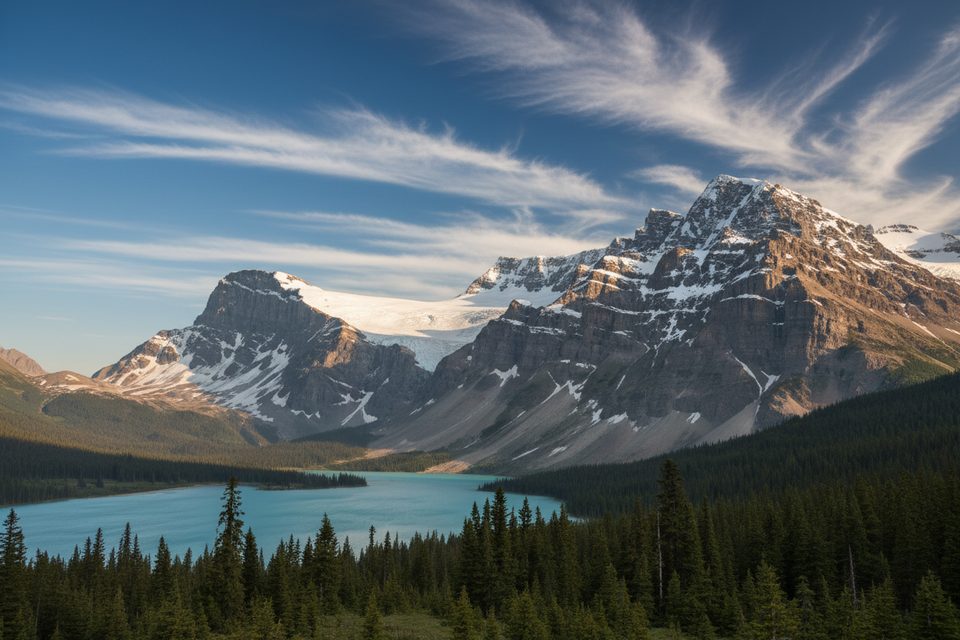
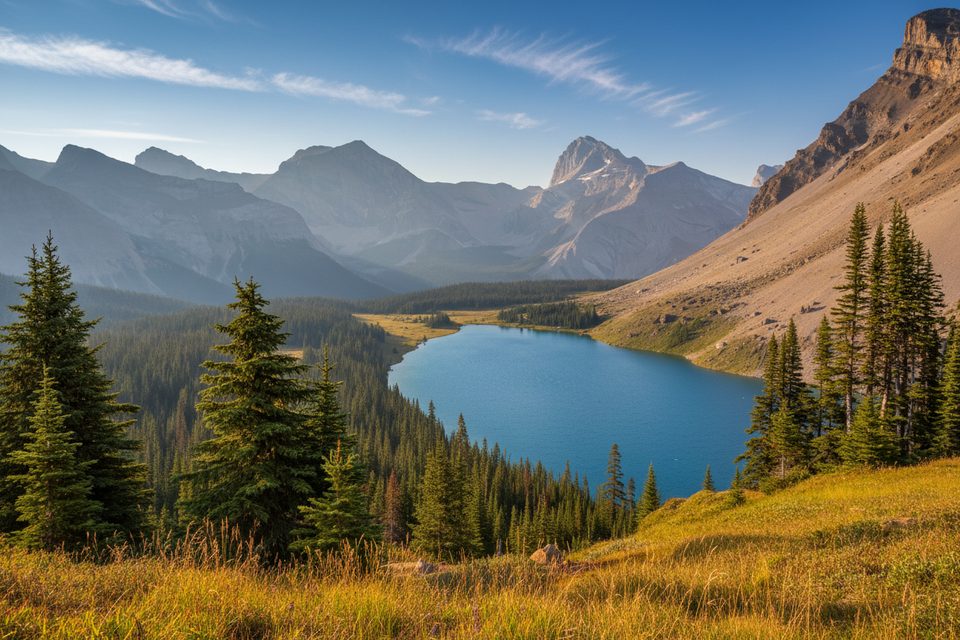
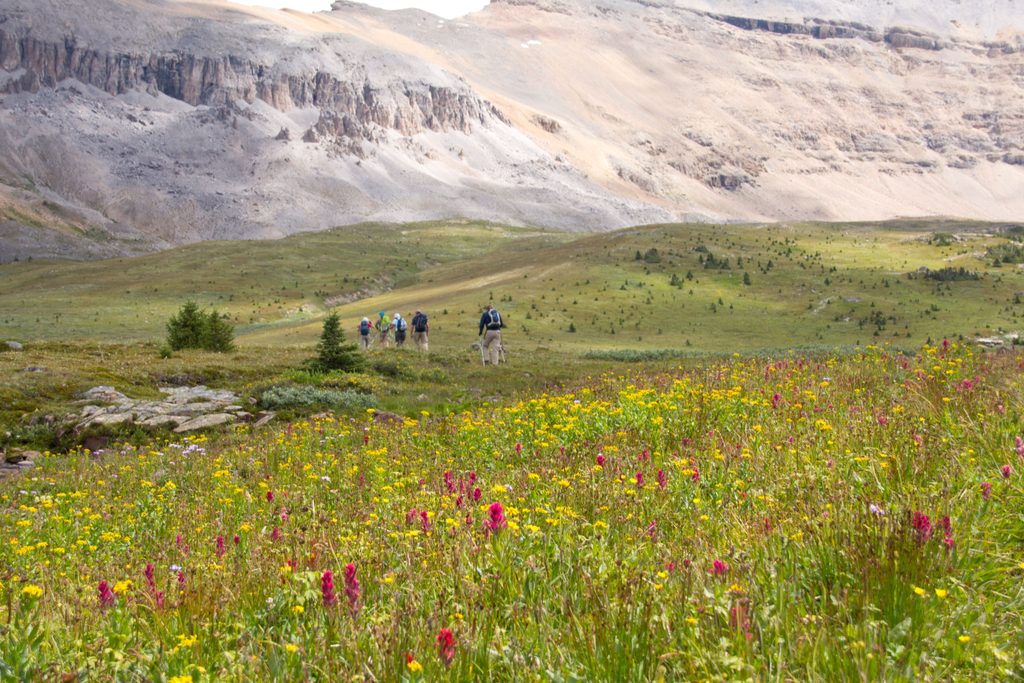
Molar Pass serves up classic Canadian Rockies alpine: broad flower-filled meadows, big-limestone peaks, and a true high-pass finish that feels remote and wild. It’s less crowded than Banff’s headliners, so you get sweeping views without the parade.
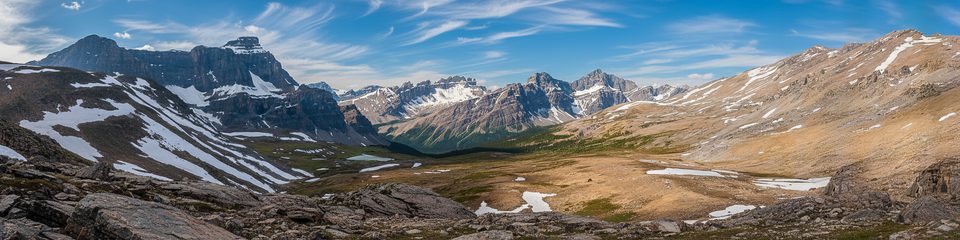
From the Mosquito Creek area off the Icefields Parkway, the route climbs out of conifer forest and follows the creek before opening into wide alpine meadows. Expect wildflowers in mid–late summer and views toward Dolomite Peak, Noseeum Mountain, and Molar Mountain. The final approach to the pass is a rocky, steep switchback ascent across scree and limestone. Snow can linger well into summer, and the pass is exposed to wind and weather.
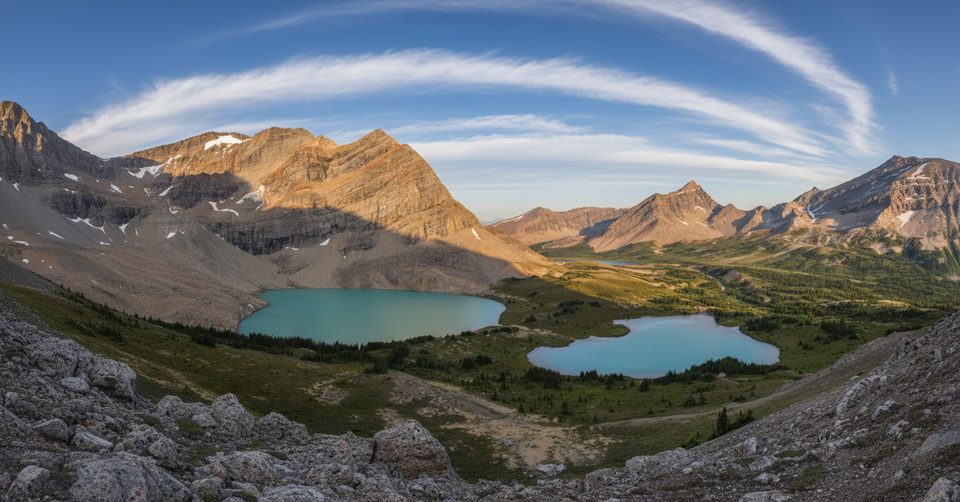
The opening miles are straightforward forest walking along Mosquito Creek with a glimpse of the area’s early road-building history at a small clearing. As you break treeline, the character shifts fast—big sky, braided streams, and rolling meadows lead you toward the rocky headwall of the pass. The last stretch is the crux: loose rock and tight switchbacks to a narrow, dramatic notch with panoramic views in all directions. Strong backpackers can continue beyond the pass toward Fish Lakes, a remote turquoise basin with backcountry camps (permit required).
Late July to early September is prime: most snow has melted, wildflowers peak, and days are long. September brings golden larch color across the meadows, though weather turns fickle—start early and pack layers. Earlier in the season (June–early July), expect lingering snowfields on the final approach.
If you want big alpine without big crowds, yes—this is one of the park’s most scenic high-country day hikes. If you’re after an even burlier objective and more time above treeline, North Molar Pass next door is longer and harder, but as a day out Molar Pass delivers plenty of payoff with a little less effort.
Park at the Mosquito Creek trailhead just off the Icefields Parkway (Hwy 93N), in the small parking area south of Mosquito Creek Campground.
High, exposed pass with rapidly changing weather; snow often lingers into summer. Final switchbacks are steep and rocky. Remote grizzly habitat—carry bear spray. Overnight trips require backcountry permits.
Place · 0.1 mi away
Place · 3.4 mi away
Place · 3.7 mi away
Place · 4.5 mi away
Challenging · 0 mi away
Challenging · 0 mi away
Challenging · 0 mi away
Challenging · 0 mi away

Parkwolf Tour Guide
