
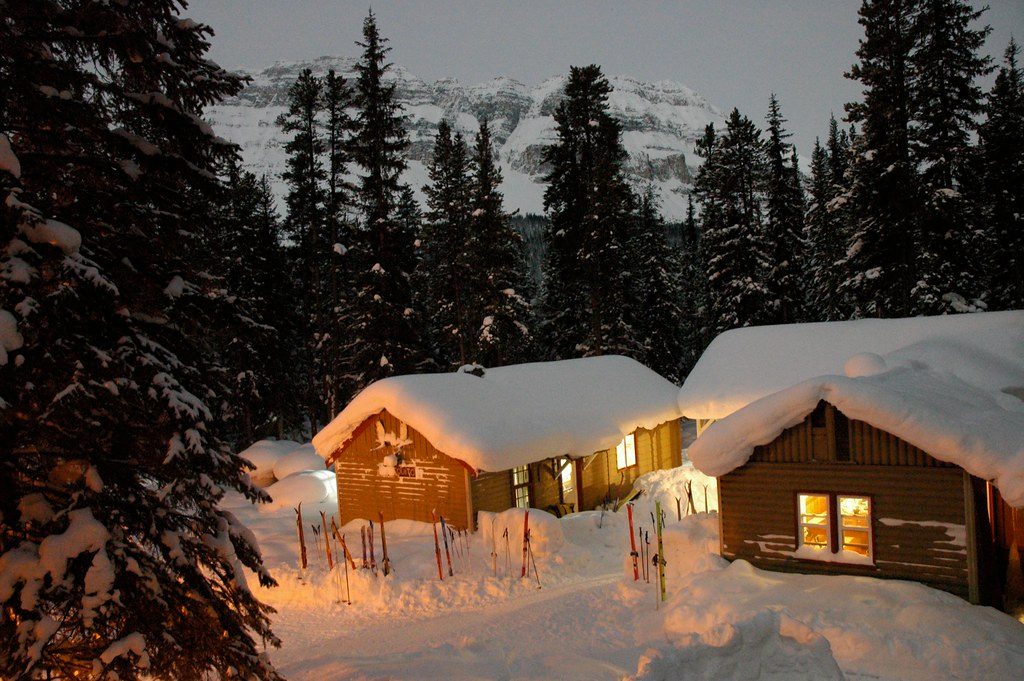
Place · 0.1 mi away
Challenging
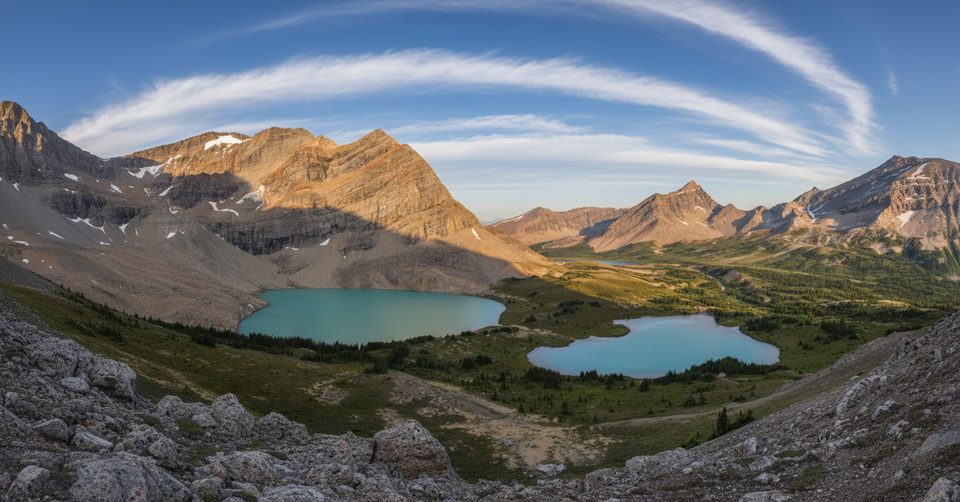
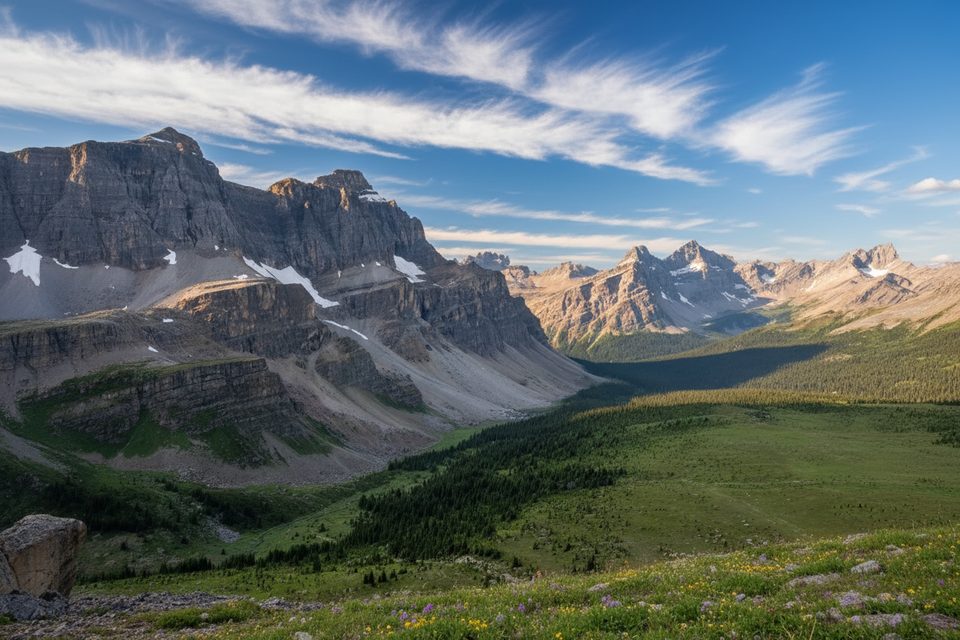
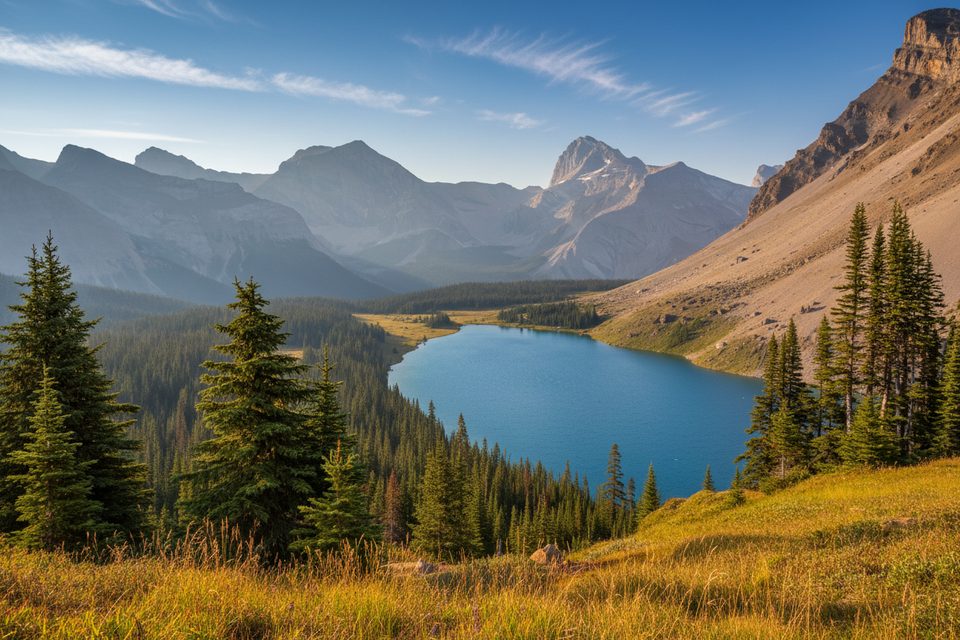
If you’re hunting for big-country solitude, this is your ticket. Clearwater Pass and the Devon Lakes basin deliver wide, grassy alpine, turquoise lakes, and sweeping views down the Clearwater and Pipestone valleys. It’s a true backcountry experience—remote, committing, and stunning.
Most parties approach via North Molar Pass to Fish Lakes, then continue over Pipestone Pass and Clearwater Pass to reach the Devon Lakes basin. Distance varies by line and side trips; plan on roughly 17–20.5 miles (28–33 km) one way. Strong hikers sometimes push a long day (reports cite ~8–9 hours one way), but the vast majority treat this as a 2–3 day backpack. Expect faint trail segments above treeline and in meadows, and occasional horse use. An advanced alternative via Quartzite Col exists, but most backpackers stick to the established passes.
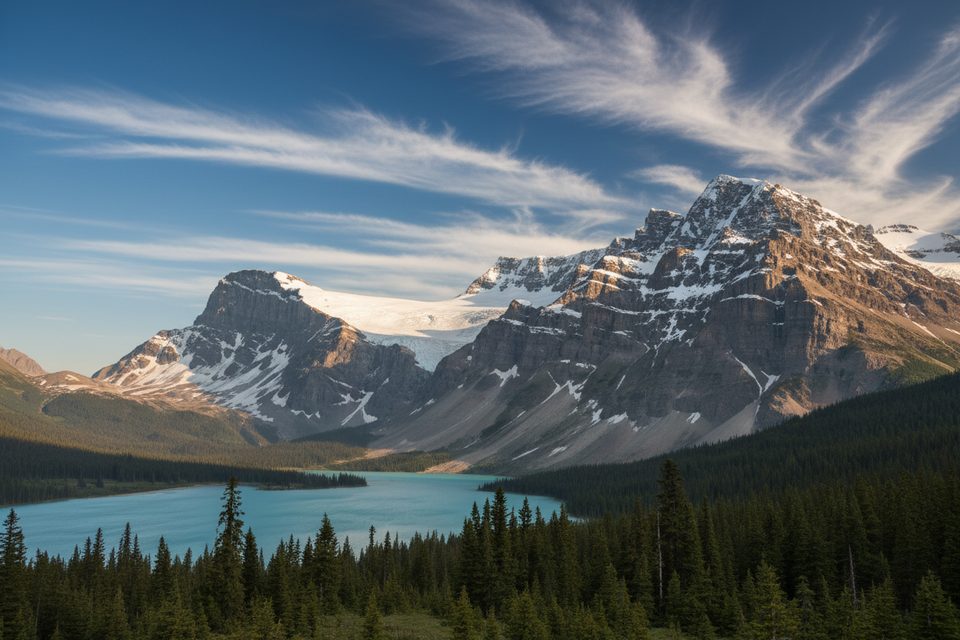
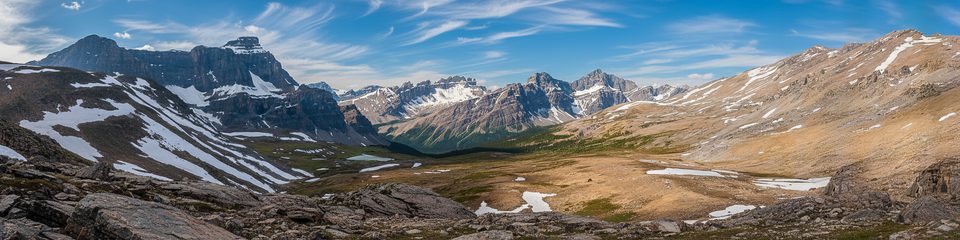
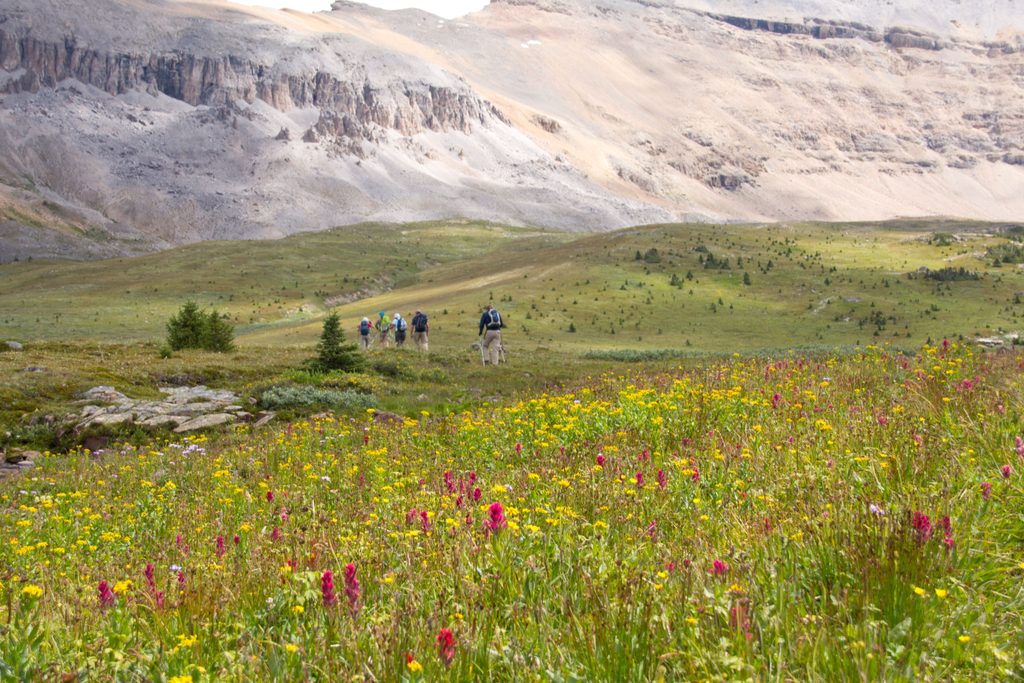
Clearwater Pass is a broad, flower-bright alpine saddle hemmed in by limestone and quartzite peaks, with big-sky views in all directions. The Devon Lakes—upper and lower—sit in a wide, open basin that feels properly wild; one viewpoint above Upper Devon Lakes gets singled out as one of the best in the Rockies. Along the approach, watch for waterfalls stepping down rock slabs, lush meadows, and long, detailed vistas of surrounding peaks.
This is an advanced, high-country traverse: long days, multiple passes, and sections where the path fades out. Navigation skills matter—carry a detailed map, compass, and/or GPS. Stream crossings are typically manageable but can swell after rain or early-season melt. Water is plentiful, but treat everything. You’ll find random camping (by permit) at Devon Lakes; Fish Lakes is a common base.
Late July through early September is the sweet spot. Snow lingers into mid-summer, bugs taper by late season, and creeks are easier to ford. June and early July often mean lingering snow, high water, and mud; September can bring early snow and cold nights.
You’re roaming classic Rockies country: limestone and quartzite summits, glacially carved valleys, and old moraines. In midsummer the passes bloom with wildflowers; above treeline, the landscape opens into broad, wind-polished meadows.
Park at the Mosquito Creek trailhead on the Icefields Parkway, opposite Mosquito Creek Campground/hostel.
Remote, multi-pass terrain with faint tread; expect bears, cold snaps, and swollen creek crossings. Carry nav tools and bear spray.
Place · 0.1 mi away
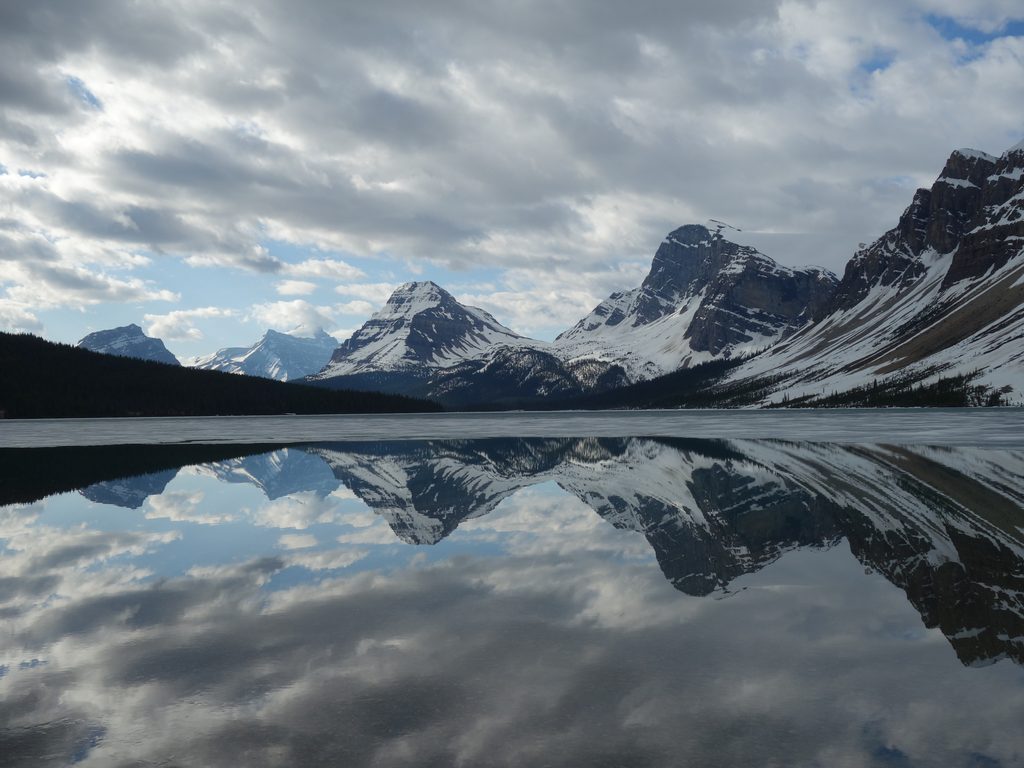
Place · 3.4 mi away
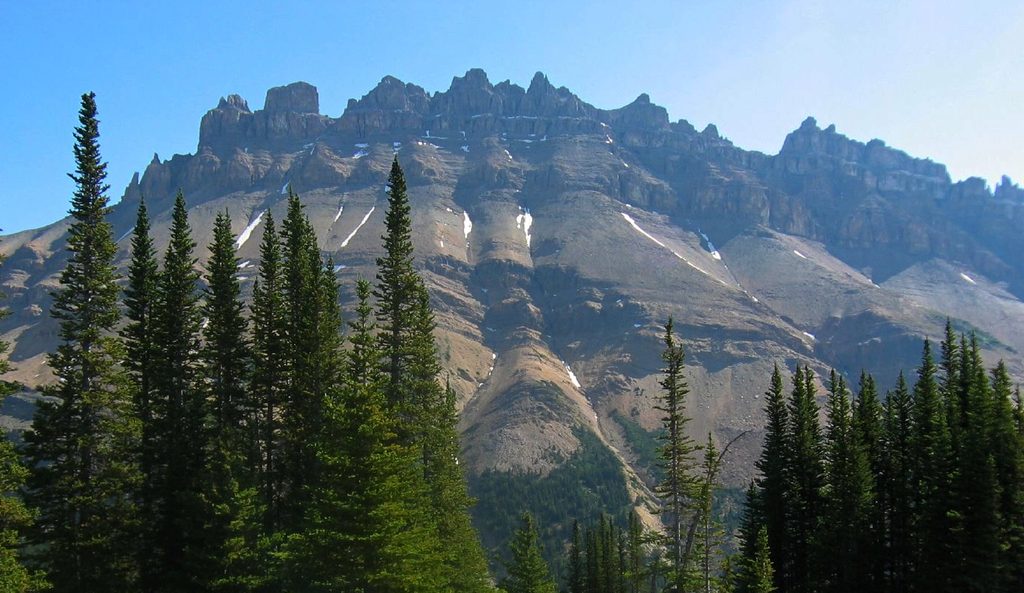
Place · 3.7 mi away
Place · 4.5 mi away
Challenging · 0 mi away
Challenging · 0 mi away
Challenging · 0 mi away
Challenging · 0 mi away

Parkwolf Tour Guide
