
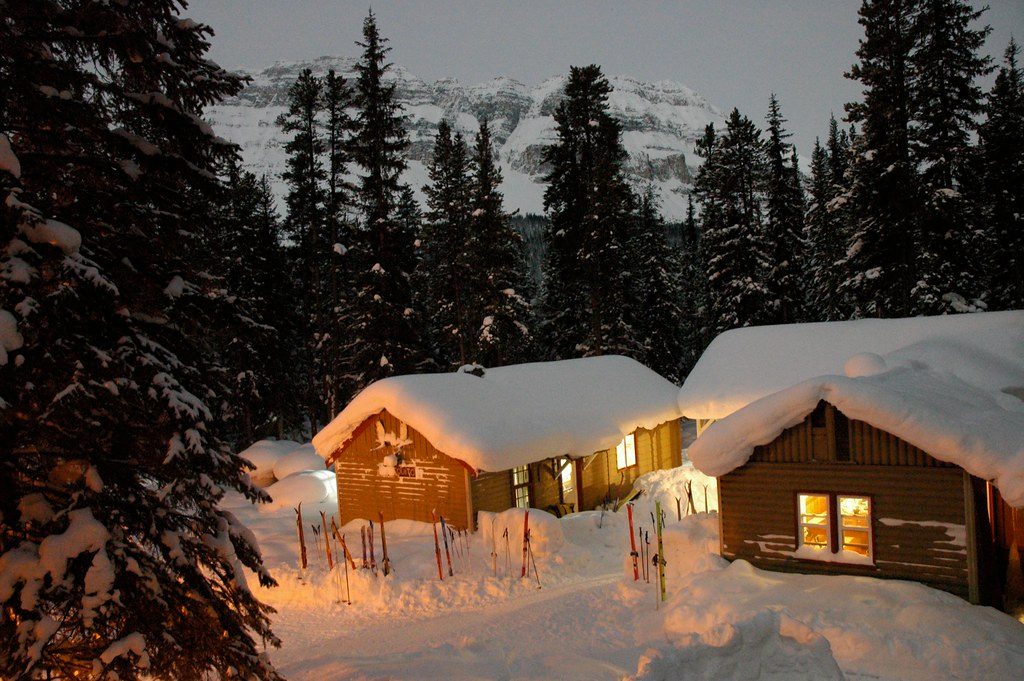
Place · 3.3 mi away
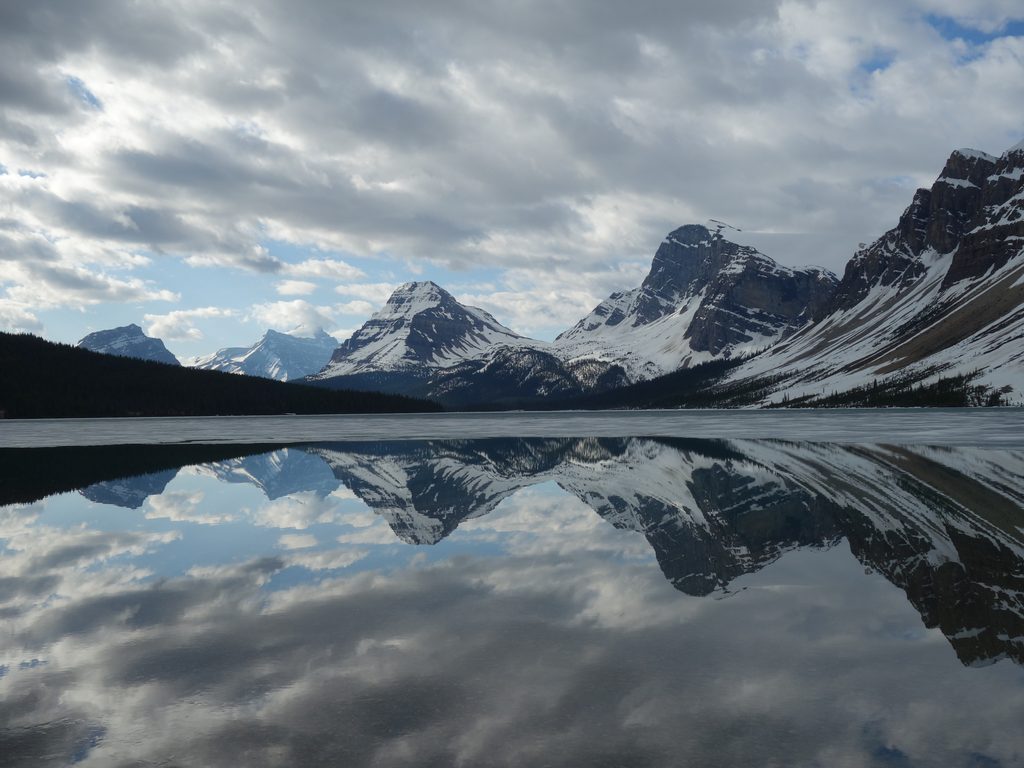
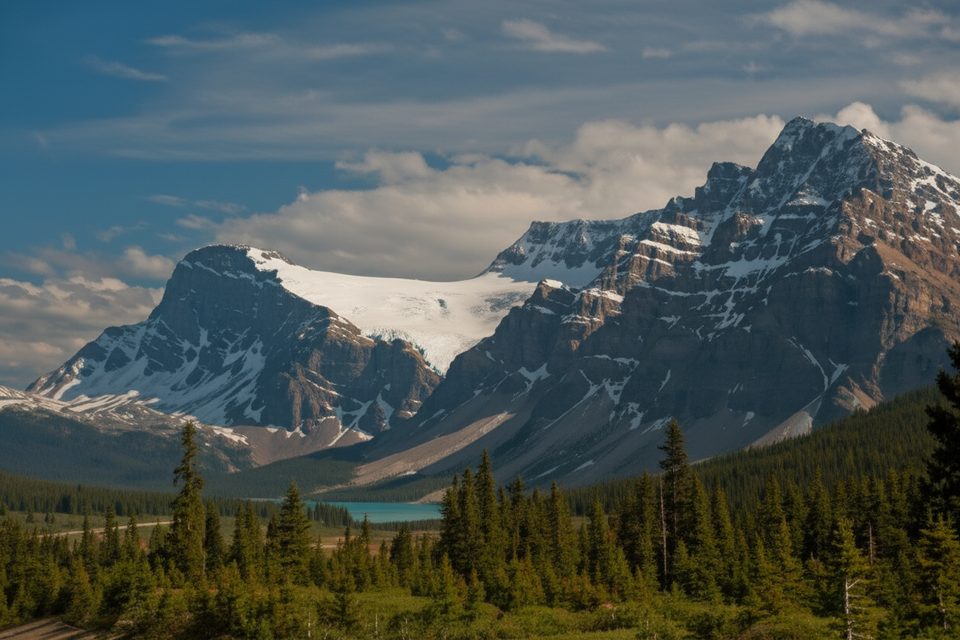
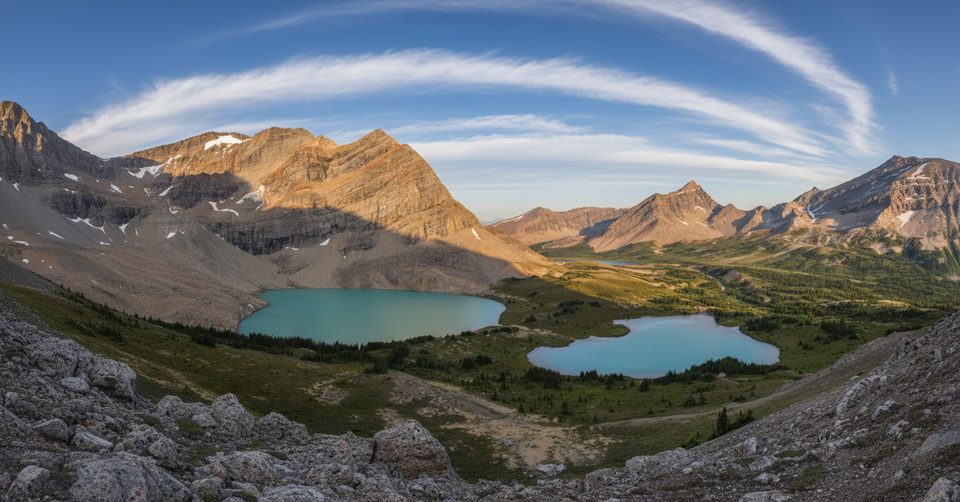
Hector Lake is the under-the-radar giant along the Icefields Parkway—5.23 km² of glacial-turquoise water backed by the Waputik Range. You get sweeping views toward Pulpit Peak, Mount Balfour, Crowfoot Mountain, Bow Peak, and even the Hector Glacier and Mount Hector across the valley. It’s peaceful, scenic, and feels wonderfully undeveloped compared to the zoo at nearby Bow or Lake Louise.
Expect that classic Banff blue, thanks to rock flour suspended in the water. From the north end of the lake, there’s a rewarding look at a hanging glacier and a waterfall dropping off the west side. Forested shores, big mountain backdrops, and few people—this is the vibe.
The trailhead is a tiny pullout off the Icefields Parkway north of Lake Louise—easy to miss, marked by a small wooden sign. From there, it’s a short forest walk (about 2.5 km to the lake) with one memorable obstacle: fording a channel of the Bow River. Water can be thigh-deep and pushy early in summer. Some hikers avoid the ford by following a path along the river to the lake, but expect mud and rough tread. Late summer typically offers lower, safer water.
This is true Banff backcountry—deer and birds are common, and bears are possible. Carry bear spray and know how to use it. The river crossing is the crux: be conservative when flows are high or after heavy rain; the water is glacial-cold year-round.
Named for James Hector of the Palliser Expedition, the lake sits in a U-shaped, glacier-carved valley. Its striking color comes from fine glacial silt (rock flour) suspended in meltwater.
There are no facilities—no toilets, no tables, no water, no store. Parking is just a small roadside pullout. Pets are allowed but must stay leashed. The outing isn’t ideal for young kids due to the river ford.
June through September, with late summer the sweet spot for lower water at the crossing. It’s much quieter than the headline lakes most of the day; early or late tends to feel especially tranquil. For paddlers, calm mornings are your best bet.
Place · 3.3 mi away
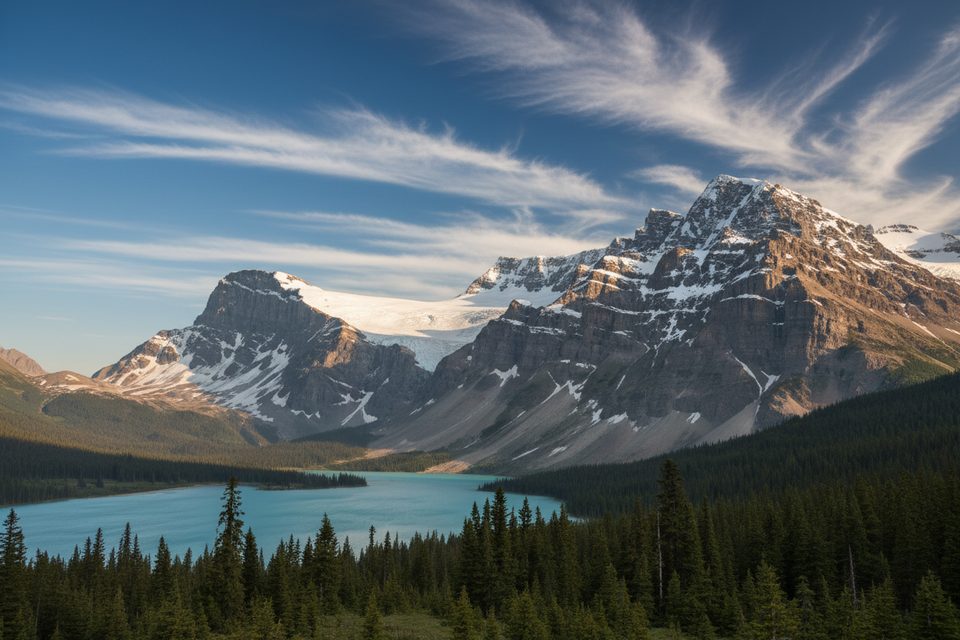
Place · 4.4 mi away
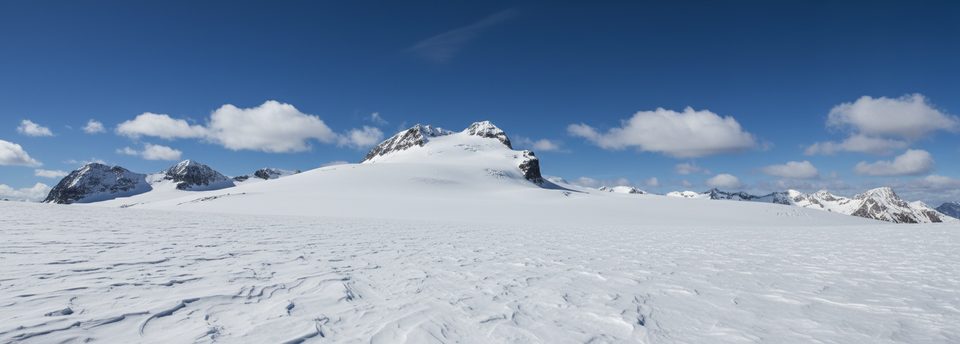
Place · 4.7 mi away
Place · 6.1 mi away
Easy · 2.4 mi away
Challenging · 3.4 mi away
Challenging · 3.4 mi away
Challenging · 3.4 mi away

Parkwolf Tour Guide
